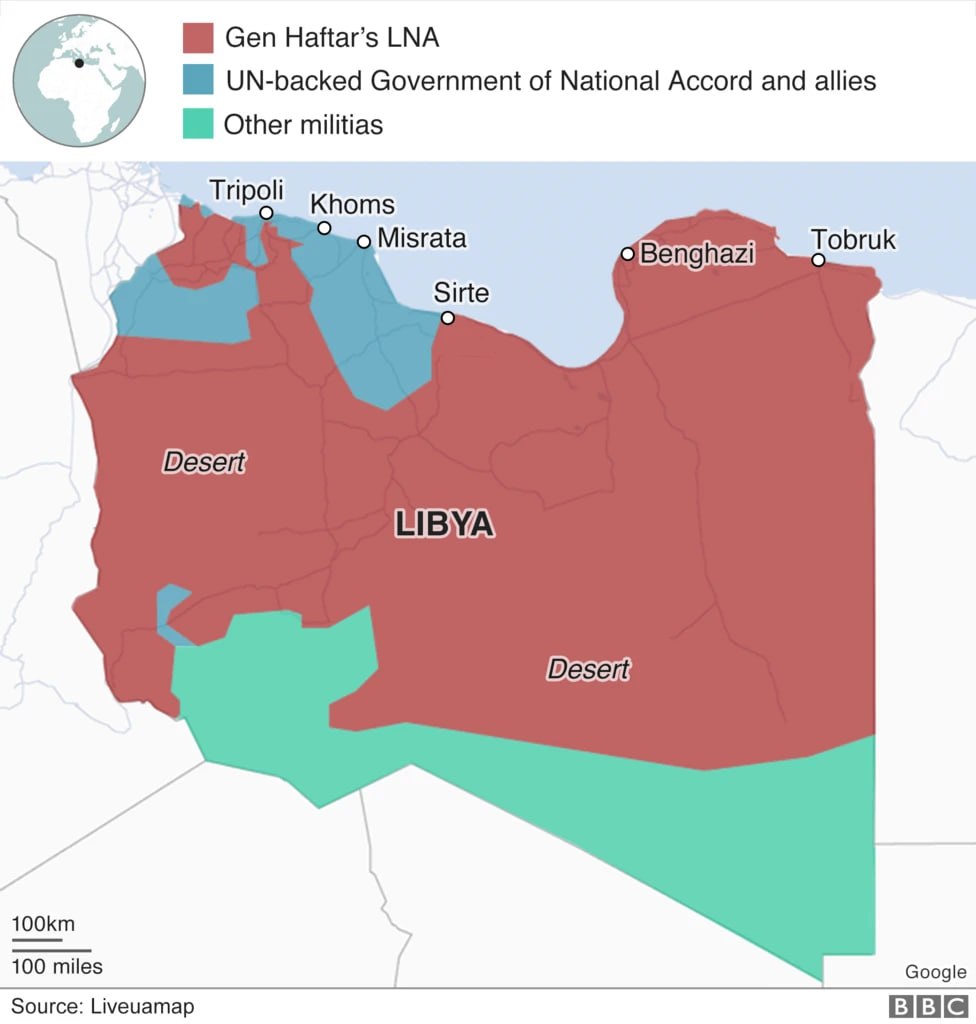
On 22 November 2026 at 12:45 GMT, a Russian Navy frigate identified as MERKURY was destroyed by hostile unmanned aerial vehicles (UAVs) at the Port of Benghazi, eastern Libya. Video released by the open‑source intelligence channel rnintel shows a massive explosion that completely consumed the vessel, confirming its total loss. The attack is attributed to a coordinated drone swarm, with analysts linking the operation to Ukrainian special forces operating in concert with the Libyan militia group Rerum Novarum. The strike marks the most severe kinetic event in Libya this year and the first confirmed destruction of a Russian warship on foreign soil.
Details of the UAV Strike
The footage captured by civilian observers depicts multiple small‑size drones approaching the frigate from the north‑west, releasing high‑explosive payloads that ignited the ship’s ammunition magazines. The resulting fireball illuminated the harbor for several minutes before the vessel sank in shallow water. No official casualty figures have been released, but the rapid nature of the explosion suggests that the crew was unable to evacuate. The Russian Ministry of Defence has not yet confirmed the loss, while the Ukrainian Ministry of Defence described the operation as a “legitimate act of self‑defence against illegal Russian presence.” (Source: rnintel, https://t.me/rnintel/69310).
Related Aerial Activity
Earlier that night, a Russian Ilyushin‑76 aircraft, designated for emergency services, was observed inbound to Benghazi. The aircraft’s flight path, recorded by commercial radar, suggests it was dispatched in response to the unfolding attack, although its exact mission remains unverified.
Sea‑Drone Assaults on Russian Commercial Shipping
At 16:45 GMT, a separate incident involving a sea‑drone was reported by rnintel. A Russian commercial vessel transiting Libya’s territorial waters was struck less than 24 hours after the frigate’s destruction. The attack caused moderate hull damage but did not result in crew injuries. A second sea‑drone strike occurred at 17:47 GMT, targeting a Russian cargo ship anchored off the Benghazi coast. Video evidence posted by the channel monitor_the_situation shows a compact unmanned surface vehicle breaching the ship’s hull, triggering a localized explosion and prompting the crew to abandon the vessel. (Source: monitor_the_situation, https://t.me/monitor_the_situation/44660).
Explosive USV Attack on a Civilian Merchant Vessel
Simultaneously, an explosive unmanned surface vehicle (USV) struck a civilian merchant ship near the same harbor. Libyan naval and air forces responded by destroying twelve additional boats identified as hostile drones, according to Al Masar TV and the monitoring outlet DefMon3. The civilian vessel sustained significant structural damage but remained afloat, and no fatalities were reported among its crew. The rapid interdiction by Libyan forces demonstrates an emerging capability to counter autonomous maritime threats. (Source: monitor_the_situation, https://t.me/monitor_the_situation/44653).
Libyan National Army Intercepts Additional Sea‑Surface Drones
At 16:42 GMT, the Khalifa Haftar‑led Libyan National Army (LNA) announced the interception of several unidentified one‑way sea‑surface drones en route to the Port of Benghazi. The LNA’s coastal patrol units engaged the drones using small‑caliber naval guns and electronic jamming equipment, preventing further incursions. While the origin of these drones was not disclosed, the timing suggests a coordinated campaign aimed at disrupting maritime traffic linked to Russian interests. (Source: rnintel, https://t.me/rnintel/69312).
Political Reaction from Libya’s Government of National Unity
"Libya will not become a proxy battlefield for foreign powers. Any unauthorized military activity on Libyan soil will be met with firm resistance," the Government of National Unity (GNU) warned after the explosions at Benghazi port. The statement, posted on BellumActaNews, explicitly accused Russia of conducting illegal operations and called for an immediate cessation of all foreign military deployments. (Source: BellumActaNews, https://t.me/BellumActaNews/178790)
Analysis of the Escalation Pattern
The sequence of events on 22 November illustrates a rapid escalation of kinetic activity in Libya’s eastern maritime corridor. The initial UAV strike on the Russian frigate demonstrates a high‑level capability to target heavily defended naval assets, likely requiring sophisticated intelligence, planning, and access to advanced weaponry. Subsequent sea‑drone and USV attacks indicate a diversification of tactics, employing low‑cost autonomous platforms to achieve strategic effects against both military and civilian targets.
Libyan forces, particularly the LNA and national naval units, have shown an ability to detect and neutralize a significant number of hostile drones, suggesting improvements in maritime domain awareness and electronic warfare capacity. However, the persistence of attacks despite these defenses points to a gap in attribution and deterrence, as the perpetrators remain unidentified and operate with plausible deniability.
Regional and International Implications
The destruction of a Russian warship on Libyan territory raises immediate concerns for Moscow’s naval posture in the Mediterranean. Russia has maintained a limited but visible presence in Libya since 2022, supporting the Haftar faction with equipment and advisory personnel. The loss of MERKURY may prompt a reassessment of force protection measures and could lead to a diplomatic protest or retaliatory action, depending on the Kremlin’s assessment of responsibility.
For Ukraine, the operation, if confirmed, represents a significant symbolic victory, projecting power far beyond its borders and signaling the reach of its special‑operations capabilities. The incident also underscores the growing role of unmanned systems in modern conflict, where small, inexpensive platforms can inflict disproportionate damage on high‑value assets.
From a Libyan perspective, the GNU’s condemnation reflects a broader desire to prevent the country from becoming a theater for external proxy wars. Continued foreign involvement threatens to destabilize the fragile power‑sharing arrangement between the GNU and the LNA, potentially reigniting large‑scale ground combat.
Outlook
Monitoring agencies anticipate further unmanned attacks in the coming days, as both state and non‑state actors test the limits of Libya’s maritime security architecture. International observers are urged to verify the chain of command behind the UAV and sea‑drone operations, while Libyan authorities are expected to tighten port security and expand electronic counter‑measure deployments. The incident serves as a stark reminder that Libya’s strategic location on Mediterranean trade routes continues to attract competing interests, each willing to employ kinetic means to achieve their objectives.