On 22 November 2026, a series of coordinated military actions by Iran, Saudi Arabia, Israel, and Iraq underscored a sharp rise in regional volatility. The most consequential development was a Saudi Air Force airstrike campaign targeting the Houthi‑controlled capital of Sanaa, Yemen, at 02:43 UTC, as reported by the intelligence channel intelslava (source). The operation, part of an ongoing Saudi‑Yemeni conflict, marks a renewed escalation after months of relative lull.
Saudi Airstrike on Sanaa
The Saudi Air Force launched multiple sorties against strategic sites within Sanaa, employing precision‑guided munitions to strike what it described as “terrorist infrastructure” linked to the Houthi movement. While the official brief did not disclose casualty figures, local health officials indicated that civilian injuries were likely, given the dense urban environment. No specific weapons systems were enumerated in the source, but the pattern aligns with previous Saudi use of F‑15 and Eurofighter jets in the theater.
Saudi officials framed the strikes as a response to cross‑border missile attacks launched from Houthi positions earlier in the week. The timing coincides with diplomatic overtures in Riyadh aimed at securing a cease‑fire, suggesting a dual strategy of pressure and negotiation.
Israeli Air Strikes in Gaza
Just minutes earlier, at 02:14 UTC, Israeli forces intensified aerial bombardments across the Gaza Strip, targeting residential neighborhoods in what the Al Jazeera news service described as “a policy of gradual displacement.” The report (source) highlighted protests by displaced Palestinians who gathered near makeshift shelters to condemn the ongoing destruction.
"Israeli forces continue to destroy residential buildings as part of a 'gradual displacement' policy, a Gaza mayor says."
While the exact number of casualties remains unverified, humanitarian agencies warned that the continued targeting of civilian infrastructure could exacerbate the already dire humanitarian situation in Gaza. The strikes were reportedly carried out using unmanned aerial vehicles (UAVs) and precision‑guided bombs, though the source did not list specific weapon types.
Iranian Oil Tanker Convoy Challenges U.S. Naval Presence
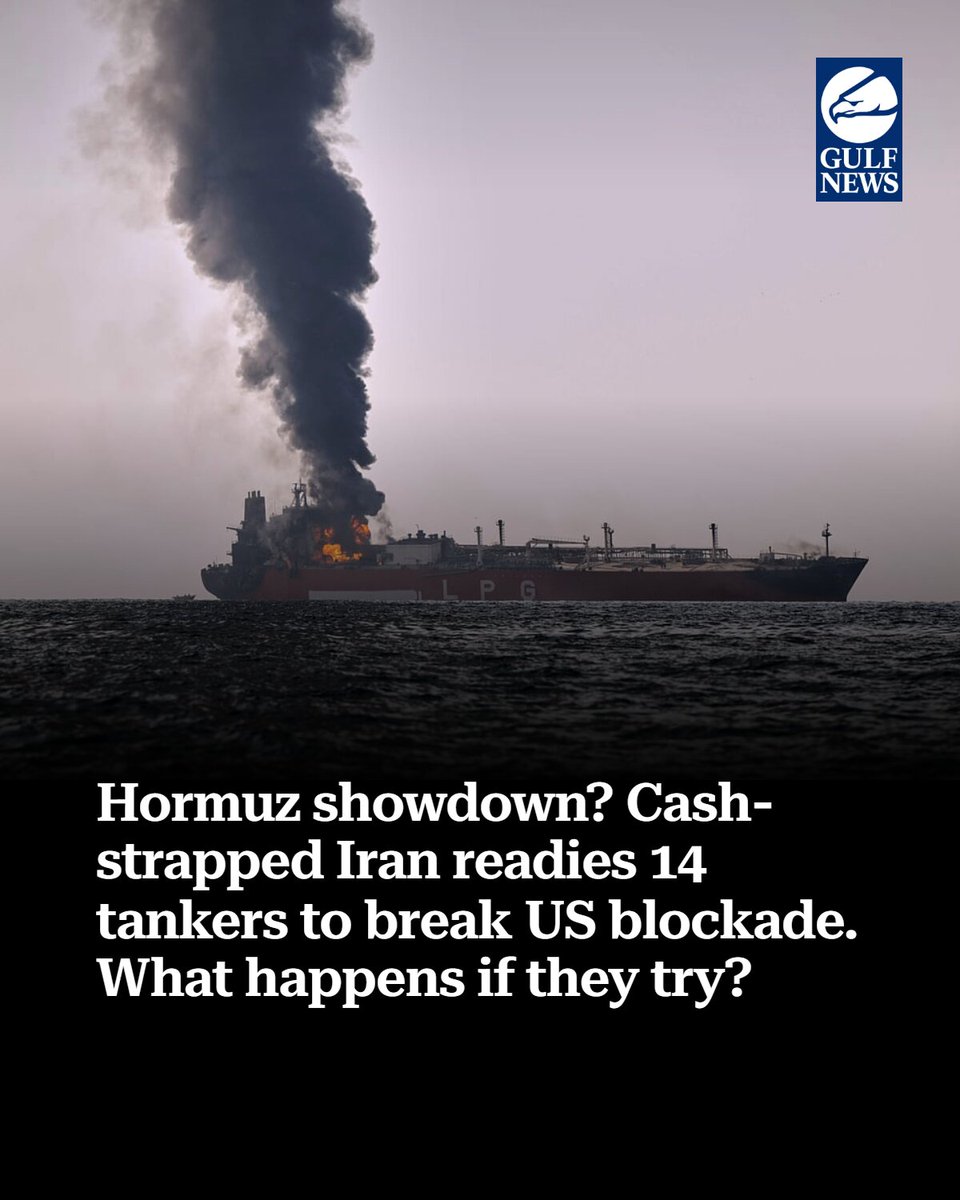
In the Persian Gulf, Iran announced the preparation of a convoy comprising more than 14 oil tankers intended to test the United States Navy’s blockade of the waterway. The development was detailed by the monitoring channel monitor_the_situation (source) at 02:46 UTC. The convoy is positioned in international waters between Iran and Saudi Arabia, a strategic chokepoint for global energy shipments.
"IRGC‑linked media threaten attacks on Gulf energy infrastructure."
The Islamic Revolutionary Guard Corps (IRGC) is cited as the coordinating body behind the convoy, signaling Tehran’s willingness to confront U.S. naval dominance directly. No weapons were reported as being deployed with the tankers, but the mere presence of the convoy is interpreted as a geopolitical lever aimed at pressuring the United States and its regional allies.
The United States Navy has not publicly responded to the convoy announcement as of the time of writing, but historical precedent suggests a heightened risk of naval encounters, especially given recent incidents involving Iranian fast‑attack craft and U.S. destroyers.
Iraqi Security Forces Target Kataib Hezbollah Strongholds
At 00:59 UTC, Iraqi security forces seized key checkpoints within a long‑standing Kataib Hezbollah stronghold, according to the same monitor_the_situation channel (source). The operation represents a direct challenge to the influence of Iranian‑backed militias in Iraq, a dynamic that has complicated Baghdad’s efforts to assert sovereign control over its territory.
Kataib Hezbollah, a Shiite militia with close ties to Tehran’s IRGC, has historically operated semi‑autonomously in the western provinces of Iraq. The seizure of checkpoints disrupted militia logistics and demonstrated the Iraqi government’s intent to re‑assert authority, even as it navigates a delicate balance with Iran.
No casualties were reported in the brief, and the operation reportedly involved standard infantry units without heavy weaponry. The move may also be interpreted as Baghdad’s response to broader regional pressures, including the Iranian convoy and Saudi air operations, which have heightened the strategic calculus for all actors involved.
Implications for Regional Stability
The convergence of these four high‑intensity events on a single day underscores a multi‑front escalation that could destabilize the broader Middle East. Saudi Arabia’s renewed air campaign in Yemen signals a willingness to intensify pressure on the Houthi movement, potentially drawing in Iranian support for the rebels. Simultaneously, Israel’s continued bombardment of Gaza aligns with its broader security doctrine but risks further international condemnation and humanitarian fallout.
Iran’s maritime maneuver, while framed as a commercial convoy, functions as a strategic signal to the United States and its Gulf allies, illustrating Tehran’s capacity to leverage energy routes as a coercive tool. The Iraqi crackdown on Kataib Hezbollah reflects Baghdad’s attempt to curtail Iranian militia influence, a move that could provoke retaliatory actions from Tehran‑aligned groups.
Collectively, these actions illustrate a pattern of state and non‑state actors employing kinetic force to achieve political objectives, raising the probability of inadvertent escalation. Diplomatic channels remain active, but the rapid succession of military operations suggests that negotiations will face significant headwinds.