On 22 November 2026 Ukraine experienced a surge of kinetic attacks, with Russian‑launched drones, missiles and artillery striking civilian and strategic targets across the country. The most consequential incident was a Russian drone strike in the Kyiv region that left at least fourteen people missing, underscoring the continued vulnerability of densely populated areas even as the front lines stabilize.
Kyiv Region Drone Strike Leaves Fourteen Missing
At 10:46 UTC, a Russian‑operated unmanned aerial vehicle (UAV) impacted a multi‑storey building in Kyiv Oblast, creating a large debris field that emergency crews are still clearing. Fourteen individuals remain unaccounted for, according to Ukrainian President Volodymyr Zelenskyy’s office, which cited footage from local responders showing rescuers navigating a “massive pile of rubble” with ladders and crane platforms. The strike employed a conventional reconnaissance‑type drone, though the exact model was not disclosed. No official casualty figures beyond the missing have been released, but the incident highlights the persistent threat of low‑altitude UAVs in urban zones.
“Our teams are working around the clock to locate the missing and provide medical aid to the injured,” a spokesperson for the Kyiv Emergency Service said, as reported by The Jerusalem Post.
Combined UAV and Ballistic Missile Assault in Dnipropetrovsk Oblast
Later that morning, at 10:57 UTC, Dnipropetrovsk Oblast endured a coordinated attack involving both UAVs and a ballistic missile. The strike killed three civilians, including a child, and injured sixty‑nine others, according to the regional emergency services. The weapons used were identified as a Russian‑manufactured UAV and a short‑range ballistic missile, though the missile type was not specified. The attack contributed to a cumulative toll of thirty‑two deaths and 193 injuries across the oblast in the preceding 24 hours. Infrastructure damage was reported at several residential blocks and a local school, compounding the humanitarian impact.
“The combined use of UAVs and ballistic missiles reflects an escalation in tactics aimed at civilian centers,” the monitoring group CITeam noted on Telegram.
Missile Strike on Lviv’s Sknylov Railway Station and Aircraft Repair Plant
At 06:58 UTC, a missile struck Lviv, hitting the Sknylov railway station and a nearby aircraft repair facility. The projectile, identified by local observers as a cruise missile, caused extensive structural damage to the station’s cargo handling area and disabled the repair plant’s main assembly line. No fatalities were reported, but several workers sustained injuries requiring hospitalization. The attack coincided with a broader bombardment campaign targeting western Ukrainian logistics hubs, aiming to disrupt supply routes for both civilian and military cargo.
Video evidence of the strike was circulated by Intelslava, showing smoke and debris at the railway site.
Odesa Power Grid Severely Damaged
In the southern port city of Odesa, Russian forces launched a series of artillery and missile attacks that inflicted “serious damage” on the regional power grid, according to Ukrenergo, the state electricity operator. The outages began at 14:13 UTC and affected over 200,000 households, prompting emergency repairs under ongoing air‑raid alerts. The attacks targeted high‑voltage transmission lines and substations, reducing the city’s capacity to support critical services, including hospitals and water treatment facilities.
“Restoration crews are working around the clock, but repeated strikes hinder progress,” Ukrenergo said in a statement posted on Telegram.
Kiev’s Right‑Bank Water Supply Disrupted
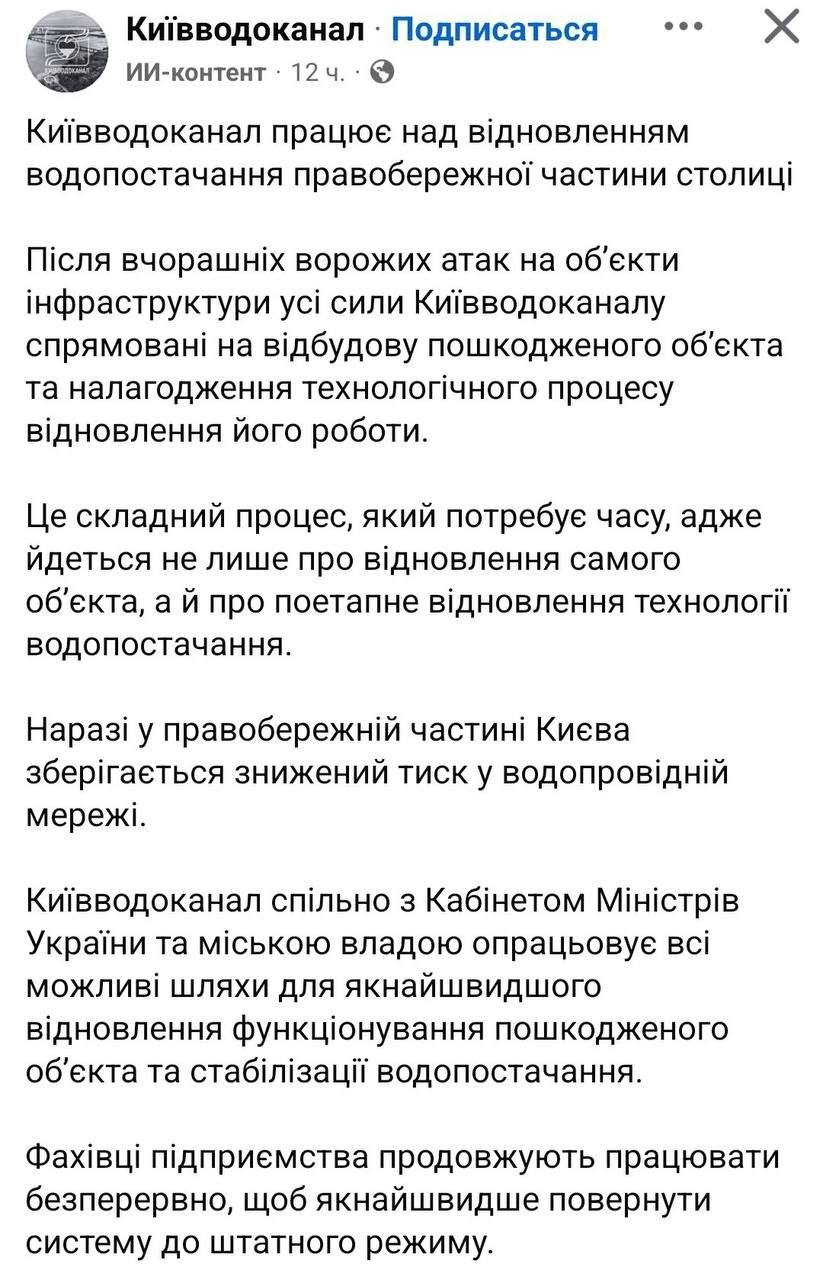
Following a separate shelling incident on 21 November, Kiev’s right‑bank water infrastructure remained largely inoperable on 22 November. Kievvodokanal reported that a water treatment facility sustained “serious damage” from artillery fire, limiting supply to a fraction of the city’s demand. Residents continued to rely on water tankers, many of which were not yet distributed to courtyards. The disruption persisted despite partial restoration efforts, highlighting the cumulative effect of repeated kinetic strikes on essential services.
“The lack of water is a direct consequence of targeted shelling of our facilities,” a Kievvodokanal official told Intelslava.
Additional Kinetic Incidents Across Ukraine
Other notable attacks on 22 November included:
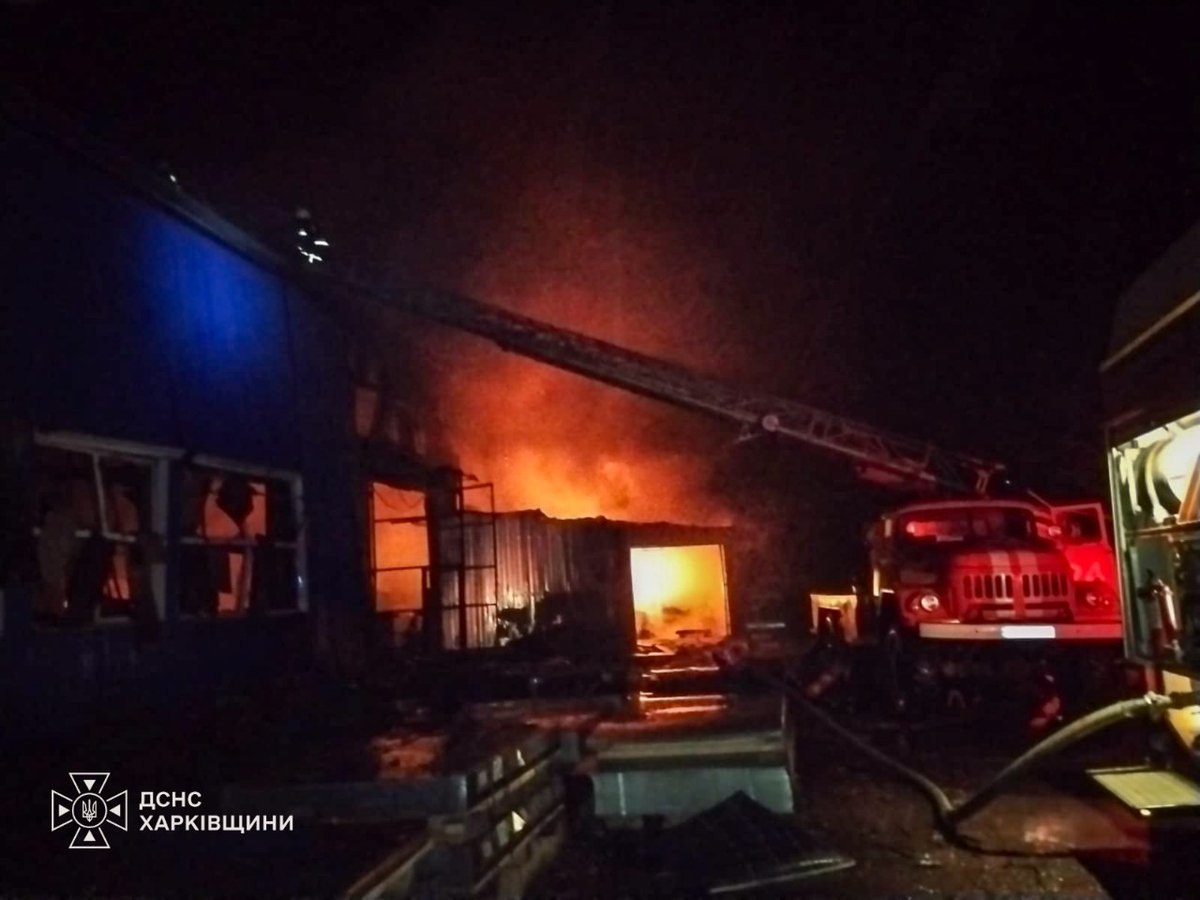
- Lozova, Kharkiv Oblast: Russian Geran‑4 jet‑drone strikes damaged a large warehouse complex at 07:22 UTC, compromising stored agricultural supplies.
- Zaporizhzhia: A Russian drone attack near Kyiv killed two civilians, while artillery fire in Zaporizhzhia killed one, prompting President Zelenskyy to request additional Patriot air‑defence missiles from the United States.
- Land corridor to Crimea: Ukrainian forces successfully hit a Russian fuel tanker with a medium‑range strike drone, disrupting logistics on the critical supply route.
These incidents collectively illustrate a pattern of high‑intensity, low‑altitude kinetic operations aimed at civilian infrastructure, logistical nodes and population centers.
Strategic Implications
The concentration of UAV and missile attacks on urban and critical infrastructure suggests a Russian strategy to erode civilian morale and strain Ukraine’s emergency response capacity. The repeated targeting of water, power and transport assets complicates reconstruction efforts and may force the Ukrainian government to reallocate resources from frontline operations to domestic crisis management. International partners, including the United States, have been urged to accelerate delivery of advanced air‑defence systems, such as Patriot missiles, to mitigate the UAV threat.