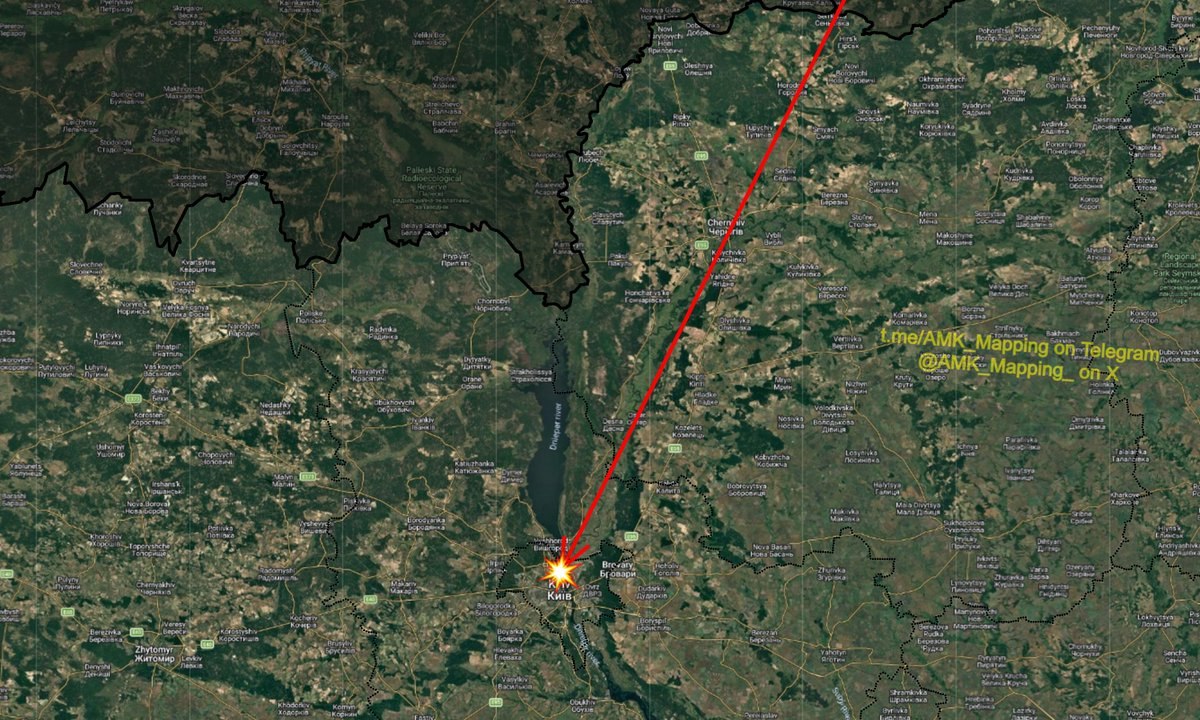
At 05:13 UTC on 21 November 2026, Russian forces launched one to two Oniks‑M cruise missiles from launchers positioned near Klintsy in Bryansk Oblast, striking the northern sector of Kyiv close to the Dnieper Bridge. The attack, reported by the Telegram channel monitor_the_situation, marks the first documented use of the Oniks‑M system from this direction, expanding the missile’s known deployment beyond Kursk Oblast and Crimea. No immediate casualty figures were released, but the strike targeted critical transport infrastructure and underscored Moscow’s intent to pressure the Ukrainian capital with long‑range precision weapons.
"Oniks‑M Missiles Strike Northern Kyiv Near Dnieper Bridge" – monitor_the_situation, 2026‑11‑21T05:13:56
Eastern Front: Sequential Village Captures in Kharkiv Oblast
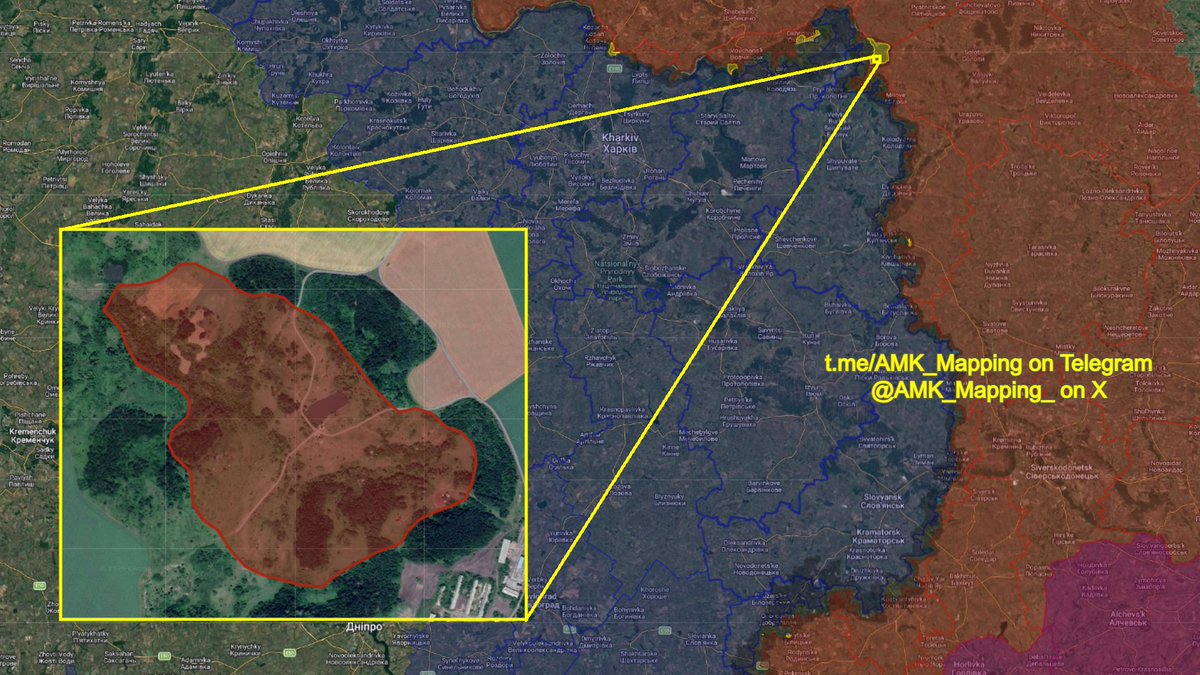
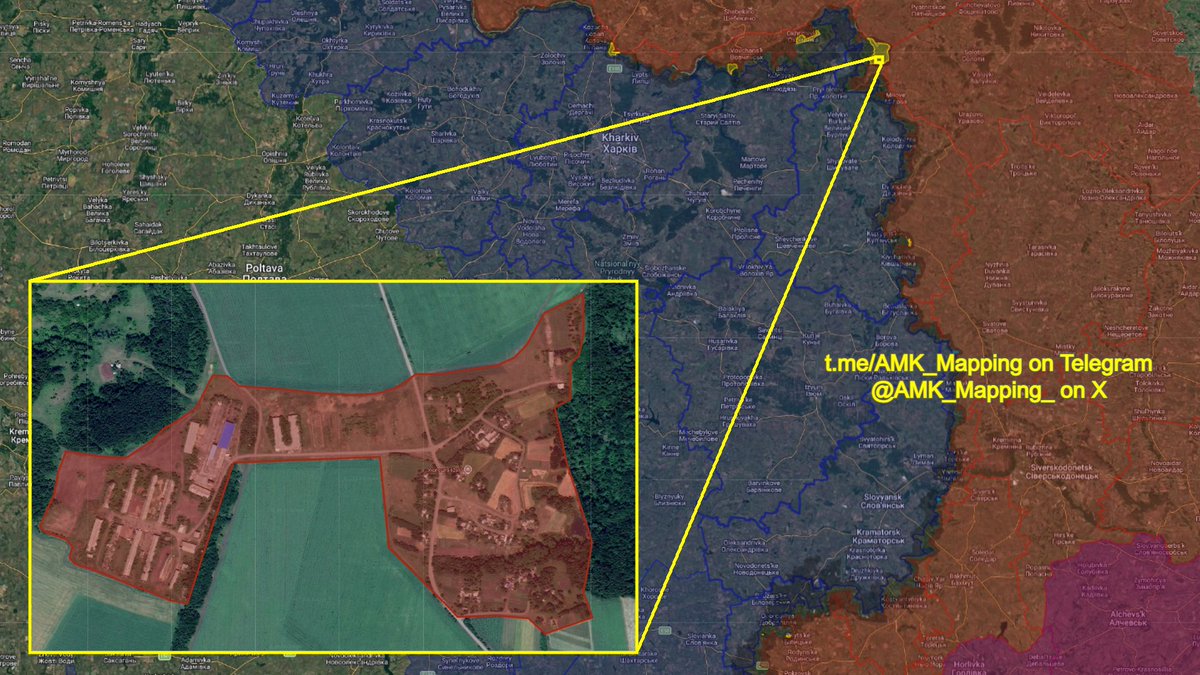
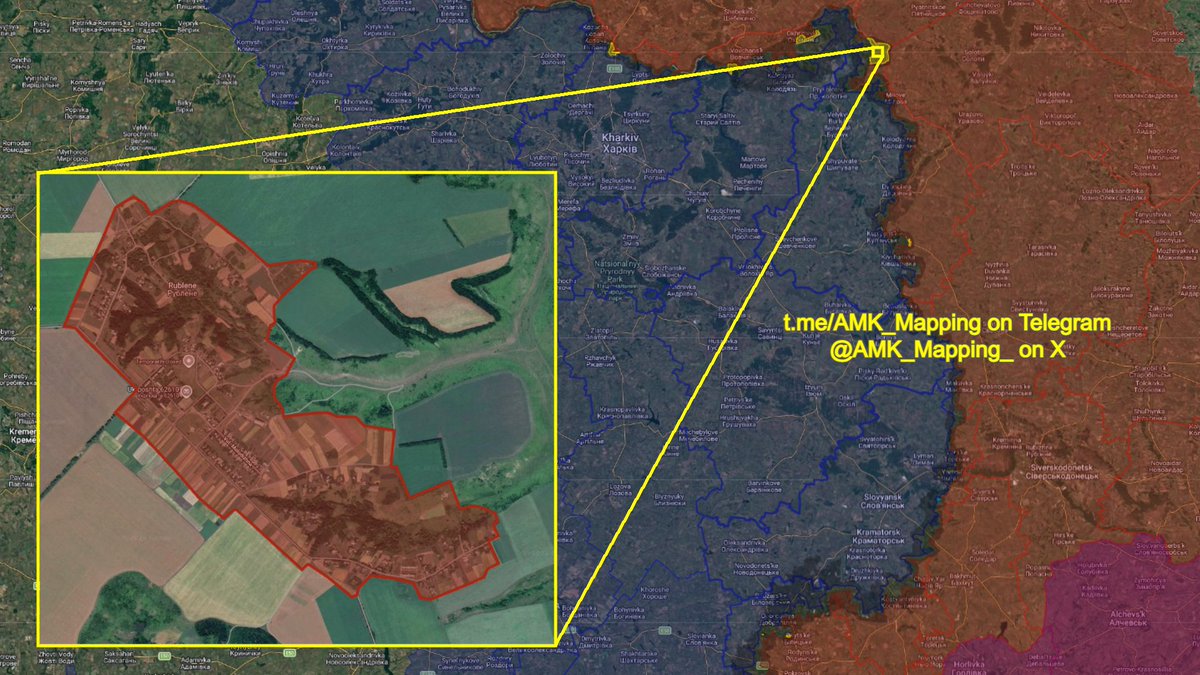
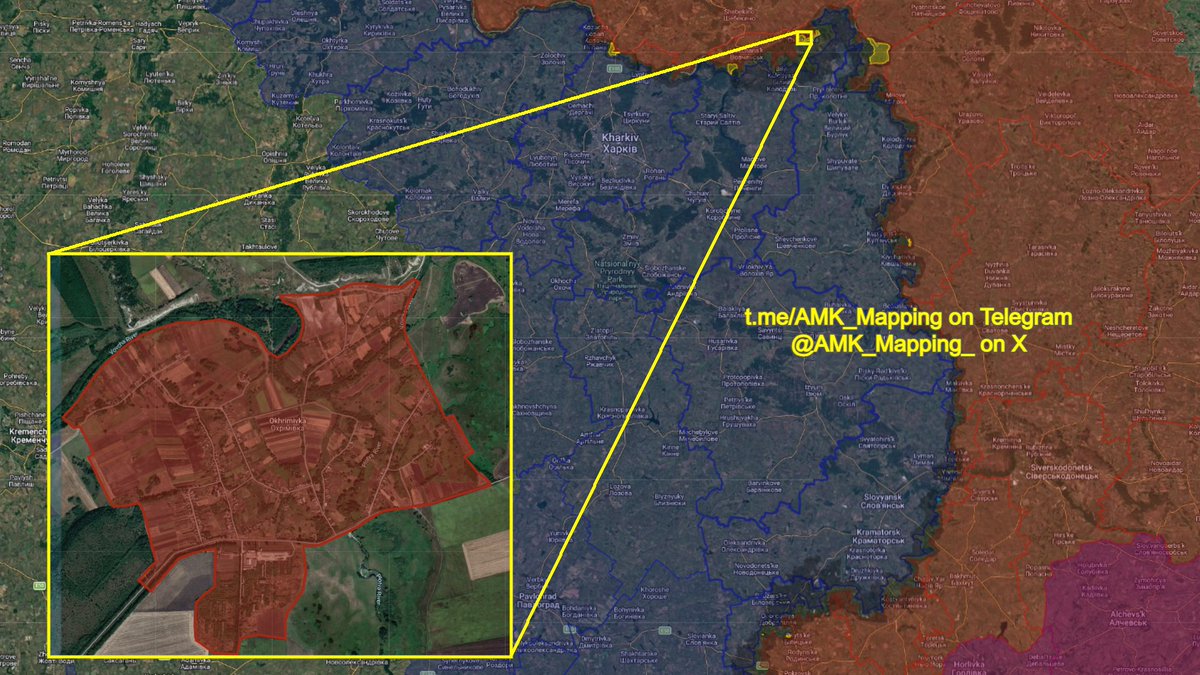
Within the same early‑morning window, Russian ground units reported the seizure of five villages in the Kupyansk and Chuhuiv districts of Kharkiv Oblast. The sequence began at 03:08 UTC with the capture of Okhrimivka in the Chuhuiv district, a settlement of roughly 400 residents that had endured seven months of combat. At 03:15 UTC Russian forces took Rublene, a larger village of about 680 pre‑war inhabitants, after less than two weeks of fighting. The advance continued with the fall of Bereznyky at 03:19 UTC (population ≈ 66) and Ozerne at 03:23 UTC (population ≈ 20), both villages having resisted for six weeks and less than a month respectively. The final reported gain was the village of Rublene, confirming a rapid consolidation of Russian positions along the eastern axis.
"Russian troops captured the village of Ozerne in the Kupyansk District after about six weeks of fighting" – monitor_the_situation, 2026‑11‑21T03:23:06
All five settlements lie within a 15‑kilometre corridor stretching from the Russian border toward the strategic city of Kupyansk. The captures were achieved without reported use of heavy artillery or air support, suggesting a combination of infantry infiltration, local reconnaissance, and possible exploitation of Ukrainian defensive fatigue. The villages, though small, provide incremental control over road networks that facilitate logistics for further offensives toward the larger urban centre of Kharkiv.
Ukrainian Counter‑Operations: Drone Raid on Russian Industrial Targets
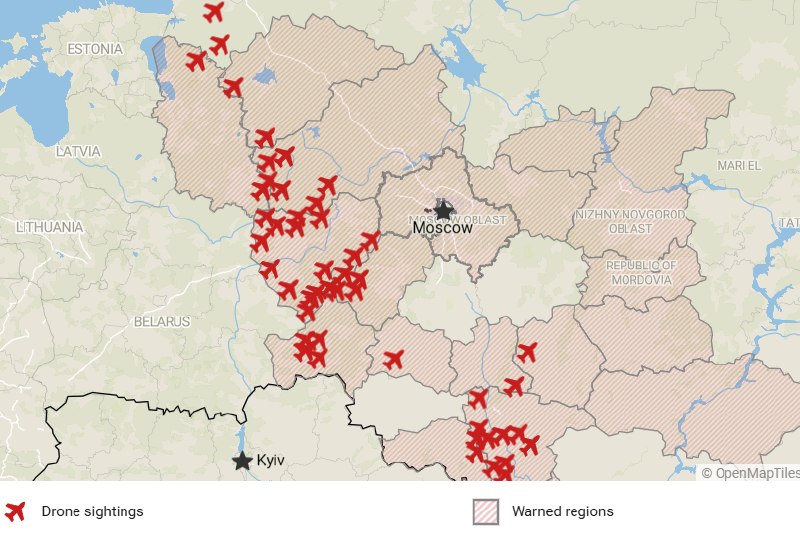
In a parallel development, Ukrainian forces launched a coordinated drone operation targeting the St Petersburg metropolitan area and the Ust‑Luga oil export terminal in north‑western Russia. Dozens of unmanned aerial systems were reported heading toward the two sites at 01:39 UTC, as documented by monitor_the_situation. While the exact payloads and damage assessments remain unverified, the raid demonstrates Kyiv’s expanding capability to strike high‑value economic infrastructure deep within Russian territory, a tactic that has intensified since the conflict’s third year.
"Ukrainian forces launch a drone raid into western Russia, with dozens of drones heading toward the St. Petersburg area and the Ust‑Luga oil export terminal" – monitor_the_situation, 2026‑11‑21T01:39:09
Operational Context and Strategic Implications
The simultaneous execution of a long‑range missile strike on Kyiv and a series of ground advances in Kharkiv reflects a coordinated Russian strategy aimed at stretching Ukrainian defensive resources across multiple fronts. The Oniks‑M deployment from Bryansk indicates a broadened missile launch envelope, potentially complicating Ukrainian air‑defence allocation. Meanwhile, the rapid village captures suggest that Russian forces are exploiting gaps in Ukrainian front‑line cohesion, possibly leveraging local militia support or exploiting supply‑line disruptions.
Ukraine’s drone raid, while not directly linked to the eastern offensives, signals a reciprocal escalation in the conflict’s reach. By targeting the Ust‑Luga terminal—one of Russia’s primary oil export hubs—Kyiv aims to impose economic costs that could constrain Moscow’s ability to sustain prolonged high‑intensity operations. The raid also serves a symbolic purpose, demonstrating that Ukrainian forces can project power beyond the immediate combat zone.
Casualty and Damage Assessment
As of the reporting time, official casualty numbers for the Kyiv missile strike have not been disclosed. The lack of immediate reports may indicate limited civilian impact, though infrastructure damage to the Dnieper Bridge could disrupt traffic and logistics. In Kharkiv, the village captures have not been accompanied by reported combat losses, but the cumulative effect of six weeks of fighting in Ozerne and shorter engagements elsewhere suggests a likely toll on both combatants and local civilians.
Future Outlook
Analysts anticipate that Russian command will seek to capitalize on the momentum gained in Kharkiv by advancing toward larger population centres such as Kupyansk and potentially the city of Kharkiv itself. Ukrainian forces are expected to reinforce defensive lines, possibly reallocating air‑defence assets to counter further Oniks‑M launches. The ongoing drone campaign against Russian industrial sites may intensify, prompting Moscow to bolster its own air‑space security and consider retaliatory strikes against Ukrainian energy infrastructure.
Overall, the events of 21 November illustrate a pronounced escalation on both sides, with Russia expanding its missile reach and ground foothold, while Ukraine demonstrates an ability to strike deep into Russian territory. The interplay of these actions will shape operational priorities for the coming weeks, particularly regarding force allocation, civilian protection, and the broader strategic calculus of the eastern front.