On 21 November 2026 at 17:20 local time, a Russian missile strike hit Kryvyi Rih in Dnipropetrovsk Oblast, killing two civilians and wounding approximately 60. The attack targeted a densely populated residential area in the city that is also the birthplace of President Volodymyr Zelenskyy, underscoring the symbolic weight of the strike. According to AlJazeera, the missiles were launched by the Russian Armed Forces as part of a broader wave of kinetic operations aimed at degrading Ukraine’s civil infrastructure and morale.
"Russian strike kills two, wounds 60, in Zelenskyy’s hometown" – AlJazeera, 21 November 2026.The strike employed conventional ballistic missiles, though the exact type was not disclosed. The incident follows a pattern of high‑intensity missile use that has intensified since the start of the year, and it coincides with reports of Russian projectiles landing in NATO member Poland, raising concerns about regional spill‑over.
Wider Missile Activity and Regional Implications
The Kryvyi Rih strike occurred hours after Russian missiles were reported to have impacted Polish territory near the border, prompting NATO to issue a formal statement condemning the violation of allied airspace. Simultaneously, diplomatic channels led by the United States reported a slowdown in peace‑building initiatives, reflecting the destabilising effect of such kinetic actions on diplomatic momentum. The convergence of high‑profile strikes in both Ukraine and a NATO state illustrates a strategic calculus by Moscow to pressure both Kyiv and its Western supporters.
Targeting of Logistics and Energy Nodes in Western Ukraine
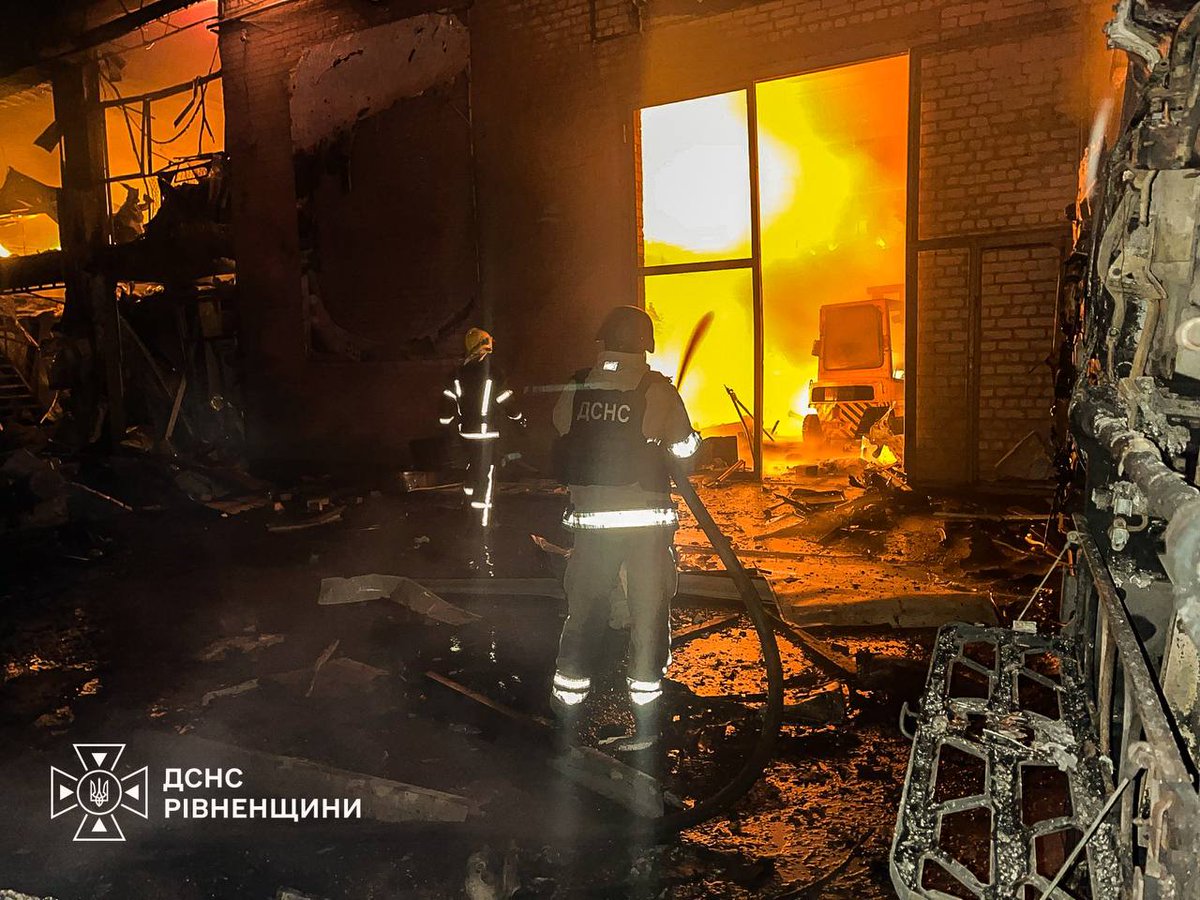
Earlier in the day, at 06:48, Russian forces struck a truck depot and an electrical substation in Sarny, Rivne Oblast. The coordinated attack caused widespread power outages across the city and surrounding settlements, disrupting both civilian life and the movement of humanitarian aid. The incident was documented by the Telegram channel monitor_the_situation, which posted photographic evidence of the damaged depot and substation infrastructure. No casualties were reported, but the loss of logistical capacity is significant given Sarny’s role as a transport hub for western Ukraine.
Intensified Aerial Assaults on Zaporizhzhia
Between 06:45 and 07:00, Russian aerial assets deployed a combination of KAB glide‑bombs and Geran‑2/4 drones against Zaporizhzhia city. Monitoring sources recorded at least ten KAB glide‑bomb impacts and three Geran‑2/4 drone strikes within an 18‑hour window. The glide‑bombs, which are precision‑guided, caused structural damage to residential blocks and industrial facilities, while the drones contributed to secondary fires and injuries among civilians. Video footage shared by monitor_the_situation shows the distinctive flight paths of the KAB weapons, confirming the use of advanced Russian munitions in urban environments.
Repeated Drone Attacks on Haisyn and Rail Infrastructure
At 06:50, the city of Haisyn in Vinnytsia Oblast endured a series of attacks by Russian Geran‑4 jet‑drones. Residents reported loud explosions and a persistent buzzing sound, though the specific target of the strikes remains unidentified. The same drone model was later observed over Dnipro and Kryvyi Rih, where it struck five locomotives, inflicting damage on rail tracks and rolling stock. The disruption of rail logistics hampers the movement of both military supplies and civilian freight, amplifying the strategic impact of these UAV operations. Video evidence posted on the same Telegram channel illustrates the drones hovering low over railway yards before releasing their payloads.
Ground Advancement in Kharkiv Oblast
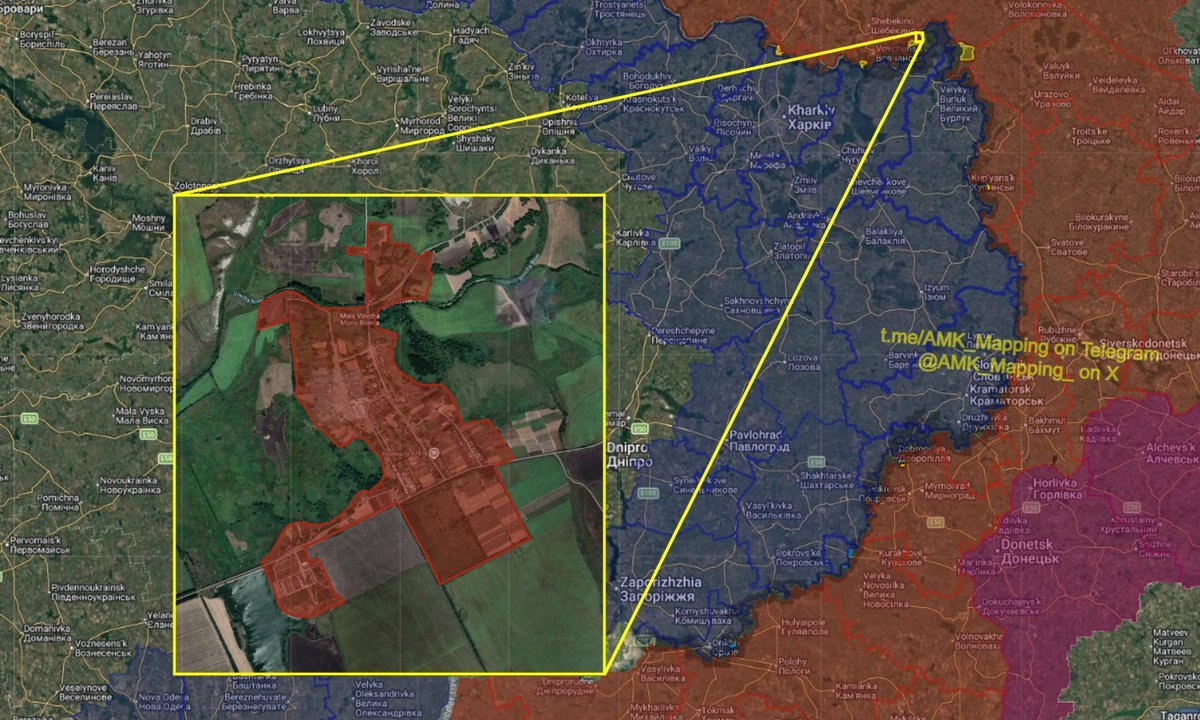
In a separate development, Russian ground forces captured the village of Mala Vovcha in the Chuhuiv District of Kharkiv Oblast at 07:11. The village had been contested for roughly two months, and its fall represents a modest but notable territorial gain for Moscow in the eastern theatre. Photographs released by monitor_the_situation show Russian infantry establishing defensive positions within the settlement. While the capture did not involve reported casualties, it reflects ongoing efforts by Russian forces to consolidate control over peripheral settlements, potentially to secure supply routes toward larger urban centers.
Analytical Summary
The coordinated kinetic events of 21 November demonstrate a multi‑domain Russian strategy that blends high‑impact missile strikes, persistent UAV assaults, and limited ground advances. The targeting of Kryvyi Rih, a symbolic location, alongside attacks on logistics hubs in Sarny and rail infrastructure in Dnipro, indicates an intent to erode both civilian morale and Ukraine’s operational capacity. The simultaneous missile incursions into NATO territory further complicate the security environment, raising the risk of broader escalation. Monitoring agencies, including AlJazeera and the Telegram channel monitor_the_situation, continue to provide real‑time documentation that is essential for assessing the evolving threat landscape.