At 04:32 local time on 21 November 2026, the Saudi‑led coalition reported the successful interception of three Houthi‑launched missiles targeting the capital, Riyadh. The engagement triggered a cascade of emergency alerts across the city, prompting residents to seek shelter and authorities to activate civil defence protocols. The operation, confirmed by Al Jazeera, underscores the heightened threat environment facing Saudi Arabia as the Yemen‑based Houthi movement intensifies its long‑range strike campaign against coalition assets.
"Saudi‑led coalition downs three Houthi missiles headed for Riyadh," Al Jazeera, 21 Nov 2026.
Riyadh missile interceptions
The intercepted projectiles were identified as surface‑to‑air missiles launched from Houthi‑controlled territories in Yemen. Saudi air‑defence systems engaged the threats within minutes of detection, preventing any impact on civilian infrastructure. No casualties were reported, and the coalition’s air‑defence network, which has been upgraded with U.S.‑supplied Patriot batteries, demonstrated operational readiness. The incident follows a similar interception earlier in the day (00:00 UTC) that was also reported by Al Jazeera, indicating a sustained barrage aimed at undermining Saudi security.
Iran downing U.S. MQ‑9 drone
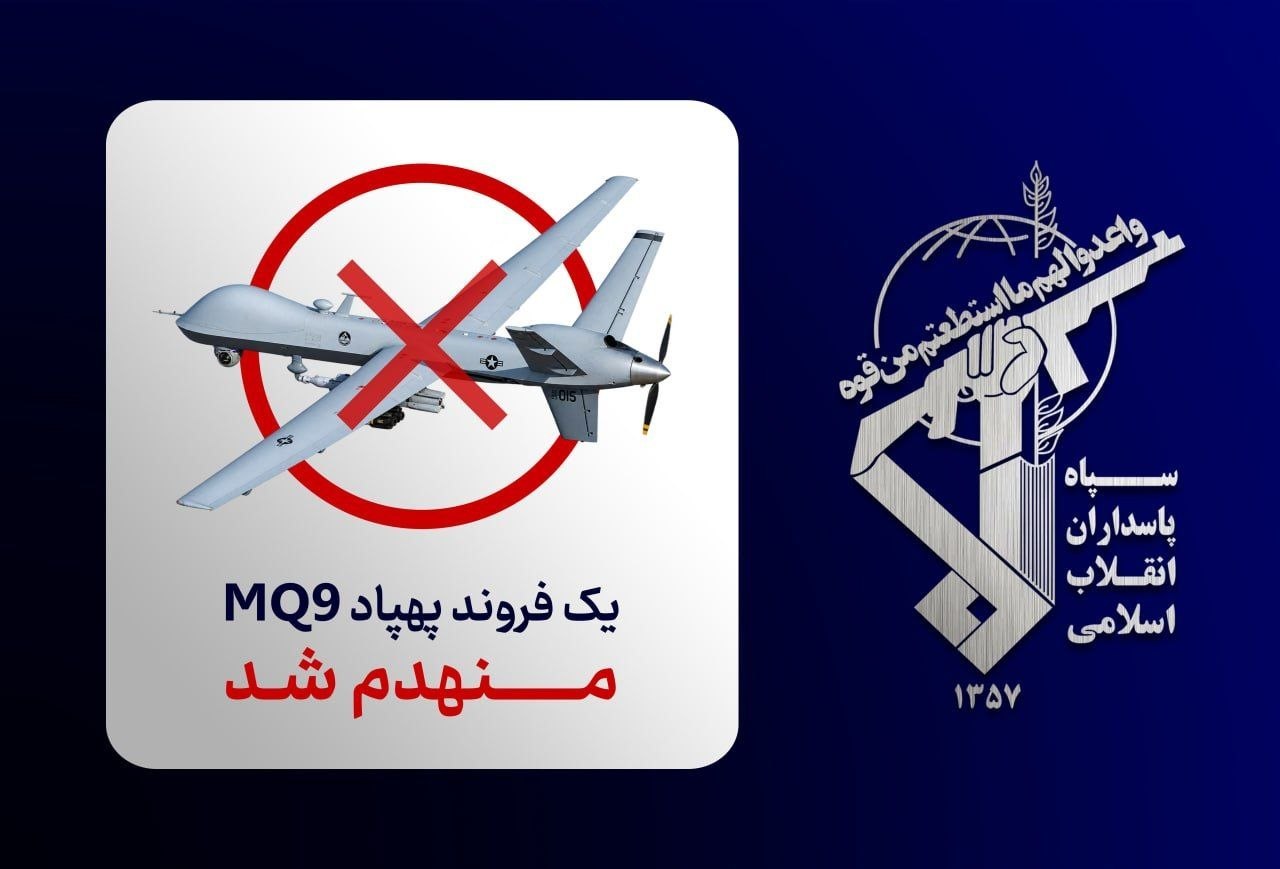
In a separate development, Iran’s Islamic Revolutionary Guard Corps (IRGC) announced the shoot‑down of a United States MQ‑9 Reaper drone over the Strait of Hormuz at 02:39 UTC. The claim, posted on the Telegram channel intelslava, included a photograph of the downed aircraft floating on the water. The MQ‑9, a high‑altitude, long‑endurance unmanned aerial vehicle, had been conducting surveillance missions in the strategically vital waterway. No U.S. personnel were injured, and the United States has not yet issued an official statement, but the incident raises the risk of further aerial confrontations in a region already fraught with naval tensions.
Basrah power station explosion
Meanwhile, in southern Iraq, a large gas explosion erupted at the Al‑Hartha Thermal Power Station in Basrah Governorate at 04:01 UTC. The blast ignited a fire that required the deployment of multiple firefighting teams, as reported by the Telegram channel CIG_telegram. While the initial assessment indicated no immediate fatalities, the explosion disrupted power generation for a significant portion of the governorate, exacerbating already strained electricity supplies. The incident highlights the vulnerability of critical infrastructure in Iraq, where aging facilities and limited safety oversight increase the likelihood of accidental detonations.
Implications for regional security
The convergence of these events on a single day illustrates a broader pattern of escalating volatility across the Gulf and Iraq. The successful interception of Houthi missiles demonstrates Saudi Arabia’s defensive capabilities but also confirms the persistence of missile threats emanating from Yemen. Iran’s downing of a U.S. drone signals a willingness to directly challenge American aerial assets in contested maritime zones, potentially inviting reciprocal actions. In Iraq, the Al‑Hartha explosion, though not a deliberate attack, underscores the fragility of essential services amid ongoing political and sectarian pressures. Collectively, these incidents reinforce the need for heightened vigilance, robust air‑defence postures, and coordinated diplomatic engagement to prevent inadvertent escalation.