On 21 November 2026, Iran’s Islamic Revolutionary Guard Corps (IRGC) engaged several United States platforms in rapid succession, beginning with the interception of a USAF F‑16C fighter jet over Qeshm Island. The aircraft was forced to transmit a distress signal (squawk 7700) and subsequently executed an emergency landing at Al Dhafra Air Base in the United Arab Emirates. Iranian state media IRIB released video footage showing the launch of an air‑defense missile and the jet’s evasive maneuvers, confirming IRGC claims of a successful engagement.
Air Defense Engagement Over Qeshm Island
The incident occurred at 17:24 local time, when Iranian surface‑to‑air systems detected the F‑16C operating in the vicinity of Qeshm Island, Hormozgan Province. According to the CIG_telegram channel, the missile used was a domestically produced air‑defense projectile, though the specific model was not disclosed. No casualties were reported among the crew, and the aircraft landed safely after the emergency diversion. The United States has not yet issued an official statement, but the event marks the first confirmed shoot‑down‑attempt of a manned US fighter by Iranian forces since 2023.
"Iranian air defenses engaged a US F‑16 over Qeshm Island, forcing an emergency landing in the UAE," CIG_telegram, https://t.me/CIG_telegram/87489
Key actors in this episode include the IRGC’s Aerospace Force, the Iranian state broadcaster IRIB, the United States Air Force (USAF), and the United Arab Emirates, which provided the emergency landing site. The engagement underscores Iran’s readiness to employ high‑powered air‑defense missiles against advanced NATO aircraft.
Naval Blockade Enforcement in the Strait of Hormuz
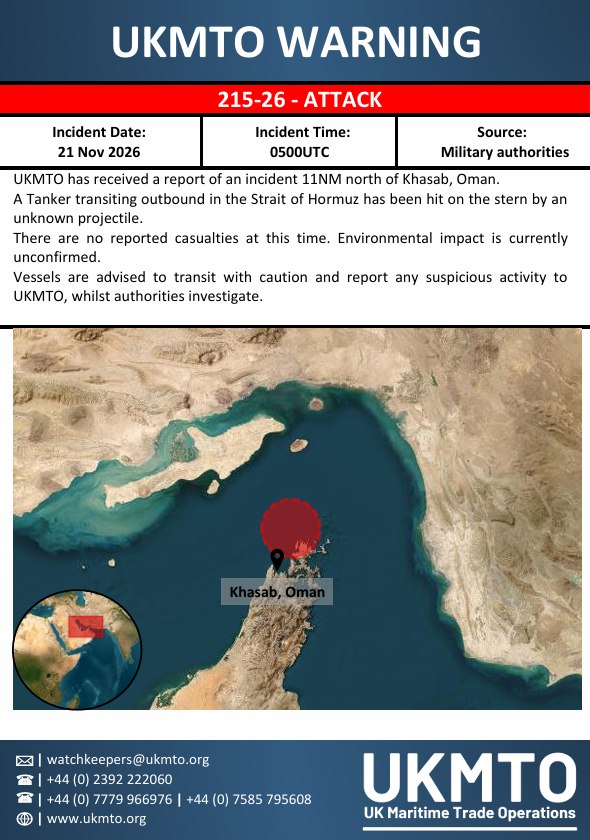
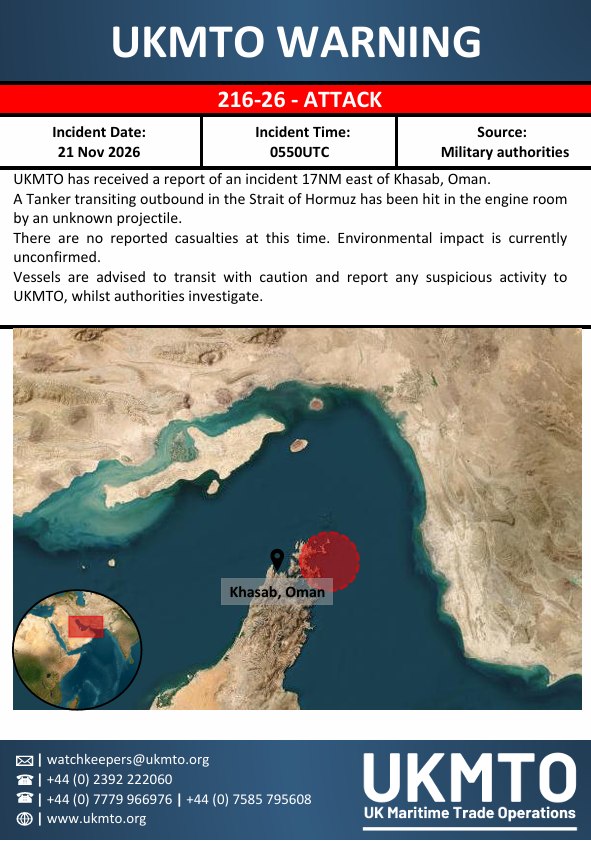
Earlier in the day, at 12:13 local time, Iranian forces intensified their maritime blockade of the Strait of Hormuz, a strategic chokepoint for global oil shipments. Two commercial tankers attempting to breach the blockade were struck, though the reports from GeoPWatch indicate no injuries or significant hull damage. The incidents occurred within the narrow waterway separating Iran and Oman, an area already contested by Iranian naval patrols and international shipping interests.
"Two more tankers have been hit attempting to break the Iranian blockade in the Hormuz," GeoPWatch, https://t.me/GeoPWatch/41963
The lack of reported casualties suggests that the attacks were likely warning shots or low‑intensity strikes aimed at deterring further navigation without escalating to full‑scale naval combat. No specific weapons were identified in the reports, and the responsible Iranian units were not named, reflecting the opaque nature of Iran’s maritime enforcement mechanisms.
Unmanned Aerial System Interceptions
In addition to the manned fighter engagement, Iran reported the downing of two unmanned aerial systems (UAS) on the same day. At 10:23 local time, the IRGC announced the destruction of a USAF MQ‑1C “Reaper” drone over Qeshm Island. The claim, posted by GeoPWatch, did not include casualty figures, as the drone was unmanned, but it highlighted Iran’s capability to target high‑altitude reconnaissance platforms.
Subsequently, at 09:30 local time, the IRGC confirmed the shoot‑down of a separate US drone over the Strait of Hormuz. Al Jazeera reported that the incident coincided with Tehran reiterating its conditions for reopening the waterway, while the United States imposed sanctions on four Iranian individuals alleged to have acted as “oil trustees.” The drone’s type was not specified, but the IRGC’s statement emphasized the use of surface‑to‑air missile systems.
"Iran’s IRGC downs US drone over Hormuz as efforts to end war remain stalled," AlJazeera, https://www.aljazeera.com/news/2026/11/21/irans-irgc-downs-us-drone-over-hormuz-as-efforts-to-end-war-remain-stalled?traffic_source=rss
These UAS interceptions demonstrate a layered defensive posture, integrating both radar‑guided and possibly infrared‑guided missile systems to counter aerial threats across a broad geographic area.
Implications for Regional Security
The coordinated kinetic actions on 21 November illustrate a marked escalation in Iran’s willingness to directly confront US military assets. The successful engagement of a manned fighter jet, combined with multiple drone shoot‑downs and maritime enforcement actions, signals an operational readiness that could affect freedom of navigation and aerial surveillance in the Persian Gulf region.
From a strategic perspective, the incidents may influence US force posture, prompting adjustments in flight routes, rules of engagement, and the deployment of additional electronic warfare assets. The emergency landing of the F‑16 in the UAE also underscores the interconnected nature of regional security, as neighboring states become inadvertent participants in crisis response.
While no fatalities have been reported, the potential for miscalculation remains high. Each kinetic event carries the risk of escalation, particularly given the proximity of US and Iranian forces in contested airspace and maritime corridors. Continued monitoring of IRGC communications and open‑source verification will be essential to assess whether these actions represent isolated incidents or a broader shift toward sustained kinetic engagement.