In the most extensive kinetic operation recorded this week, Russian forces launched a coordinated missile and drone attack that struck at least five major Ukrainian energy facilities, forcing nuclear plants to curtail output and leaving tens of thousands without power. The assault, reported by monitor_the_situation at 07:09:58 UTC, employed dozens of cruise and ballistic missiles alongside unmanned aerial systems, marking a significant escalation in the war’s energy‑targeting campaign.
Scope of the Energy Attack
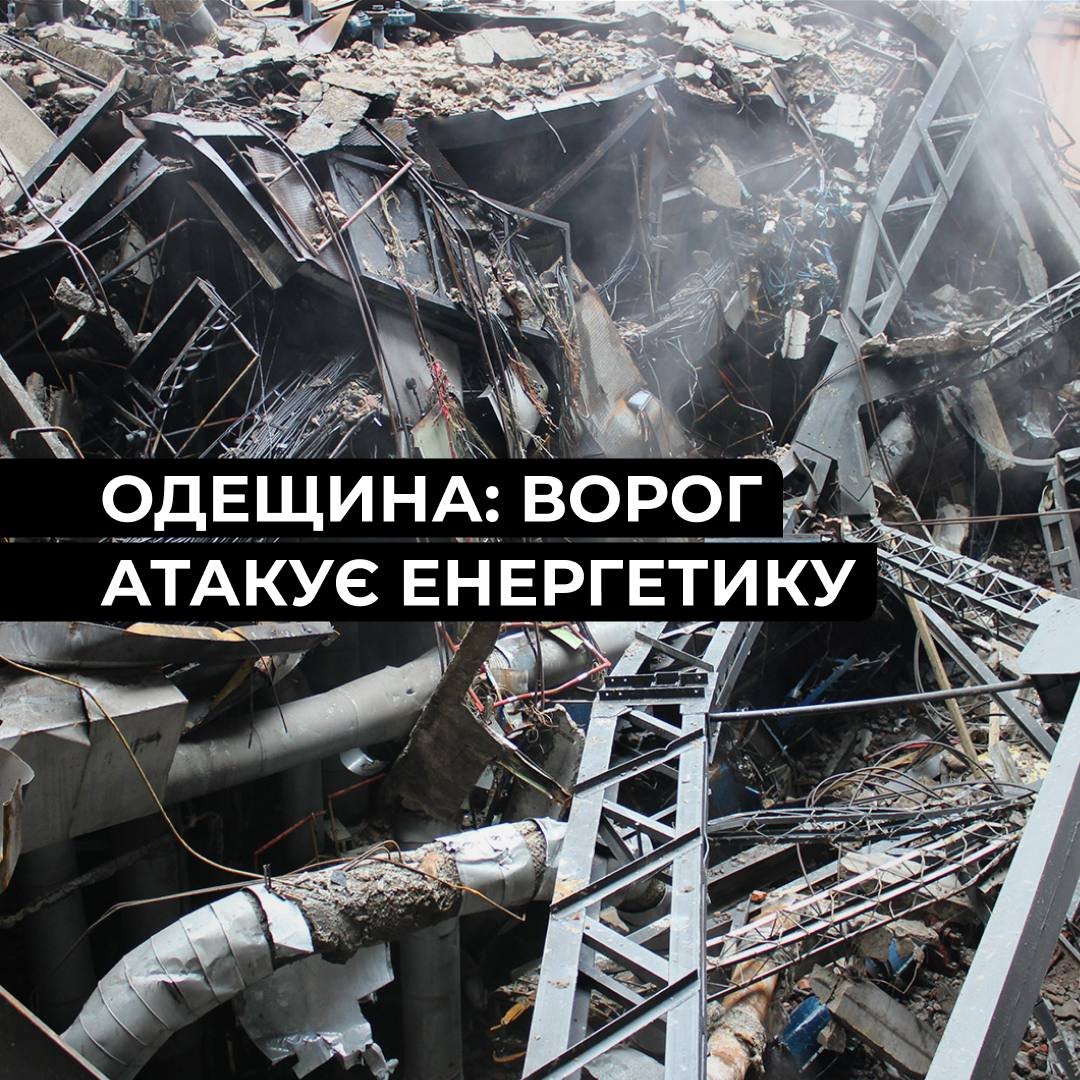
The strike targeted a mix of thermal power plants and high‑voltage substations across the country. While the exact locations remain undisclosed, the impact was evident in multiple regions: Kyiv, Lviv, and Odesa reported immediate outages, and the national grid operator confirmed that nuclear power stations reduced generation to stabilize the system.
"Russian Missiles Strike Five Major Ukrainian Energy Facilities" – monitor_the_situation
Urban and Civilian Impact
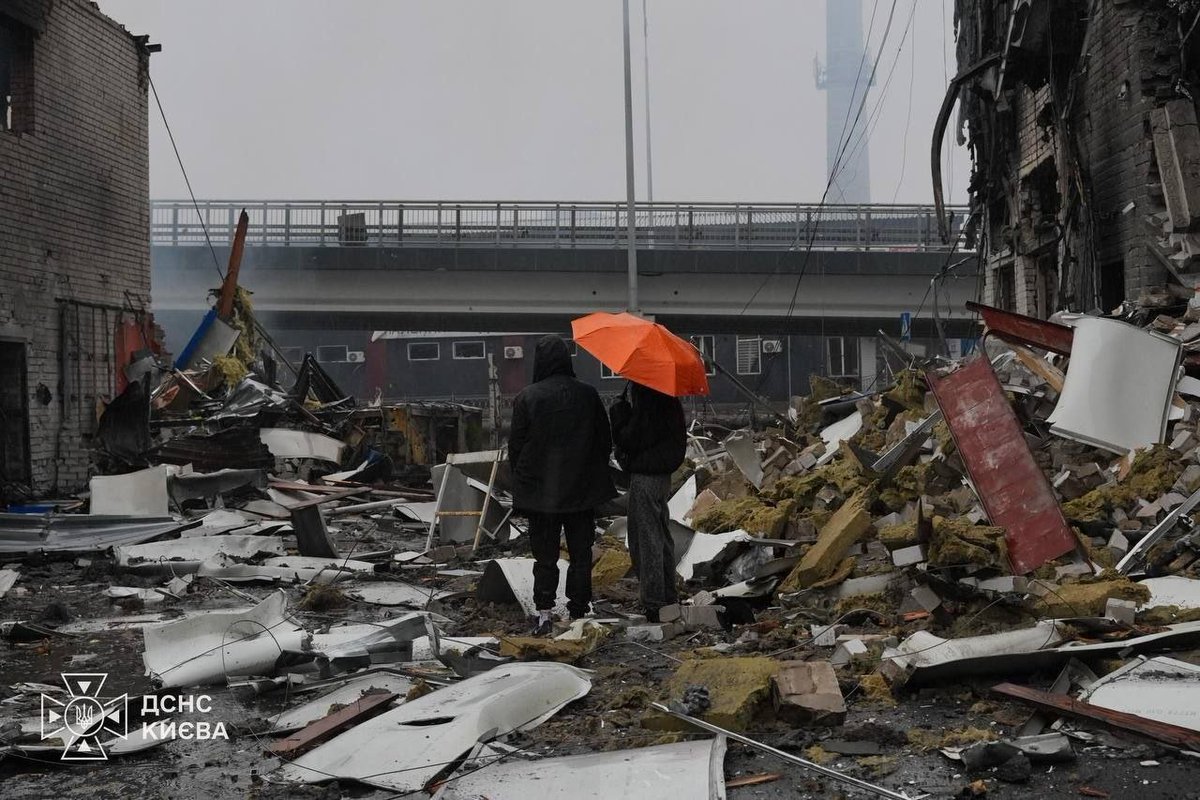
Concurrent with the energy barrage, Russian rockets hit densely populated areas. In Kyiv, a three‑hour rocket barrage at 08:40:19 UTC killed three Kyivvodokanal employees and injured approximately 15 civilians, while causing localized power cuts. Similar attacks in Zhovti Vody and Kryvyi Rih resulted in additional injuries and infrastructure damage.
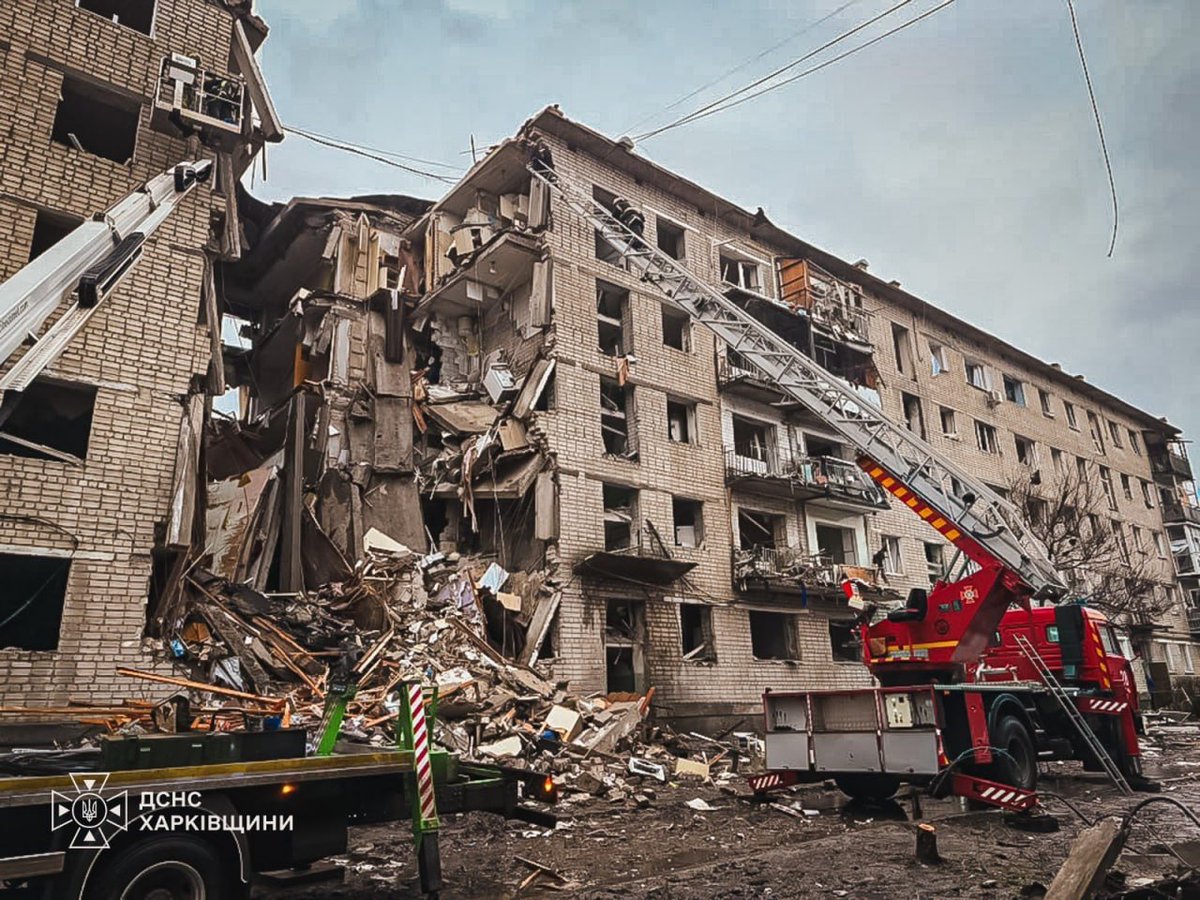
In the Kharkiv region, a rocket strike on an apartment building in Izium at 10:15:43 UTC killed one woman and wounded 22 people, including five children. The State Emergency Service of Ukraine confirmed the casualties and noted that rescue operations concluded by late afternoon.
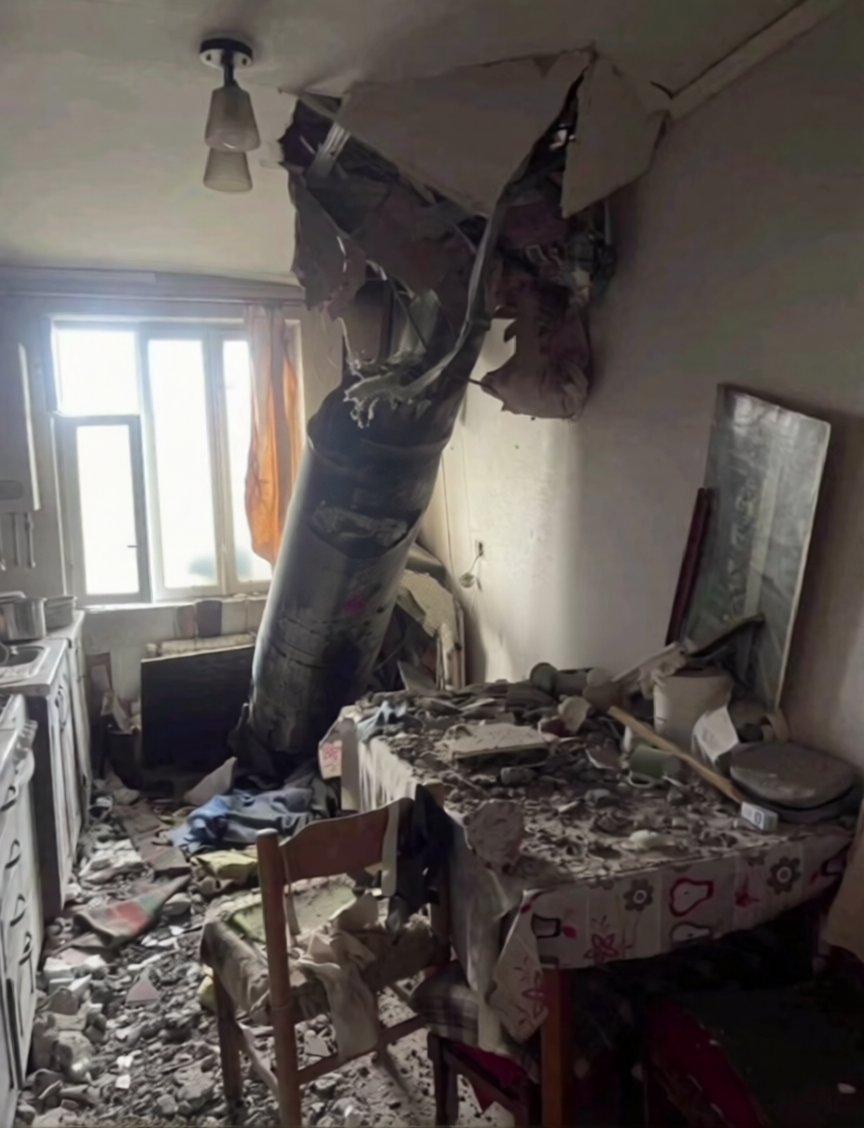
Further south, a missile strike on a residential building in Ivano‑Frankivsk region pierced the roof without detonating, averting a larger casualty count but underscoring the indiscriminate nature of the campaign.
Targeting of Military Assets
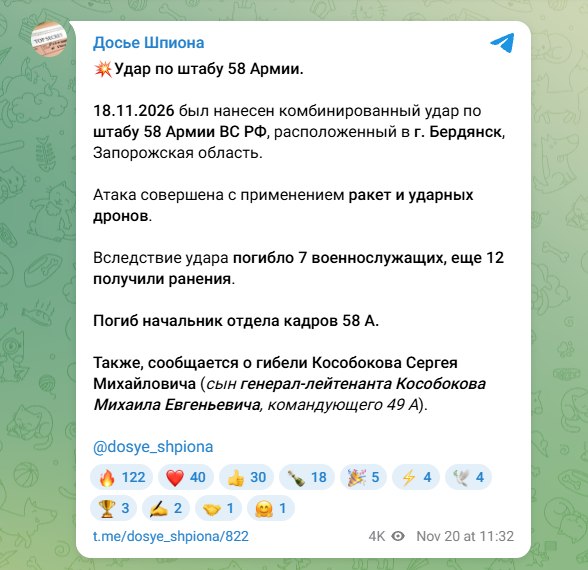
Russian forces also focused on high‑value military installations. At 11:14:21 UTC, a combined missile and drone strike on the 58th Army headquarters in occupied Berdyansk killed seven Russian servicemen and wounded twelve, according to the Russian channel Dosye Shpiona. Earlier, at 08:36:13 UTC, a seven‑hour missile‑drone offensive enveloped Kyiv and western Ukraine, employing ballistic missiles, cruise missiles, and jet‑powered drones. The attack was documented by NOELreports on X.
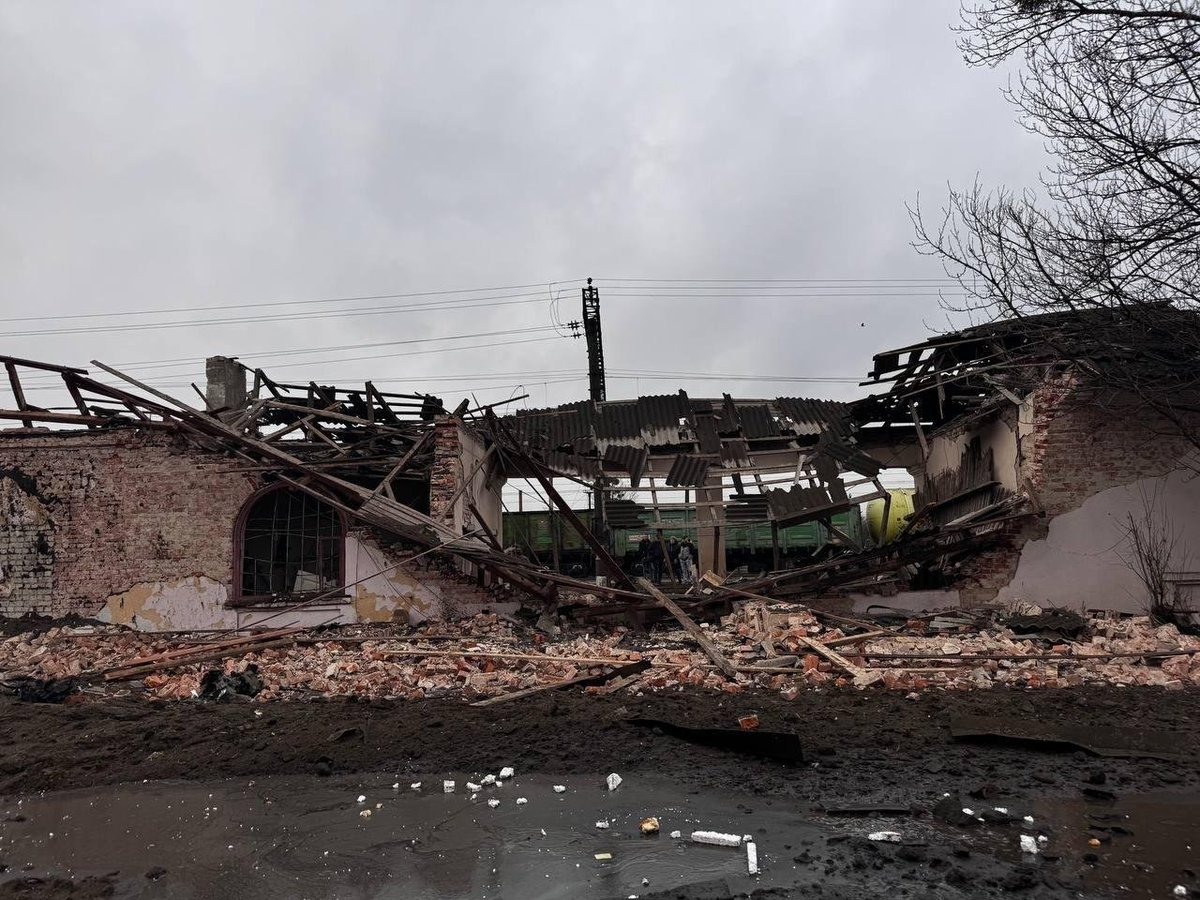
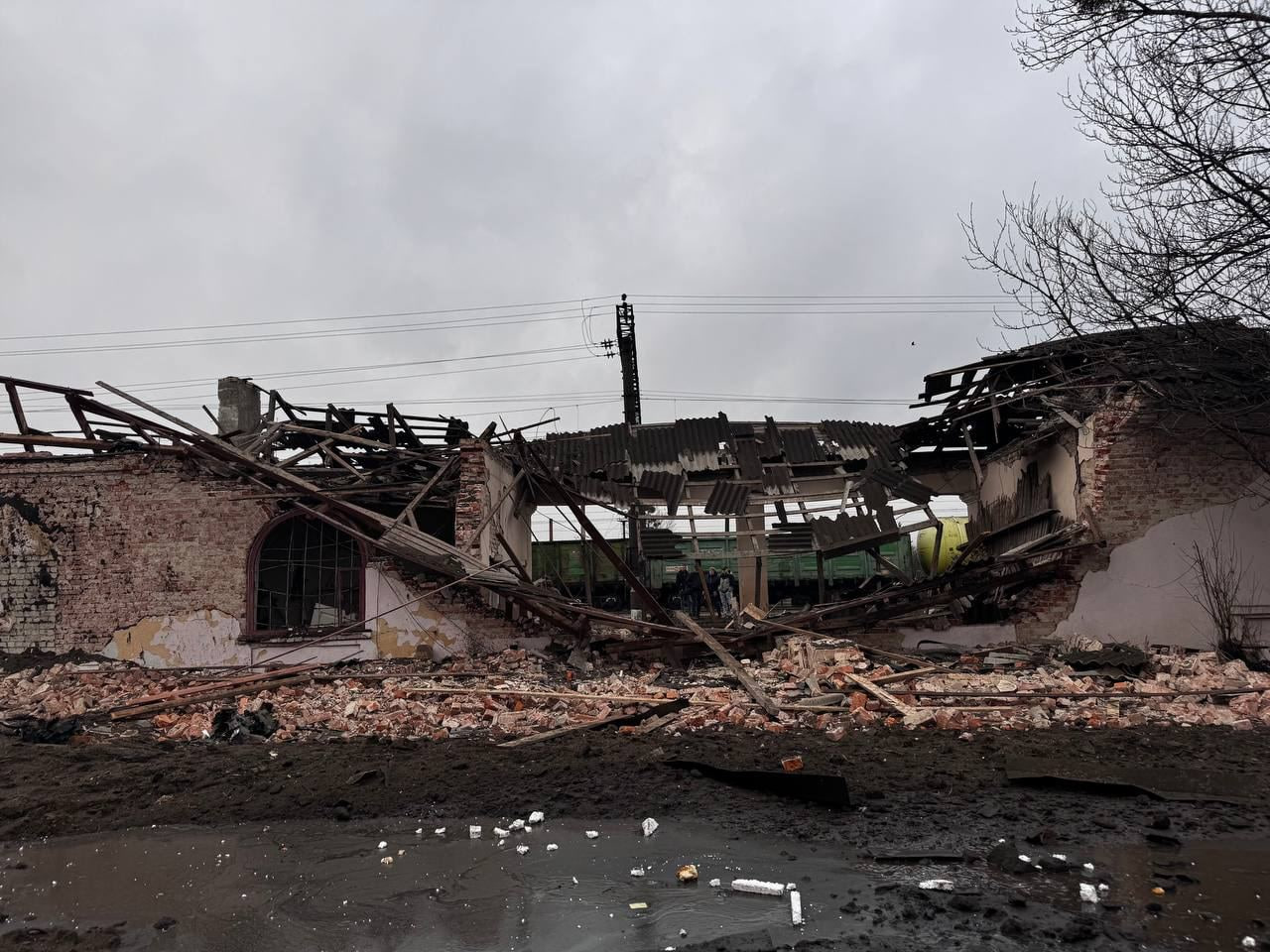
In Lviv Oblast, Kh‑101 cruise missiles struck the Zakhidnoukrainska 750 kV substation at 08:21:18 UTC, disrupting power transmission across the western grid. The same day, a missile hit the Sknyliv railway station terminal in Lviv, destroying critical transport infrastructure.
Air‑Defense and Counter‑Drone Operations
Ukrainian air‑defense systems responded robustly. At 16:52:59 UTC, layered air‑defense assets near Kyiv shot down multiple Russian drones, as reported by BBC and relayed by monitor_the_situation. Earlier, at 07:00:11 UTC, Russian Geran‑4 jet‑drones attacked Kryvyi Rih, prompting immediate anti‑aircraft fire.
Ukrainian forces also conducted offensive drone operations. On 13:15:54 UTC, the 429th Achilles Brigade deployed Vampire heavy‑bomber drones to strike a Russian PTS‑2 amphibious vehicle near Vovchansk, killing one and wounding two soldiers.
Ukrainian Counteroffensive Progress
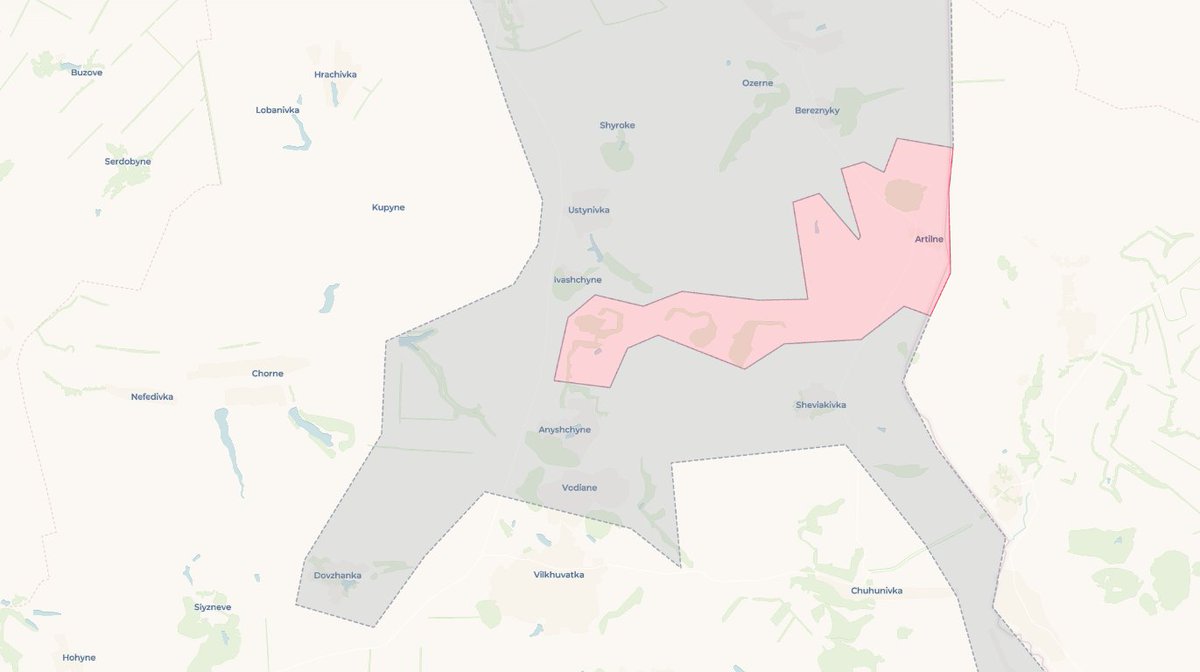
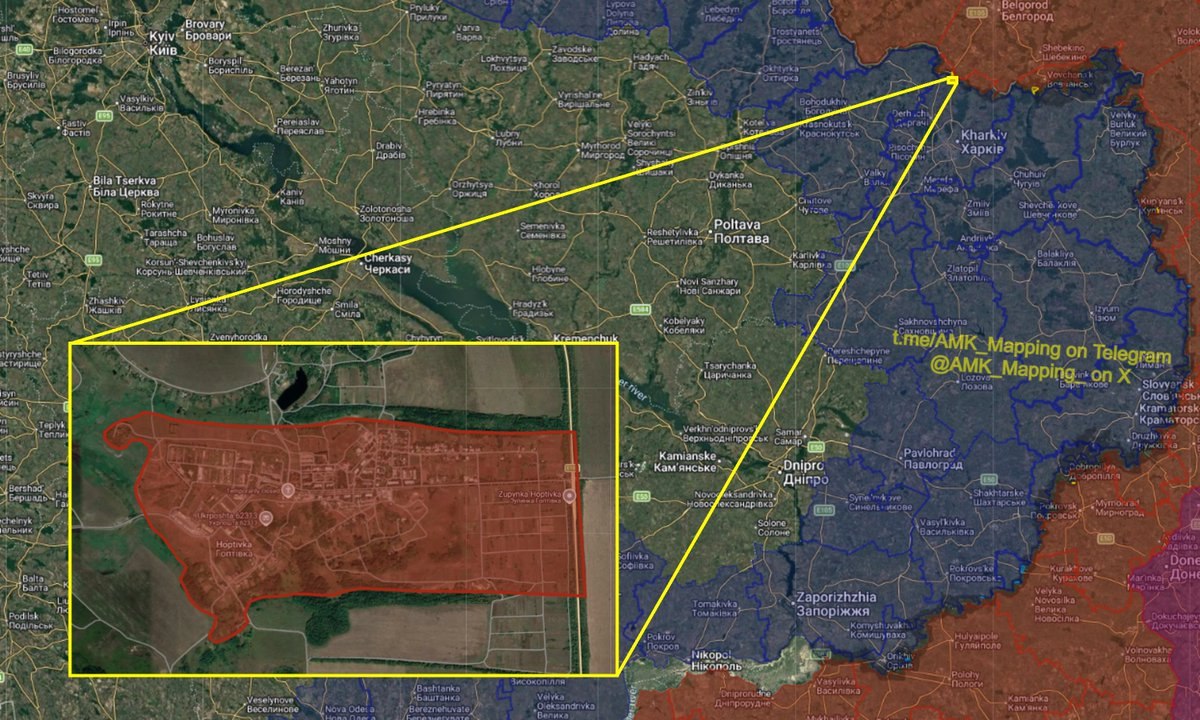
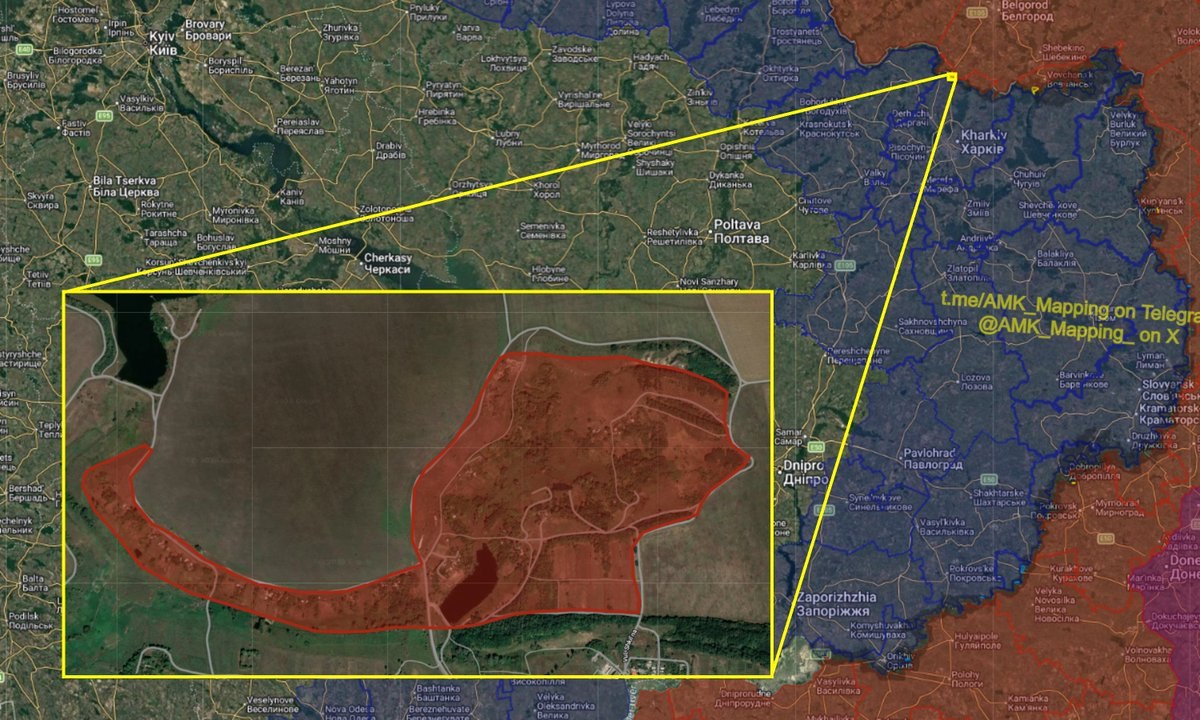
Amid the kinetic pressure, Ukrainian forces reported territorial gains in the north‑eastern Kharkiv region. Operation Bear Trap, led by the 475th Code 9.2 Assault Regiment, reclaimed approximately 200 km² and 14 settlements, isolating Russian units and inflicting estimated casualties of 800 personnel and 400 pieces of equipment. These claims were posted by NOELreports at 15:56:03 UTC.
International and Diplomatic Reactions
France called for an emergency United Nations Security Council meeting after Russian strikes on 20 Nov killed eight people and damaged the Ukrainian embassy in Kyiv. French lawmaker Jean‑Noël Barrot emphasized accountability, stating, "Russia will have to answer for this." The statement appeared on X and was cited by the Jerusalem Post.
Western analysts noted the strategic intent behind targeting energy infrastructure, aiming to erode civilian morale and pressure the Ukrainian government ahead of upcoming diplomatic negotiations.
Assessment
The coordinated missile‑drone offensive represents a deliberate escalation in Russia’s kinetic strategy, combining strategic infrastructure attacks with tactical strikes on urban centers and military assets. The simultaneous use of cruise missiles, ballistic missiles, and drones demonstrates a multi‑domain approach designed to overwhelm Ukraine’s air‑defense network and create cascading effects on civilian services.
Ukrainian resilience, evidenced by successful air‑defense interceptions and limited counter‑offensives, mitigates some of the immediate operational impact but does not offset the broader humanitarian and economic toll. Continued monitoring of energy‑grid stability and civilian casualty reports will be essential for assessing the long‑term implications of this kinetic surge.