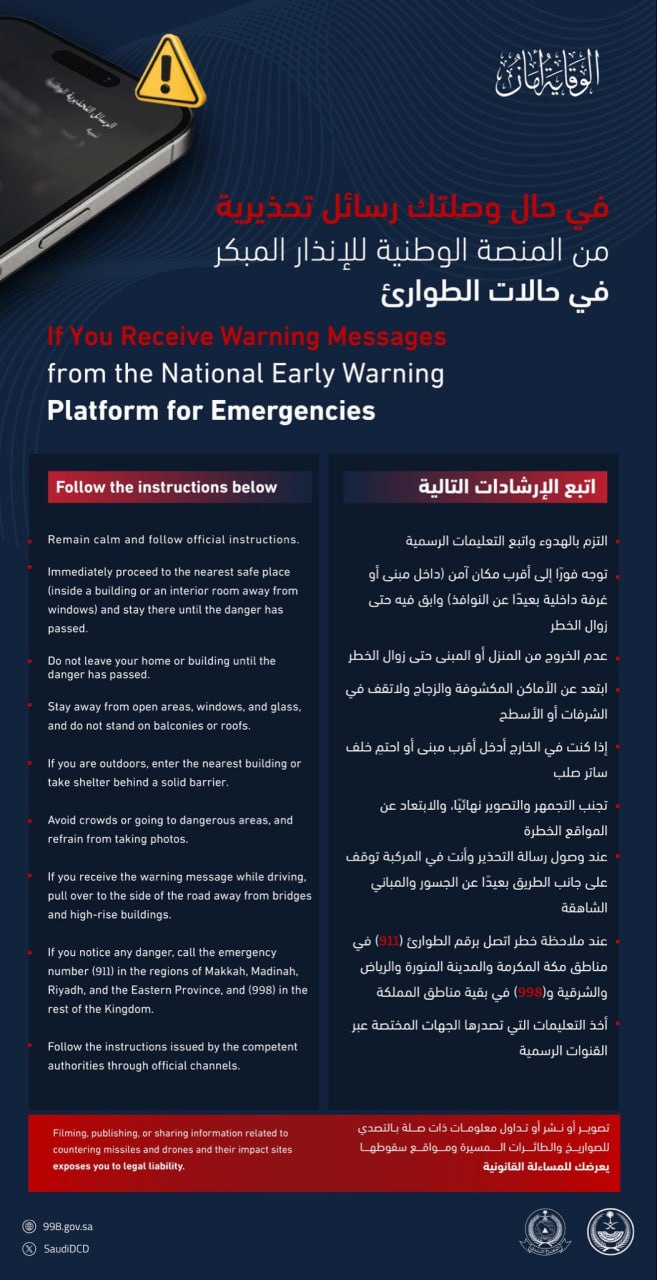
On 19 November 2026, a series of coordinated military actions and security alerts underscored a sharp escalation of hostilities across the Middle East. The most immediate threat emerged from Yemen, where the National Early Warning Platform in Abha issued an urgent alert that ballistic missiles were inbound toward the Saudi city of Abha. The warning, posted by BellumActaNews at 05:24:37 UTC, cited the missiles as originating from Houthi‑controlled territory in Yemen. The alert was accompanied by a photo of the platform’s siren system and a brief statement urging residents to seek shelter.
"A warning has been issued by the National Early Warning Platform in Abha City to alert of incoming ballistic missiles from Yemen" – BellumActaNews
Within the same hour, the Saudi‑led coalition reported intercepting a Houthi missile near Riyadh. The interception, documented by monitor_the_situation at 05:05:58 UTC, featured a loud boom heard across the capital and was confirmed by coalition air defenses. Reuters, cited in the same Telegram post, classified the incident as a “significant” conflict event (S3).
"Saudi‑Led Coalition Intercepts Houthi Missile Near Riyadh" – monitor_the_situation
Earlier in the day, at 01:44:25 UTC, BellumActaNews posted a separate notice that ballistic missiles had been launched from Yemen toward Riyadh. No interception was reported for that launch, highlighting a persistent missile trajectory toward Saudi Arabia’s political centre.
Missile Activity Overview
The three high‑severity missile events involve ballistic missiles and conventional missiles launched by Yemen’s Houthi forces, targeting two of Saudi Arabia’s major urban centres: Abha in the south‑west and Riyadh in the centre. No casualty figures were released for any of the incidents, suggesting that either the threats were neutralised before impact or that impact assessments remain pending. The Saudi‑led coalition’s defensive response demonstrates an operational capability to detect and engage high‑speed projectiles, yet the repeated launches indicate a sustained offensive posture by the Houthis.
Ground Operations and Demolitions
In the West Bank, satellite imagery released by monitor_the_situation at 01:36:17 UTC revealed Israeli military demolition work in the Tulkarm Refugee Camp. The images show newly created corridors designed to accommodate heavy vehicle movement, a development that follows a pattern of infrastructure reshaping that began in early 2025. The Israeli military, identified as the responsible organization, has not disclosed casualty numbers, but the demolition of civilian structures raises concerns under international humanitarian law.
"Satellite Images Show Israeli Demolitions Reshaped Tulkarm Camp" – monitor_the_situation
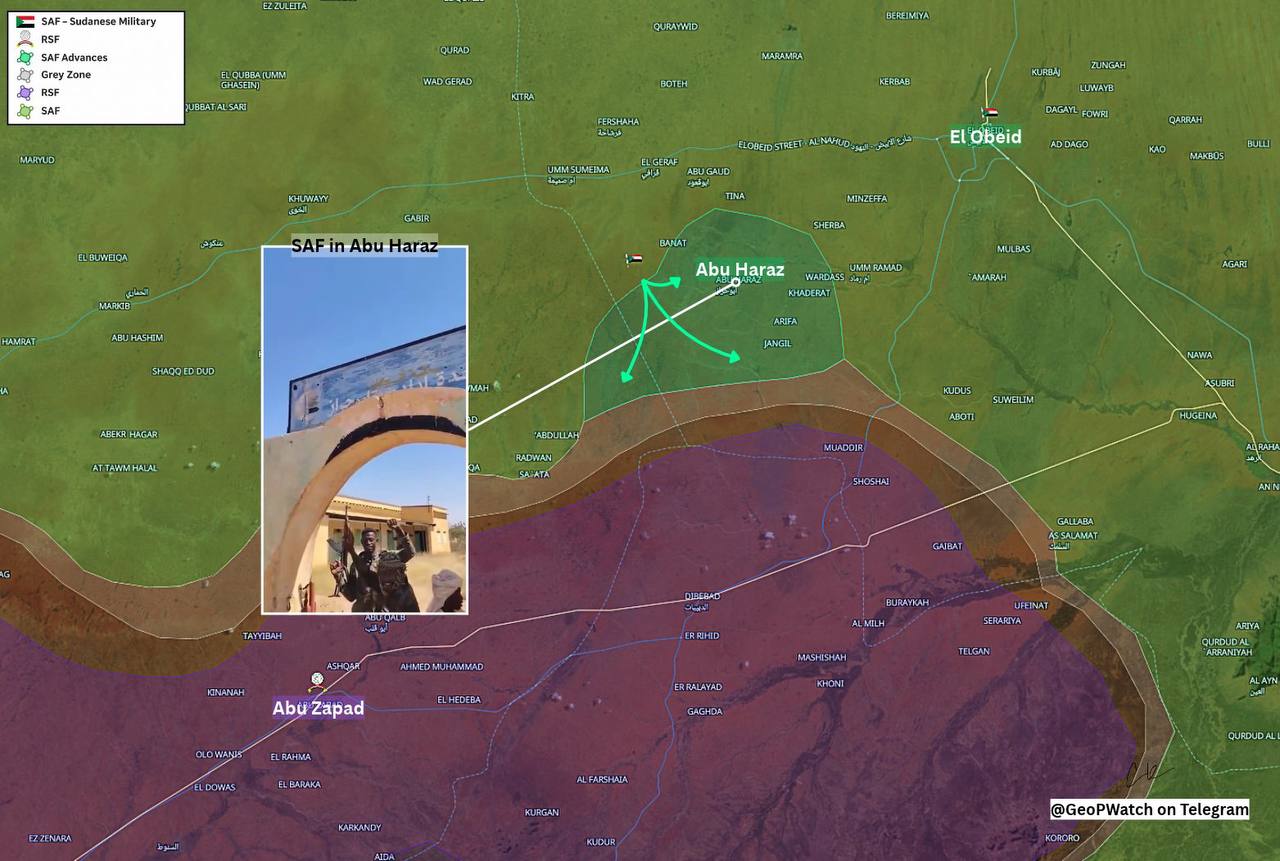
Simultaneously, Sudan’s internal conflict saw a shift in control of the town of Abu Haraz. GeoPWatch reported at 00:28:14 UTC that the Sudanese Armed Forces (SAF) secured the town after the Rapid Support Forces (RSF) withdrew to avoid encirclement. Video footage posted by the source shows SAF soldiers patrolling the streets, marking a tactical gain for the government‑aligned forces in the broader Sudanese power struggle.
"The SAF have secured control over Abu Haraz, following an RSF withdrawal due to the growing threat of encirclement" – GeoPWatch
Internal Unrest in Israel
Domestic tensions surfaced in Israel when the police launched an investigation into a suspected arson attack on a mosque near Afula. The incident, reported by the Jerusalem Post at 05:46:04 UTC, involved nationalist graffiti and prompted condemnation from Ra'am Chair Mansour Abbas, who described the act as a “hate crime, act of terror, and desecration of a holy site.” No weapons were used, and no injuries were reported, but the event reflects rising sectarian friction within Israeli society.
"Attempted arson is a hate crime, act of terror, and desecration of a holy site" – Mansour Abbas (JPost)
Naval and Regional Maritime Tensions
In the strategic Strait of Hormuz, the Saudi‑led coalition announced the destruction of a missile platform in Saada, Yemen, at 00:01:02 UTC. Al Jazeera’s live blog linked the strike to broader Iranian claims that three ships had been damaged by mines in the waterway. While the coalition’s action neutralised a land‑based launch site, the concurrent reports of maritime incidents underscore a multi‑domain escalation involving air, land, and sea.
"Saudi‑led coalition has said it destroyed a missile platform in Saada, Yemen as Iran claims three ships hit mines" – AlJazeera
Collectively, these events illustrate a pattern of simultaneous high‑intensity threats: ballistic missile launches aimed at Saudi population centres, proactive air‑defence interceptions, ground‑level demolitions affecting civilian infrastructure, and internal acts of sectarian violence. The convergence of these dynamics suggests a heightened risk of broader regional spill‑over, especially if missile trajectories expand beyond current targets or if ground operations trigger civilian displacement.