Rayana, a Ukrainian mother, former athlete and drone operator, was killed in a Russian airstrike on 18 November 2026. The strike, reported by Al Jazeera, occurred at an unspecified location within Ukraine and resulted in the loss of a civilian who had enlisted in 2024 to protect her son from the ongoing invasion. No weapons or armed groups were directly involved in the incident beyond the Russian aerial attack. The event highlights the increasing risk to civilians, including those with military training, in contested zones.
"Ukraine mourns mother, athlete and drone operator killed in Russian strike" – Al Jazeera, 2026-11-18, https://www.aljazeera.com/video/newsfeed/2026/11/18/ukraine-mourns-mother-athlete-and-drone-operator-killed-in-russian-strike?traffic_source=rss
Ukrainian Drone Campaign Reduces Russian Oil Refining Capacity
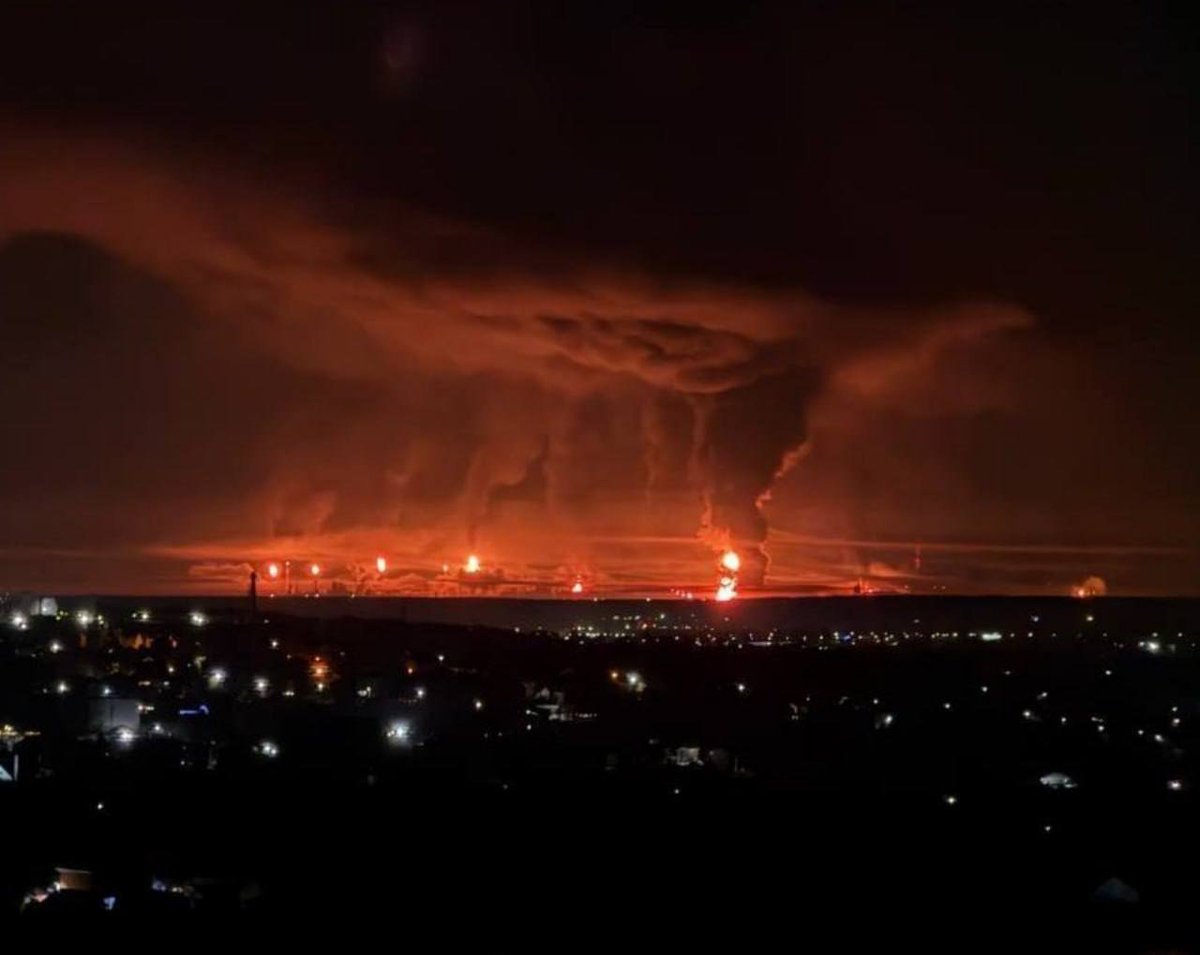
Ukrainian unmanned aerial systems have reportedly cut Russia's combined crude processing volumes by 45% since late October, according to two industry sources cited by the monitoring channel monitor_the_situation. The attacks target key refinery infrastructure, aiming to degrade Russia's energy export capability. While the specific locations of the strikes remain undisclosed, the cumulative impact on Russia's oil sector is described as “notable” in economic terms. The campaign utilizes commercially available drones, reflecting Ukraine's shift toward low‑cost, high‑impact weapons to pressure Russian logistics.
🟡 Drone Attacks Cut Russia's November Oil Refining by 45% – monitor_the_situation, https://t.me/monitor_the_situation/43935
Russian 50th Separate Unmanned Systems Brigade Deploys Geran‑4 Drones Against Ukrainian Infrastructure
The Russian 50th Separate Unmanned Systems Brigade “Varyag” employed Geran‑4 drones in coordinated strikes on Ukrainian energy facilities, logistics centers, and a UAV storage site. Footage released by the Telegram channel intelslava shows attacks on a logistics hub, a combined heat and power plant, and a UAV depot. These operations illustrate Russia's continued reliance on drone technology to target critical Ukrainian assets, despite Ukrainian air defenses reporting high interception rates.
🇷🇺🇺🇦⚡️ – The 50th Separate Unmanned Systems Brigade “Varyah” conducted strikes … using Geran‑4 drones – IntelSlava, https://t.me/intelslava/98237
Ukrainian Air Force Intercepts Majority of Russian Aerial Assault
On the morning of 18 November, Ukraine's Air Force announced the downing of 205 out of 306 incoming drones and three Kh‑59/69 cruise missiles launched by Russian forces. The combined attack struck 44 locations across Ukraine, causing damage to both civilian and military infrastructure. The high interception rate demonstrates the effectiveness of Ukraine's integrated air defense network, though the sheer volume of incoming munitions underscores the intensity of Russian aerial operations.
🟠 Ukraine Air Force Reports Russian Attack Details – monitor_the_situation, https://t.me/monitor_the_situation/43850
IDF Targets Hamas Officials Amid Ongoing Hostilities
An Israeli Defense Forces (IDF) officer told the Jerusalem Post that targeted killings of Hamas officials simplify frontline operations for Israeli soldiers. While acknowledging that Hamas remains active and continues to adapt, the IDF emphasizes that precision strikes reduce the need for broader, more destructive engagements. The statement reflects Israel's continued reliance on targeted elimination of leadership as a tactical approach in the Gaza theater.
"Targeted killing of Hamas officials 'makes it easier for soldiers on front lines,' says IDF officer" – JPost, https://www.jpost.com/israel-news/defense-news/article-915265
Collectively, these events illustrate a pattern of escalating kinetic engagements across multiple fronts. Russian air power continues to pose a direct threat to civilians, while both sides increasingly employ drones to achieve strategic objectives. Ukraine's air defense successes are offset by the persistent vulnerability of critical infrastructure, and Israel's targeted operations against Hamas leadership indicate a parallel focus on precision warfare in the broader Middle Eastern context.