On 17 November 2026, President Donald Trump publicly announced that the United States is conducting a formal investigation into a reported Iranian "dirty bomb" threat aimed at the capital, Washington, D.C. The statement, relayed by CBS and posted on the Telegram channel monitor_the_situation, marks the highest‑level acknowledgment of a potential radiological weapon use by Iran in the current conflict cycle.
"President Trump says the US is looking into Iran's reported 'dirty bomb' threat against Washington, per CBS." – monitor_the_situation, 12:37 UTC, 17 Nov 2026.No casualty figures have been released, and the threat remains unverified, but the announcement has prompted immediate diplomatic and intelligence coordination between U.S. agencies and allied partners.
Iranian Threat to the United States
The alleged dirty bomb scenario involves the dispersal of radioactive material combined with conventional explosives, a weapon class that would constitute a breach of multiple international non‑proliferation treaties. While the source does not specify the type of radioactive isotope or delivery mechanism, the reference to a "dirty bomb" suggests a radiological dispersal device rather than a nuclear explosive. U.S. Central Command (CENTCOM) has not confirmed any concrete intelligence linking Iranian operatives to a specific plot, but the public statement underscores heightened vigilance across U.S. homeland security agencies.
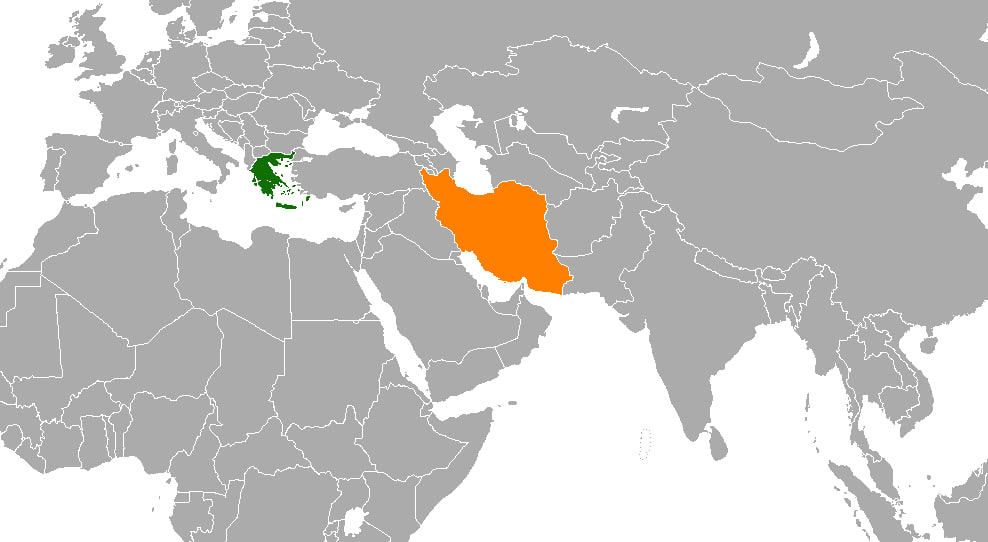
Assassination Plot Targeting Greece
In a separate development, Greek intelligence agencies disclosed that an Iranian network convened secret meetings in third‑country locations and attempted an assassination in Greece. The information, reported by BellumActaNews on its Telegram channel, indicates that the same network also held meetings inside Iran, suggesting a coordinated transnational operation. No weapons were reported in the attempted attack, and there were no casualties. The Greek authorities have not released the identity of the intended target, but the incident highlights the broader reach of Iranian covert activities beyond the immediate Gulf region.
"Greek intelligence examined secret meetings held in third countries by an Iranian network that attempted an assassination in Greece. The same network also met inside Iran, according to Greek media." – BellumActaNews, 17 Nov 2026.
Iranian Drone and Missile Activity Over Bahrain
Throughout the same day, Bahrain experienced a series of Iranian‑origin missile and drone attacks. According to the Jerusalem Post, Iran intensified pressure on Bahrain with renewed missile and drone strikes, prompting the United States to reaffirm its security commitments to the Gulf kingdom. Bahrain’s authorities responded by sentencing 64 Shi'ite individuals to life imprisonment on charges of alleged Iran‑linked terrorism, a move that underscores the domestic security dimension of the regional confrontation.
The attacks involved both ballistic missiles and unmanned aerial systems (UAS). While the specific missile types were not disclosed, the pattern aligns with Iran’s recent use of short‑range precision missiles and loitering munitions in the Persian Gulf theater. No casualties were reported from these strikes, and damage assessments remain preliminary.
U.S. and Partner Interceptions
U.S. Central Command, in coordination with regional partners, intercepted multiple Iranian drone incursions targeting Bahrain and a separate launch directed toward U.S. assets. At 11:43 UTC, CENTCOM reported the successful interception of Iranian Islamic Revolutionary Guard Corps (IRGC) drones over Bahrain, noting that no U.S. equipment was damaged and no personnel were injured. The IRGC’s claim of having struck a U.S. radar system was later refuted by U.S. officials as false.
"IRGC drones launched toward Bahrain were intercepted by CENTCOM and partner forces; no U.S. equipment damaged or personnel injured. An IRGC claim of a hit on a U.S. radar system is false." – monitor_the_situation, 11:43 UTC, 17 Nov 2026.
Earlier, at 08:05 UTC, Bahrain’s air defense reported the interception of an Iranian drone attack, again with no reported damage or casualties. The rapid response capability demonstrated by Bahrain’s air defense and U.S. forces reflects the heightened state of readiness across the Gulf following a series of Iranian provocations.
Analysis of the Emerging Pattern
The confluence of events on 17 November illustrates a multi‑layered escalation strategy by Iran, combining conventional kinetic attacks (missiles and drones) with covert operations (assassination attempts) and the alleged pursuit of weapons of mass destruction (the dirty bomb claim). While the United States has focused its public messaging on the radiological threat, the operational tempo of Iranian drone and missile launches against Bahrain suggests a coordinated effort to test regional defenses and signal resolve.
From a strategic perspective, the U.S. investigation into the dirty bomb allegation serves two purposes: it addresses domestic security concerns and signals to Tehran that any escalation beyond conventional means will trigger a robust response. Simultaneously, the interception of Iranian drones by both U.S. and Bahraini forces demonstrates the effectiveness of integrated air‑defense networks, which have been reinforced through recent U.S. security assistance packages.
Greek intelligence’s disclosure of an Iranian assassination plot adds a transnational dimension to the threat environment, indicating that Iranian covert operations are not confined to the Gulf but extend into Europe. The lack of reported weapons in the Greek incident suggests reliance on human intelligence assets and low‑tech methods, contrasting with the high‑tech kinetic tools employed in the Gulf.
Overall, the events of 17 November underscore a pattern of asymmetric escalation by Iran, leveraging both conventional and unconventional means to pressure regional adversaries while probing the limits of U.S. and allied defensive postures.