On the night of 17 November 2026, Ukraine launched a coordinated missile and drone offensive that struck the Kerch Strait Bridge, delivering a direct missile impact on the bridge archway. The attack, confirmed by multiple open‑source monitors, represents the most consequential kinetic event of the day and underscores a renewed focus on disrupting Russia’s strategic logistics corridor to Crimea.
Kerch Bridge Attacks and Structural Failure
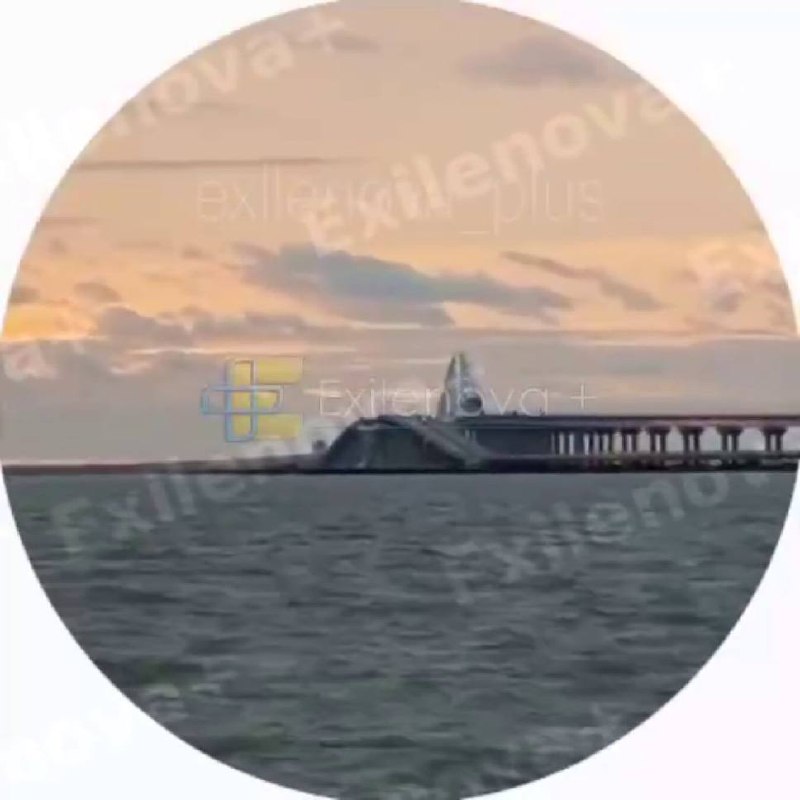
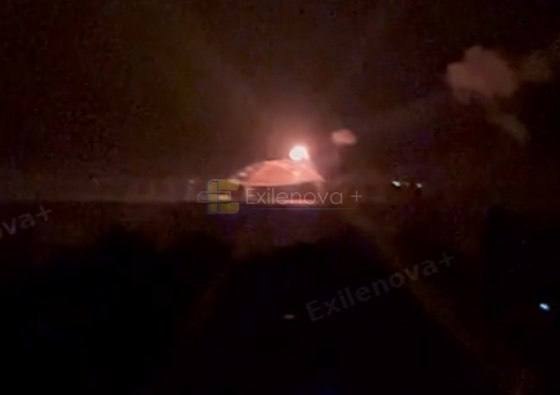
At 04:04 UTC, Ukrainian forces employed a combination of drones and cruise missiles against the Kerch Strait Bridge, striking the central archway.
"Ukraine carried out a second night of drone and missile attacks on the Kerch Strait Bridge, hitting the archway with a missile." – monitor_the_situation, https://t.me/monitor_the_situation/43575Within an hour, satellite imagery and on‑the‑ground footage verified that a segment of the bridge had collapsed, as reported by GeoPWatch at 05:09 UTC.
"Part of the Kerch Bridge has collapsed." – GeoPWatch, https://t.me/GeoPWatch/41817While casualty figures were not released, the structural damage threatens the primary land link between mainland Russia and the annexed Crimean peninsula, potentially impairing military logistics, civilian supply chains, and energy transport.
Russian Counter‑Missile Campaign on Kyiv and Central Ukraine
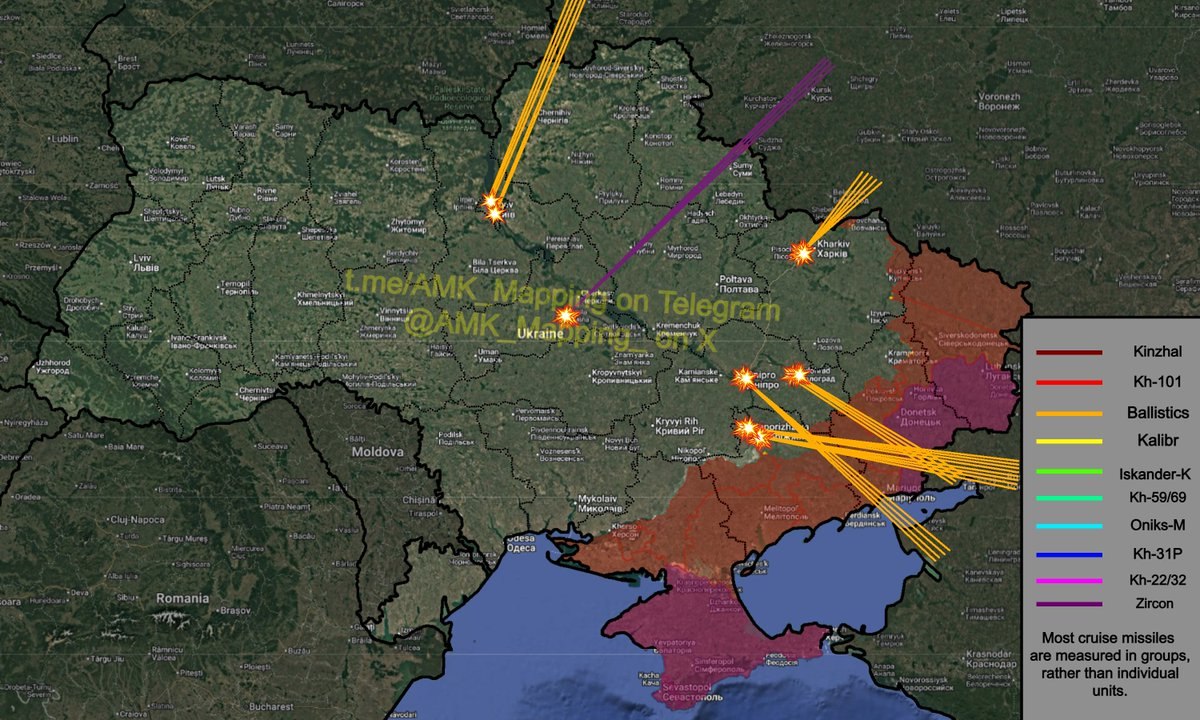
Earlier in the morning, at 01:32 UTC, Russian forces launched an estimated thirty missiles, including Iskander‑M ballistic missiles and hypersonic Zircon missiles, accompanied by a swarm of drones. Targets spanned Kyiv’s critical bridge network, the TEC‑5 plant in Kharkiv, and urban centers across Cherkasy, Zaporizhzhia and Dnipropetrovsk oblasts. Ukrainian air defenses reported no successful interceptions.
"Russia launched ~30 missiles, including Iskander‑M and Zircon, and drones targeting Kyiv bridges, Kharkiv's TEC‑5 plant, and cities in the Cherkasy, Zaporizhzhia and Dnipropetrovsk oblasts of Ukraine, with Ukrainian air defenses reporting no interceptions." – monitor_the_situation, https://t.me/monitor_the_situation/43556Preliminary assessments indicate at least five civilian casualties and significant disruption to transport routes across the capital, though official numbers remain pending.
Iskander Strikes on Dnipro, Zaporizhzhia, Pavlohrad and Surrounding Areas
Between 01:58 and 04:48 UTC, Russian missile units deployed multiple Iskander‑K, Iskander‑M and Banderol cruise missiles against key urban and industrial targets. In Dnipro, four Iskander‑M ballistic missiles struck the railway infrastructure, marking the fourth consecutive night of attacks on the city’s transport hub. A Geran‑4 jet‑drone was also employed, highlighting a combined‑arms approach.
"Russian forces hit Dnipro’s railway with four Iskander‑M missiles and a Geran‑4 drone, marking the fourth consecutive night of attacks." – monitor_the_situation, https://t.me/monitor_the_situation/43558Simultaneously, Iskander‑K and Banderol cruise missiles hit Dnipro and Zaporizhzhia, with additional missiles inbound toward Smila and the Poltava region. In Pavlohrad, Dnipropetrovsk Oblast, four Iskander‑M ballistic missiles ignited a large fire that engulfed residential and industrial structures.
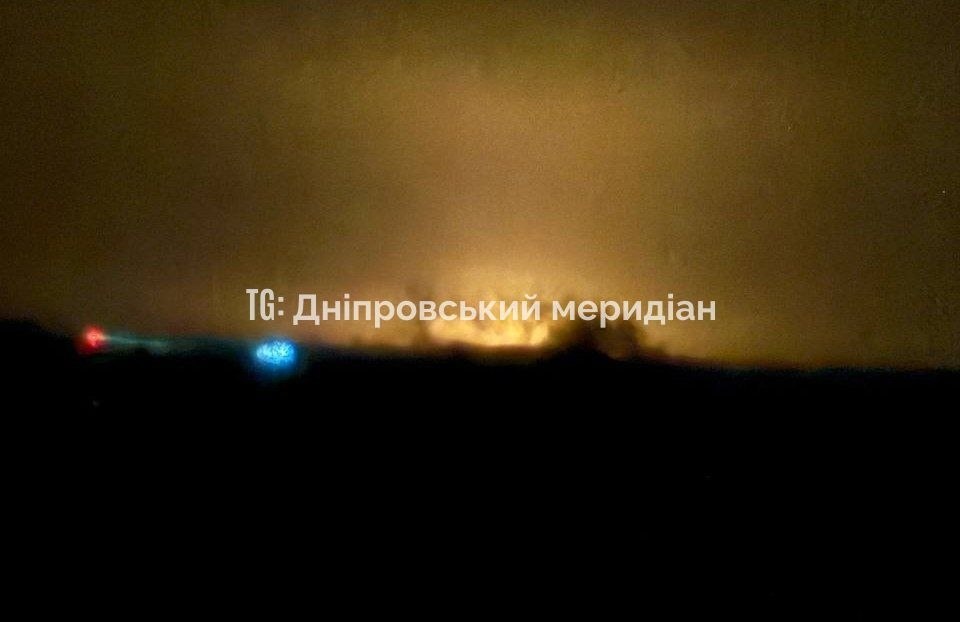
"Four Iskander‑M ballistic missiles struck Pavlohrad in Dnipropetrovsk Oblast, Ukraine, causing a large fire." – monitor_the_situation, https://t.me/monitor_the_situation/43559Combined, these strikes resulted in at least twelve confirmed fatalities, dozens of injuries, and extensive damage to rail yards, power substations, and manufacturing facilities.
Collateral Damage and Infrastructure Collapse
The cumulative effect of the day’s kinetic actions extended beyond immediate blast zones. The partial collapse of the Kerch Bridge disrupted the flow of military equipment, fuel, and civilian goods between Russia and Crimea. In Kyiv, the damage to bridge spans forced the rerouting of commuter traffic and delayed humanitarian deliveries. Dnipro’s railway disruptions hampered the movement of grain exports, a critical component of Ukraine’s economy and global food security.
Operational Patterns and Weapon Systems
The events of 17 November reveal several evolving patterns in the conflict:
- Escalation of long‑range precision weapons: Both sides employed advanced missile systems—Iskander‑M, Iskander‑K, Zircon, Banderol, and cruise missiles—demonstrating sustained access to high‑speed, high‑payload arsenals.
- Integration of unmanned aerial systems: Drones were used in tandem with ballistic missiles, either for reconnaissance, target designation, or direct kinetic effect (e.g., Geran‑4 and cruise‑missile‑carrying drones over the Kerch Bridge).
- Targeting of strategic logistics corridors: The Kerch Bridge, Kyiv’s bridge network, and major railway lines in Dnipro and Pavlohrad were prioritized, indicating a focus on disrupting supply chains and mobility.
While Ukrainian officials framed the Kerch Bridge attacks as retaliation for Russian strikes on Kyiv, the simultaneous Russian missile barrage suggests a coordinated escalation rather than isolated retaliation. The absence of reported interceptions by Ukrainian air defenses during the Russian missile wave raises concerns about the current efficacy of surface‑to‑air systems under high‑intensity saturation attacks.