On 17 November 2026, Ukraine launched a coordinated series of kinetic operations that culminated in a second consecutive strike on the Kerch Bridge linking Russia to the annexed Crimean Peninsula. The attacks, confirmed by Al Jazeera and the Telegram channel monitor_the_situation, represent the most significant escalation of the bridge campaign to date, underscoring Kyiv’s focus on disrupting Russian logistical arteries.
Kerch Bridge: Final Stage of a Weeks‑Long Campaign
At 09:30 UTC, Ukrainian forces executed the seventh and final stage of a multi‑day operation targeting the Crimean Bridge, according to a statement from President Volodymyr Zelensky. The operation began with the suppression of Russian air‑defence, radar, and electronic‑warfare assets, followed by a precision strike that damaged the bridge’s structural components.
"We have completed the final stage of the Crimean Bridge operation, striking the bridge after neutralising its defensive systems," Zelensky said in a televised address.The strike was reported by the monitor_the_situation channel, which posted video evidence of the impact.Source: https://t.me/monitor_the_situation/43633
Just over three hours later, at 13:29 UTC, Al Jazeera broadcast footage of a second attack on the same structure, confirming that the bridge sustained additional damage. The outlet described the event as “unprecedented,” noting that it marked the second day of direct Ukrainian action against the crossing.Source: https://www.aljazeera.com/video/newsfeed/2026/11/17/unprecedented-ukraine-attack-on-crimean-bridge?traffic_source=rss
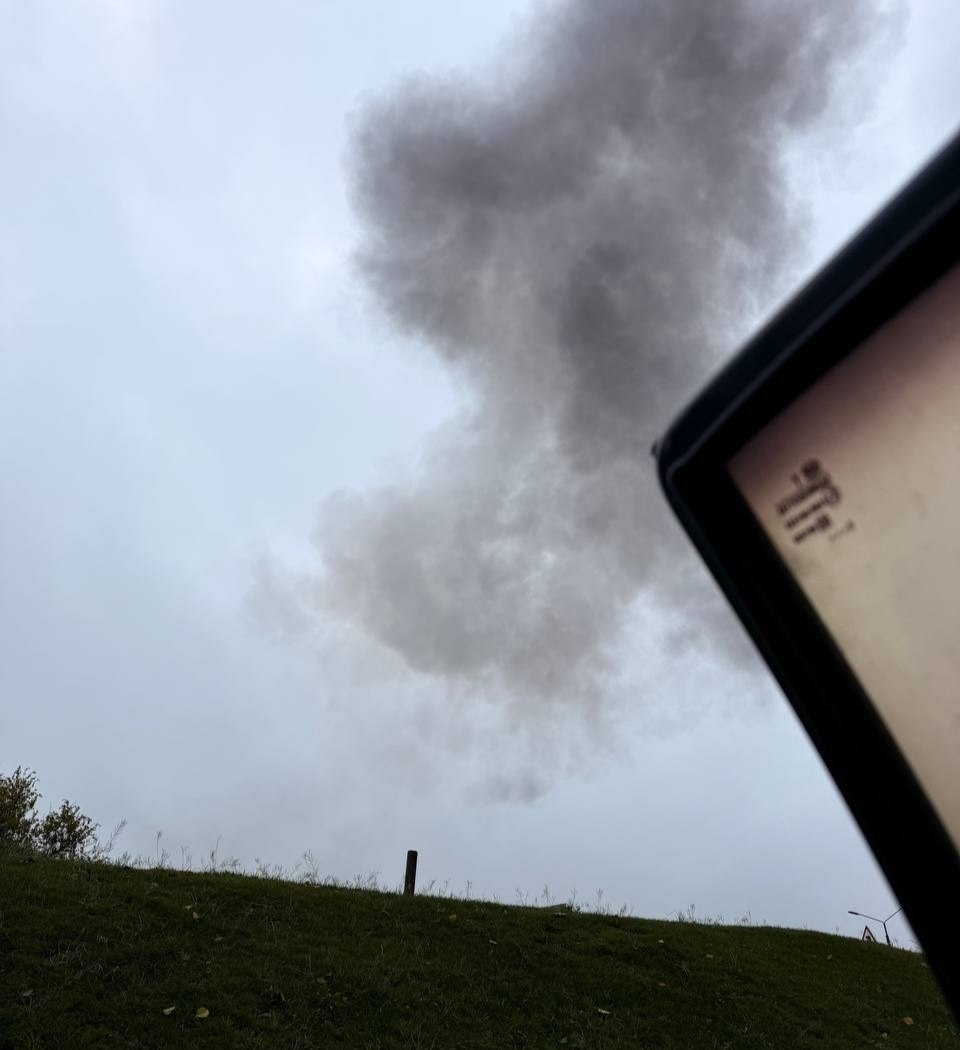
Earlier in the morning, at 08:46 UTC, a Ukrainian FP‑5 Flamingo cruise missile was heard overflying Kerch, providing acoustic evidence of the raid. The monitor_the_situation channel shared a video recording of the missile’s overflight, confirming the use of a long‑range cruise missile in the operation.Source: https://t.me/monitor_the_situation/43626
In addition to the missile strikes, a Ukrainian drone attack at 08:12 UTC killed two civilians on the Crimean side of the bridge and prompted the Russian‑installed governor to suspend traffic on the crossing for safety reasons. Al Jazeera reported the incident, highlighting the growing civilian toll of the bridge campaign.Source: https://www.aljazeera.com/news/2026/11/17/ukrainian-drone-attack-kills-two-in-crimea-as-kyiv-targets-kerch-bridge?traffic_source=rss
Strategic Impact on Russian Logistics
The Kerch Bridge is a critical supply route for Russian forces stationed in Crimea and for the broader southern front. Repeated strikes threaten to curtail the flow of ammunition, fuel, and personnel, potentially forcing Russia to rely on longer, less secure overland routes through mainland Ukraine. Analysts note that the cumulative effect of bridge damage, combined with heightened air‑defence suppression, could degrade Russian operational tempo in the Black Sea region.
Parallel Kinetic Actions Across Ukraine
While the Kerch Bridge attacks dominated headlines, simultaneous kinetic events unfolded elsewhere, illustrating a broadening Ukrainian offensive and a Russian counter‑offensive.
Kiev’s Northern Bridge – At 07:57 UTC, three Russian Iskander‑M ballistic missiles struck Kyiv’s Northern Bridge over the Dnieper River, snapping cables and disrupting key infrastructure. Video posted by monitor_the_situation showed the missile impacts and subsequent damage to the bridge’s support structures.Source: https://t.me/monitor_the_situation/43615
Pavlohrad, Dnipropetrovsk Oblast – At 07:59 UTC, Russian forces employed a mixed salvo of Geran‑4 jet‑drones, four Iskander‑M ballistic missiles, and an Iskander‑K cruise missile against an industrial enterprise in Pavlohrad. Photographs released by monitor_the_situation displayed multiple impact craters and smoke plumes, confirming extensive damage to the targeted facility.Source: https://t.me/monitor_the_situation/43616
Western Ukraine Drone Activity – Russian drone operations intensified in the west. At 12:48 UTC, a Geran‑2 drone crashed near Mukachevo railway station, prompting Hungary to suspend rail services to Ukraine for two days. The incident was documented by monitor_the_situation, which noted the proximity of the crash site to the station (approximately 300 m).Source: https://t.me/monitor_the_situation/43683
Earlier, at 11:43 UTC, a swarm of at least 20 Geran‑2 drones struck Izmail Port on the Danube, while a Geran‑4 jet‑drone hit a dry‑cargo vessel in the western Black Sea. Photographic evidence showed extensive damage to port infrastructure and the vessel’s hull.Source: https://t.me/monitor_the_situation/43663
Additional drone strikes were reported in Rivne (Geran‑5, 11:37 UTC) and Vinnytsia (Geran‑2, 07:52 UTC), each causing explosions, fires, and localized infrastructure damage. Video from monitor_the_situation captured the impact sites and subsequent emergency response efforts.Sources: https://t.me/monitor_the_situation/43659, https://t.me/monitor_the_situation/43613
Energy Infrastructure Targeting
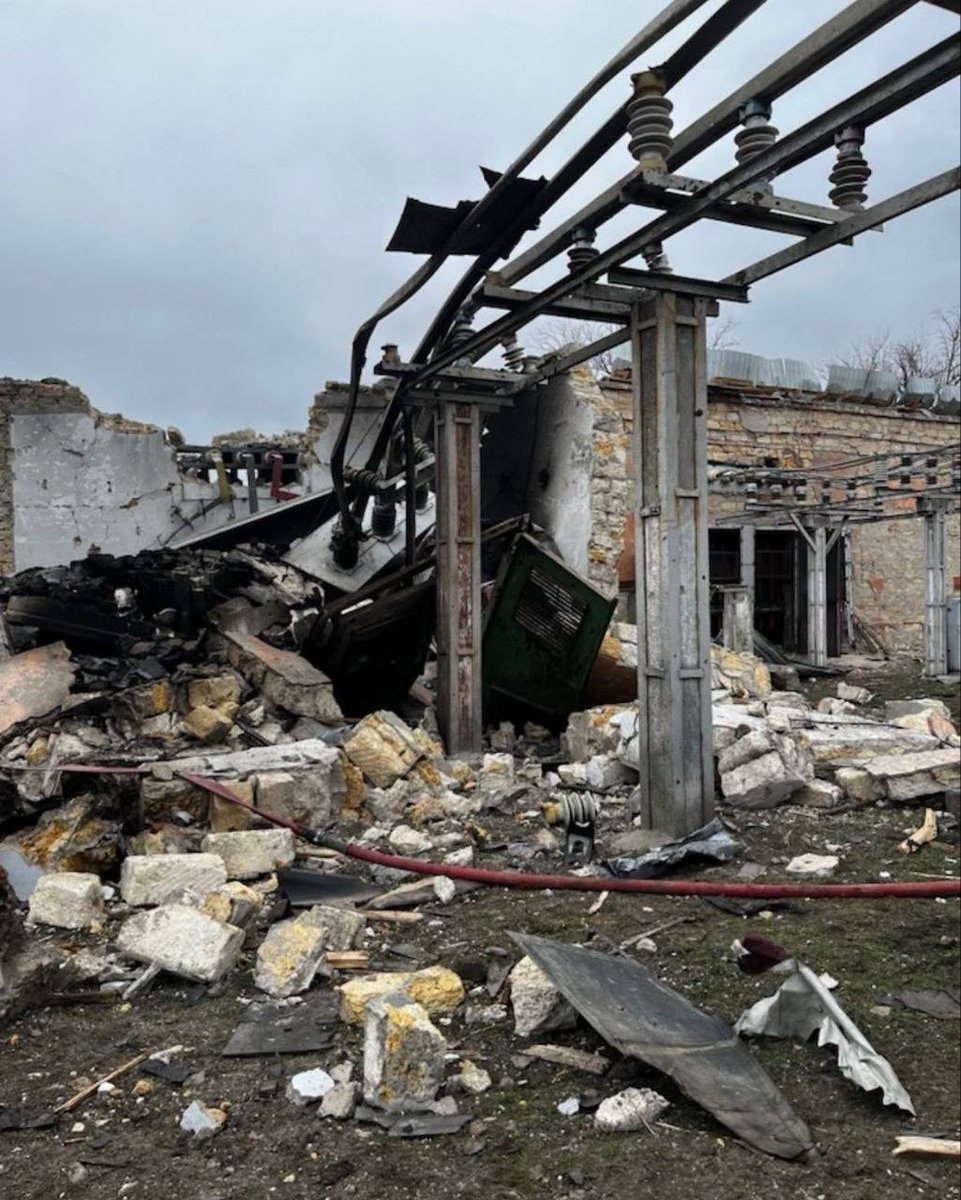
At 17:44 UTC, the Russian Defence Ministry announced strikes on four Ukrainian power substations, a railway locomotive near Kryvyi Rih, and a cargo vessel bound for Odesa carrying military supplies. The substations included three 330 kV facilities in Rivne and Dnipropetrovsk regions and a 110 kV facility in Chernivtsi. While casualty figures were not released, the attacks are expected to cause temporary outages and complicate civilian energy supply.Source: https://t.me/intelslava/98203
Analytical Assessment
The concentration of high‑value kinetic actions on 17 November indicates a deliberate Ukrainian strategy to degrade Russian logistical capacity while simultaneously pressuring Russian forces across multiple fronts. The use of long‑range cruise missiles (FP‑5 Flamingo) and ballistic missiles (Iskander‑M/K) demonstrates Kyiv’s expanding strike envelope, likely supported by Western intelligence and munitions supplies.
Conversely, Russia’s deployment of Geran‑series drones and Iskander missiles against Ukrainian industrial and transport nodes reflects an effort to counterbalance Ukrainian offensives and to impose economic and civilian hardship. The targeting of energy infrastructure aligns with a broader Russian pattern of infrastructure attacks aimed at eroding public morale.
Overall, the day’s kinetic events underscore an escalation in both the scale and geographic dispersion of hostilities, raising the risk of collateral damage and civilian casualties, particularly around critical transport corridors such as the Kerch and Northern bridges.