On 17 November 2026, United States air operations intensified against Iranian targets, most notably a series of strikes on Qeshm Island that resulted in at least six fatalities. The attacks, reported by the Telegram channel intelslava, represent the most lethal kinetic event in Iran recorded for the day and underscore a rapid escalation in the aerial dimension of the conflict.
US Airstrikes on Qeshm Island
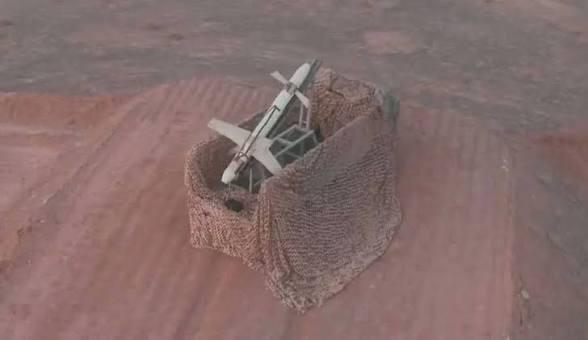
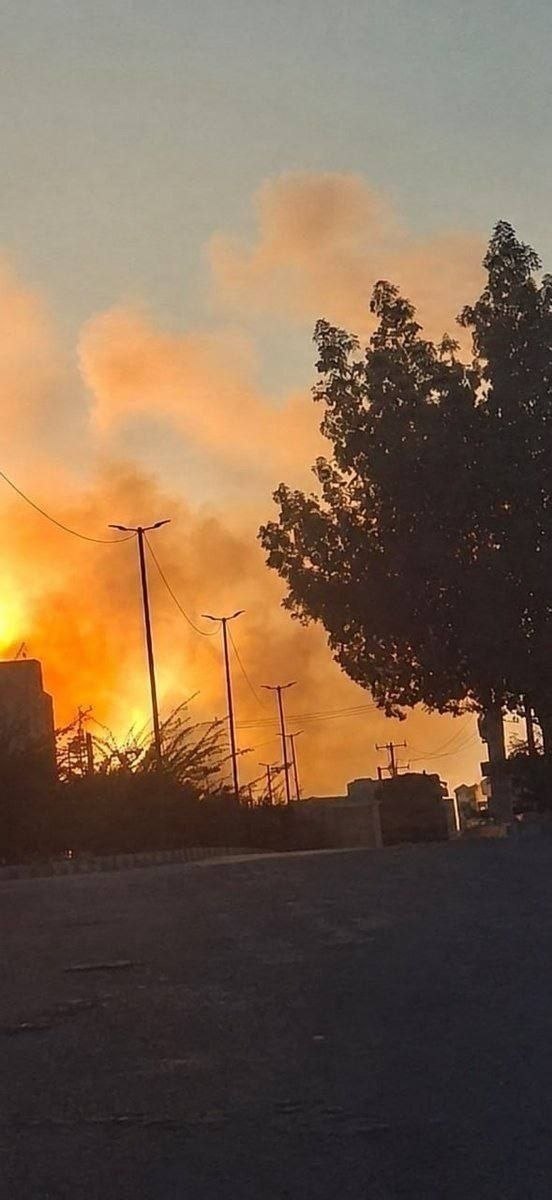
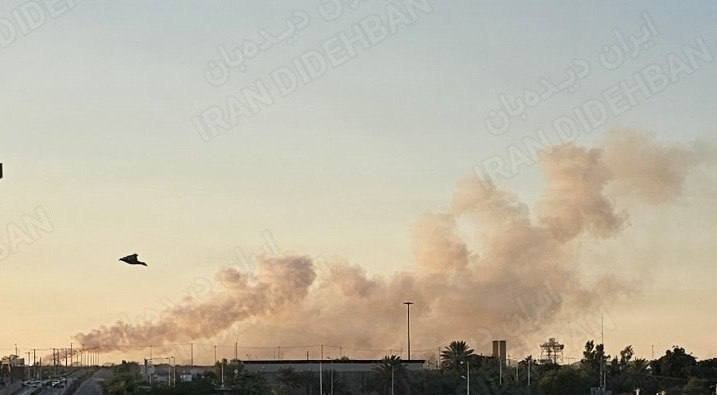
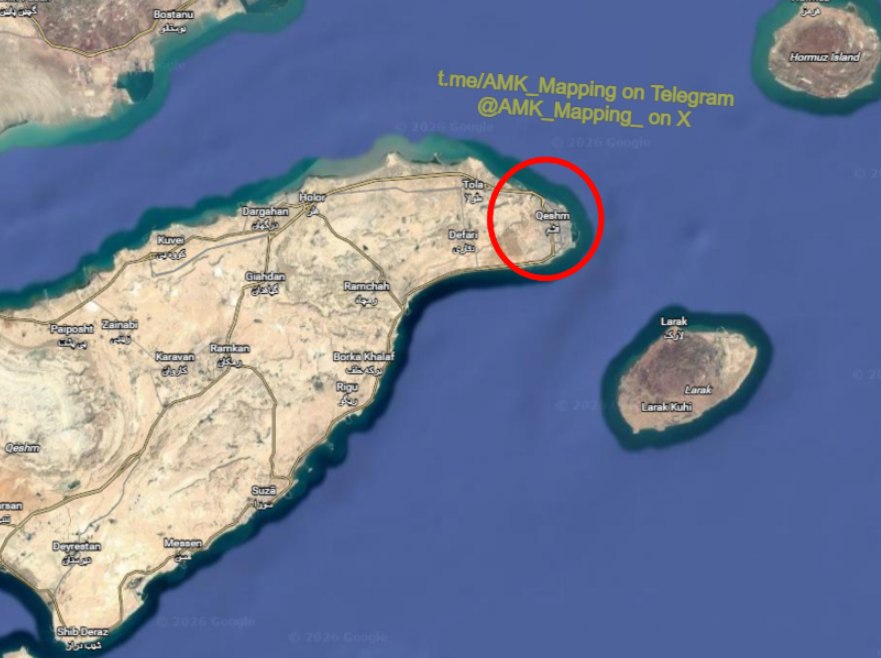
At 13:47 local time, US forces conducted airstrikes on Qeshm Island in Hormozgan Province, killing six people and damaging multiple installations. The strikes were confirmed by intelslava (source https://t.me/intelslava/98197) and corroborated by subsequent reports from rnintel, which documented six separate US airstrikes in the vicinity of Qeshm City within the same hour. A later report from monitor_the_situation identified a specific target: an Iranian surface‑to‑air missile launcher in the Nariman District, hit at 13:00:57 (source https://t.me/monitor_the_situation/43687).
"U.S. airstrikes have targeted Qeshm Island in Iran, with reports indicating at least six people were killed." – intelslava
The concentration of strikes on a single island suggests a focused effort to degrade Iran’s air‑defense network and missile launch capabilities, particularly after earlier attempts to neutralize a US MQ‑1C drone over the same area.
Iranian Air Defense Interceptions
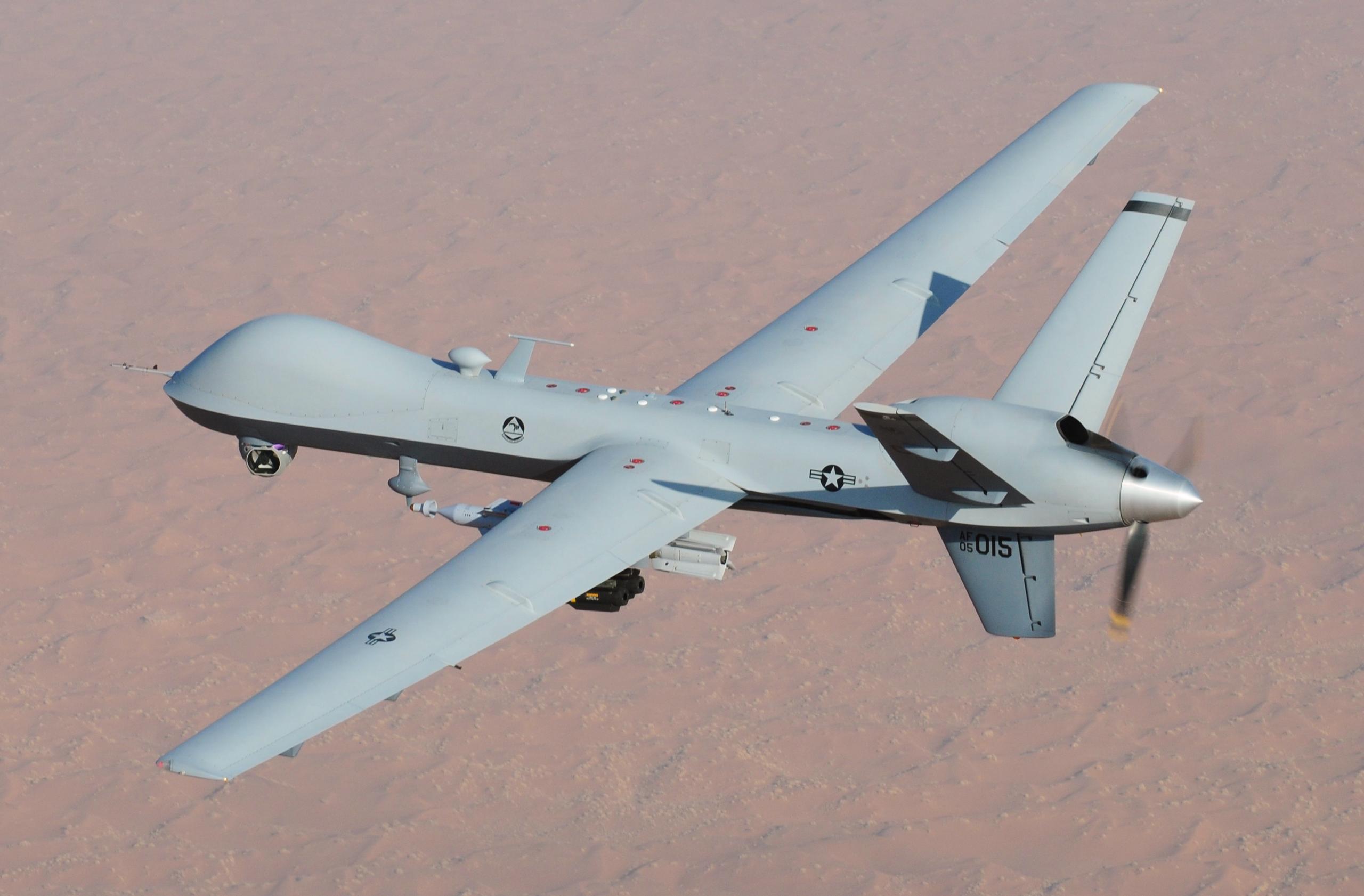
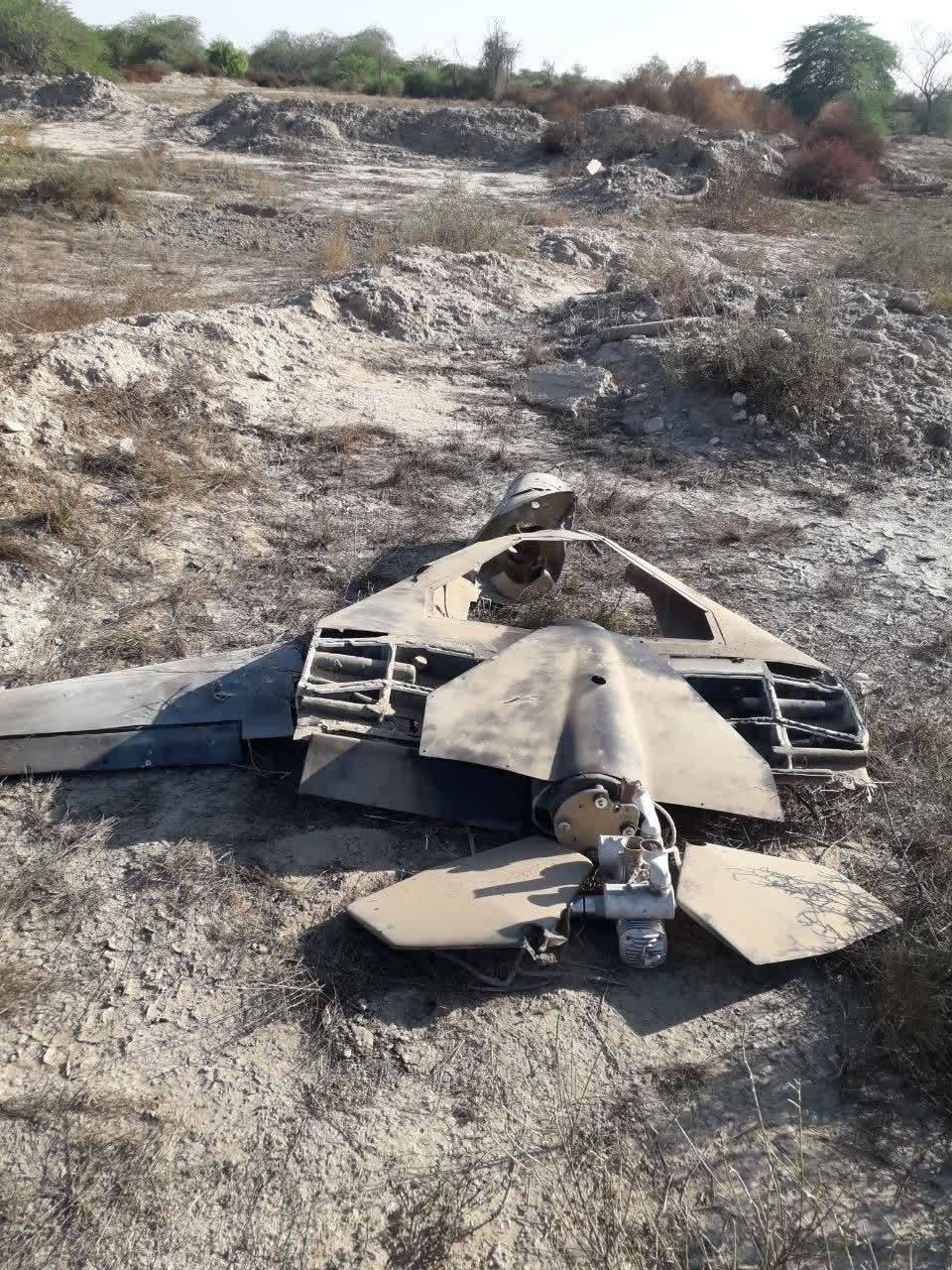
Iran’s Islamic Revolutionary Guard Corps (IRGC) reported multiple successful interceptions of US unmanned aerial systems (UAS) on the same day. At 16:25:11, the IRGC claimed to have shot down a US MQ‑1C drone over Qeshm Island, marking the 18th drone downed since the conflict began (source https://t.me/monitor_the_situation/43721). Earlier, at 17:47:17, GeoPWatch documented the downing of a US MQ‑9A Reaper by an Iranian Type‑359 short‑range air‑defence system (source https://t.me/GeoPWatch/41845). Additionally, rnintel reported that Iranian air defenses were activated on Qeshm Island, anticipating further US strikes (source https://t.me/rnintel/69173).
These interceptions demonstrate a heightened readiness of Iran’s integrated air‑defence architecture, employing both radar‑guided surface‑to‑air missiles and short‑range SHORAD systems. The rapid succession of engagements indicates a tightly coordinated command‑and‑control response to US aerial incursions.
Ballistic Missile Launches from Khuzestan and Isfahan
Concurrent with the aerial exchanges, Iran launched ballistic projectiles from its southwestern and central provinces. At 13:43:20, rnintel reported the launch of at least five ballistic missiles from Khuzestan Province (source https://t.me/rnintel/69176). Later, at 16:48:16, GeoPWatch captured civilian observations of a missile launch from the south of Isfahan, likely originating from the 15th Khordad air‑base (source https://t.me/GeoPWatch/41844). No immediate impact reports were released, but the timing aligns with the US strike campaign, suggesting a possible retaliatory or deterrent posture.
Both provinces host key strategic assets: Khuzestan houses oil‑rich infrastructure, while Isfahan contains significant aerospace facilities. The missile activity underscores Iran’s willingness to employ medium‑range ballistic systems in response to external pressure.
Explosions in Southern Tehran
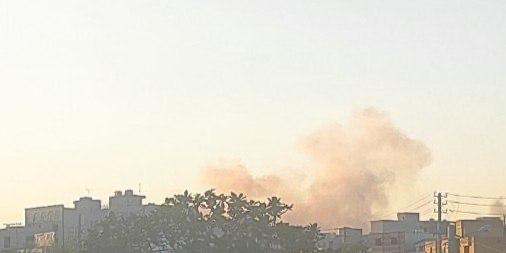
At 13:26, rnintel issued a preliminary notice of explosions in southern Tehran, the nation’s capital (source https://t.me/rnintel/69167). While details remain sparse, the reports indicate multiple blast events, potentially linked to sabotage or internal security operations. No casualty figures have been released, and the source did not specify the weapons involved.
The occurrence of explosions in Tehran on the same day as the Qeshm strikes may reflect a broader pattern of kinetic activity aimed at signaling internal resilience or diverting attention from the southern front.
Operational Assessment
The sequence of events on 17 November illustrates a multi‑theater kinetic escalation centered on Iran’s southern coast. The United States has leveraged precision airpower to target missile launch sites and air‑defence assets, achieving measurable casualties and equipment loss. Iran, in turn, has demonstrated layered air‑defence capabilities capable of downing high‑value US UAVs, while also employing ballistic missile launches from domestic bases.
From an analytical perspective, the following dynamics are evident:
- Targeted Degradation: US strikes focus on air‑defence nodes (e.g., the Nariman surface‑to‑air missile launcher) to create permissive airspace for subsequent operations.
- Integrated Counter‑Air Response: Iran’s rapid interception of MQ‑1C and MQ‑9A platforms indicates effective sensor fusion and a robust SHORAD network around strategic islands.
- Deterrent Signalling: Ballistic missile launches from Khuzestan and Isfahan serve both as a retaliatory signal and as a reminder of Iran’s regional strike capability.
Overall, the kinetic exchanges on 17 November suggest a calibrated escalation rather than an uncontrolled spiral. Both sides appear to be testing thresholds: the United States probing the depth of Iran’s air‑defence envelope, and Iran responding with a mix of defensive interceptions and offensive missile launches.