On 16 November 2026, a series of coordinated kinetic operations by Russian forces targeted Ukraine's energy and transport infrastructure, marking the most consequential escalation of hostilities observed this month. The attacks, which employed a mix of cruise missiles and loitering drones, resulted in widespread power outages affecting hundreds of thousands of civilians and inflicted significant damage to railway assets critical for both military logistics and civilian mobility.
Power infrastructure under fire
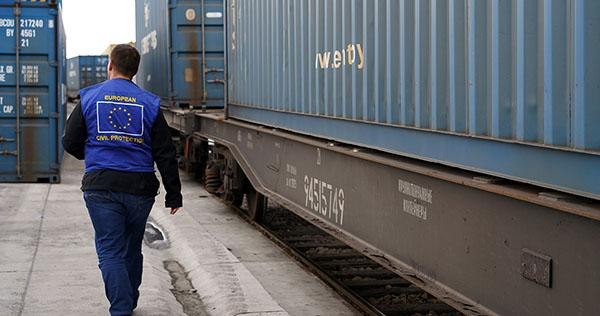
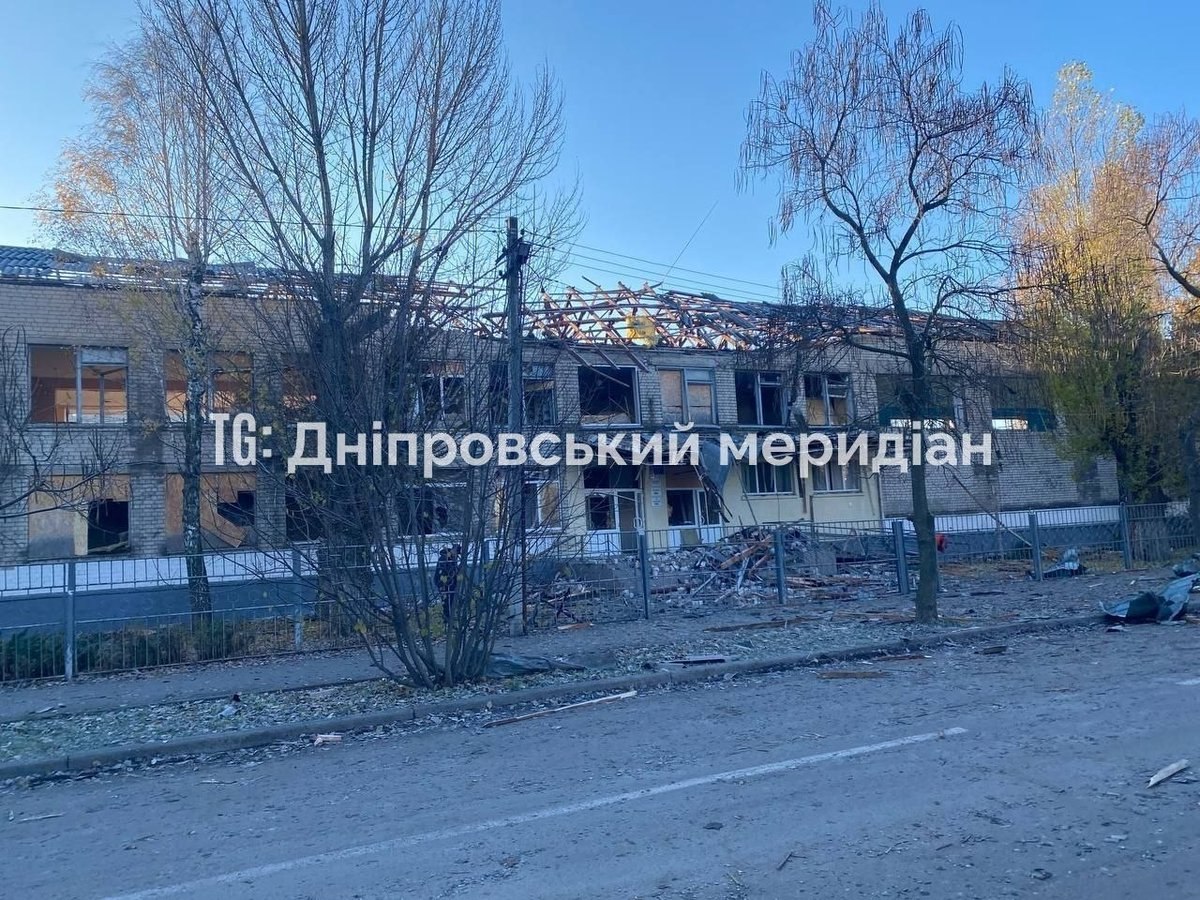
At approximately 08:10 UTC, Russian missile strikes hit power lines and substations in the Zaporizhzhia and Dnipropetrovsk regions. Ukrainian President Volodymyr Zelensky confirmed that the strikes left hundreds of thousands of residents without electricity and prompted the European Union to accelerate emergency winter aid, including the deployment of generators and mobile heating units.
"Russian strikes on power lines and substations in Zaporizhzhia and Dnipropetrovsk regions left hundreds of thousands without power; EU finalizes emergency winter aid including generators and buses." – Monitor the Situation, 2026-11-16T08:10:42, https://t.me/monitor_the_situation/43391
The weapons employed were precision‑guided cruise missiles, though the specific type was not disclosed. No immediate casualty figures were reported from the power attacks, but the loss of electricity has heightened the risk of secondary injuries, particularly among vulnerable populations reliant on electric medical equipment.
Railway and logistics disruption
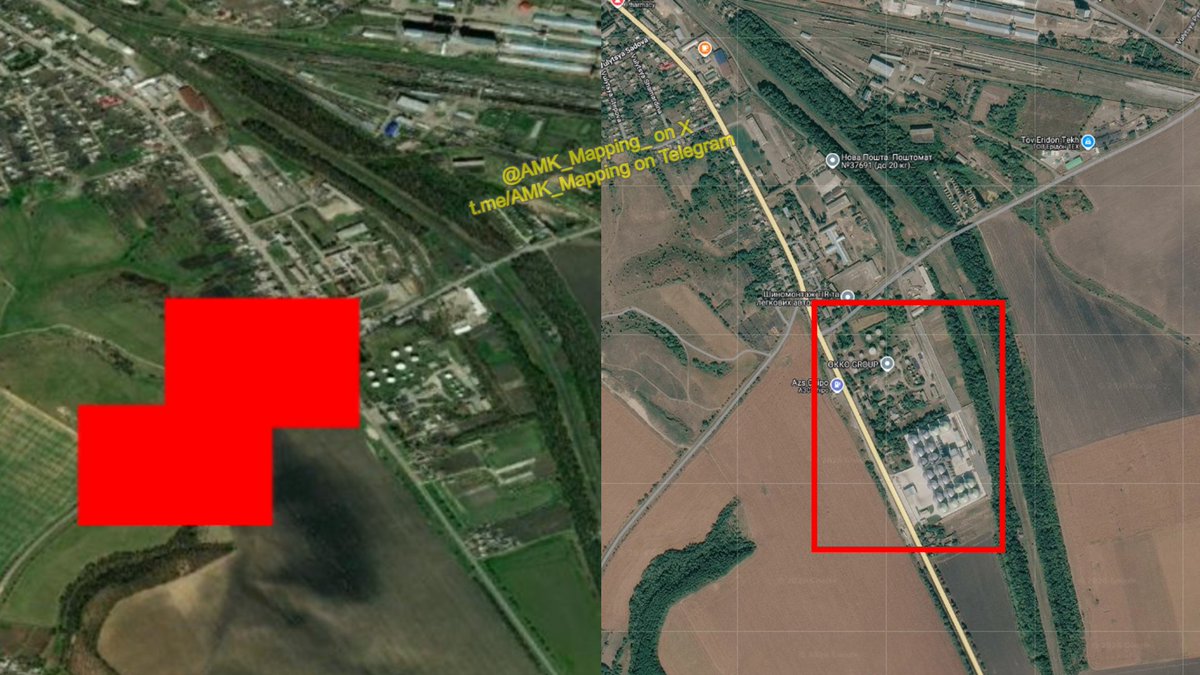
Within the same 24‑hour period, Russian Geran‑4 seeker drones conducted a coordinated assault on Ukraine's railway network. At 00:01 UTC, two locomotives near the settlement of Serbka in Odessa Oblast were destroyed; subsequent strikes at 00:20 UTC and 00:28 UTC hit locomotives near Matviivka (Zaporizhzhia Oblast) and in the city of Dnipropetrovsk respectively.
"Destruction of railway infrastructure using Geran‑4 Seeker drones: • 00:01 – Two locomotives near Serbka, Odessa Oblast. • 00:20 – One locomotive near Matviivka, Zaporozhye Oblast. • 00:28 – One locomotive in Dnipropetrovsk." – intelslava, 2026-11-16T12:15:45, https://t.me/intelslava/98140
Additional drone attacks were recorded later in the day. At 06:49 UTC, Geran‑4 drones struck four locomotives across Dnipropetrovsk, Zaporizhzhia and Odesa regions, while at 06:21 UTC a Geran‑4 drone hit a train at Dnipro Railway Station, marking the third consecutive day of attacks on that hub.
"Russian Geran‑4 Drone Strike Hits Train at Dnipro Station" – Monitor the Situation, 2026-11-16T06:21:06, https://t.me/monitor_the_situation/43371
The cumulative effect of these strikes has disrupted freight movements supporting front‑line supply chains and limited civilian passenger services, compounding the logistical strain on Ukrainian defense operations.
Civilian casualties in the north‑east
Concurrent with the infrastructure attacks, Russian artillery and aerial bombardments in the Sumy and Kharkiv regions injured 20 civilians in each oblast, including four children per region. The broader weekend tally, covering 13‑15 November, indicated at least 20 civilian deaths and 180 injuries across multiple front‑line districts.
"🟠 **Russian Attacks Injure 20 in Each of Sumy and Kharkiv Regions**" – Monitor the Situation, 2026-11-16T17:36:17, https://t.me/monitor_the_situation/43464
No fatalities were reported from the 16 November incidents themselves, but the injuries underscore the persistent threat to non‑combatants in contested zones.
Ukrainian counter‑measures
In response to the escalating kinetic pressure, Ukrainian forces employed tactical drones to strike the Kerch Strait Bridge in Crimea, temporarily halting traffic in both directions. While the bridge remained structurally intact, the operation demonstrated Kyiv’s capability to project force across the Black Sea corridor.
"Ukrainian drones struck the Kerch Strait Bridge in Crimea, prompting traffic restrictions until around midday." – Monitor the Situation, 2026-11-16T06:25:01, https://t.me/monitor_the_situation/43373
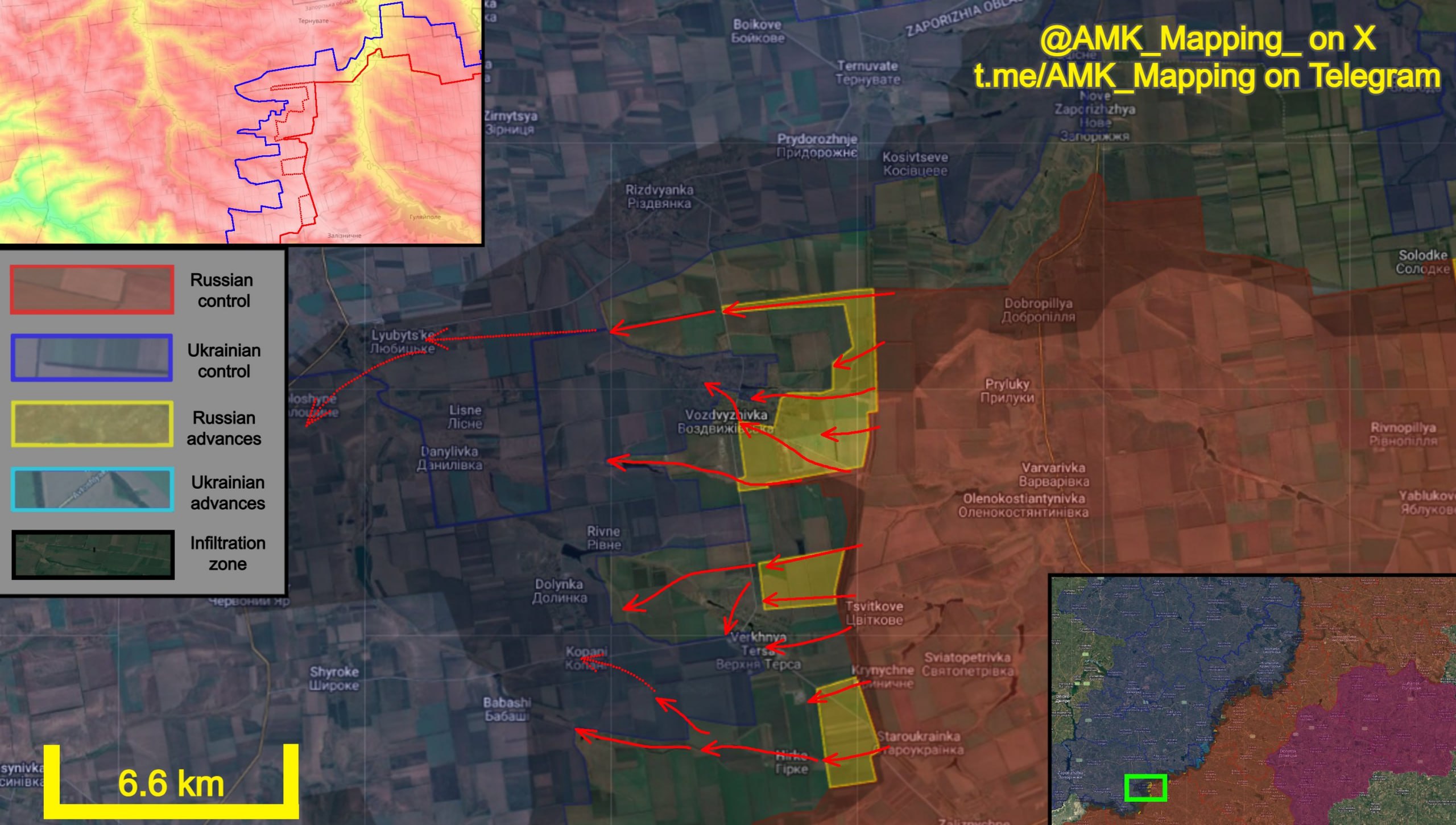
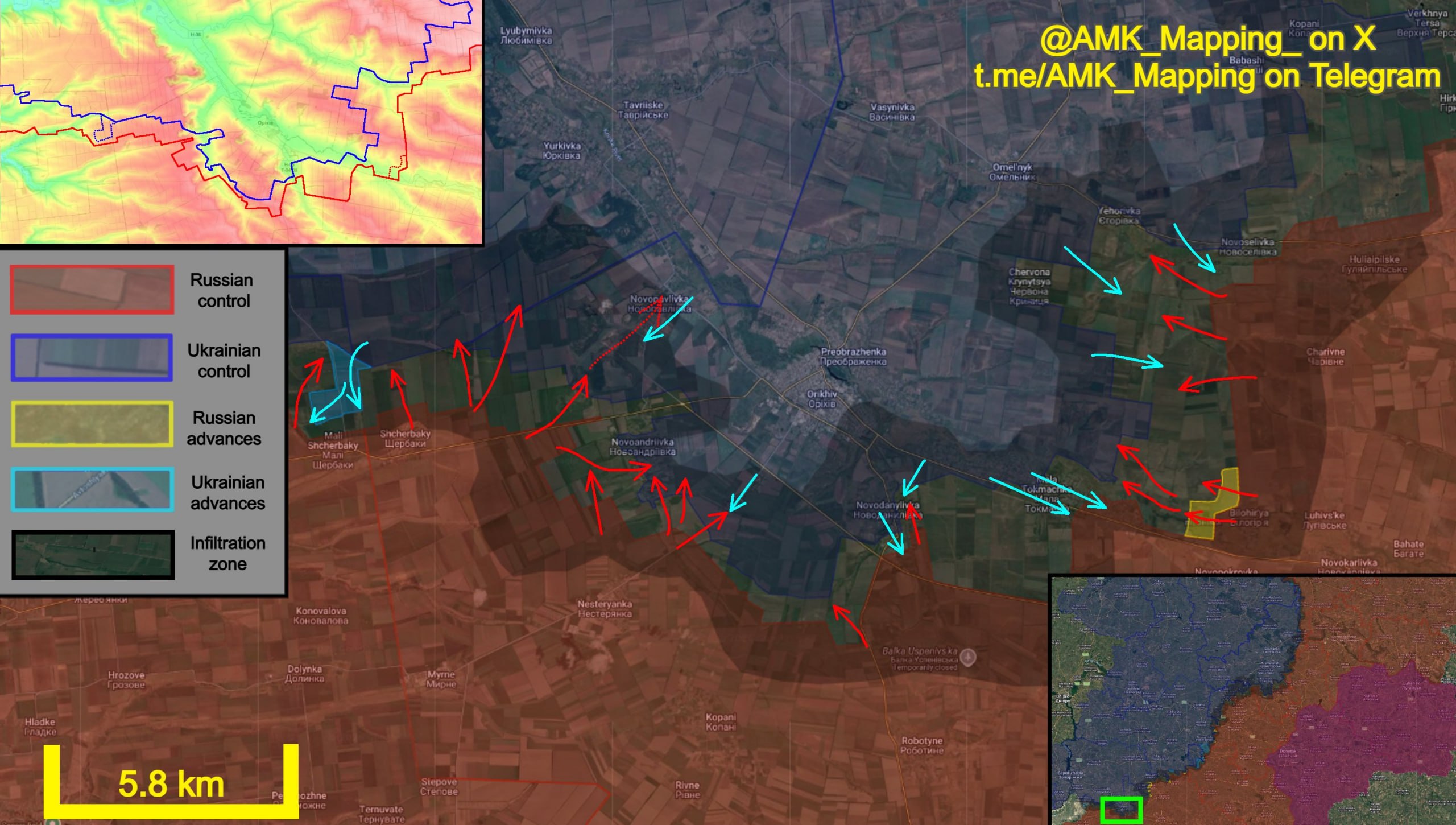
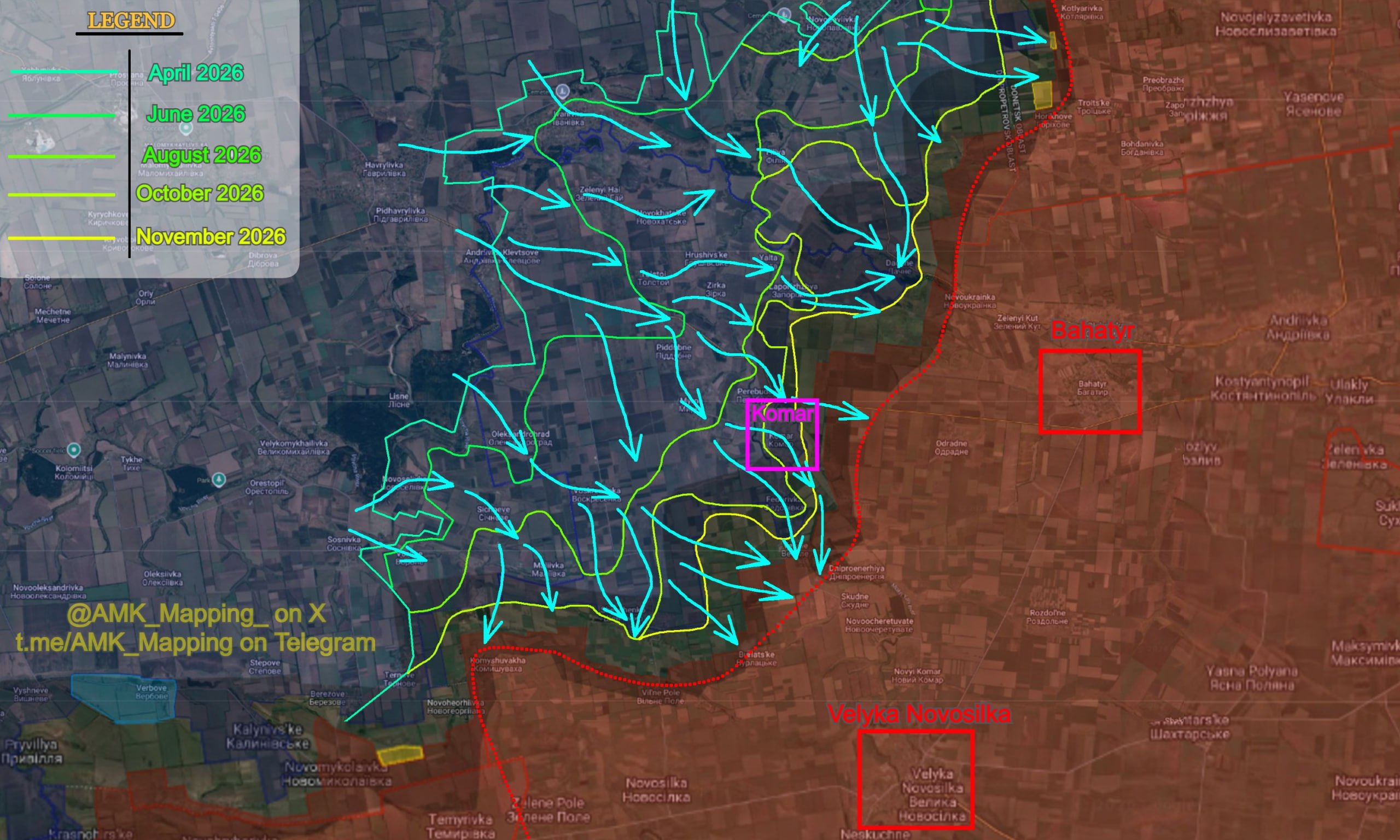
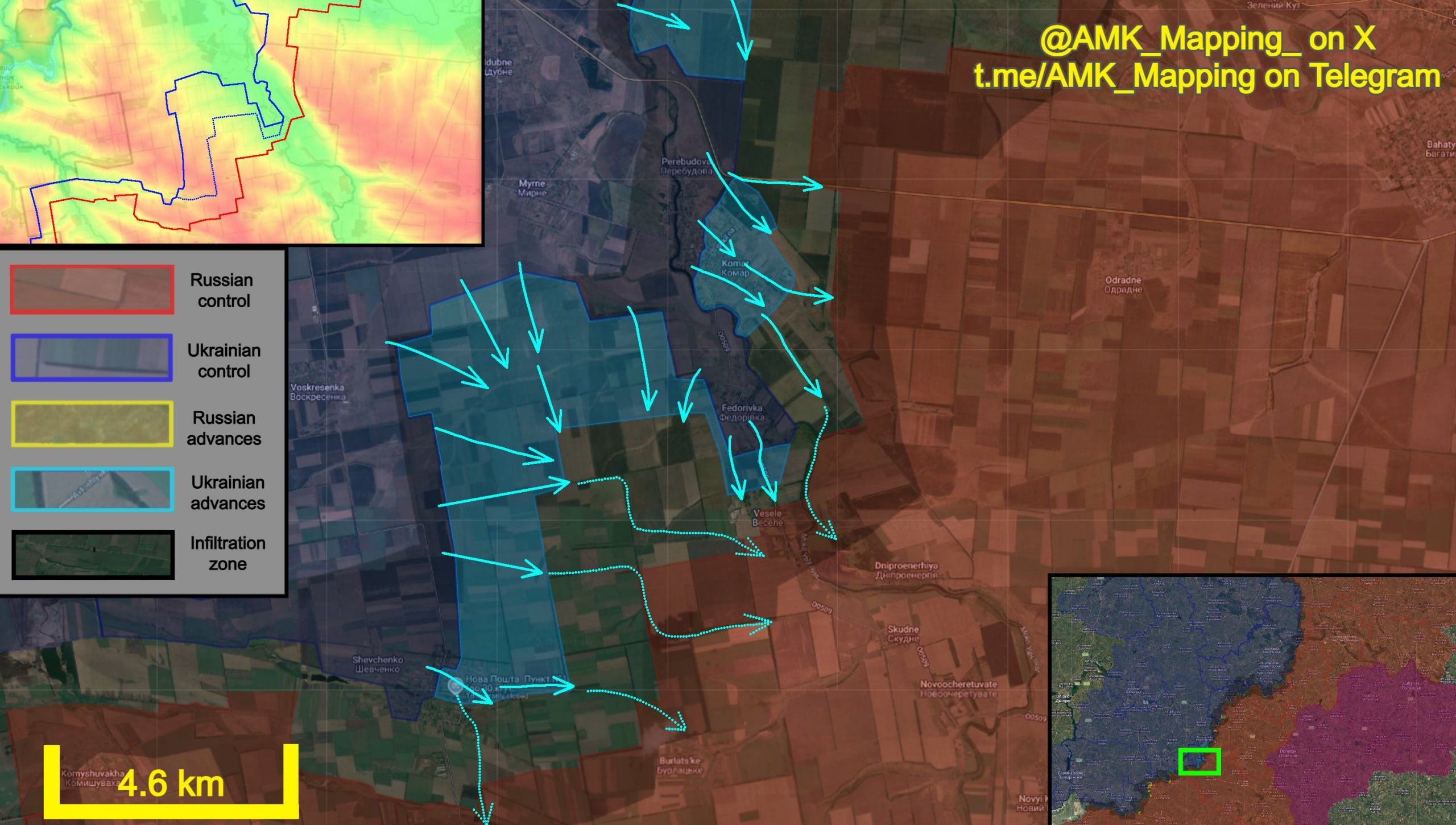
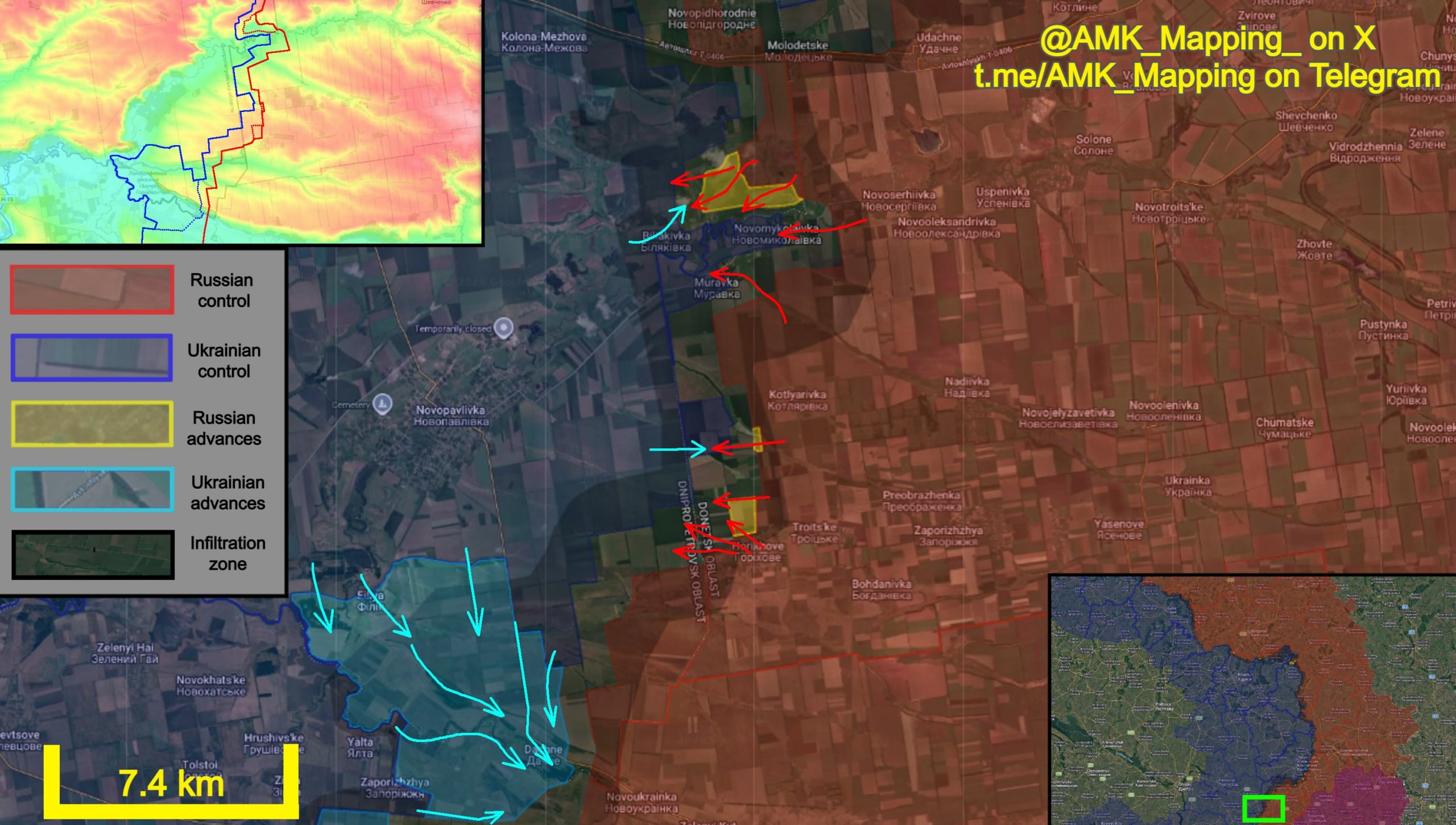
Additionally, Ukrainian artillery units reported recapturing significant territory in the Donetsk Oblast, including the town of Komar and surrounding villages, expanding a reclaimed area of approximately 760 km² since February 2026. These gains, while primarily territorial, relieve pressure on supply routes that had been threatened by the recent railway attacks.
"Ukrainian forces have recaptured Komar and advanced on the flanks, taking Velikaya Novosyolka, Bogatyr and surrounding villages in Donetsk Oblast." – CIG_telegram, 2026-11-16T10:32:02, https://t.me/CIG_telegram/87279
Strategic implications
The synchronized targeting of power and transport assets reflects a Russian strategy aimed at degrading Ukraine’s war‑fighting endurance ahead of the winter months. By curtailing electricity supply, Moscow seeks to strain civilian morale and complicate the operation of command‑and‑control systems that rely on stable power. Simultaneously, the railway strikes aim to impede the movement of ammunition, fuel, and reinforcements to the front lines.
Western partners, notably the European Union, have signaled increased financial and material support, emphasizing rapid delivery of portable generators and heating solutions to mitigate the humanitarian fallout. The EU’s response also includes diplomatic pressure on Russia to adhere to international humanitarian law, though no formal condemnation of the specific attacks has been issued as of this briefing.
Overall, the kinetic events of 16 November illustrate an intensification of Russia’s “soft‑kill” campaign—targeting infrastructure rather than solely engaging in direct combat. The Ukrainian defense apparatus continues to adapt through counter‑drone operations and limited offensive thrusts, but the sustained pressure on critical services poses a growing risk of civilian hardship as the season progresses.