On 16 November 2026, an Iranian‑operated unmanned aerial vehicle (UAV) struck a U.S. military installation in Kuwait, killing six American soldiers and wounding 25 others. The incident, reported by JPost, has been amplified by a whistleblower complaint filed by Maj. Stephen Ramsbottom, who alleges that the Pentagon received prior intelligence warnings that were not acted upon. The claim raises immediate questions about force protection protocols and inter‑agency communication within the United States defense establishment.
"Pentagon officials ignored multiple alerts indicating an imminent Iranian UAV threat to our forces in Kuwait," the complaint states, citing internal memos and satellite imagery that pre‑dated the strike. "The failure to disseminate actionable intelligence directly contributed to the loss of life and injuries suffered on 16 November."
The whistleblower’s allegations are documented in a JPost article (https://www.jpost.com/middle-east/article-915054) and have prompted calls for an independent review of the Pentagon’s threat‑assessment processes. While the U.S. Department of Defense has not yet released a formal response, the incident underscores the growing lethality of UAV platforms in the Middle East and the challenges of rapid decision‑making in high‑risk environments.
Ukrainian Drone Swarm Operations Intensify Against Russian Targets
In parallel, Ukraine escalated its aerial campaign against Russia, deploying two record‑setting drone swarms within a twelve‑hour window. At 11:42 UTC, Ukrainian forces launched a massive swarm targeting Russian oil infrastructure; Russian defense officials reported intercepting over 1,300 drones, though some penetrated defenses and struck multiple refinery sites. Later, at 12:41 UTC, the Ukrainian Ministry of Defense confirmed a separate swarm that surpassed the previous record of 1,254 drones set on 29 October. The scale of these operations reflects a strategic shift toward saturation attacks designed to overwhelm Russian air‑defense networks and disrupt critical energy assets.
"The sheer volume of drones deployed demonstrates Ukraine’s commitment to degrading Russia’s war‑fighting capacity while minimizing personnel risk," a senior Ukrainian defense spokesperson said, as reported by JPost (https://www.jpost.com/international/internationalrussia-ukraine-war/article-915052).
Analysts note that the increased frequency and size of Ukrainian UAV sorties are facilitated by diversified command‑and‑control (C2) systems, including the adoption of an Israeli satellite communications platform that allows real‑time retargeting of drones. According to a CIG_telegram briefing (https://t.me/CIG_telegram/87281), Ukraine has shifted from reliance on commercial services such as Starlink to a dedicated Israeli sat‑com network, enhancing operational flexibility and reducing vulnerability to external interference.
Russia’s Counter‑UAV Campaign and Asset Damage
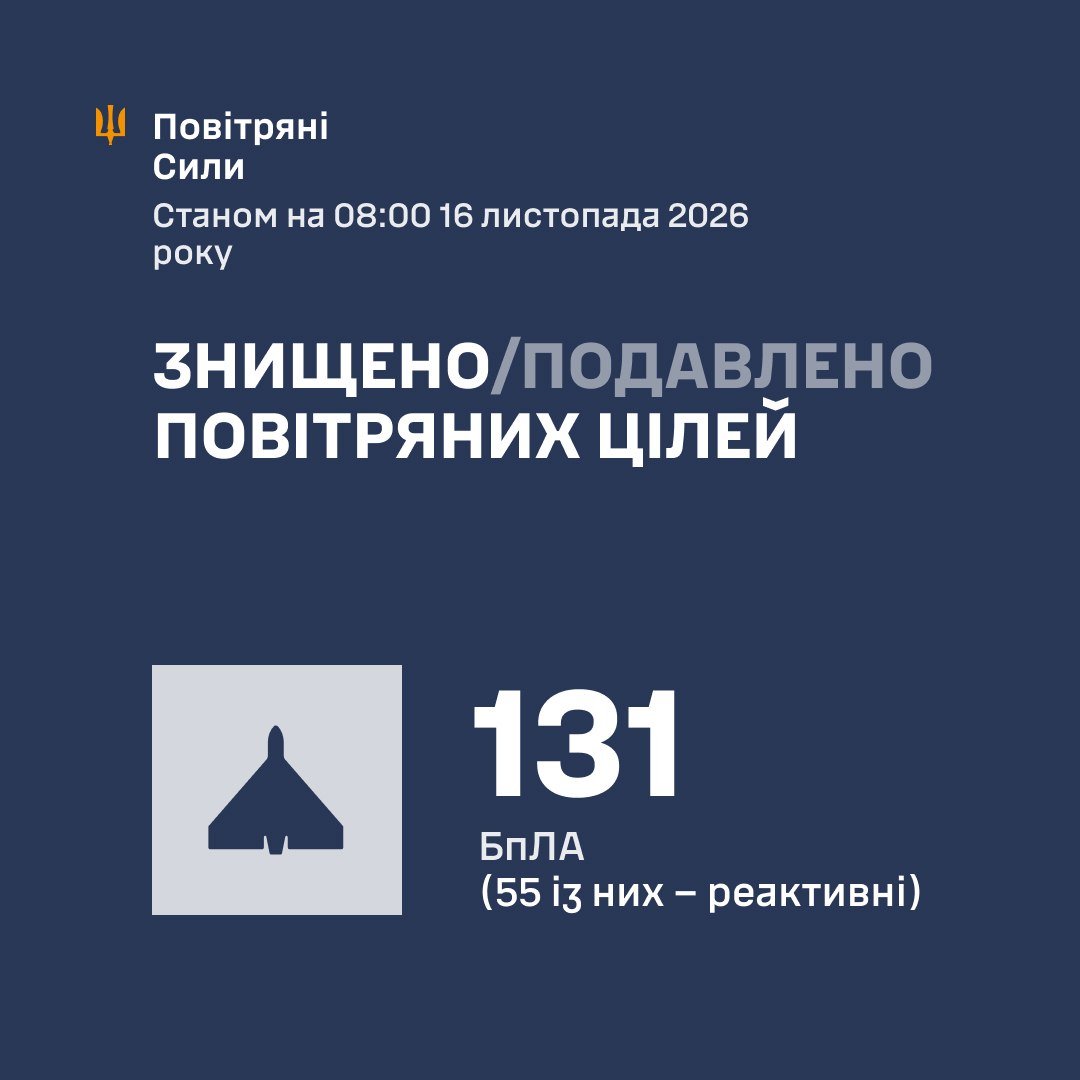
Russia responded with its own UAV offensive, launching 158 drones toward Ukrainian positions at 08:07 UTC. Ukrainian air defenses claimed to have shot down 131 of the incoming drones, including 77 Shahed‑type loitering munitions, while striking 19 of the launch sites. The engagement, documented by monitor_the_situation (https://t.me/monitor_the_situation/43389), illustrates the ongoing tit‑for‑tat UAV exchange that has become a hallmark of the conflict.
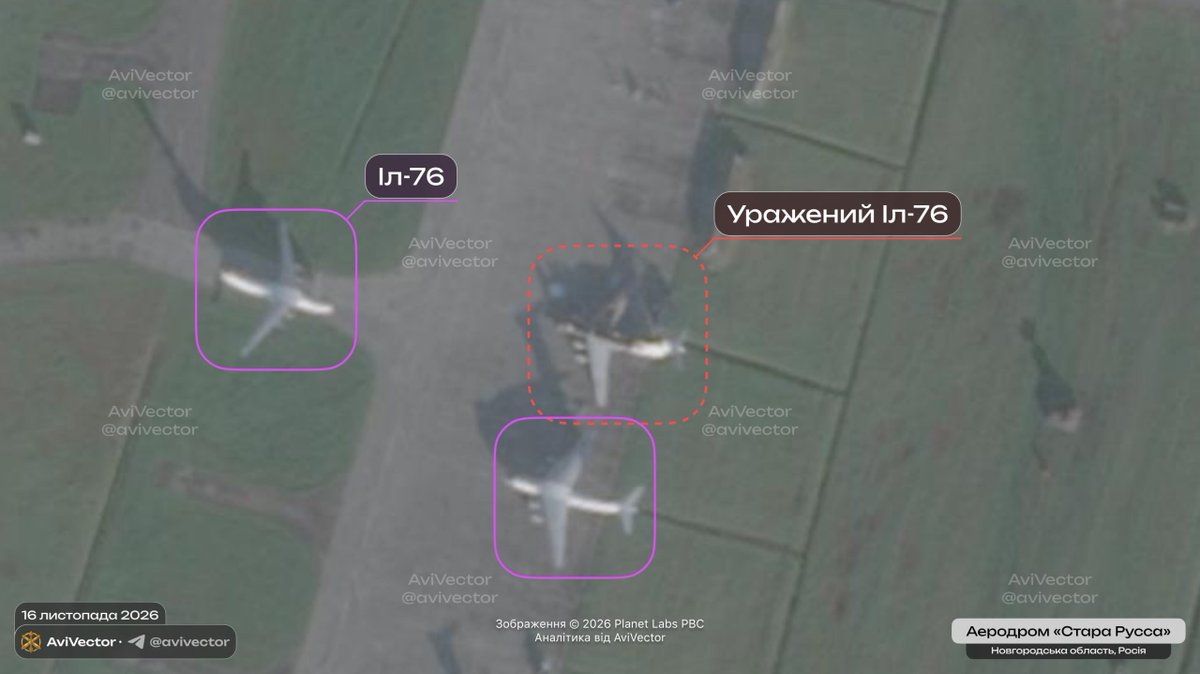
Separately, satellite imagery released on 16 November revealed damage to a Russian Il‑76 transport aircraft at Staraya Russa airfield in Novgorod Oblast. The imagery, analyzed by AviVector and shared via the NOELreports channel (https://t.me/monitor_the_situation/43415), suggests the aircraft was struck by a Ukrainian missile on 10 November. While the Il‑76 was not destroyed, the incident highlights Ukraine’s expanding capability to target high‑value logistical assets deep within Russian territory.
French Covert Military Presence in Ukraine Under “Volia”
Beyond the immediate kinetic exchanges, a separate development emerged concerning Western involvement in the Ukrainian theater. CIG_telegram disclosed that French troops have been operating covertly in Ukraine since the summer of 2026 under the codename “Volia,” a mission masked by a Polish training cover. The operation, reported by Radio France Internationale, involves the deployment of Caesar self‑propelled howitzers, Mirage 2000 fighter jets, and precision‑guided missiles, coordinated through the Gerfaut training mission and EUMAM‑Ukraine framework.
"The Volia mission remains off the official record, but sources confirm a French general leads the effort, providing both training and direct fire support to Ukrainian forces," the RFI report states (https://t.me/CIG_telegram/87314).
The presence of French heavy assets, combined with the use of Polish logistical channels, indicates a deepening of European military support that bypasses traditional diplomatic channels. While Paris has not publicly acknowledged the deployment, the revelation adds a new layer of complexity to the multinational dimension of the conflict.
Implications for Regional Stability and UAV Proliferation
The convergence of these events on a single day underscores the accelerating role of unmanned systems in modern warfare. The Iranian UAV strike in Kuwait demonstrates that state‑sponsored drone attacks are extending beyond the primary Ukraine‑Russia front, potentially reshaping threat calculations across the Gulf region. Simultaneously, Ukraine’s record‑setting swarms and Russia’s large‑scale drone offensives illustrate a mutual escalation that strains existing air‑defense architectures.
Western involvement, exemplified by the French “Volia” mission, suggests that conventional forces are increasingly integrating with UAV‑centric strategies, providing artillery and air support that complement drone operations. The adoption of dedicated satellite communications for UAV control further reduces reliance on commercial networks, mitigating the risk of external disruption and enhancing operational security.
Collectively, these developments point to a conflict environment where kinetic actions are increasingly mediated by autonomous or remotely piloted platforms, demanding rapid adaptation from both military planners and policymakers.