Iran’s Revolutionary Guard Corps (IRGC) announced the closure of the Strait of Hormuz on November 15, 2026 following a coordinated cruise‑missile and drone attack on a United States military installation in Bahrain. The strike, reported by the Telegram channel monitor_the_situation at 04:20:37, marks the most significant escalation in a series of Iranian actions aimed at U.S. and allied Gulf assets since the start of the year.
Details of the Bahrain attack
The IRGC confirmed that multiple cruise missiles and unmanned aerial vehicles (UAVs) were launched from Iranian territory toward the U.S.‑operated base at Riffa Air Base, southeast of Riffa, Bahrain. Residents near the base reported a series of explosions, and the IRGC Aerospace Force claimed that at least six UAVs reached the vicinity of the air‑defence radar, with some making close contact before being neutralised. The attack was framed as retaliation for “repeated American airstrikes against Iran,” a narrative echoed by the state‑run Fars News Agency (source).
"Iran's IRGC says the Strait of Hormuz is closed after a combined cruise missile and drone attack on a US base in Bahrain," – monitor_the_situation, 04:20:37, 15 Nov 2026.
In the same hour, a separate report from the same channel noted three additional explosions on Bahrain’s mainland, though casualty figures were not disclosed (source).
Extended missile and UAV activity in Bahrain
Between 04:09 and 04:27 UTC, a cascade of Iranian missile and UAV launches targeted multiple sites across Bahrain:
- 04:09:32 – Unspecified missiles were launched toward Bahrain (source).
- 04:16:27 – A cruise missile struck Sitra Island; a second missile was intercepted by Bahrain’s air‑defence network (source).
- 04:17:07 – The IRGC fired additional missiles at U.S. bases in Bahrain, citing retaliation (source).
- 04:18:20 – Six UAVs were directed at the U.S.‑operated radar at Riffa Air Base, with residents reporting close‑range explosions (source).
- 04:27:58 – Three more explosions were reported in Bahrain, though details remain sparse (source).
Collectively, these actions demonstrate a sustained Iranian campaign to pressure U.S. forces and their Gulf partners, leveraging both kinetic and psychological effects.
Regional response: Saudi‑led coalition interceptions
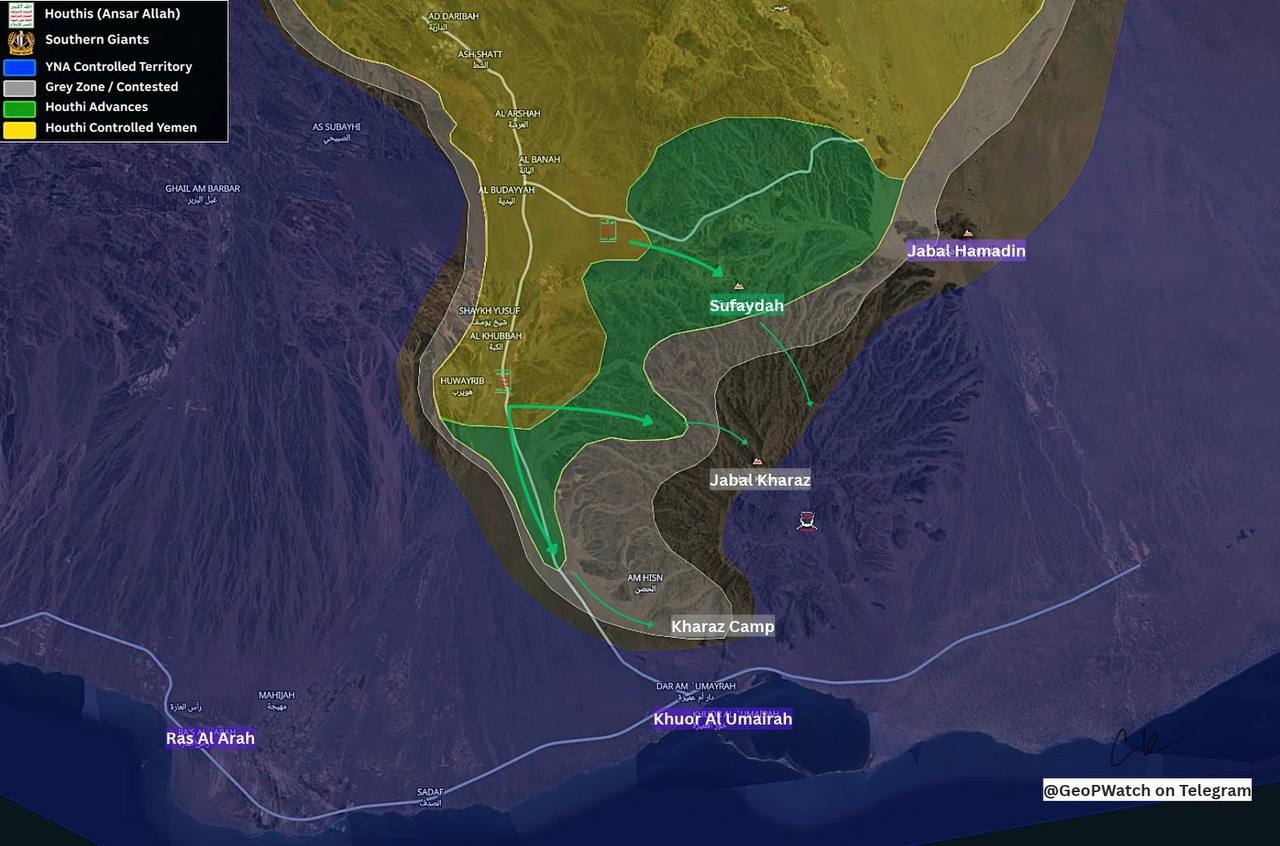
While Iran’s focus has been on U.S. installations, the broader Gulf region has faced simultaneous threats from Yemen’s Houthi movement. The Saudi‑led coalition reported multiple successful interceptions on the same day:
- 03:10:21 – Two ballistic missiles were shot down over Riyadh, and three drones were neutralised over the Eastern Province (source).
- 02:54:38 – Saudi air defences intercepted two ballistic missiles near Mecca; debris fell in Sabuhah and Wadi al‑Maghmas (source).
These interceptions underscore the heightened alert status across the Gulf, where Saudi air‑defence assets are now engaged on multiple fronts – against Iranian‑linked strikes and Houthi missile attacks.
Strategic implications of the Strait closure
The Strait of Hormuz is a chokepoint through which roughly 20 % of global oil shipments transit. Its closure, even if temporary, raises immediate concerns for international energy markets and maritime security. The IRGC’s declaration, coupled with the physical threat of additional missile and UAV launches, signals a willingness to leverage the waterway as a bargaining chip in its broader confrontation with the United States.
U.S. Central Command has not yet released an official statement, but the pattern of Iranian aggression aligns with Tehran’s stated doctrine of “asymmetric escalation” aimed at deterring further U.S. strikes on Iranian soil. The coordinated nature of the attacks – involving cruise missiles, UAVs, and ballistic missiles – suggests a high level of operational planning within the IRGC Aerospace Force.
Broader conflict landscape
Although the primary focus of today’s briefing is Iran’s escalation, other notable events unfolded across the wider theatre of conflict on 15 Nov 2026:
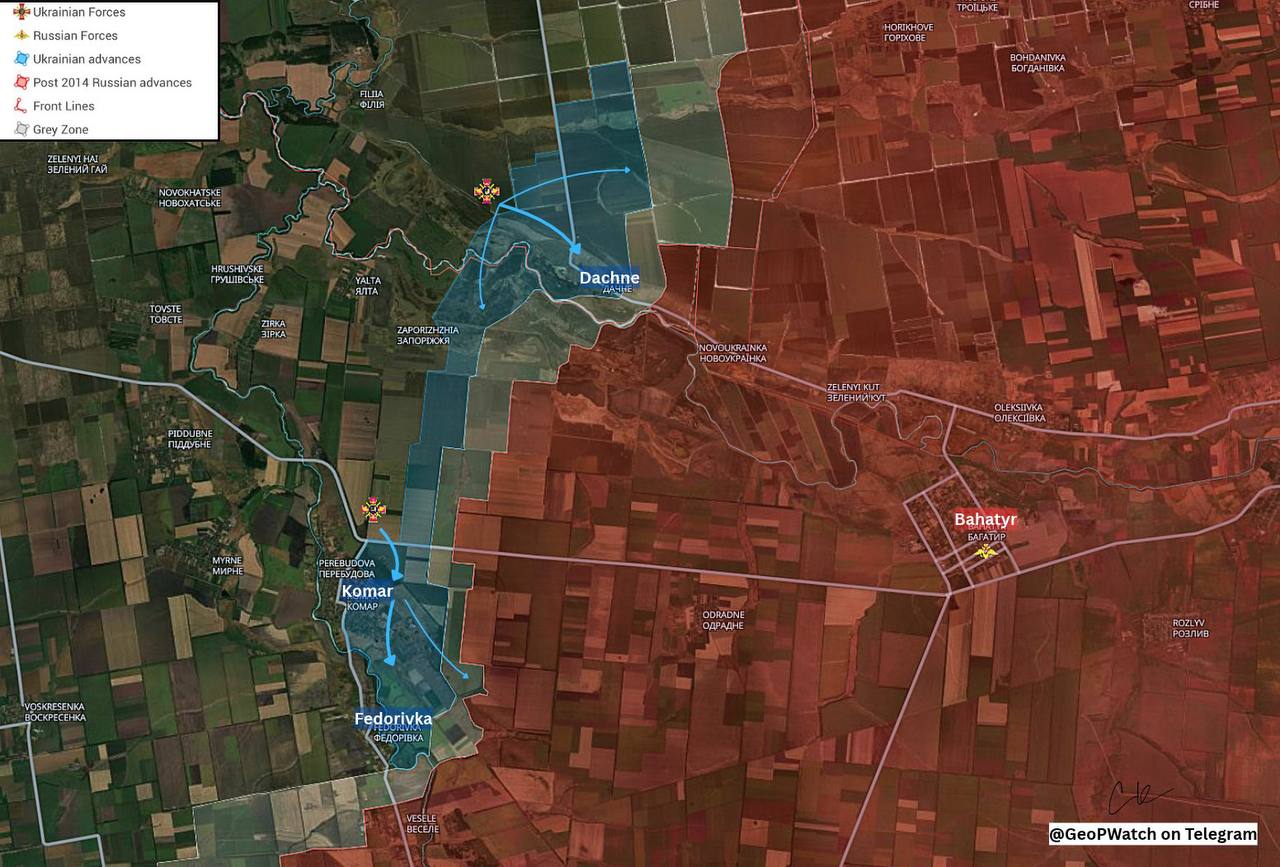
- In Ukraine, Russia deployed 16 KAB glide‑bombs on Zaporizhzhia, causing extensive fires (source).
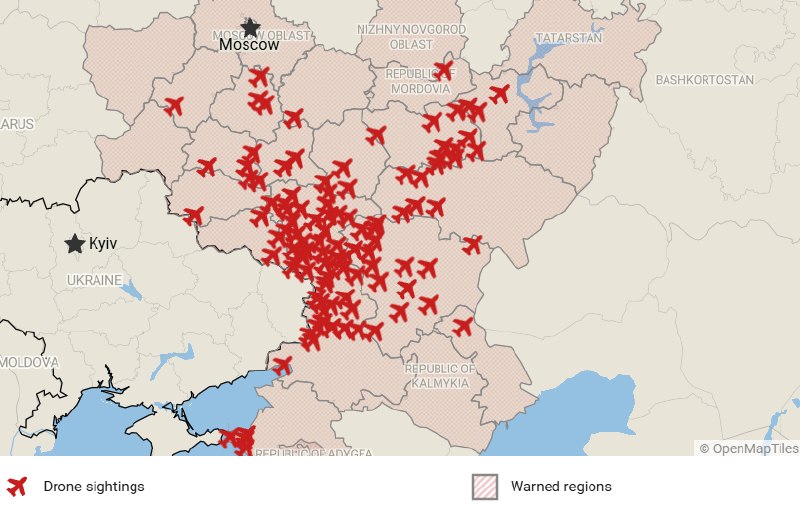
- Ukrainian forces conducted a large‑scale drone raid deep into Russia’s Volga River basin, highlighting the expanding reach of drone warfare (source).
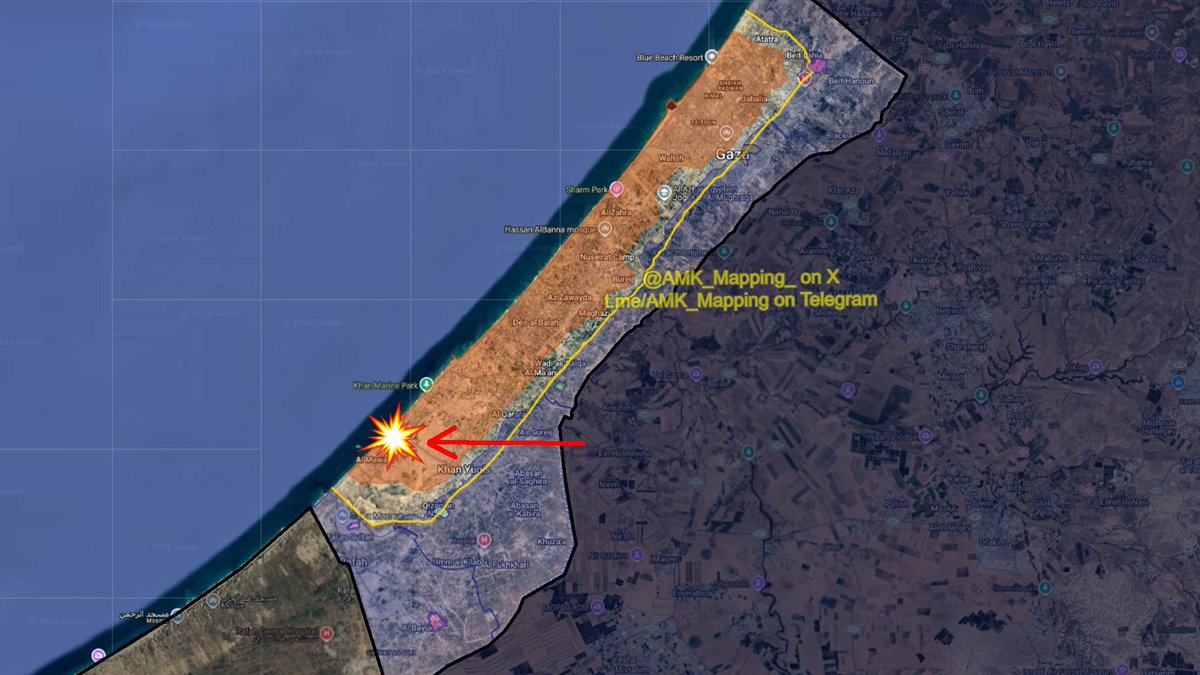
- In the Gaza Strip, Israeli forces claimed to have eliminated a senior Hamas operative in Rafah (source).
These parallel developments illustrate a global environment of heightened kinetic activity, where state and non‑state actors are increasingly employing precision‑guided munitions and unmanned systems.
Assessment and outlook
The coordinated missile‑drone strike on Bahrain represents the most direct Iranian challenge to U.S. forces in the Gulf since the 2020 killing of General Qasem Soleimani. By declaring the Strait of Hormuz closed, Tehran is testing the resolve of the United States and its allies to maintain freedom of navigation while avoiding a broader conventional confrontation.
Key variables that will shape the next phase include:
- U.S. response options: Whether Washington opts for calibrated kinetic retaliation, diplomatic pressure, or a combination of both will influence Tehran’s calculus.
- Regional coalition cohesion: The ability of Saudi Arabia, Bahrain, and other Gulf states to present a unified defensive posture against both Iranian and Houthi threats.
- International economic impact: Prolonged disruption of oil flows through the Strait could trigger market volatility, potentially prompting external mediation.
For now, the IRGC’s actions have succeeded in raising the strategic stakes in the Gulf, compelling all parties to reassess risk thresholds and preparedness levels.