On 14 November 2026, the Islamic Revolutionary Guard Corps (IRGC) Navy released video evidence of an oil tanker ablaze in the Strait of Hormuz after being struck by an anti‑ship cruise missile. The footage, posted on the Telegram channel intelslava at 05:06 UTC, shows a large commercial vessel engulfed in flames, with smoke columns visible against the horizon. The IRGC identified the weapon as an anti‑ship cruise missile launched from an Iranian platform, though the specific missile type was not disclosed. No casualty figures were released, and the crew’s status remains unconfirmed.
"🇮🇷⚡️ — The IRGC Navy has released footage showing an oil tanker ablaze in the Strait of Hormuz following an anti‑ship cruise missile strike."
According to the same source, the incident occurred within Iranian territorial waters, a region that has experienced heightened naval activity since early 2026. The IRGC’s statement emphasizes the strategic intent of the strike: to demonstrate capability to interdict commercial shipping that deviates from authorized transit routes. The video was accompanied by a brief caption linking the attack to “defensive operations” against vessels perceived to be violating Iranian maritime regulations.
Naval Mine Explosions Follow Minutes Later
At 04:56 UTC, intelslava reported that two additional oil tankers detonated naval mines while attempting to navigate an unauthorized route through the Strait of Hormuz. The IRGC announced that the vessels had disabled their navigation systems, a maneuver that, according to Iranian authorities, contravenes established maritime protocols. Both tankers suffered catastrophic explosions, resulting in extensive fire damage and the loss of cargo. Again, casualty numbers were not provided, and the IRGC did not specify the origin of the mines.
"The IRGC announced that two oil tankers attempting to transit an unauthorized route through the Strait of Hormuz with their navigation systems switched off struck naval mines and exploded, leaving both vessels engulfed in flames."
The twin incidents—missile strike and mine detonations—occurred within a ten‑minute window, suggesting a coordinated effort to enforce control over the narrow waterway. The Strait of Hormuz, a chokepoint through which approximately 20 % of global petroleum shipments pass, has been a focal point of geopolitical tension, particularly between Iran and Western-aligned shipping interests.
Ground Development in Eastern Ukraine
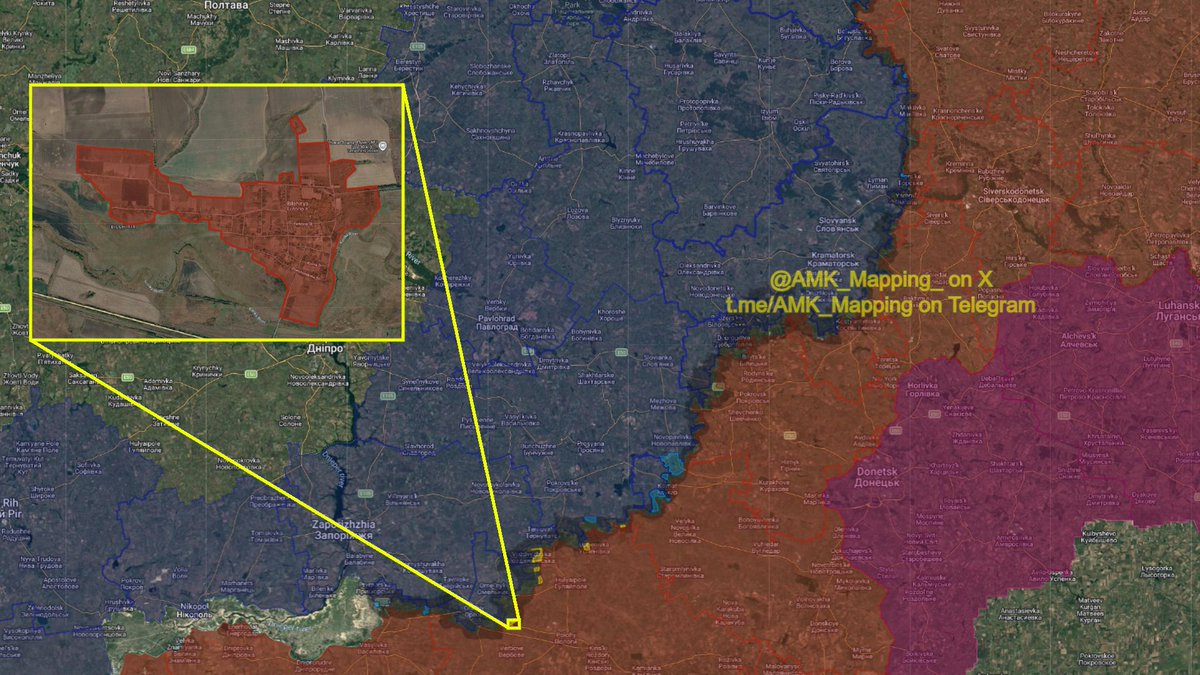
In a separate theater, Russian forces captured the village of Bilohirya in Zaporizhzhia Oblast, Ukraine, at 03:26 UTC. The report, posted by the Telegram channel monitor_the_situation, confirmed that after roughly eleven months of combat in the Orikhiv direction, Russian troops secured the settlement. Bilohirya, with a pre‑war population of about 320 residents, lies on a minor road linking the towns of Orikhiv and Tokmak, providing a tactical foothold for further advances toward the regional center of Zaporizhzhia.
"Russian troops take the village of Bilohirya in the Orikhiv direction, Zaporizhzhia Oblast, after about 11 months of fighting. Pre‑war population was roughly 320."
The capture was documented with a single photograph showing Russian armored vehicles positioned along the village’s main street. No combat casualties were reported by either side in the immediate aftermath, and the Ukrainian Ministry of Defense has not issued an official statement confirming the loss.
Operational Context and Immediate Implications
The juxtaposition of maritime aggression in the Persian Gulf and ground gains in Eastern Ukraine illustrates the simultaneous escalation of conflict across distinct geographic fronts. In the Hormuz incidents, the use of an anti‑ship cruise missile and naval mines indicates a shift toward asymmetric maritime tactics designed to disrupt commercial navigation without direct engagement of foreign naval forces. The IRGC’s public release of video and textual evidence serves both a deterrent function and a domestic propaganda purpose, reinforcing Iran’s narrative of defending sovereign waters.
In Ukraine, the seizure of Bilohirya reflects ongoing Russian efforts to consolidate control over the Zaporizhzhia sector, a region already contested since the 2022 invasion. The village’s capture, while modest in scale, provides a logistical node that could support supply lines for Russian units operating further west. The lack of reported casualties suggests a possible negotiated surrender or a rapid tactical withdrawal by Ukrainian defenders.
Broader Strategic Assessment
Both events underscore the capacity of state actors to conduct targeted operations that achieve specific strategic objectives while limiting broader escalation. The IRGC’s actions in the Strait of Hormuz are consistent with a pattern of leveraging maritime denial tools—missiles and mines—to compel compliance from commercial vessels, thereby exerting economic pressure without provoking direct naval confrontation with external powers. Conversely, the Russian advance in Bilohirya aligns with a methodical approach to territorial acquisition, focusing on incremental gains that reinforce supply routes and command‑and‑control structures.
From a conflict‑monitoring perspective, the simultaneity of these developments highlights the importance of multi‑theater analysis. While the incidents are unrelated in terms of actors and geography, they collectively signal a broader trend of heightened readiness to employ kinetic measures in contested zones. Observers should monitor subsequent IRGC communications for indications of further maritime enforcement actions, as well as Ukrainian defense responses that may aim to retake Bilohirya or reinforce adjacent positions.
In the coming days, the international community is likely to assess the impact of the Hormuz attacks on global oil markets, given the strait’s pivotal role in energy logistics. Simultaneously, diplomatic channels concerning the Ukraine conflict may reference the Bilohirya capture as evidence of Russian momentum, potentially influencing negotiations on ceasefire or peace proposals.