On 14 November 2026 Ukraine experienced a surge of kinetic activity across its eastern and southern theatres. Russian forces employed artillery, aerial drones, and ballistic missiles, resulting in civilian deaths and extensive material damage. Simultaneously, Ukrainian units demonstrated growing operational depth, repelling assaults, recapturing territory, and striking high‑value Russian assets. The day’s events illustrate a widening gap between offensive Russian firepower and increasingly effective Ukrainian defensive and counter‑offensive measures.
Zaporizhzhia Oblast: High‑Casualty Russian Strikes
According to the monitoring channel monitor_the_situation, Russian attacks in Zaporizhzhia Oblast killed seven people, including a child, and injured 80 civilians across the region. Governor Ivan Fedorov confirmed three fatalities in the oblast’s capital and 62 injuries in surrounding settlements. The strikes combined unguided artillery shells with low‑altitude UAV incursions, targeting residential areas and infrastructure.
"Russian Attacks Kill 7, Injure 80 Across Ukraine. Zaporizhzhia Oblast worst hit with 3 dead including a child and 62 injured, per Governor Ivan Fedorov."The high casualty count underscores the persistent threat to civilian populations in contested zones.
Mass Drone Assault and Ukrainian Air Defences
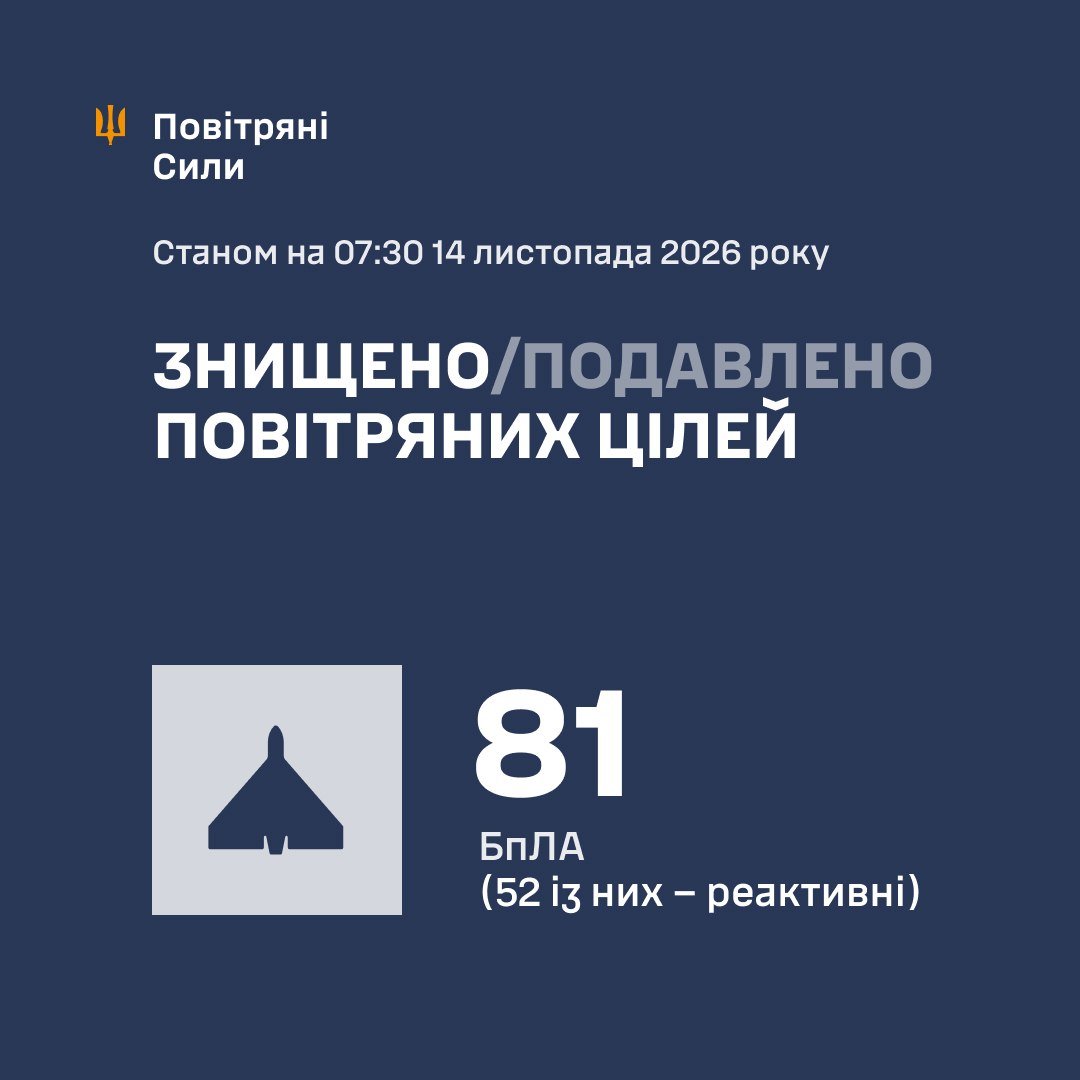
In the early hours, Russia launched a coordinated swarm of 96 Shahed‑type drones against Ukrainian airspace. Ukrainian air‑defence units intercepted or suppressed 81 of the drones, including 61 Shahed models, according to monitor_the_situation. Impacts were recorded at eight locations, with debris falling in two additional sites. The successful interception rate reflects continued improvements in radar integration, surface‑to‑air missile readiness, and the deployment of electronic‑warfare assets.
"Ukrainian air defenses intercepted or suppressed 81 of 96 drones launched overnight, including 61 Shaheds. Impacts were recorded at eight locations, with falling debris at two others."
Pokrovske: Destruction of 82nd Air Assault Brigade Command Post
At 13:08:35, Russian forces employed five FAB‑500 glide‑kit bombs equipped with UMPK kits to strike the forward command post of Ukraine’s 82nd Air Assault Brigade in the settlement of Pokrovske. The attack, reported by the intelligence channel intelslava, demolished the command facility and likely caused personnel losses, though exact casualty figures were not disclosed. The use of heavy glide‑bombs indicates a tactical shift toward precision‑guided munitions capable of penetrating fortified positions.
Hlukhiv (Sumy Oblast): Drone Strike and Civilian Rescue
A Russian drone struck a civilian building in Hlukhiv, Sumy Oblast, at 14:06. Police officers Mykola Savchenko and Ihor Voloshko rescued a nine‑year‑old boy and his grandmother from the rubble; Officer Voloshko sustained a wound while both civilians survived. The incident, documented by monitor_the_situation, highlights the continued risk of low‑altitude UAV attacks on populated areas and the importance of rapid emergency response capabilities.
Ukrainian Counter‑Offensive Actions
Ukrainian 93rd Mechanized Brigade repelled a Russian assault near Druzhkivka in Donetsk Oblast, destroying the attacking column. Footage released by the brigade on 11 November confirmed the defensive success, and the event was reiterated on 14 November by monitor_the_situation. The engagement demonstrates effective combined‑arms coordination at the brigade level.
In the Kharkiv direction, Ukrainian troops recaptured the village of Stepy after a ten‑day battle, restoring control over a settlement of approximately 790 pre‑war inhabitants. The operation, reported by monitor_the_situation, reflects ongoing territorial gains in the Izyum‑Borova axis.
Ukrainian border guards, operating under the “Destruction Team” designation, struck Russian communications antennas, UAV control systems, electronic‑warfare equipment, and reconnaissance vehicles in Northern Slobozhanshchyna. The operation, captured on video and shared by monitor_the_situation, disrupted Russian command‑and‑control capabilities along a critical front.
SBU Alpha Destroys Russian Shahed Drone Launch Site
Special Branch Unit (SBU) Alpha operators neutralized a Russian Shahed drone and its vehicle‑mounted launcher at a launch site within Ukrainian territory. The strike, reported by monitor_the_situation, eliminated a launch capability and demonstrated the growing proficiency of Ukrainian special‑operations forces in targeting mobile air‑defence threats.
Analytical Overview
The day's kinetic events reveal a dual trajectory: Russian forces continue to employ high‑explosive artillery, glide‑bombs, and massed UAV attacks to pressure Ukrainian civilian centers and military installations, while Ukrainian forces increasingly leverage integrated air‑defence networks, rapid‑reaction special forces, and coordinated ground assaults to blunt Russian offensives and reclaim territory. Casualty figures from Zaporizhzhia underscore the humanitarian cost of indiscriminate strikes, whereas the high interception rate of Shahed drones indicates a narrowing of the aerial advantage previously held by Russia.
Continued monitoring of weapon system deployment—particularly the use of FAB‑500 glide‑kits and large‑scale Shahed swarms—will be essential for assessing the evolving balance of firepower. Ukrainian success in disrupting Russian communications and launch sites suggests that electronic‑warfare and special‑operations capabilities are becoming decisive factors in the conflict’s kinetic dimension.