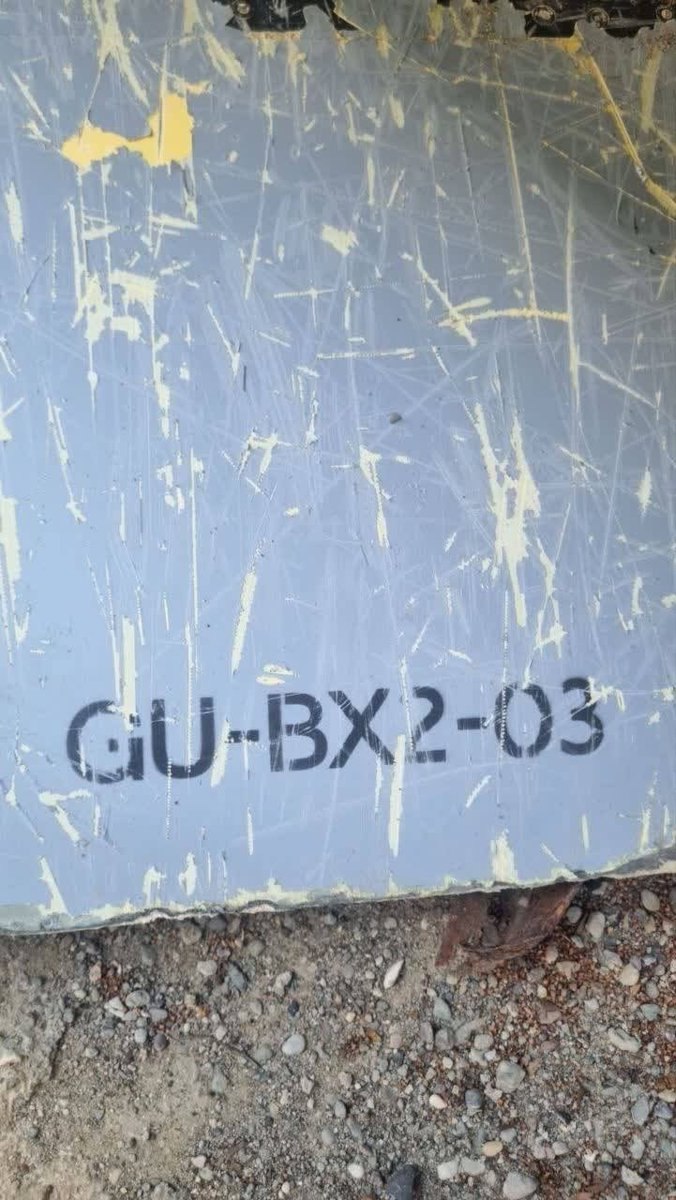
On 13 November 2026 Iran experienced a series of coordinated kinetic events that spanned its western provinces, central heartland, and southern maritime corridors. The most consequential incident was the reported detonation of a mine that struck an LNG tanker in the Strait of Hormuz, a chokepoint that handles roughly a third of global oil shipments. The explosion, confirmed by Iranian authorities and reported by monitor_the_situation, underscores the growing risk to commercial navigation in a waterway already contested by regional powers.
Mine‑Struck LNG Tanker in the Strait of Hormuz
According to a Telegram post from monitor_the_situation, an LNG carrier operating in international waters of the Strait of Hormuz detonated a naval mine at approximately 07:50 UTC. Iranian officials described the blast as “significant,” noting that the vessel suffered severe hull damage and that emergency response teams were dispatched to the scene. No casualty figures were released, and independent verification of the incident remains pending. The event is classified by the source as a S3 – SIGNIFICANT conflict occurrence.
"An LNG tanker hit a mine and exploded in the Strait of Hormuz," the post read, citing an unnamed Iranian ministry spokesperson.
The strategic implications are immediate: the Strait of Hormuz is a critical conduit for energy exports from the Persian Gulf, and any disruption can reverberate through global markets. While Iran has previously accused adversaries of mining the waterway, this is the first publicly acknowledged mine‑related casualty involving a commercial vessel in 2026.
Missile Launches from Khuzestan Province
At 15:31 UTC, the open‑source monitoring channel GeoPWatch reported a salvo of missiles launched from Iran’s Khuzestan Province. The post, linked at https://t.me/GeoPWatch/41672, described “multiple missiles” being fired, though it did not specify the missile type, launch platform, or target. No casualties or damage reports have emerged, and the launch appears to be a demonstration of capability rather than a direct strike on a specific asset.
"Multiple missile launches right now from the Khuzestan Province, Iran," GeoPWatch wrote.
The timing of the missile launch, occurring shortly after the maritime incident, suggests a coordinated escalation or a signaling effort aimed at both regional adversaries and domestic audiences.
Explosions at the IRGC 15th Khordad Base, Isfahan
Within the same afternoon, GeoPWatch posted two separate alerts regarding explosions at the Islamic Revolutionary Guard Corps (IRGC) 15th Khordad base in Isfahan. The first alert at 15:23 UTC (https://t.me/GeoPWatch/41669) noted “explosions reported at the IRGC’s 15th Khordad base.” A second, more detailed alert at 15:24 UTC (https://t.me/GeoPWatch/41670) described “renewed explosions” at the same facility. The base is known for housing missile production and testing capabilities. No weapon systems were identified in the reports, and casualty numbers were not disclosed.
"Renewed explosions were reported at the IRGC's 15th Khordad base in Isfahan," GeoPWatch noted.
Analysts note that repeated explosions at a high‑value IRGC installation could indicate internal accidents, sabotage, or an external kinetic strike. Without corroborating evidence, the precise cause remains unverified.
U.S. Drone Interceptions by the Iranian Navy
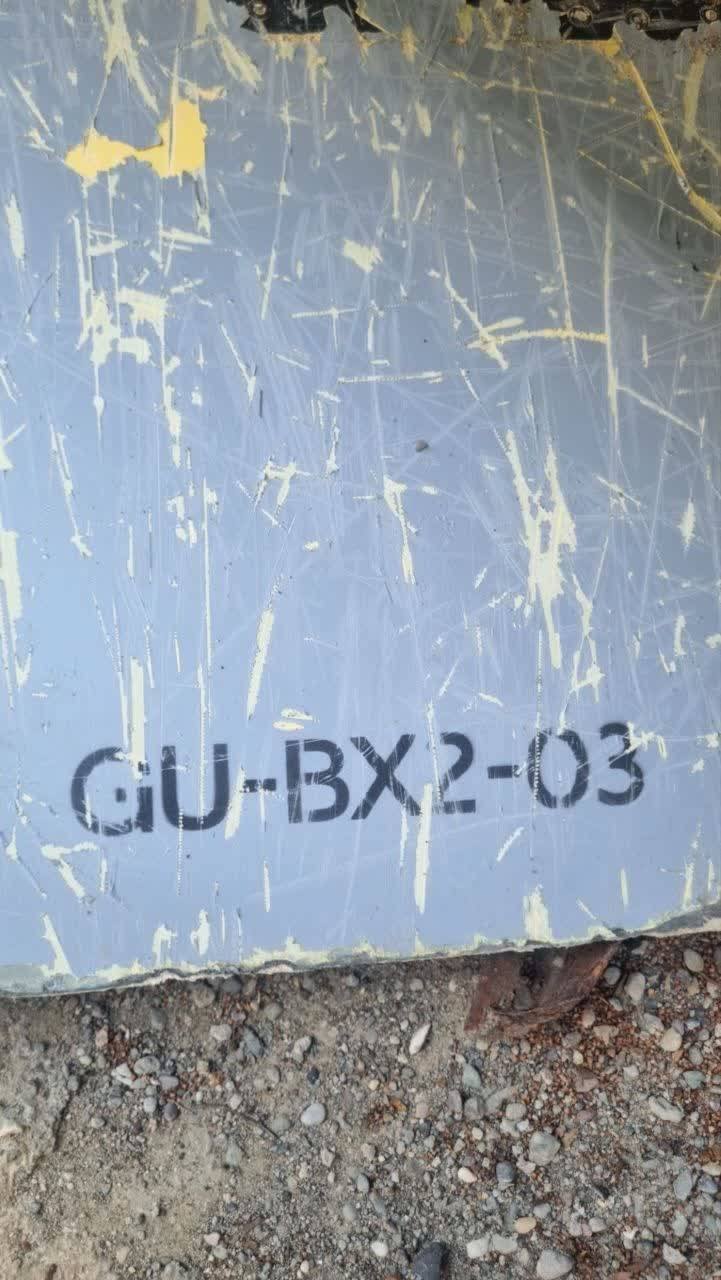
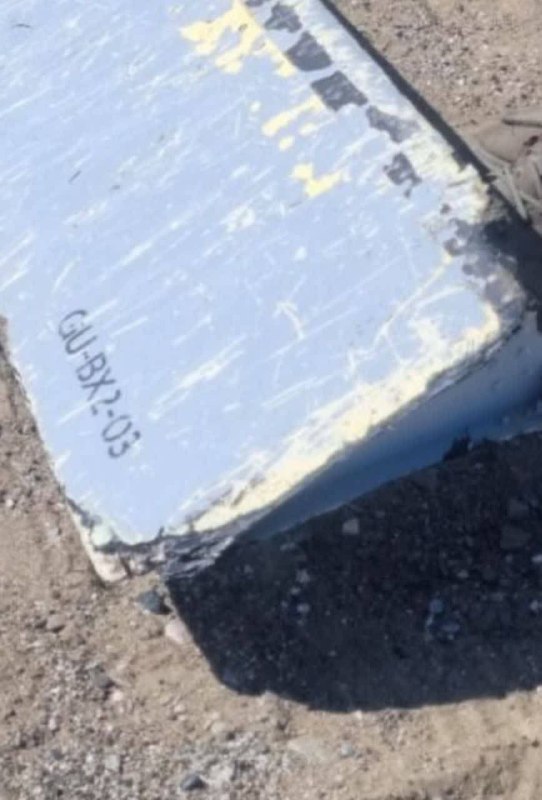
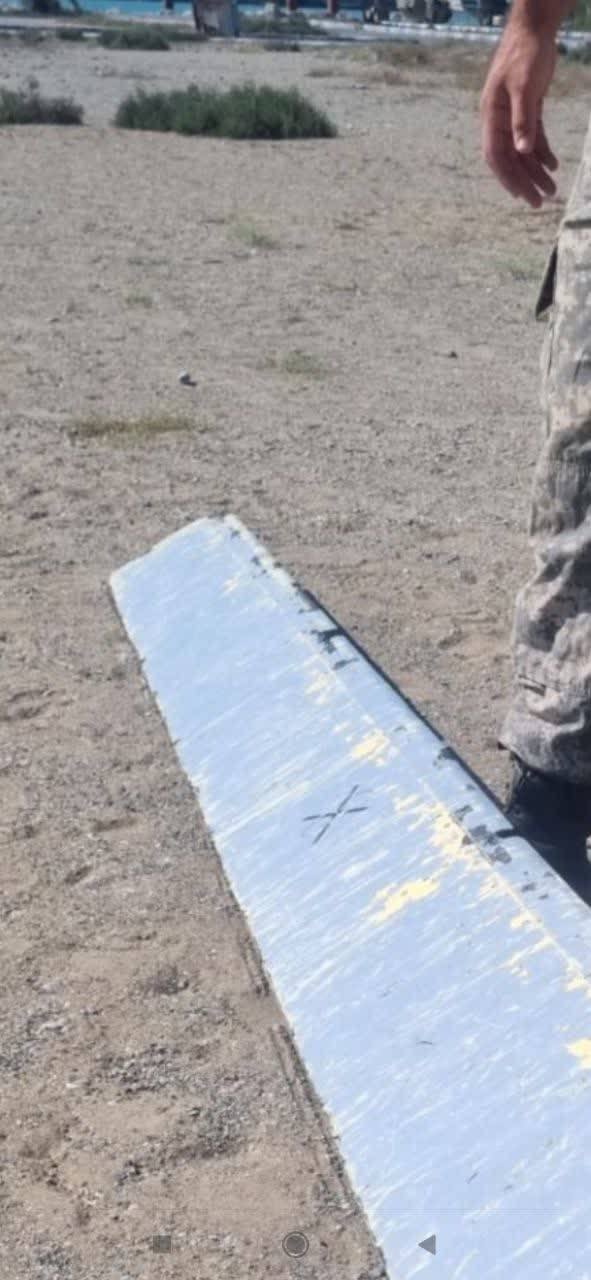
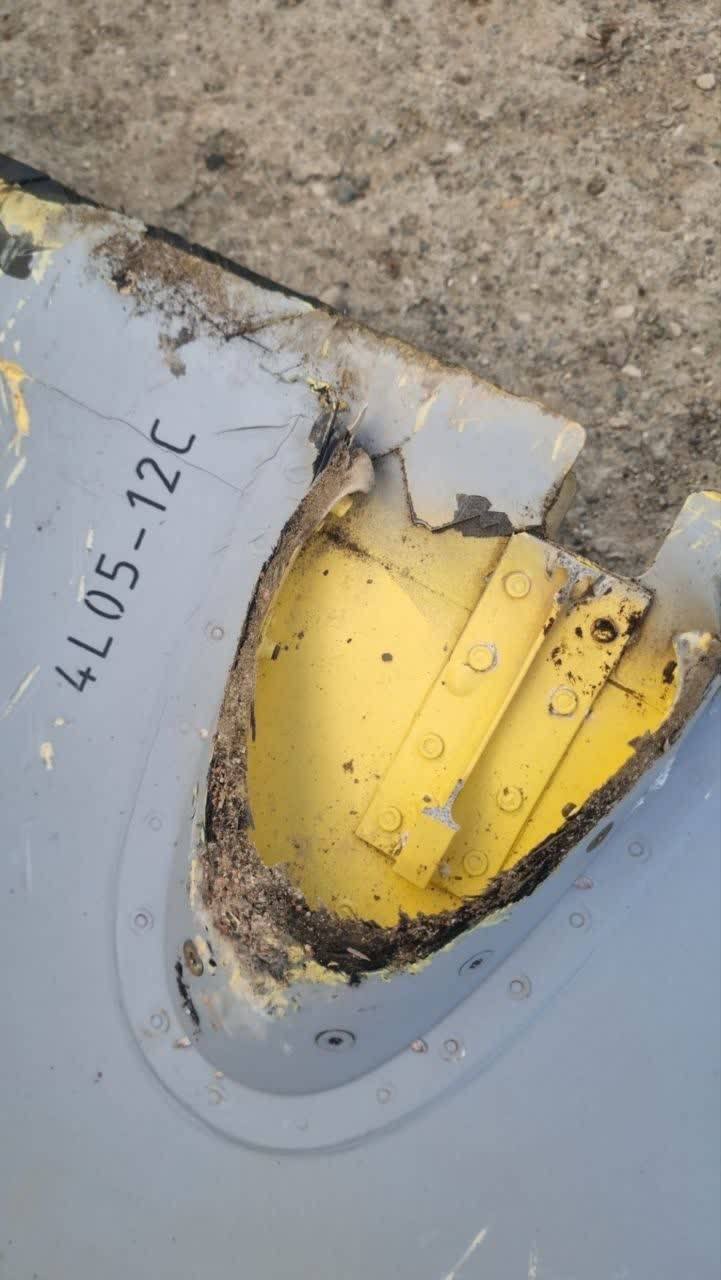
Iran’s naval forces reported two separate interceptions of U.S. unmanned aerial vehicles (UAVs) on 13 November. The first, at 10:46 UTC, involved a U.S. MQ‑1 drone over the Strait of Hormuz, as announced by the channel monitor_the_situation (https://t.me/monitor_the_situation/42924). The second, at 14:50 UTC, detailed the downing of a U.S. Army MQ‑1C Gray Eagle UCAV over Kuhestak in Hormozgan Province, reported by CIG_telegram (https://t.me/CIG_telegram/87159). Both statements were issued by the Islamic Republic of Iran Navy, though independent verification is lacking.
"Iranian Navy announced intercepting a U.S. Army MQ‑1C Gray Eagle UCAV above Kuhestak, Hormozgan Province," CIG_telegram reported.
The interceptions, if accurate, represent a notable escalation in aerial contestation over Iranian airspace and the strategic Strait of Hormuz. The MQ‑1 series drones are typically employed for reconnaissance and target acquisition, suggesting that the United States may have been gathering intelligence on Iranian maritime movements.
Analytical Overview
The clustering of kinetic events on a single day points to a heightened state of readiness on both Iranian and U.S. sides. The mine explosion in the Strait of Hormuz directly threatens commercial shipping and could trigger insurance premium spikes and rerouting of vessels. Simultaneously, missile launches from Khuzestan and explosions at a key IRGC facility indicate a possible internal testing or signaling campaign. The reported drone shoot‑downs, while uncorroborated by third‑party sources, align with a pattern of increased aerial surveillance and counter‑UAV activity in the region.
From a strategic perspective, Iran appears to be leveraging kinetic actions to reinforce its deterrence posture, especially in the maritime domain where it has historically employed asymmetric tactics such as mining and small‑craft attacks. The United States, for its part, continues to operate reconnaissance UAVs near Iranian waters, a practice that Iran has repeatedly condemned as violations of sovereignty.
Given the absence of casualty data, the immediate humanitarian impact of these incidents appears limited. However, the potential for escalation remains high, particularly if commercial vessels suffer further damage or if either side attributes the attacks to deliberate aggression rather than accident.