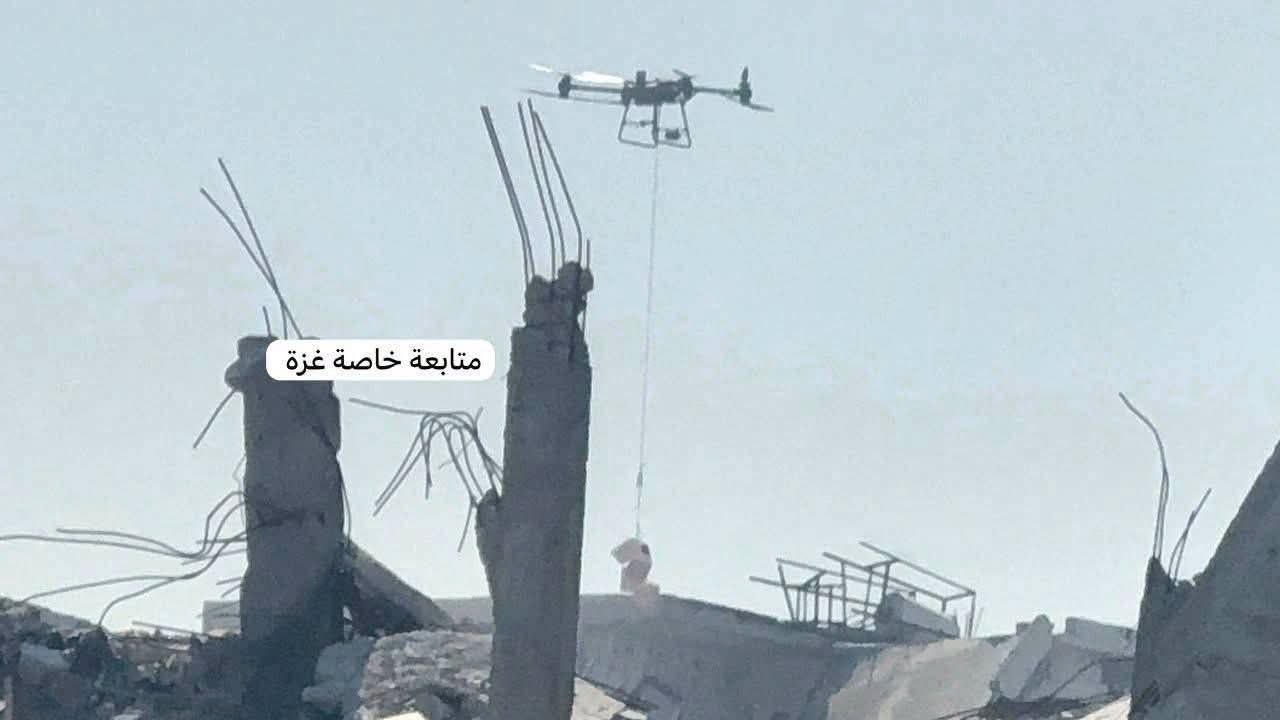
On the night of 12‑13 November, Russian forces launched a coordinated drone campaign that resulted in nine fatalities and sixty‑one injuries across Ukraine, including a blaze at a Kyiv hospital. The operation, reported by Monitor the Situation, involved 117 unmanned aerial systems, of which 63 were jet‑powered, marking the most extensive drone sortie in the conflict to date. Casualties were concentrated in residential districts and critical infrastructure, underscoring the growing reliance on aerial kinetic attacks to achieve strategic disruption.
Russian Drone Attacks Kill 9, Injure 61 Across Ukraine
The Ukrainian Air Force intercepted a portion of the swarm, but the sheer volume overwhelmed air‑defence assets, allowing several drones to strike civilian targets. The fire at the Kyiv hospital prompted an emergency medical response and highlighted the vulnerability of health facilities in high‑intensity conflict zones.
Airstrike in Zaporizhzhia Inflicts Civilian Injuries
Earlier on 13 November, an airstrike in the southern city of Zaporizhzhia wounded thirteen people, five of whom were children. The strike, documented by Monitor the Situation, did not specify the weapon system used, but the pattern aligns with previous Russian use of unguided munitions in populated areas. Local authorities reported damage to residential blocks and a nearby school, prompting evacuations and temporary suspension of public services.
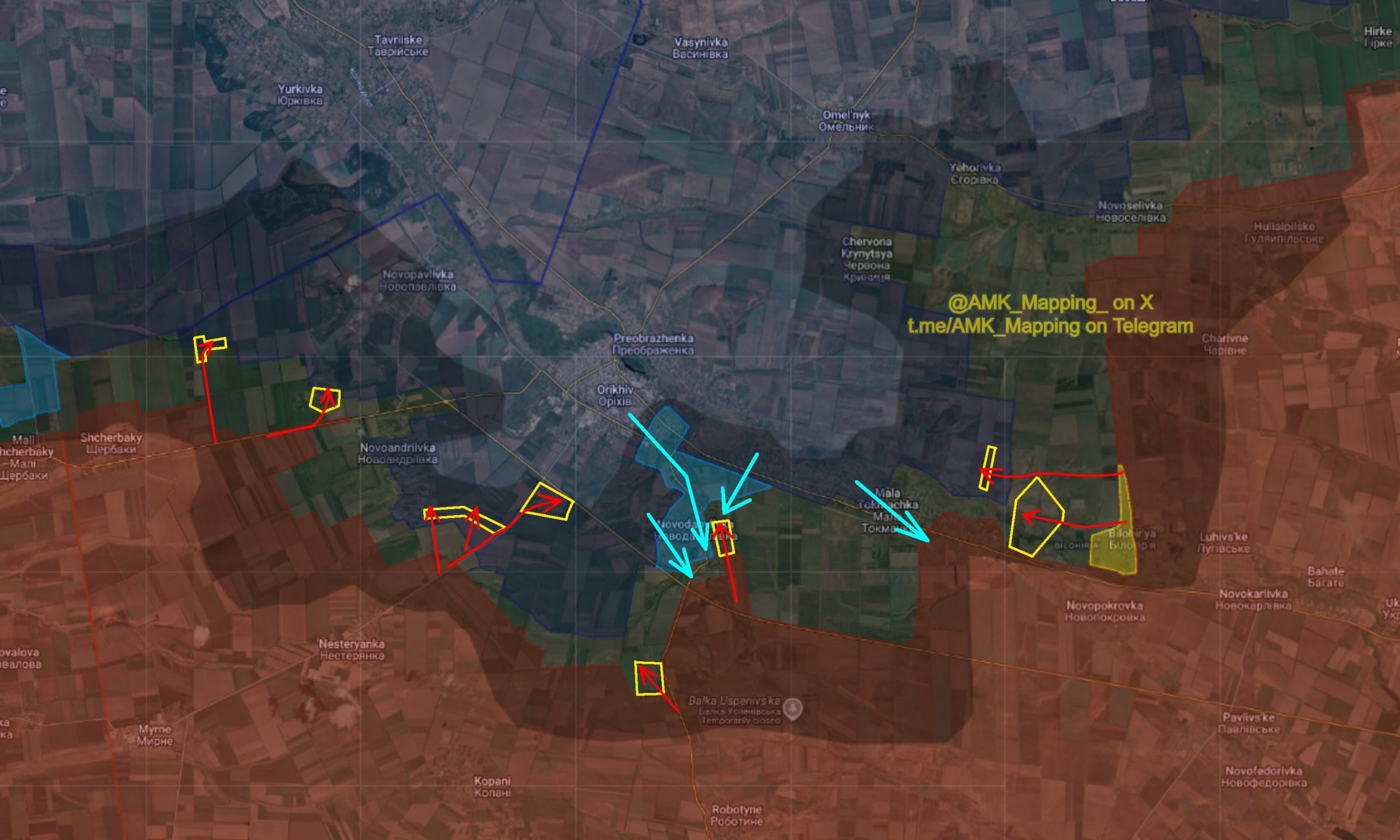
Deep Infiltration Operations Around Orekhov, Zaporizhzhia Oblast
Russian forces intensified deep‑penetration attacks around the village of Orekhov and adjacent settlements, opening new assault vectors to pressure Ukrainian defensive lines. According to CIG_telegram, the operations involved small‑unit infiltrations targeting the flanks of the city, aiming to disrupt supply routes and create tactical dilemmas for Ukrainian commanders. While casualty figures remain unconfirmed, the shift toward covert ground maneuvers signals a diversification of Russian tactics beyond conventional artillery and air power.
While Ukrainian forces continue their counterattacks south of Orekhov, the Russian command has not abandoned their attempts at carrying out deep infiltrations, especially on the flanks of the city.
Intensified Ground Offensives in Donetsk Oblast
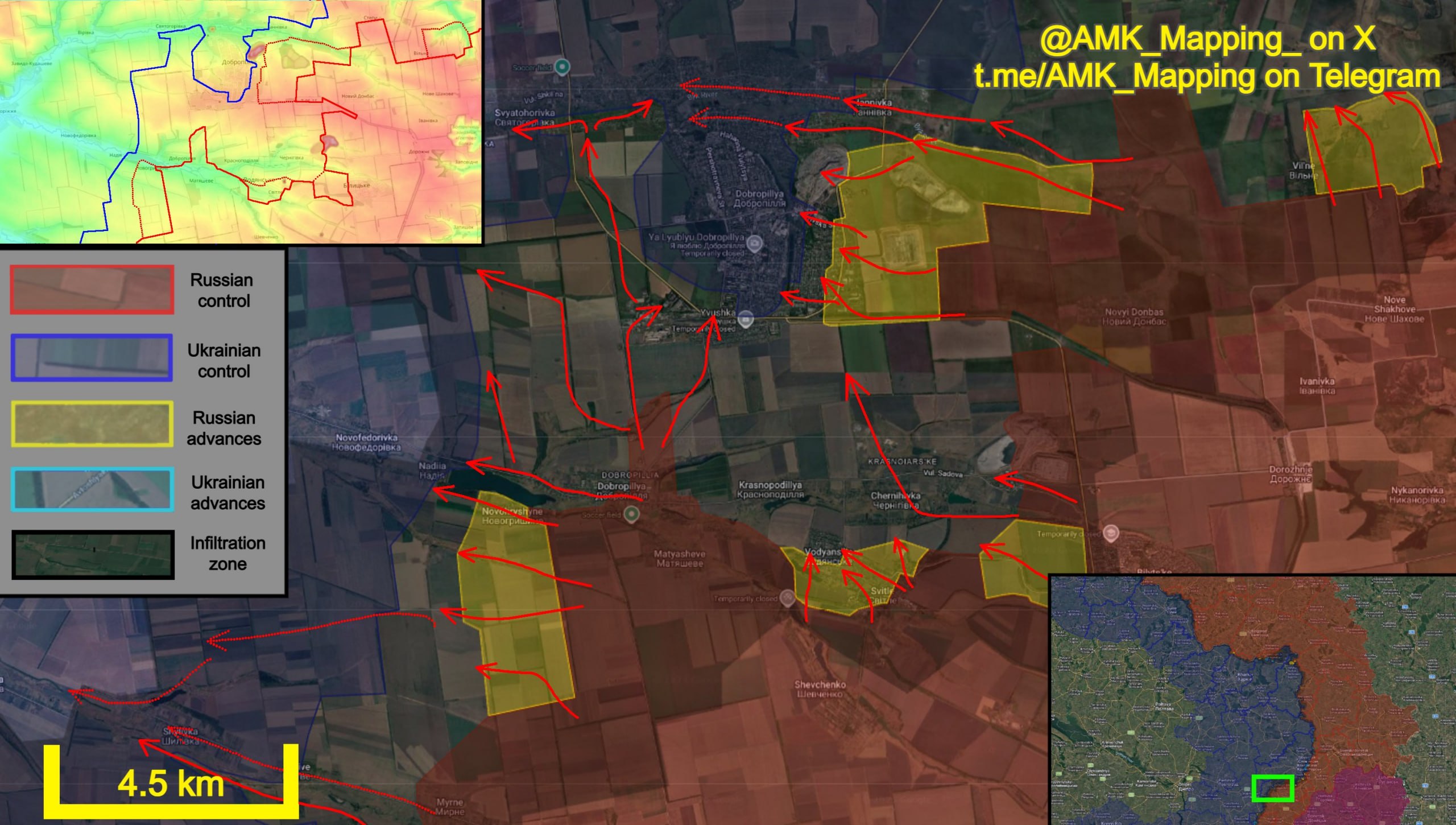
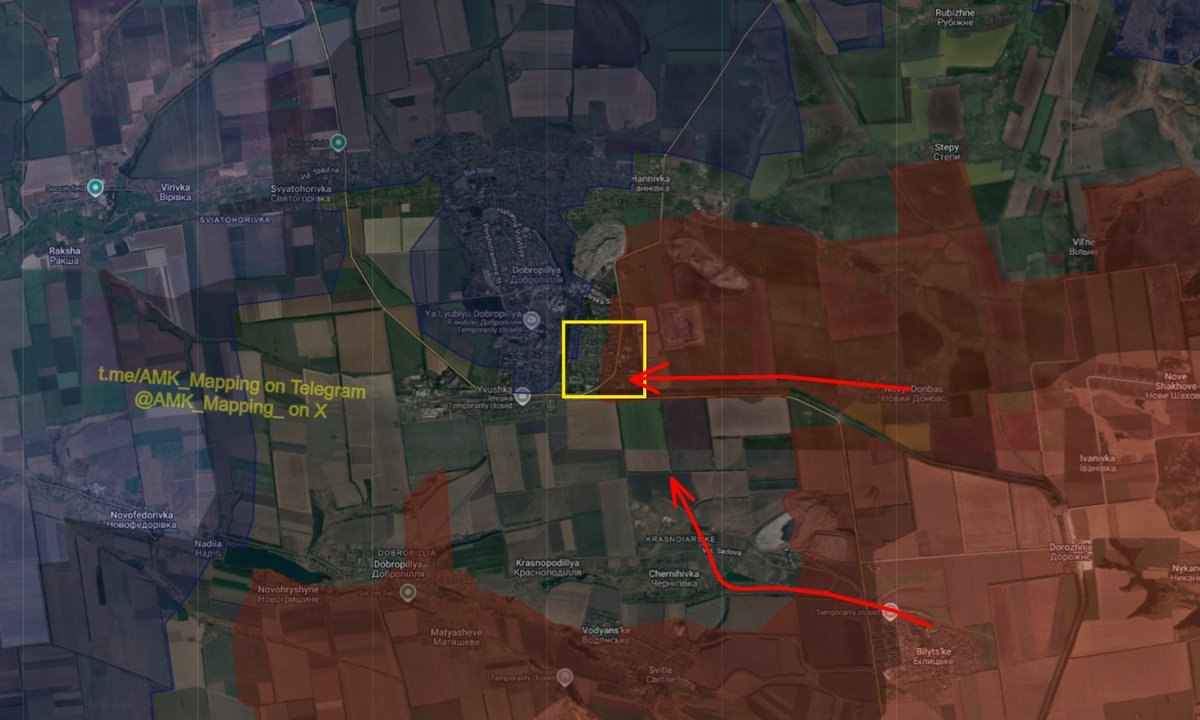
Multiple ground movements were reported across Donetsk Oblast, reflecting a broader Russian push to consolidate territorial gains. In Dobropolye, Russian columns equipped with tanks, armored vehicles and motorcycles advanced, securing infiltration routes and capturing eastern and southeastern sectors. CIG_telegram noted that mechanized formations were deployed in a coordinated manner, suggesting preparation for a sustained offensive.
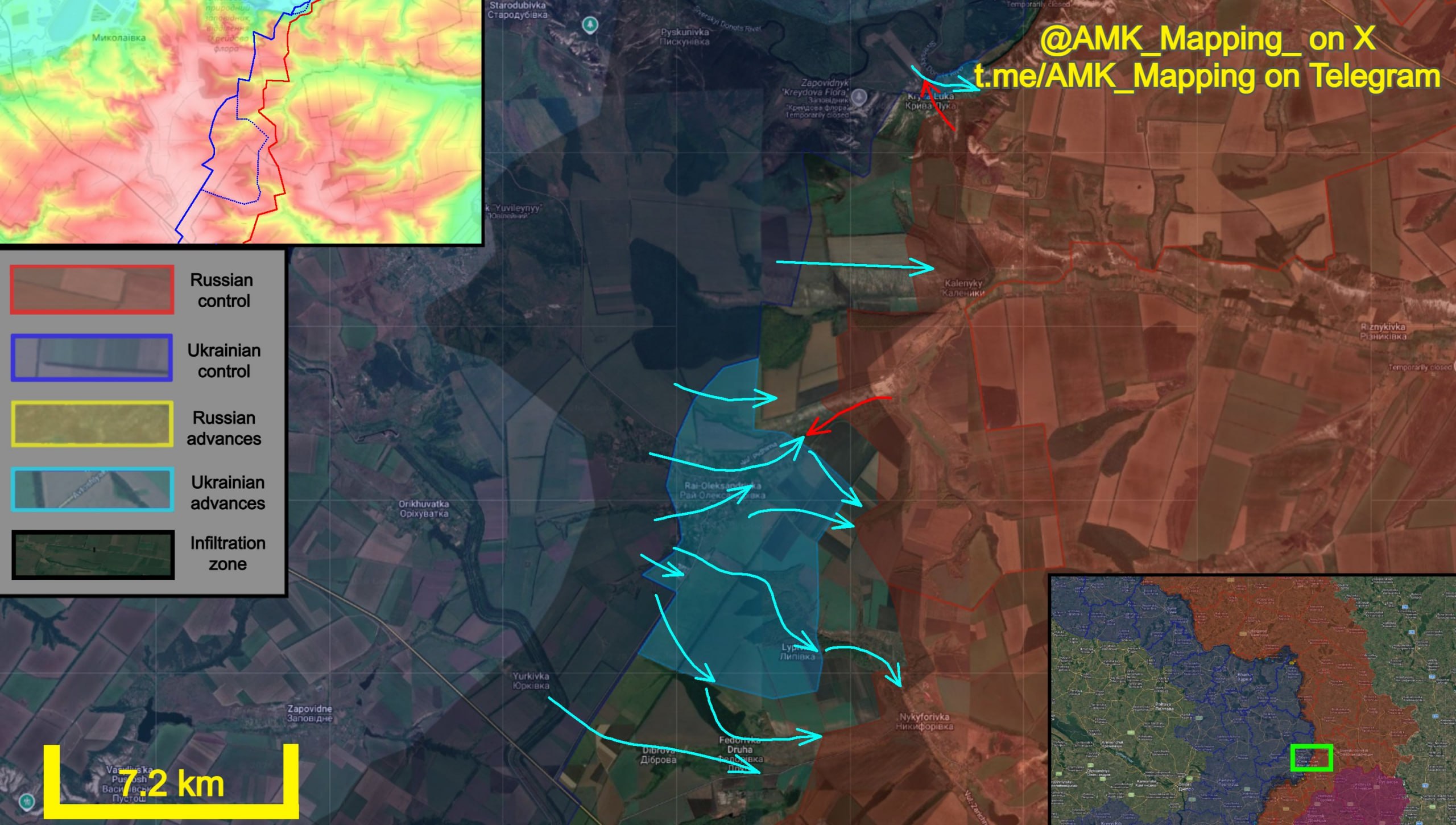
Simultaneously, Ukrainian forces launched counter‑attacks in the Slavyansk direction, recapturing Ray‑Alexandrovka and surrounding villages. The Ukrainian Armed Forces reported successful pushes eastward toward additional settlements, indicating a fluid front line where control shifts daily.
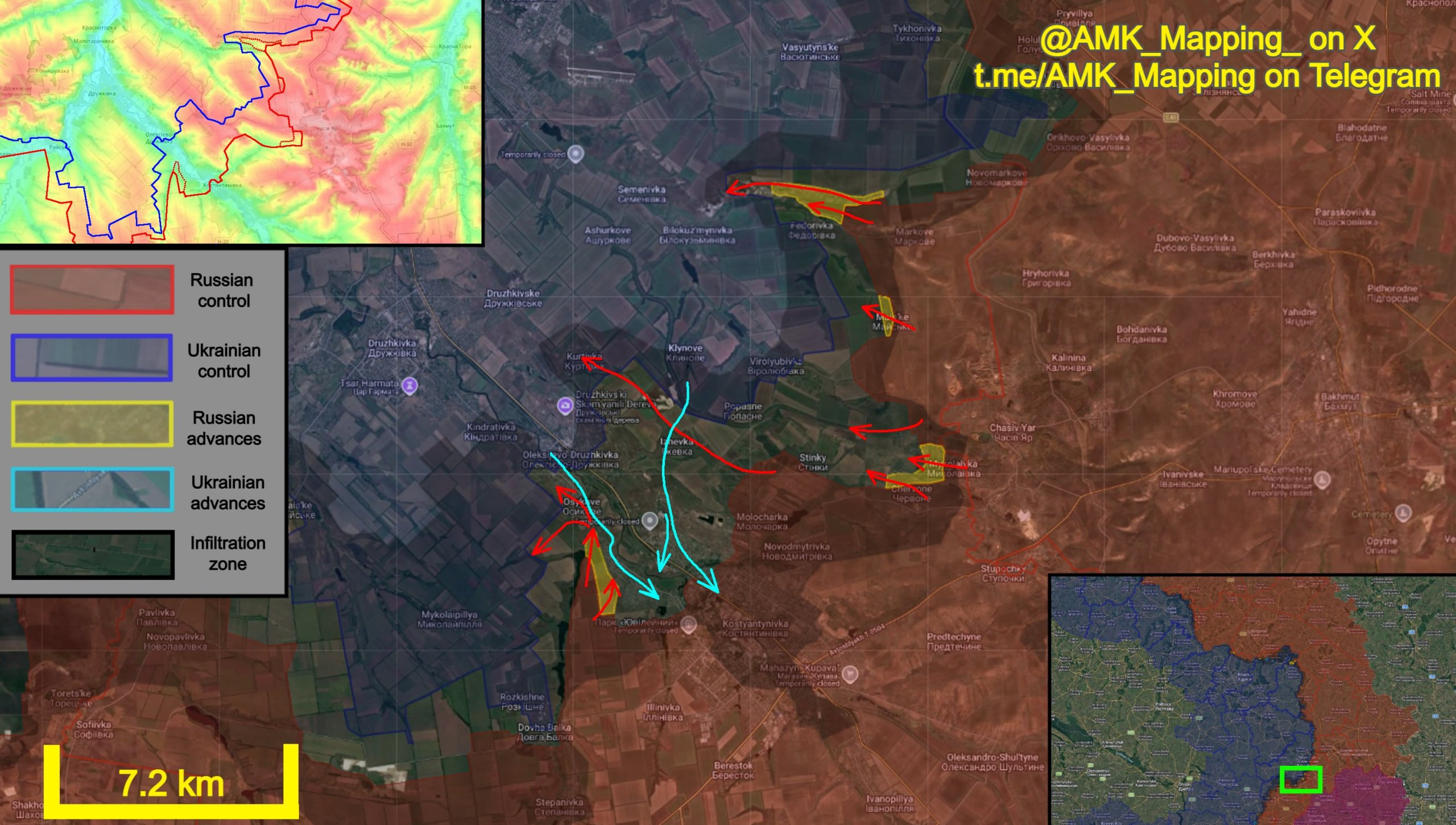
In the Konstantinovka sector, Russian troops continued advancing, entrenching in newly captured villages while Ukrainian units conducted counter‑infiltrations. The pattern of incremental territorial adjustments underscores the attritional nature of the conflict in Donetsk, where both sides expend significant resources to hold or retake limited ground.
Dobropillya Assault and Drone Interdiction
At approximately 09:00 UTC, Russian ground columns moved toward Dobropillya from Bilytske and Novyi Donbas under fog cover. Ukrainian drone operators engaged the advancing forces, attempting to neutralize the columns. The engagement, reported by Monitor the Situation, illustrates the increasing role of tactical drones in shaping ground battles, providing real‑time targeting data and disrupting enemy maneuverability.
Operational Assessment
The convergence of high‑intensity drone strikes, targeted air raids, and deep infiltration tactics reflects a Russian strategy aimed at stretching Ukrainian defensive capacities across multiple domains. The civilian toll in Kyiv and Zaporizhzhia demonstrates the humanitarian impact of kinetic operations, while the ground offensives in Donetsk and Zaporizhzhia Oblasts reveal a continued emphasis on territorial consolidation.
Ukrainian forces have responded with a combination of air‑defence interceptions, counter‑offensives, and drone‑based interdiction, but the scale of the Russian kinetic push suggests a sustained escalation. Monitoring agencies such as Monitor the Situation and CIG_telegram provide real‑time verification of these events, enabling analysts to track the evolving battlefield dynamics.