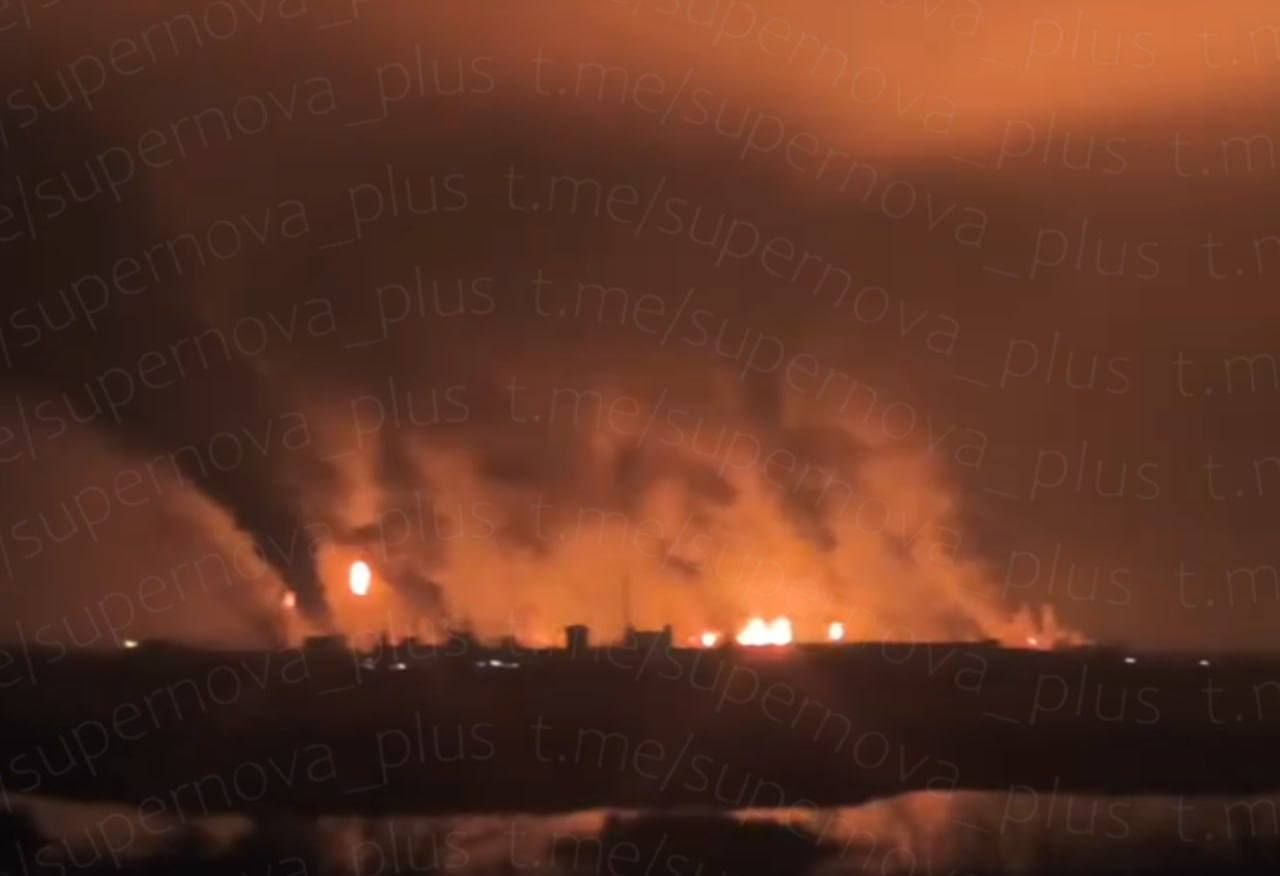
On the night of 13 November 2026, a hostile unmanned aerial vehicle (UAV) struck an oil refinery in Volgograd, Russia, marking the most significant incident in a wave of UAV attacks across the Russian‑Ukrainian front. The strike was reported by the open‑source intelligence channel Intelslava and accompanied by video and photographic evidence. No casualties were confirmed in the immediate aftermath, but the damage to processing equipment and storage tanks is expected to disrupt regional fuel supplies.
"Enemy drones reportedly targeted another oil refinery in Volgograd. @Intelslava" – Intelslava, 05:49 UTC, https://t.me/intelslava/98013
The refinery, a key node in the Southern Federal District’s energy network, processes approximately 5 million tonnes of crude annually. Preliminary assessments suggest that the UAV employed a payload of high‑explosive ordnance, consistent with commercially available loitering munitions. The attack aligns with a broader pattern of UAV usage observed since early 2024, wherein both state and non‑state actors exploit low‑cost aerial platforms to strike high‑value infrastructure.
Kyiv Medical Facility Fire
At 05:38 UTC, a Russian‑operated drone malfunctioned over Kyiv’s Shevchenkivskyi district, crashing onto a municipal medical facility. The impact ignited a fire that engulfed the building’s second floor, injuring three individuals and prompting the evacuation of dozens more. The incident was documented by the monitoring service monitor_the_situation, which provided a detailed account of the rescue operation and the subsequent containment of the blaze.
"Russian Drone Damages Kyiv Medical Facility, Injures 3" – Monitor the Situation, 05:38 UTC, https://t.me/monitor_the_situation/42894
Emergency services reported that seven patients and staff were rescued without further injury. The fire caused partial structural damage, but the facility’s critical care units remained operational after rapid containment. No fatalities were recorded.
Vinnytsia Drone Strikes
Earlier in the day, at 03:39 UTC, Russian UAVs conducted a series of attacks on Vinnytsia and surrounding localities in central Ukraine. The source, again Intelslava, released a short video showing multiple drones flying at low altitude before releasing payloads over residential and industrial zones. While casualty figures were not disclosed, local authorities confirmed damage to power lines and a small logistics depot.
"Vinnytsia and its surrounding areas were under attack by Russian drones." – Intelslava, 03:39 UTC, https://t.me/intelslava/98010
The Vinnytsia strikes represent a continuation of UAV‑focused pressure on Ukraine’s interior logistics corridors, aiming to impair supply chains and civilian morale.
Operational Implications
The coordinated timing of the three incidents suggests a deliberate escalation in UAV‑based operations. All three attacks employed similar low‑observable platforms, likely equipped with commercially available guidance systems. The lack of reported involvement by organized militias or state‑run drone units points to either a decentralized proxy network or a rapid expansion of state‑sponsored UAV capabilities.
From a strategic perspective, the Volgograd refinery strike carries the greatest economic impact, potentially reducing fuel output by up to 2 % in the short term. The Kyiv incident underscores the vulnerability of civilian infrastructure in densely populated urban centers, while the Vinnytsia attacks highlight the ongoing threat to Ukraine’s internal logistics.
Response and Attribution
Russian authorities have not publicly acknowledged the Volgograd incident, labeling the reports as “unverified”. Ukrainian officials, however, have condemned the Kyiv and Vinnytsia attacks as violations of international humanitarian law, calling for an investigation by the United Nations. Both sides have increased air‑defense alerts in the affected regions, deploying additional radar and electronic‑countermeasure units.
Open‑source analysts note that the UAVs’ flight profiles and payload signatures align with models previously supplied to separatist forces in Eastern Ukraine, though definitive attribution remains pending. The incidents reinforce the need for enhanced UAV detection and interception capabilities across both nations.