Ukraine's Security Service (SBU) reported an overnight operation that struck the Russian Buyan‑M‑class missile ship Naro‑Fominsk in the Baltic Sea, marking the most significant kinetic event of the day. The vessel, capable of launching Kalibr cruise missiles, was hit while operating in international waters. Damage assessments remain unconfirmed, and no casualty figures have been released. The report was first published by the Telegram channel monitor_the_situation and corroborated by Reuters and NOELreports.
"Ukraine's SBU says its overnight operation against Russia's Baltic infrastructure also struck the Buyan‑M‑class missile ship Naro‑Fominsk, capable of launching Kalibr cruise missiles. Damage extent unconfirmed,"The incident underscores the expanding maritime dimension of the Ukraine‑Russia conflict.
Baltic Sea Naval Strike
The Naro‑Fominsk, a modern missile‑armed corvette, represents a strategic asset for the Russian Black Sea Fleet. Its presence in the Baltic has been linked to Russia's broader effort to project power in the region. While the SBU did not disclose the weapon used, the lack of explicit weapon data suggests a possible use of precision‑guided munitions launched from a coastal or sea‑based platform. No Russian official comment has been issued as of the reporting deadline.
Balloon‑Delivered Bomb in St. Petersburg
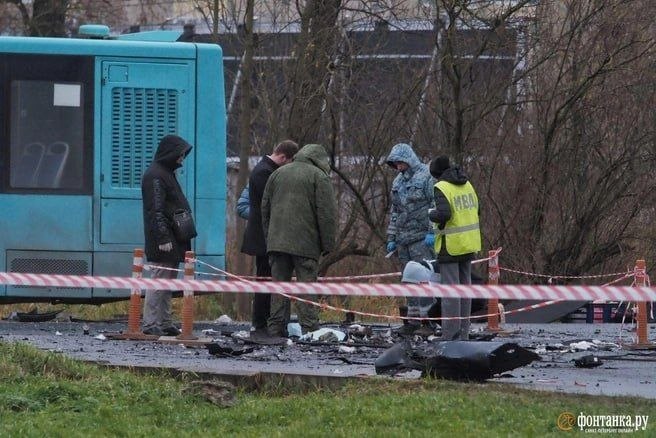
According to the Telegram channel intelslava, Ukrainian intelligence employed a balloon‑delivered bomb to destroy a Russian military vehicle on Kolpinsky Avenue in St. Petersburg. The device, described as a remote‑controlled bomb, was released from a balloon that entered Russian airspace from the Baltic region. After the detonation, the perpetrator allegedly fled via Turkey to Moldova. The incident was initially reported by the Russian newspaper Fontanka and accompanied by a photograph of the damaged vehicle.
"The remote‑controlled device used to detonate the military vehicle in St. Petersburg was delivered to the perpetrator via a balloon that flew in from the Baltic region,"No injuries were reported, and Russian authorities have not confirmed the identity of the attacker.
Russian Missile Campaign on Ukrainian Energy Grid
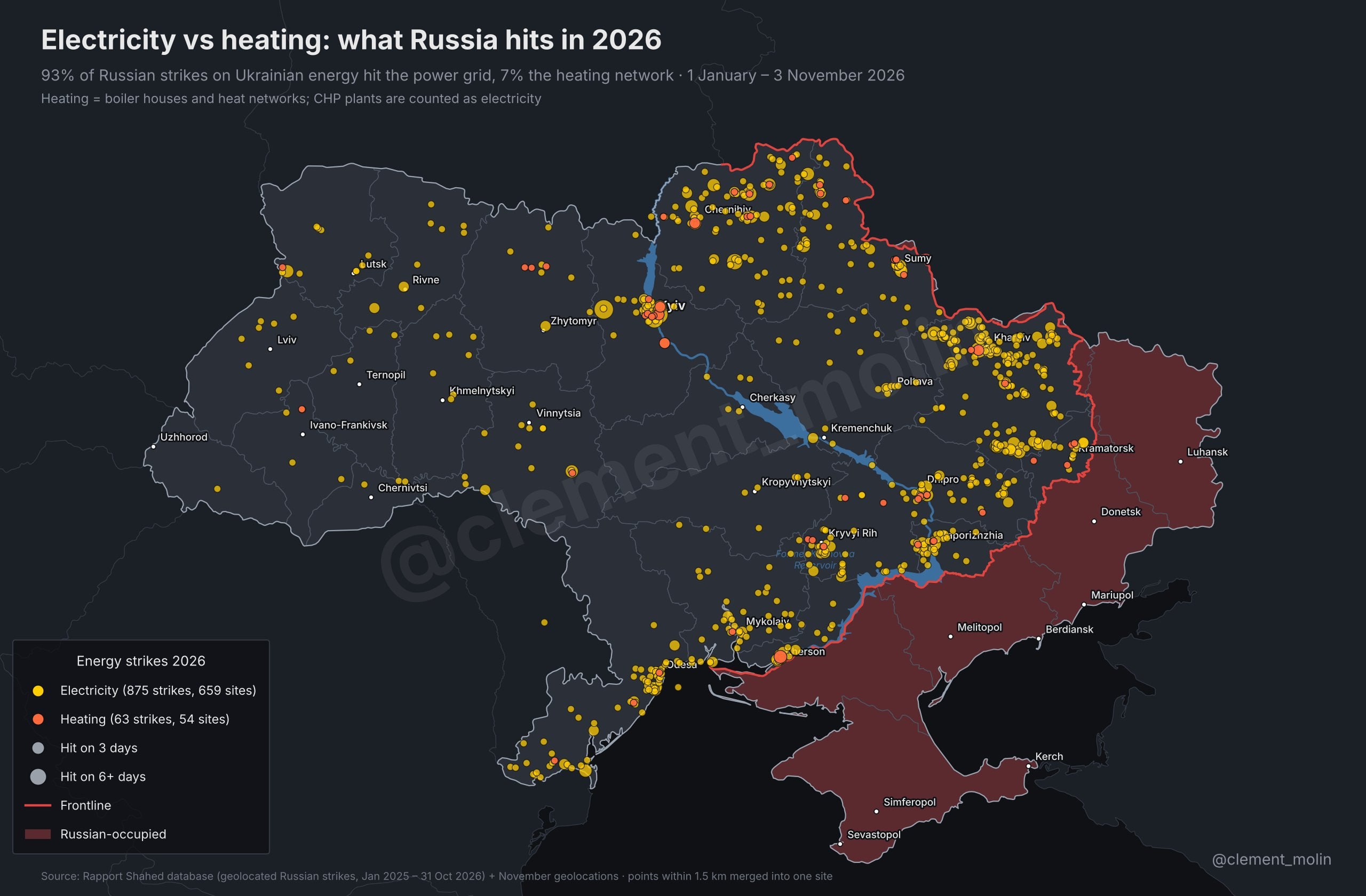
In a separate theater, Russia continued its large‑scale missile campaign against Ukraine's power and heating networks, as documented by the Telegram channel CIG_telegram. Hundreds of missile strikes targeted power plants, substations, and heating infrastructure across Ukraine, aiming to degrade civilian energy supplies ahead of the winter season. The campaign employed a mix of cruise missiles and short‑range ballistic missiles, though specific types were not enumerated. Ukrainian officials have reported widespread outages but have not released consolidated casualty figures. The campaign reflects Russia's strategic use of kinetic strikes to exert pressure on Ukraine's civilian population.
Regional Drone and Missile Activity
On the same day, former U.S. President Donald Trump publicly rejected any negotiation with Iran, a statement that coincided with Saudi Arabia reporting the interception of multiple drones and missiles. The information, again sourced from monitor_the_situation, highlights heightened tensions in the Middle East, though no direct kinetic link to the European events was established. The intercepted systems were described as unmanned aerial vehicles and short‑range missiles, but details on launch origins remain sparse.
Ground Movements: Russian Tank Relocation
Video evidence geolocated to Novosibirsk showed Russian T‑80 and T‑62 tanks being transported eastward by train. The footage, posted by monitor_the_situation, suggests a redeployment of armored assets, potentially in preparation for operations in the Asian theater or as a strategic reserve. No combat engagement was reported in connection with the movement, and casualty data is not applicable.
Ukrainian Drone Strike in Smolensk Oblast
A Ukrainian drone strike set a residential building on fire in Yartsevo, Smolensk Oblast, Russia. The incident, reported by monitor_the_situation, resulted in a blaze that forced local evacuations. No fatalities were confirmed, though the extent of property damage was not quantified. The use of a drone for a cross‑border strike illustrates the expanding reach of Ukrainian kinetic capabilities.
Collectively, these events demonstrate a multi‑domain escalation, with Ukraine employing unconventional delivery methods such as balloons, Russia intensifying missile strikes on critical infrastructure, and both sides extending operations beyond traditional frontlines. The lack of confirmed casualty figures for several incidents underscores the challenges of real‑time verification in a highly contested information environment.