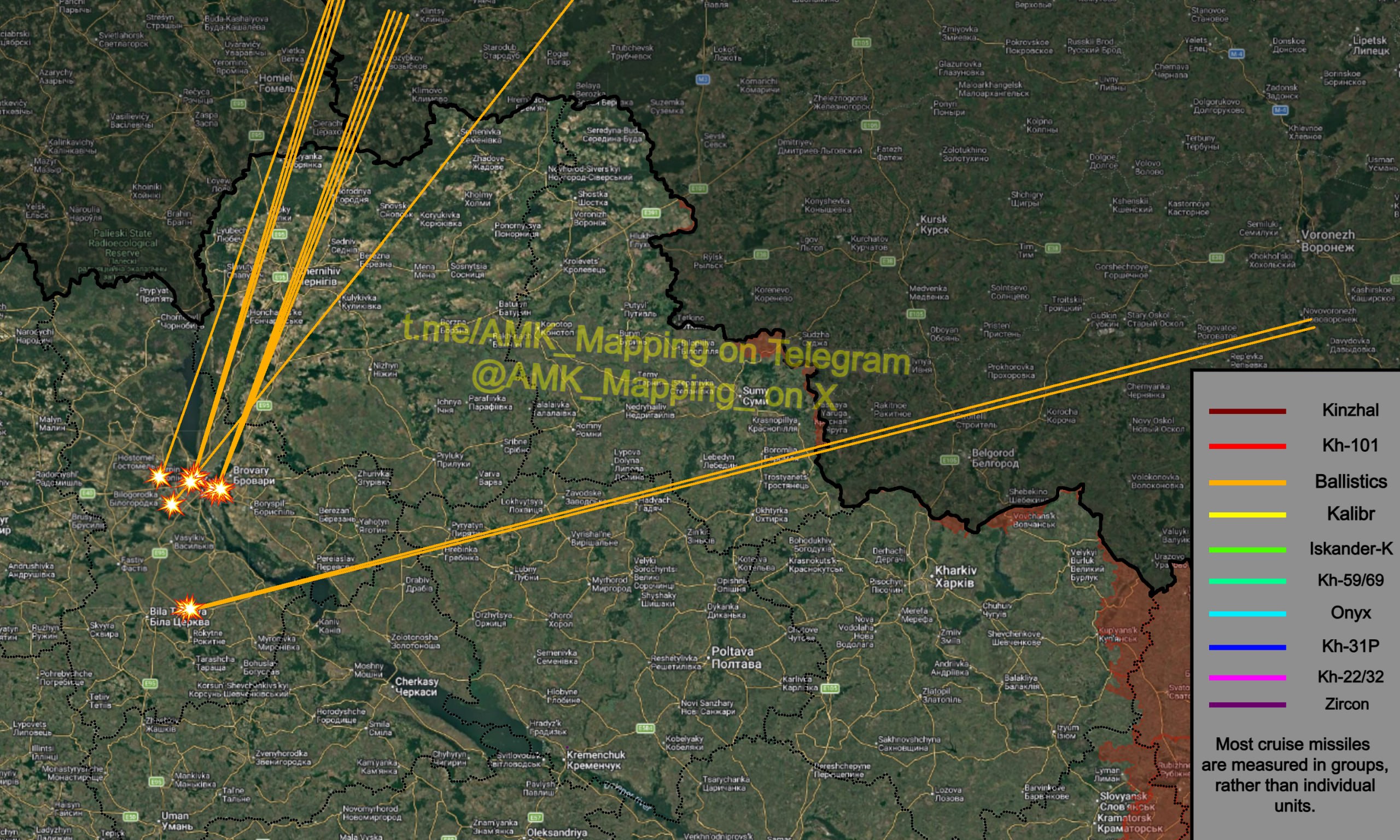
On 12 November 2026 Ukraine faced a wave of high‑intensity kinetic attacks that spanned its capital, key transport corridors, and industrial hubs. The most consequential strike was a large‑scale ballistic missile barrage on Kyiv, reported by CIG_telegram at 10:45:23, which employed a mixed salvo of Iskander‑M, Rm‑48U modified S‑400 and Kn‑23 missiles.
Kyiv ballistic missile barrage
The missile salvo targeted three distinct zones: the Epicentr shopping centre in northern Kyiv (three strikes), the eastern industrial zone (four strikes), and peripheral locations east of Bila Tservka and the southwestern outskirts of the city (four additional strikes). No immediate casualty figures were released, but the concentration of high‑explosive warheads in densely populated areas raises the risk of significant civilian harm and infrastructure disruption.
"Russian ballistic missile attack on Kyiv. At least 11 missiles were used in total, including ~5 Iskander‑Ms, ~4 Rm‑48U modified S‑400s, and ~2 Kn‑23s." – CIG_telegram
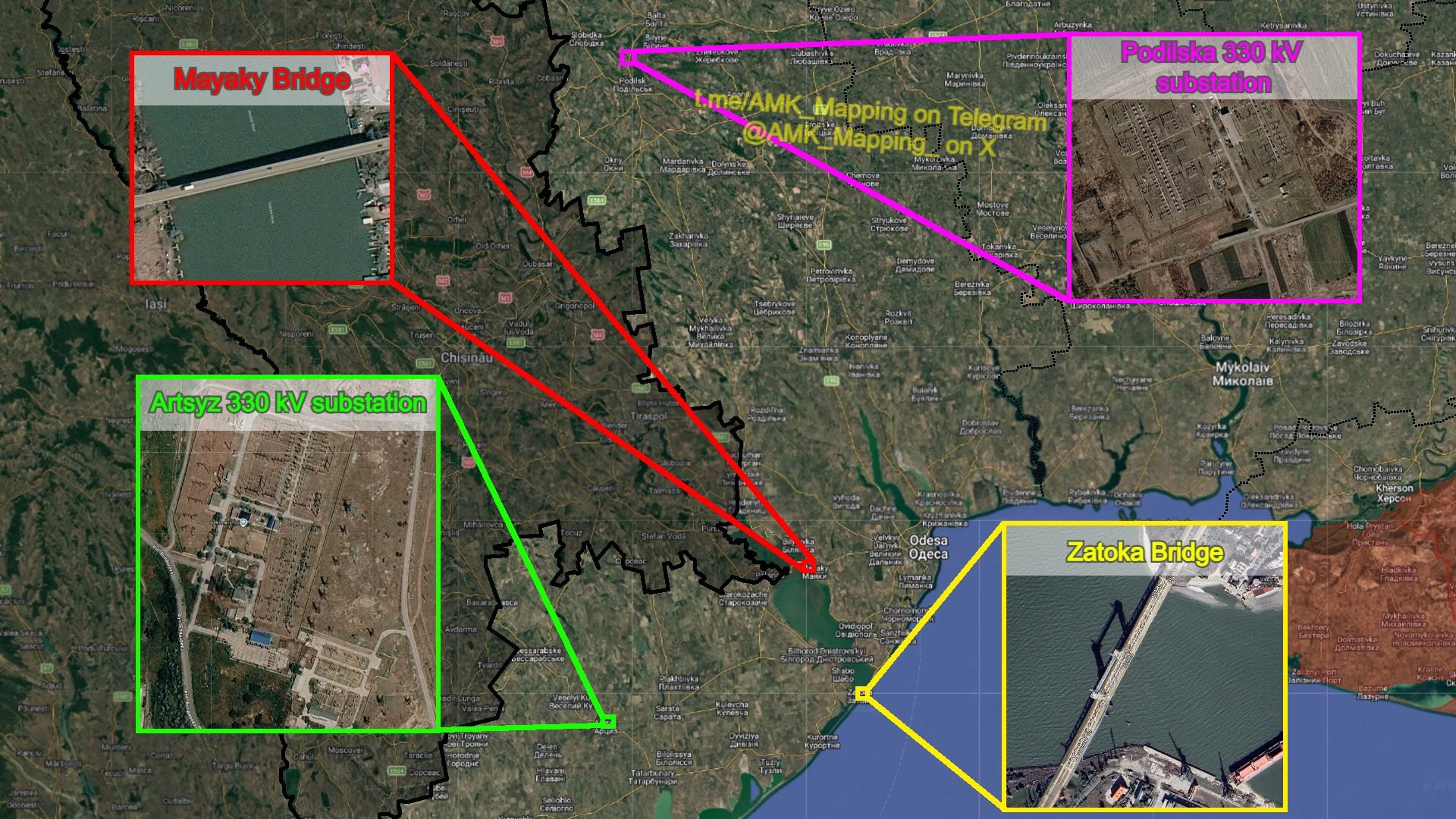
Odessa bridge and power‑grid strikes
At 10:41:38 a coordinated missile‑drone operation struck the Mayaki bridge and the Zatoka bridge in Odessa Oblast, as well as two 330 kV substations. The attack employed approximately twelve S8000 Banderol cruise missiles, six UMPB‑5 glide‑bombs, three Kh‑59/69 cruise missiles and more than five Geran‑2/4 drones, according to CIG_telegram. While Ukrainian officials confirmed damage to the bridges, no fatalities were reported in the immediate aftermath.
Drone incursions in Kyiv and other cities
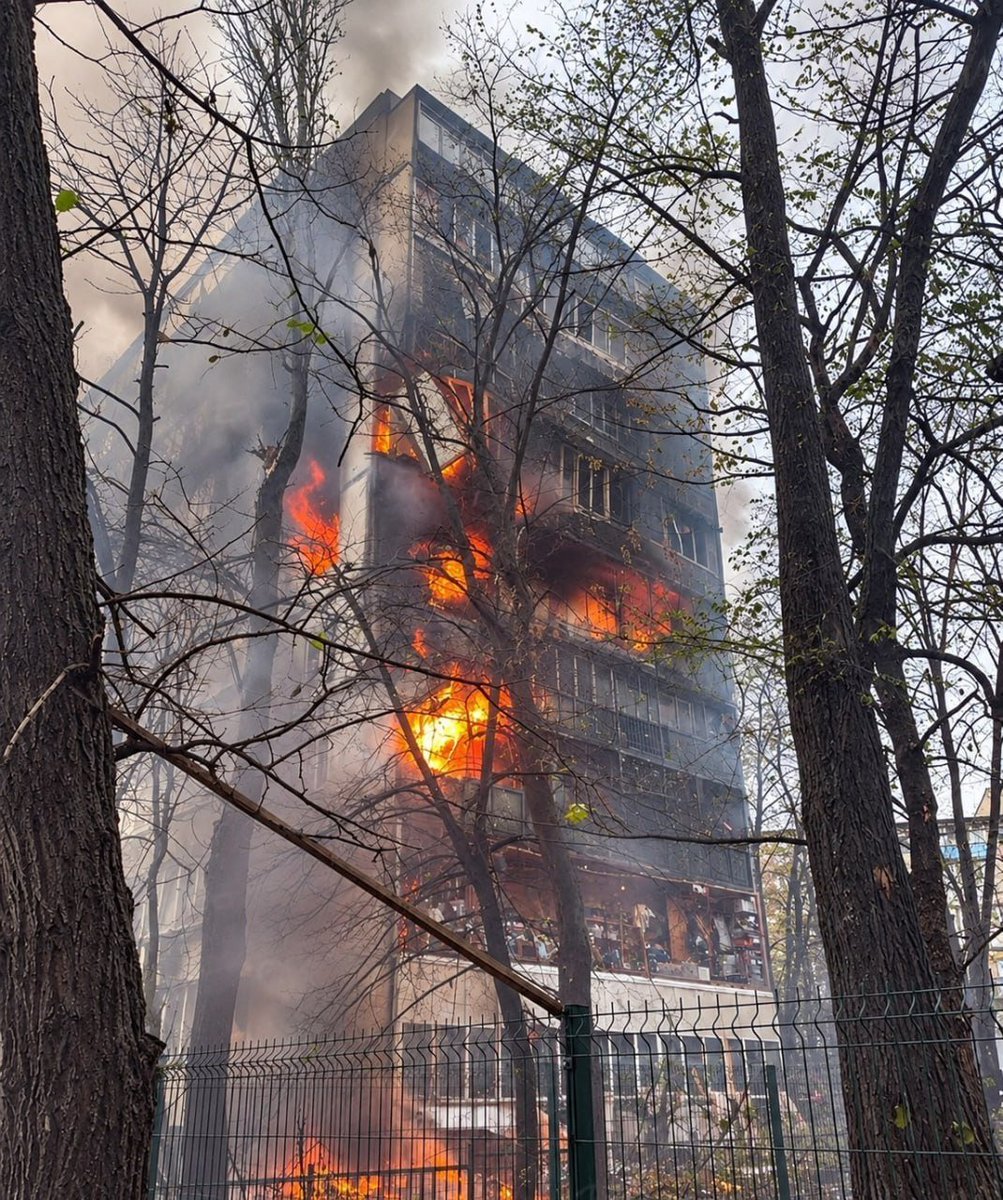
Multiple Russian unmanned aerial systems (UAS) were observed over Kyiv on the same day. At 11:51:57 a Russian drone struck a nine‑story residential building in the Solomianskyi district, igniting a fire; at 11:11:42 a Geran‑4 jet‑drone hit a highway in the Shevchenkivskyi district, also causing a blaze. Neither incident produced confirmed casualty numbers, but both underscore the persistent threat to civilian infrastructure from low‑altitude UAV attacks.
Civilian casualties from drone strikes in Dnipropetrovsk region
At 10:01:09 a series of drone strikes in the Dnipropetrovsk region resulted in four civilian deaths and four injuries, raising the regional November 9‑10 civilian death toll to at least 20. The attacks were reported by monitor_the_situation and highlight the lethal potential of small‑scale UAV operations in populated areas.
Zaporizhzhia glide‑bomb attacks
Overnight, Russian KAB glide‑bombs struck the outskirts of Zaporizhzhia, as documented by monitor_the_situation at 08:21:20. The two glide‑bombs caused structural damage but, again, no immediate casualty figures were disclosed.
Missile alerts in Sevastopol and Black Sea activity
At 16:29:50 air‑raid alerts were issued for missile activity over Sevastopol, Crimea, and the Krasnodar region of Russia. The alerts, posted by monitor_the_situation, indicated fast‑moving targets over the Black Sea, reflecting the broader maritime dimension of the kinetic campaign.
Ukrainian defensive actions and counter‑strikes
Ukraine’s air defence reported the interception of 14 Russian Banderol/Dan‑T missile‑drones near Kyiv, with two downed by a ZU‑23‑2 system (07:59:09, monitor_the_situation). Additionally, Ukrainian National Guard Omega forces employed drones to strike two Russian brigade‑level ammunition depots in southern Ukraine, causing fires that burned for three days (11:50:20, monitor_the_situation). The 59th Brigade’s SIGNUM drone battalion also targeted Russian logistics vans in occupied Donbas (11:29:01, monitor_the_situation), while the 42nd Mechanized Brigade’s Perun UAV unit destroyed a Russian M777 howitzer near Nadiivka (11:08:34, monitor_the_situation). These actions demonstrate an increasingly integrated Ukrainian UAV capability aimed at degrading Russian firepower and supply lines.
Analytical overview
The pattern of events on 12 November illustrates a multi‑vector Russian kinetic strategy: high‑value ballistic missile strikes on urban centres, precision cruise‑missile attacks on critical transport infrastructure, and persistent low‑altitude drone incursions targeting both civilian and military assets. Ukrainian defences responded with a combination of ground‑based anti‑aircraft fire, electronic warfare, and offensive drone operations, indicating a growing emphasis on asymmetric counter‑measures. The concentration of attacks on Kyiv and Odessa, coupled with simultaneous strikes in the industrial Donbas and Zaporizhzhia regions, suggests an attempt to stretch Ukrainian command‑and‑control and logistical capacities across several fronts.