On 12 November 2026 Iran conducted a series of coordinated kinetic actions that spanned missile launches, naval engagements and air strikes, concentrating on the strategic waterways of the Strait of Hormuz and the surrounding Gulf region. The events, reported by multiple open‑source channels, illustrate a rapid escalation in the use of high‑velocity weapons and underscore Tehran’s willingness to project power both inland and at sea.
Mass Missile Launch from Bandar Abbas
At 17:37 UTC, the CIG_telegram channel reported that Iran launched “over 10 missiles from Bandar Abbas toward the Strait of Hormuz.”
"Iran launched over 10 missiles from Bandar Abbas toward the Strait of Hormuz." – CIG_telegram, 2026‑11‑12T17:37:29According to the same source, the launch occurred approximately 45 minutes after the missiles left the coastal launch site, targeting the maritime corridor that carries roughly 20 percent of global oil shipments. No immediate casualty figures were released, and the missiles’ flight paths have not been independently verified, but the volume of projectiles suggests a deliberate attempt to demonstrate strike capability against both commercial and potential military vessels. The weapons were identified simply as “missiles,” indicating a likely mix of surface‑to‑surface cruise missiles and possibly short‑range ballistic variants, consistent with Iran’s existing inventory.
Anti‑Ship Cruise Missile Activity in Bandar Abbas
Earlier, at 16:31 UTC, GeoPWatch documented “explosions were reported in Bandar Abbas as about a dozen anti‑ship cruise missiles were launched.”
"Explosions were reported in Bandar Abbas as about a dozen anti‑ship cruise missiles were launched." – GeoPWatch, 2026‑11‑12T16:31:54The report described audible detonations and visual sightings of missile trajectories heading southward toward the Persian Gulf. While the source listed both the United States and Iran as involved parties, the context suggests Iranian forces were the launchers, with the United States monitoring the event. The anti‑ship cruise missiles, likely variants of the Noor or Qader families, are designed to engage surface vessels at ranges up to 200 km. No damage to civilian shipping was confirmed, but the incident heightened alert levels among regional navies and commercial operators.
IRGC Navy Engagements Against Oil Tankers
Multiple channels, including GeoPWatch, intelslava and monitor_the_situation, reported that Iran’s Islamic Revolutionary Guard Corps (IRGC) Navy engaged two oil tankers in the Strait of Hormuz on the night of 11 November and reiterated the claim on 12 November. GeoPWatch’s 14:28 UTC entry stated: “Iran’s IRGC Navy said it attacked two oil tankers… setting both on fire.”
"Iran’s IRGC Navy announced that it targeted two oil tankers attempting to cross the Strait of Hormuz via an ‘unauthorized southern route,’ causing both vessels to catch fire." – GeoPWatch, 2026‑11‑12T14:28:18Intelslava echoed the same narrative at 11:46 UTC, and monitor_the_situation added a video confirmation at 07:26 UTC. The IRGC’s justification centered on the tankers’ alleged deviation from approved navigation lanes, a claim that aligns with Tehran’s broader strategy of enforcing a “southern route” to pressure vessels perceived as supporting sanctions. While the exact tonnage and flag states of the tankers were not disclosed, the incidents represent a rare direct kinetic strike on commercial shipping, raising insurance premiums and prompting rerouting of vessels farther from the strait.
Ballistic Missile Launches from Hamadan Province
At 10:35 UTC, intelslava reported the launch of two ballistic missiles from Hamadan Province in western Iran.
"🇮🇷⚡️ — Reports of two ballistic missiles launches from Hamadan Province, western Iran." – intelslava, 2026‑11‑12T10:35:24The short‑range missiles, likely from the Fateh‑110 family, were launched inland and no impact location was immediately reported. The timing coincided with the broader kinetic tempo of the day, suggesting a coordinated display of both maritime and land‑based strike capabilities. No casualties or infrastructure damage were confirmed, and the launch appears to have been a test or a signaling maneuver rather than a direct attack on a specific target.
US Naval Presence Near Sirik and Iranian Missile Response
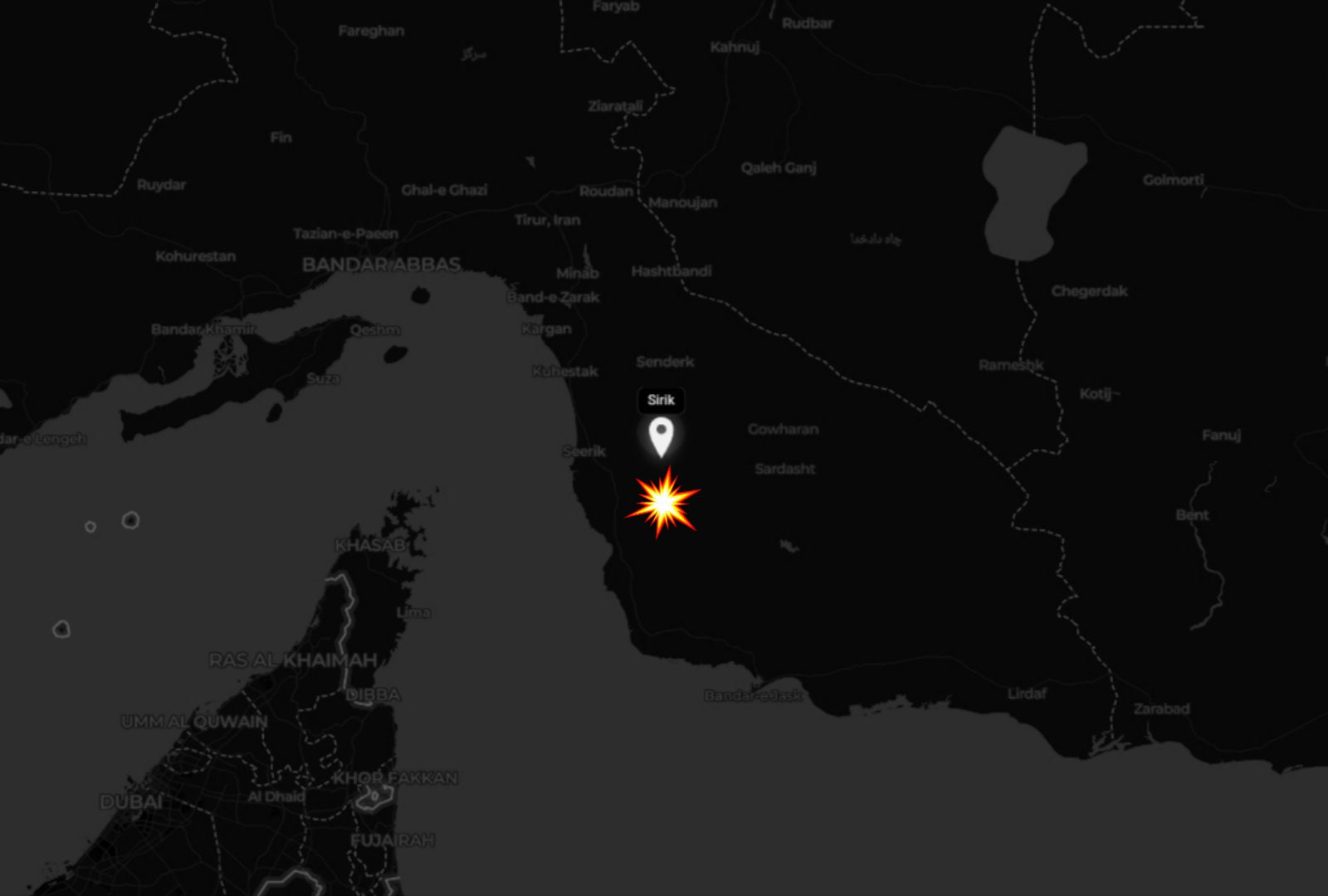
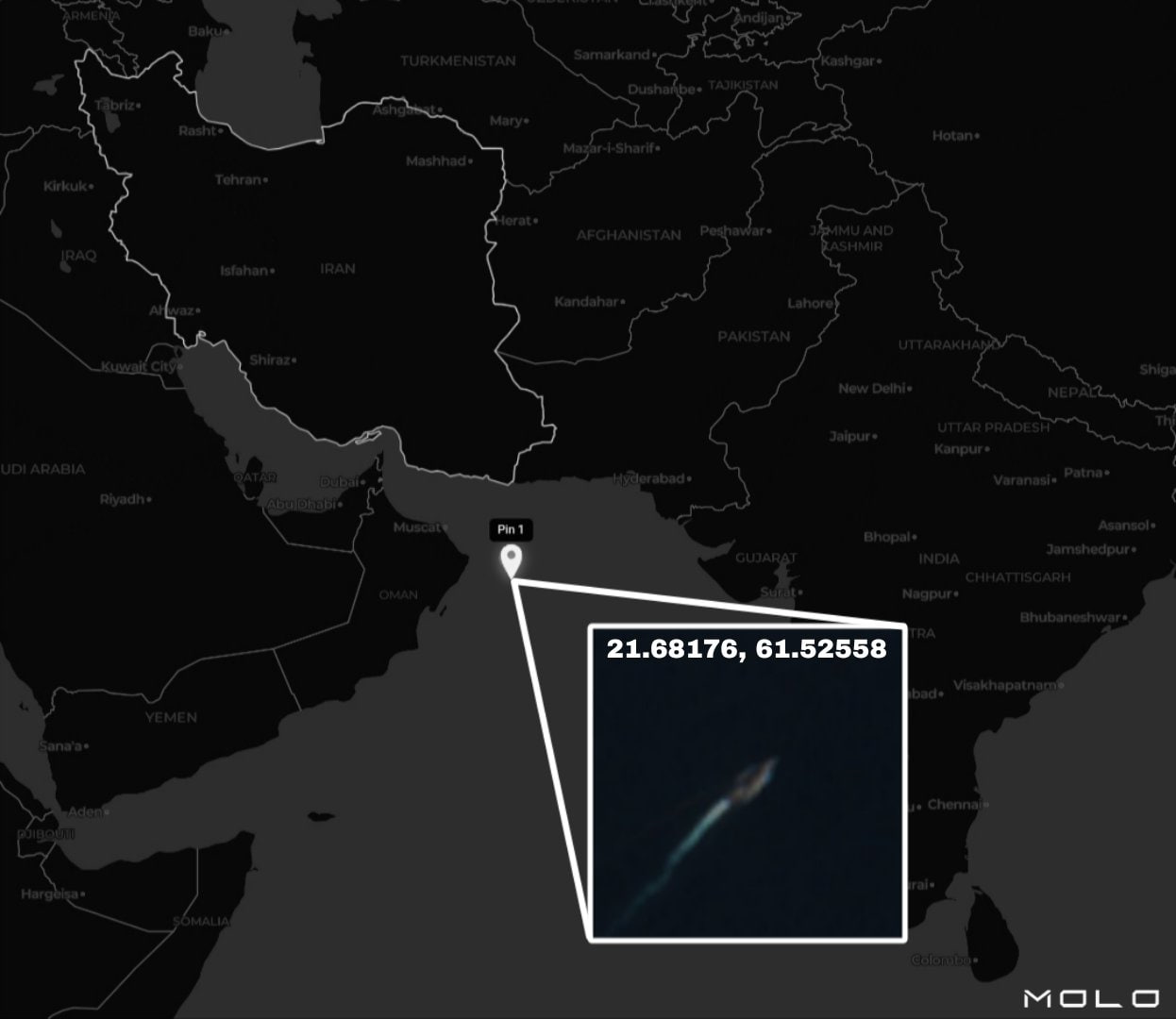
Satellite imagery analyzed by CIG_telegram at 17:41 UTC identified a US Arleigh‑Burke‑class destroyer positioned approximately 300 km south of Iran’s coast near Sirik. The proximity was described as “unusually close,” prompting Iranian forces to fire a salvo of anti‑ship missiles, followed by a US airstrike on the missile launch sites.
"A US destroyer was spotted 300 km south of Iran, prompting Iranian antiship missile launches and a US airstrike on missile launchers in Sirik." – CIG_telegram, 2026‑11‑12T17:41:47The engagement involved both anti‑ship missiles and warplanes, indicating a rapid escalation from sea‑based posturing to kinetic exchange. While the US has traditionally maintained a 500 km buffer zone, the reduced distance suggests a deliberate test of Iranian response thresholds. No confirmed casualties were reported on either side, but the incident underscores the risk of inadvertent escalation in a densely contested maritime environment.
Collectively, the events of 12 November demonstrate a synchronized application of kinetic force by Iran across multiple domains. The missile launches from Bandar Abbas, the anti‑ship cruise missile barrage, the IRGC Navy’s attacks on commercial tankers, and the ballistic missile test from Hamadan all occurred within a twelve‑hour window, indicating a high operational tempo. The simultaneous US naval presence near Sirik adds a layer of complexity, highlighting the potential for rapid escalation should either side misinterpret intent. Monitoring agencies will likely track subsequent movements of commercial vessels, regional naval assets, and further missile activity to assess whether this pattern represents a temporary surge or a longer‑term shift in Iran’s kinetic posture.