The Pentagon announced on November 10 that U.S. forces have destroyed more than 80% of Iran's nuclear industrial base, marking the most consequential kinetic operation against Tehran’s nuclear program to date. The statement, relayed by the intelligence channel intelslava, was issued alongside remarks from U.S. Secretary of War Pete Hegseth, who emphasized that Washington has no intention of launching a full‑scale military operation in Iran that could result in heavy U.S. casualties.
"The United States will not initiate a war that would cost American lives in large numbers," Hegseth said, reinforcing the Pentagon’s tactical success as a limited, targeted action.Source: intelslava
Cyber Leak Reveals Massive Russian Military Losses
In a separate development, a cache of Russian death records was leaked by Belarusian opposition‑linked Cyber Partisans and the Ukrainian hacking collective Silent Crow. The data, posted on the Telegram channel monitor_the_situation, claims more than 400,000 Russian military fatalities since the full‑scale invasion of Ukraine began in February 2022. The records, sourced from Rosstat, contain over 11 million death certificates, with nearly 393,000 explicitly linked to combat deaths.
"These figures dwarf official Russian estimates and suggest a far higher human cost than previously acknowledged," the leak summary noted.Source: monitor_the_situation
Intensified Kinetic Action in Ukraine
On the same day, Russian forces launched a coordinated strike involving one Iskander‑M ballistic missile and 162 long‑range attack drones across Ukrainian territory. The assault resulted in nine civilian deaths and 39 injuries, including a one‑year‑old child. Ukrainian authorities confirmed the use of the Iskander‑M system, a short‑range ballistic missile capable of delivering a 500‑kilogram warhead with high precision.
"The indiscriminate nature of these attacks underscores the continued threat to civilian populations," a Ukrainian defense spokesperson said.Source: monitor_the_situation
Later, Russian missile and drone activity targeted Ukraine's power grid as peace talks opened in Abu Dhabi, further straining the already fragile energy infrastructure. While specific weapon systems were not disclosed, the attacks contributed to widespread outages in several eastern provinces.
"Attacks on critical infrastructure aim to erode Ukraine's resilience ahead of diplomatic negotiations," analysts observed.Source: monitor_the_situation
Middle East Air and Naval Operations
In Yemen, the Saudi‑led coalition reported intercepting multiple Houthi‑launched missiles and drones over Sanaa, while simultaneously conducting airstrikes against Houthi positions. The coalition’s statement highlighted the successful neutralization of several aerial threats and the destruction of Houthi command‑and‑control sites.
"Our air defenses remain fully capable of protecting Saudi and Yemeni territories from Houthi aggression," a coalition spokesperson said.Source: monitor_the_situation
Saudi Arabia also carried out heavy airstrikes on oil and gas facilities in Sana’a, targeting infrastructure under the control of the Ansarullah movement. The strikes were described as “precision” attacks aimed at degrading the rebel group’s revenue streams.
"Disrupting the enemy’s energy assets is essential to limiting their war‑fighting capacity," a Saudi defense official asserted.Source: rnintel
In the strategic Strait of Hormuz, Iran’s Islamic Revolutionary Guard Corps (IRGC) reported that a third oil tanker was struck by a projectile, following earlier incidents confirmed by the United Kingdom Maritime Trade Operations (UKMTO). The attacks raise concerns about the security of one of the world’s most vital oil transit corridors.
"Any disruption in the Strait threatens global energy markets and could trigger broader economic repercussions," maritime analysts warned.Source: monitor_the_situation
North of Oman, a tanker was hit by an unidentified projectile 19 nautical miles northeast of Lima, Oman. The crew reported no injuries and no immediate environmental impact, but damage assessments remain pending.
"The incident underscores the growing risk to commercial shipping in the Gulf of Oman," a UKMTO spokesperson noted.Source: monitor_the_situation
Regional Ground Movements and Occupations
Somalia’s security forces seized the Supreme Court building in Mogadishu, deploying over 300 troops in what officials described as a “military occupation” of the judicial complex. The move follows a series of political confrontations between the federal government and the judiciary.
"The operation was conducted to restore order and protect national security," a Somali security official said.Source: AlJazeera
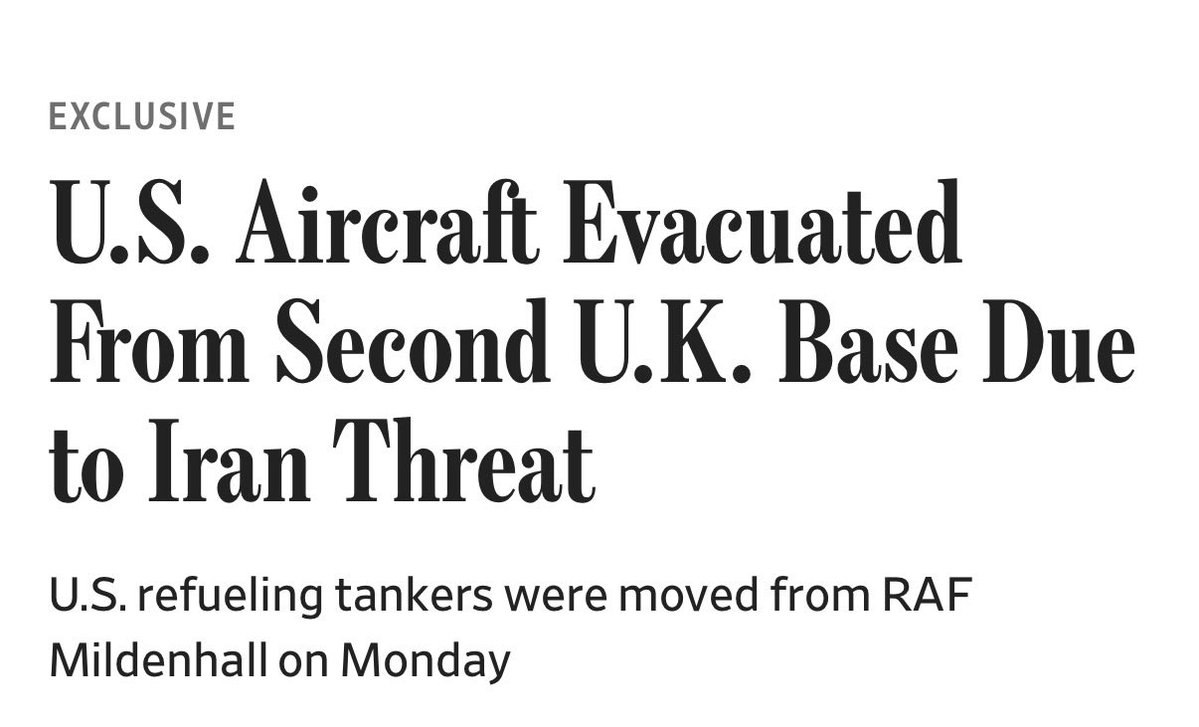
In the United Kingdom, the United States withdrew aircraft from a second British base amid an Iran‑related threat. The relocation involved two refueling tankers and several support aircraft, which were redirected to alternative locations in Germany and Scotland.
"The redeployment reflects a precautionary stance in response to evolving regional threats," a U.S. Department of Defense spokesperson explained.Source: monitor_the_situation
Ukrainian Counter‑Operations and Drone Campaigns
Ukraine’s Third Army Corps reported a record 5,559 Russian aerial targets neutralized in October, including 2,335 attack drones and two Banderol missile‑drones. The high interception rate demonstrates the effectiveness of Ukraine’s integrated air‑defence network.
"Our forces are increasingly capable of denying the enemy airspace," the corps commander said.Source: monitor_the_situation
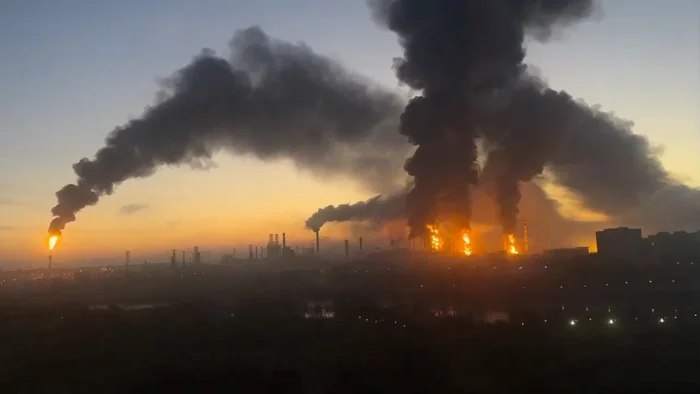
Ukrainian forces also struck the Redkino Experimental Plant in Tver Oblast, Russia, damaging a chemical facility linked to the production of fuel for Kh‑55 and Kh‑101 cruise missiles. Satellite imagery confirmed damage to storage tanks and processing units.
"Targeting the supply chain of cruise‑missile fuel hampers Russia’s long‑range strike capability," a Ukrainian defense analyst noted.Source: monitor_the_situation
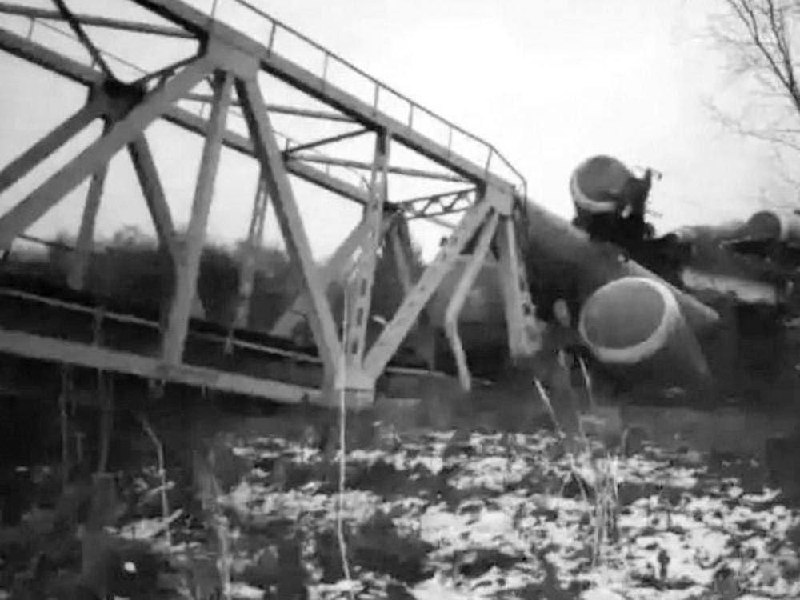
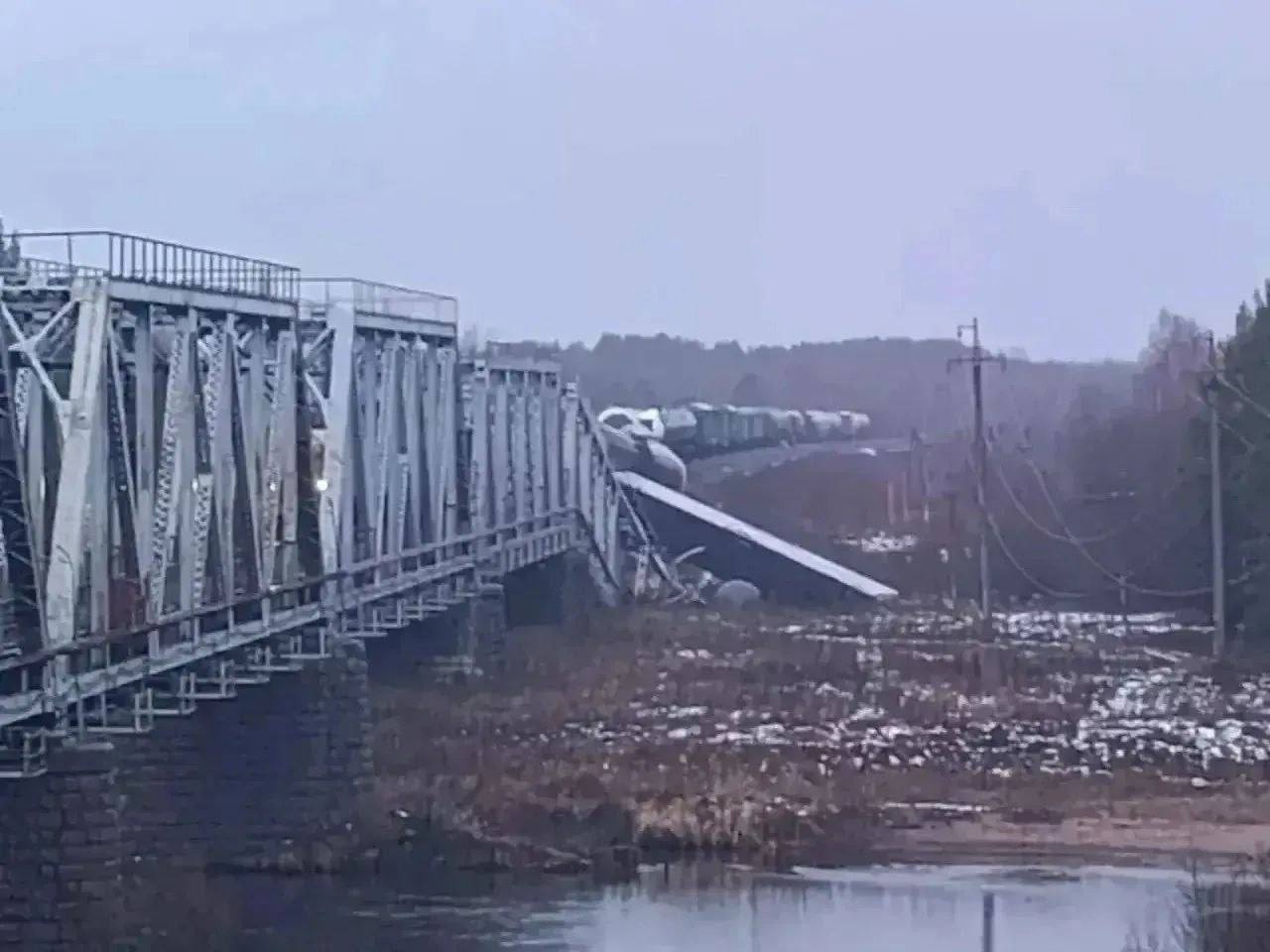
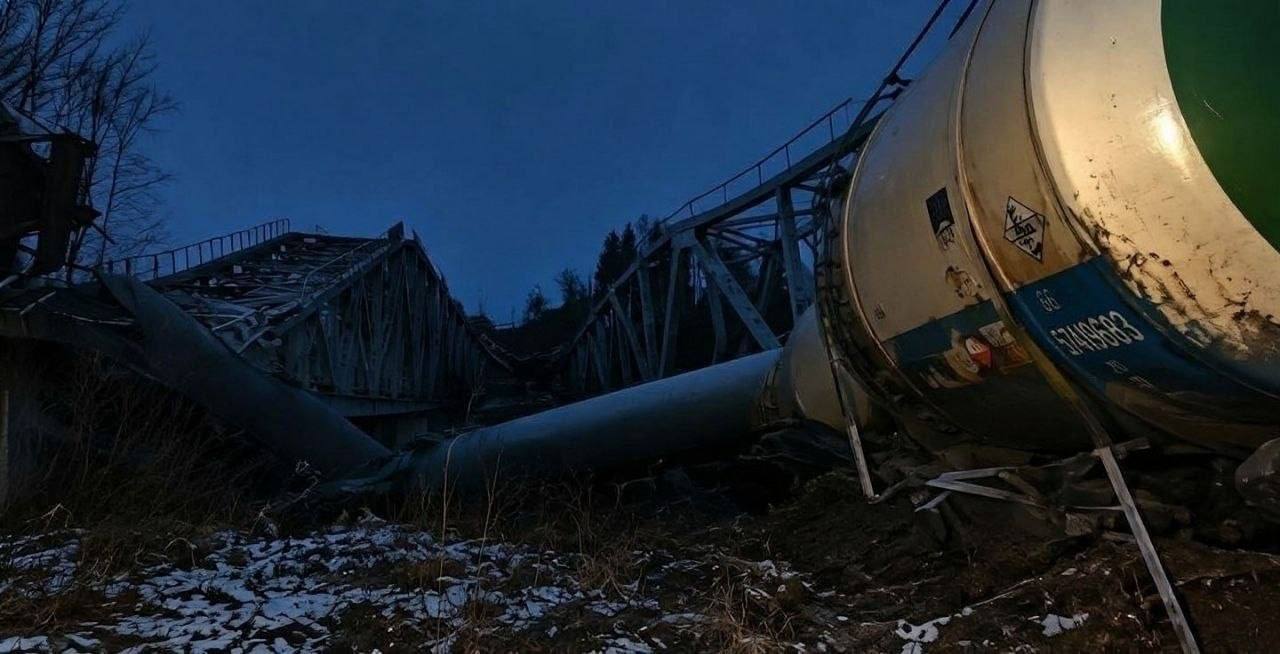
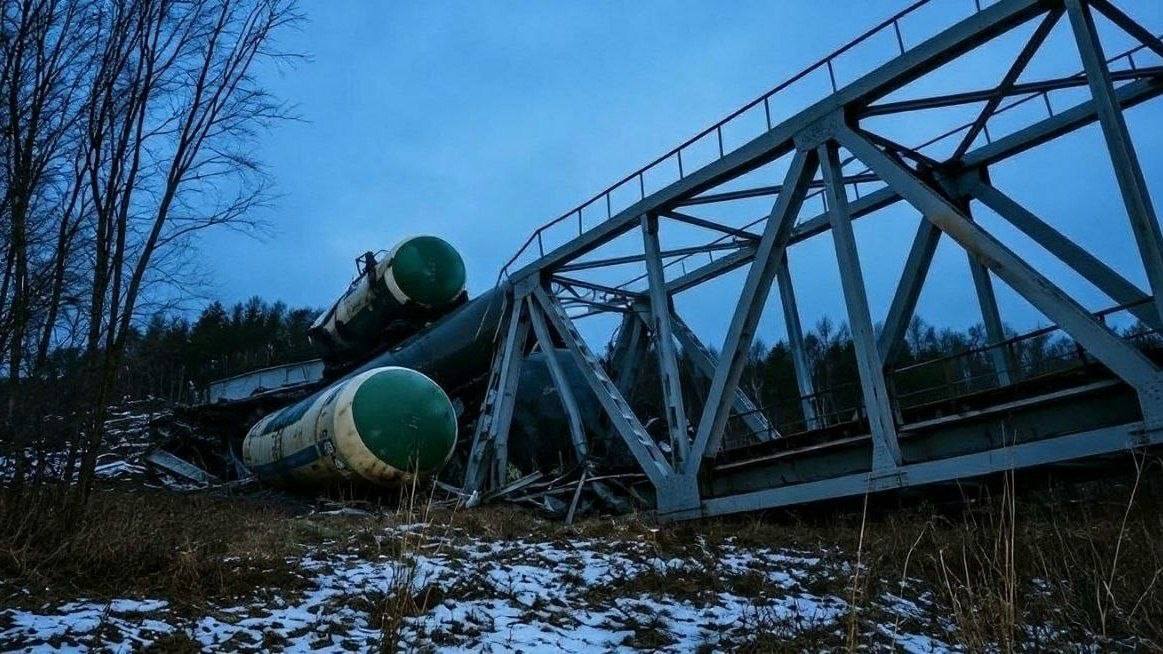
In a separate incident, Ukrainian operatives allegedly blew up a section of a railway bridge over the Viled River in Arkhangelsk Oblast while a fuel‑laden train passed, disrupting a key logistics corridor for Russian military supplies.
"Sabotage of transport infrastructure is a key element of Ukraine’s asymmetric strategy," a security expert said.Source: intelslava
Drone Activity in Other Theaters
In Iraq’s Kurdish region, a drone strike on Khor Mor disrupted electricity supply, raising concerns about the vulnerability of energy infrastructure to aerial attacks.
"The incident highlights the need for robust air‑defence coverage in semi‑autonomous zones," an Iraqi energy official warned.Source: AlJazeera
In Sudan, the United Nations reported that escalating drone attacks are worsening the humanitarian crisis, increasing civilian casualties and displacement across the country.
"The proliferation of armed drones is compounding an already dire humanitarian situation," a UN spokesperson said.Source: monitor_the_situation
Other Notable Incidents
Explosions were observed at Iran’s 15 Khordad military base in Isfahan Province, with smoke columns reported by GeoPWatch. No casualty figures were released, but the incident underscores heightened internal security concerns within Iran.
"The blast may indicate sabotage or an accident at a critical IRGC facility," analysts suggested.Source: GeoPWatch
In Saudi Arabia, Houthi forces claimed three attacks inside the kingdom, targeting King Khalid Airport, an Aramco plant in Abqaiq, and Riyadh’s financial district. The group warned foreign investors to withdraw until hostilities cease.
"Our operations aim to pressure the Saudi regime and its allies," a Houthi statement read.Source: CIG_telegram
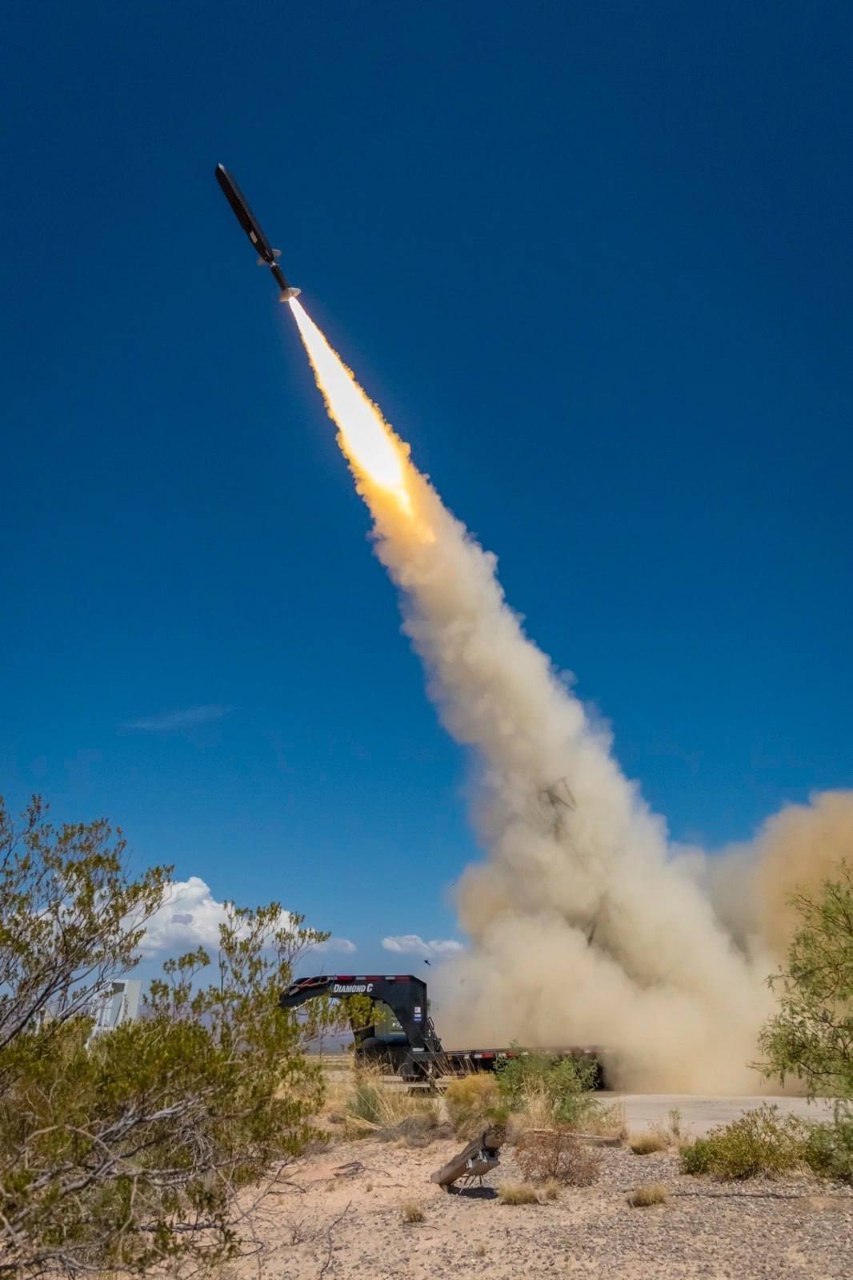
Finally, the Russian Ministry of Defence announced the interception of four U.S.-made AGM‑188A "Rusty Dagger" cruise missiles, indicating ongoing aerial contestation between Moscow and Western forces.
"Our air‑defence systems successfully neutralized the incoming threats," a Russian defence official declared.Source: intelslava