In the early hours of 10 November 2026, Saudi Arabia’s air defence network engaged and neutralised two missile threats launched from Yemen toward the capital, Riyadh. The Saudi-led coalition announced the successful interception of both projectiles, marking the most significant kinetic event on Saudi soil for the day and underscoring the heightened volatility of the Saudi‑Yemeni front.
Dual Missile Interception by Saudi‑Led Coalition
At 02:30 GMT, the coalition reported that two missiles, identified as cruise‑type weapons, were launched by Yemen’s Iran‑aligned Houthi movement toward Riyadh. Radar operators detected the inbound trajectories, and surface‑to‑air missile systems engaged the targets, destroying both before they could reach populated areas. The coalition’s statement, relayed via the monitor_the_situation channel, emphasized that the interception prevented potential casualties and infrastructure damage. No injuries were reported, and the coalition credited its integrated air‑defence architecture for the rapid response.
"The coalition destroyed two missiles launched by Yemen's Houthis toward Riyadh amid weeks of escalating hostilities," Reuters reported.
The weapons were described simply as "missiles"; no further technical classification was provided. The responsible parties were the Saudi‑led coalition on the defensive side and the Houthi forces as the aggressors.
Earlier Ballistic Missile Interception
Less than an hour before the dual‑missile event, at 01:52 GMT, Saudi air‑defence units intercepted a single ballistic missile launched from Yemen. The source, also monitor_the_situation, noted that the missile was successfully shot down near Riyadh, with no reported damage or casualties. While the specific missile type was not disclosed, the incident illustrates a pattern of repeated ballistic launches aimed at the Saudi capital.
Explosions and Sirens Across Riyadh
Following the interceptions, residents of northern Riyadh reported two loud explosions at 00:50 GMT. The rnintel channel indicated that the blasts occurred despite an earlier all‑clear announcement, suggesting that the explosions were either the result of missile impacts that evaded interception or the audible signature of missile debris striking the ground. No official casualty figures were released, and local authorities did not confirm the exact cause.
At 00:40 GMT, air‑raid sirens sounded across the city after the Yemen‑based Ansarullah group launched ballistic missiles toward Riyadh, according to the same rnintel feed. The sirens, part of Saudi Arabia’s civil defence protocol, were activated to warn civilians of potential impact zones. The rapid succession of missile launches, interceptions, and sirens highlights the intensity of kinetic activity over the capital within a narrow time window.
Aramco Tower Damage in King Abdullah Financial District
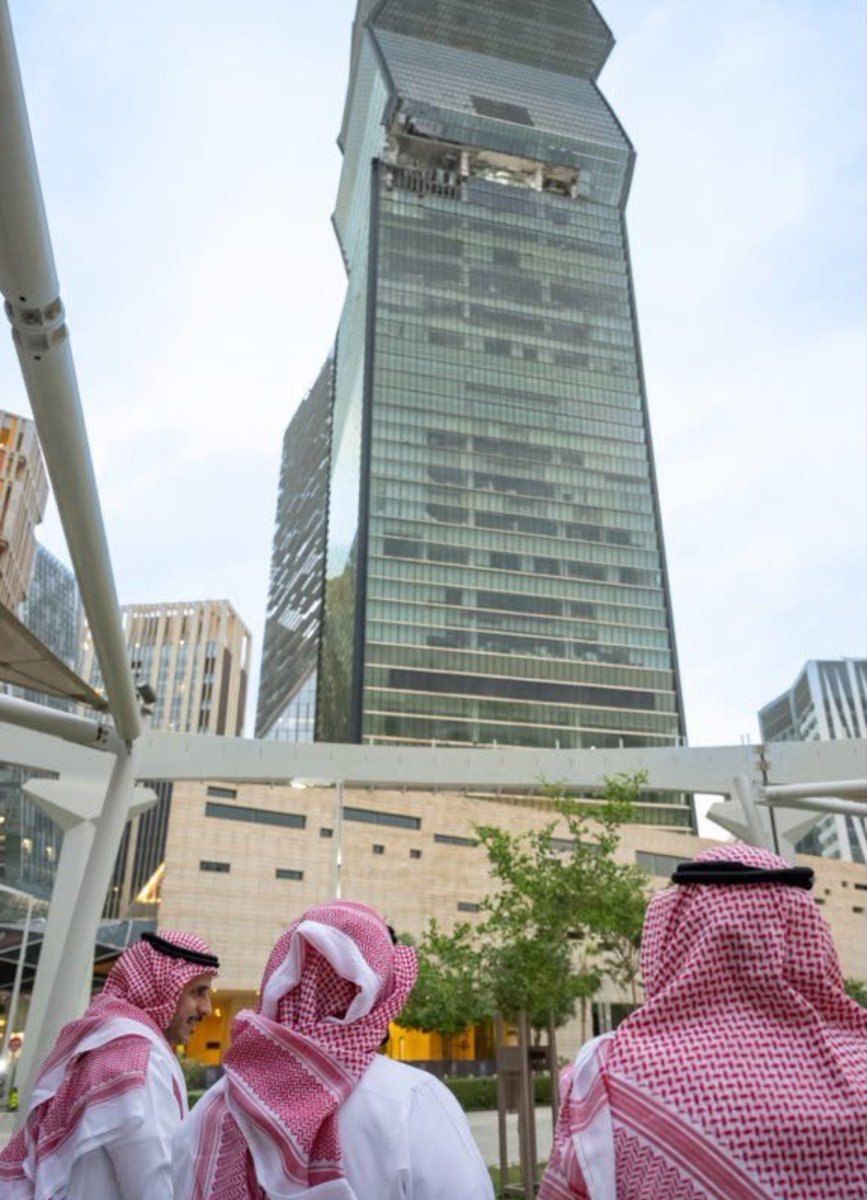
In a related incident, the Aramco Tower—an iconic skyscraper within the King Abdullah Financial District—sustained damage after being struck by an unidentified projectile on 9 November. The deputy governor of Riyadh inspected the site at 00:46 GMT on 10 November, as documented by monitor_the_situation. Photographic evidence released with the report shows structural deformation on the tower’s façade and shattered glass, though no injuries were reported among the building’s occupants. The responsible weapon was not identified, but the timing aligns with the broader missile activity targeting the capital.
"Riyadh's deputy governor inspects the Aramco Tower after it was struck the previous day; circulating footage shows damage," the monitor_the_situation channel reported.
Saudi Aramco, the state‑owned energy giant, confirmed that operations within the tower remained functional, and no disruption to oil production or export logistics was observed.
Analytical Assessment
The concentration of kinetic events in Riyadh on 10 November reflects a coordinated escalation by Yemen‑based militant groups, primarily the Houthis and Ansarullah, against Saudi strategic assets. The use of both cruise‑type missiles and ballistic missiles indicates a diversified arsenal capable of challenging Saudi air‑defence systems. However, the successful interceptions demonstrate the robustness of the coalition’s layered defence architecture, which integrates radar early‑warning, surface‑to‑air missiles, and command‑and‑control coordination.
While casualty reports remain absent, the physical impact on the Aramco Tower underscores the potential for economic disruption. The tower houses offices of Saudi Aramco and other financial institutions; damage to such infrastructure could have secondary effects on investor confidence and regional financial markets if attacks were to intensify.
From a strategic perspective, the pattern of missile launches suggests an intent to pressure Saudi Arabia during a period of broader regional tension, including Iran’s recent naval activity near Oman’s Didamar Island. Although the Oman incident falls outside the Saudi theatre, it illustrates a concurrent escalation of Iranian‑aligned forces across the Gulf, potentially stretching Saudi defensive resources.
In the immediate term, Saudi authorities are likely to maintain heightened alert status, continue public siren drills, and reinforce air‑defence coverage around critical urban and economic zones. The coalition’s public communication strategy, emphasizing successful interceptions, aims to deter further attacks by demonstrating defensive capability.