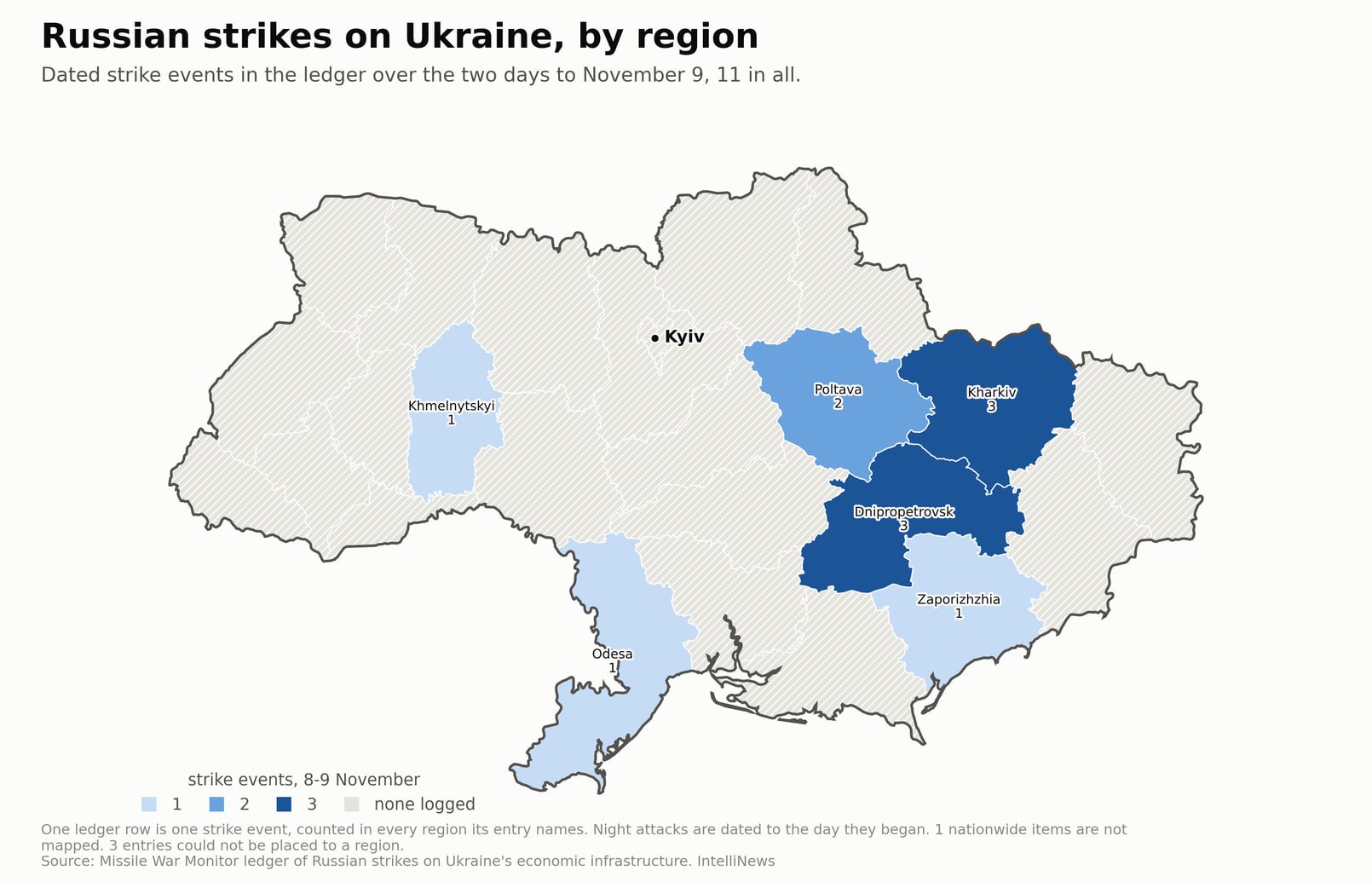
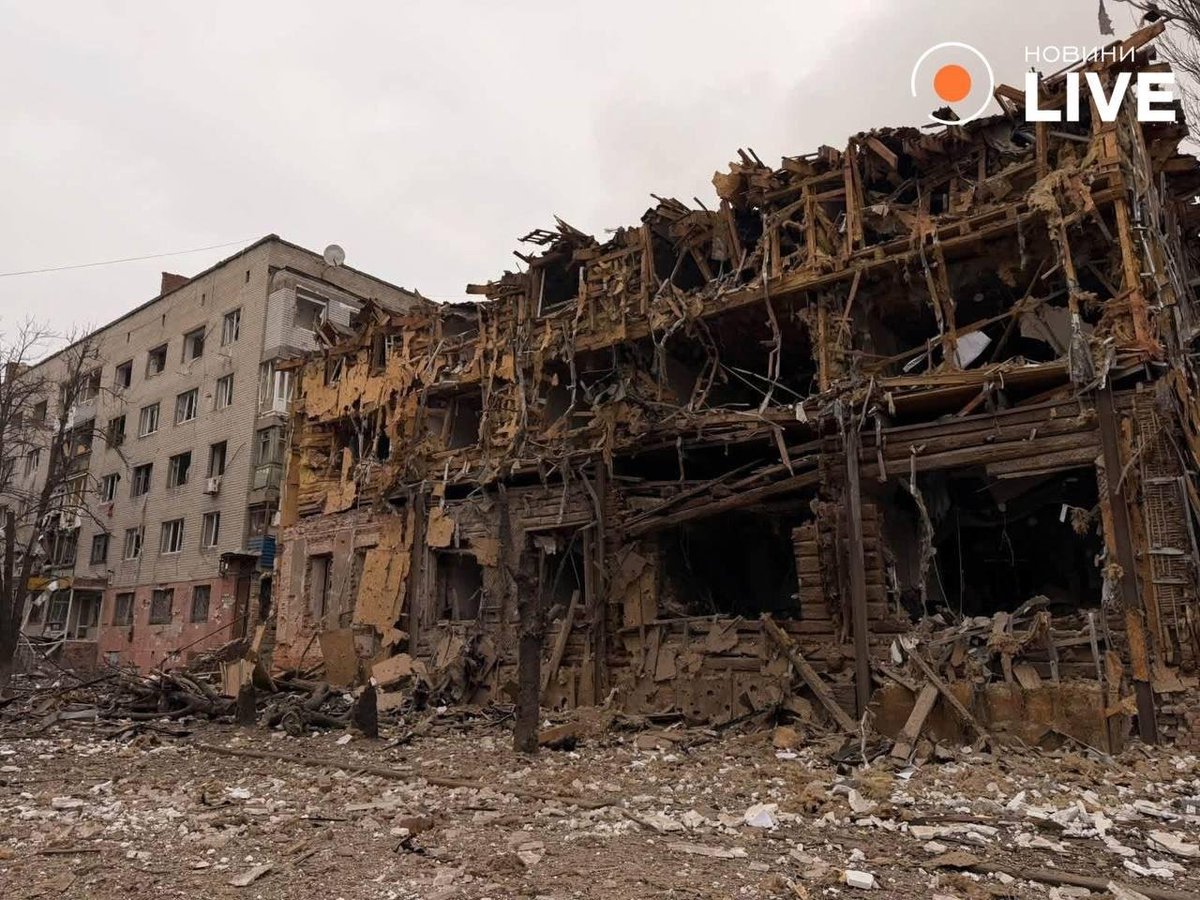
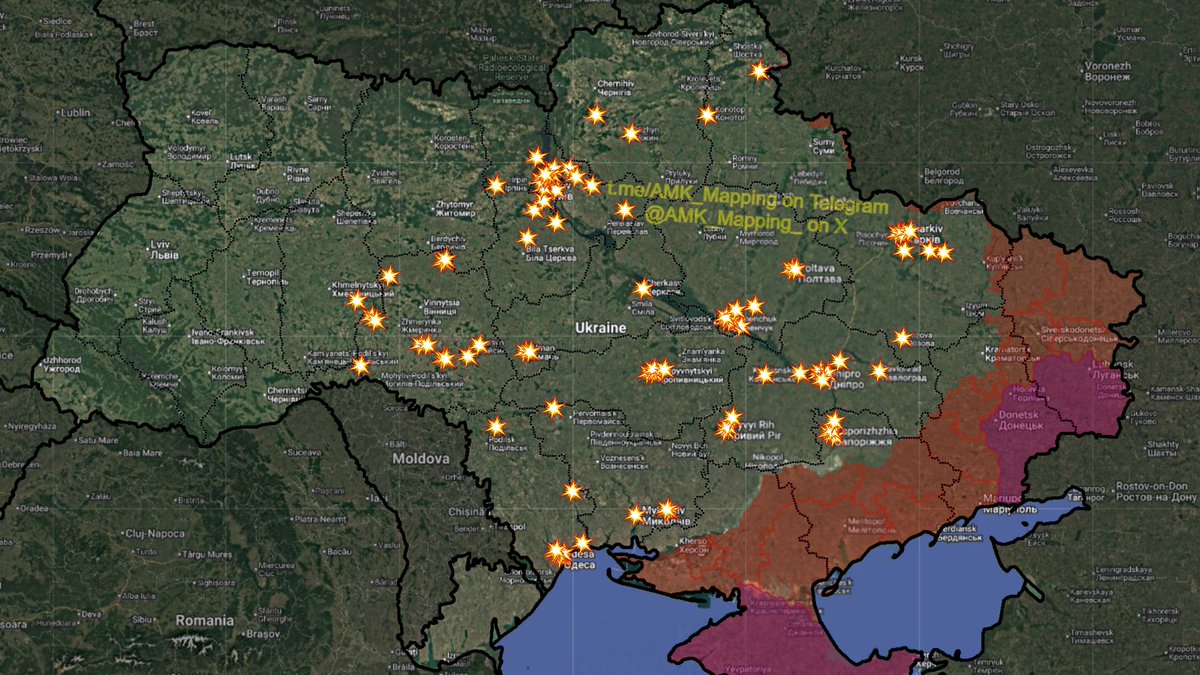
Russian aerial operations escalated sharply on 10 November 2026, with a combined UAV, bomb and cruise‑missile strike on Kharkiv Oblast that injured 18 people, including seven children, and contributed to a nationwide tally of at least 16 civilians killed and 73 injured in the preceding 24 hours. The attack, reported by the Telegram channel monitor_the_situation, involved a low‑altitude UAV, an air‑dropped bomb and a cruise missile launched from Russian forces operating in the region. The multi‑vector approach underscores a shift toward saturation tactics aimed at overwhelming local air‑defence assets and maximizing civilian exposure.
Broad‑scale Drone and Cruise Missile Campaign
Earlier in the day, Russia deployed more than 250 Geran drones and S8000 Banderol cruise missiles across Ukraine, striking dozens of targets in Vinnytsia, Dnipropetrovsk and Kyiv oblasts. The campaign, also documented by monitor_the_situation, represents the largest single‑day deployment of unmanned systems since the conflict began in 2022. Geran drones, modified commercial quadcopters equipped with improvised warheads, were used in swarm formations to saturate air‑defence corridors, while the S8000 Banderol cruise missiles—precision‑guided, long‑range weapons—hit infrastructure nodes, including power substations and railway junctions.
"Over 72 hours, Russia used 250+ Geran drones and S8000 Banderol cruise missiles, striking dozens of targets across Ukraine, with the heaviest attacks on Vinnytsia, Dnipropetrovsk, and Kyiv Oblasts." – monitor_the_situation
The sheer volume of munitions overwhelmed several regional air‑defence batteries, leading to collateral damage in civilian areas. Preliminary assessments indicate at least five civilian structures were destroyed in Vinnytsia Oblast, with three injuries reported.
Targeted Strikes on Strategic Infrastructure
In a separate operation, Ukrainian forces struck a Russian missile‑fuel plant near St Petersburg, identified as the Morozov Plant in the Leningrad region. The Ukrainian General Staff confirmed damage to three production workshops that manufacture solid‑fuel charges for the Iskander‑M ballistic missile system. The strike, relayed by the CIG_telegram channel, demonstrates Kyiv’s capacity to project power beyond its borders and disrupt Russian strategic missile logistics.
"Ukraine's General Staff said its forces damaged three production workshops at the Morozov Plant near St Petersburg, which makes solid‑fuel charges for Iskander‑M ballistic missile engines." – CIG_telegram
Concurrently, a Russian jet‑powered drone attacked a food warehouse in Odessa, killing three people. The incident, also reported by CIG_telegram, highlights the dual use of drones for both strategic sabotage and terror‑inducing attacks on civilian supply chains.
Localized Engagements and Maritime Threats
Mid‑day combat saw Ukraine’s 412th Nemesis Unmanned Systems Brigade employ Middle Strike weapons to neutralise a Russian drone launch facility at the occupied Donetsk Airport. The brigade’s statement, posted on monitor_the_situation, confirms the successful destruction of the launch pad, temporarily curbing Russian UAV sortie rates from the airfield.
In the Black Sea, Russian Geran‑4 drones equipped with electro‑optical seekers targeted multiple vessels at the ports of Pivdennyi and Chornomorsk. According to intelslava, the drones struck three bulk carriers, a container ship (hit twice), and a tanker, causing at least one fire and temporary port closures. While no crew casualties were confirmed, the attacks disrupted commercial shipping and underscored the expanding maritime dimension of the drone war.
"A large compilation of recent strikes on vessels using Geran‑4 drones equipped with electro‑optical (EO) seekers..." – intelslava
Impact on Civilian Population and Infrastructure
Beyond the high‑profile strikes, Russian air assets dropped three FAB bombs on Sloviansk, destroying four homes, damaging dozens more and injuring a civilian who required hospitalisation. The FAB (Fragmentation Air‑Burst) munitions are designed for area effect, increasing the likelihood of civilian harm in densely populated neighborhoods.
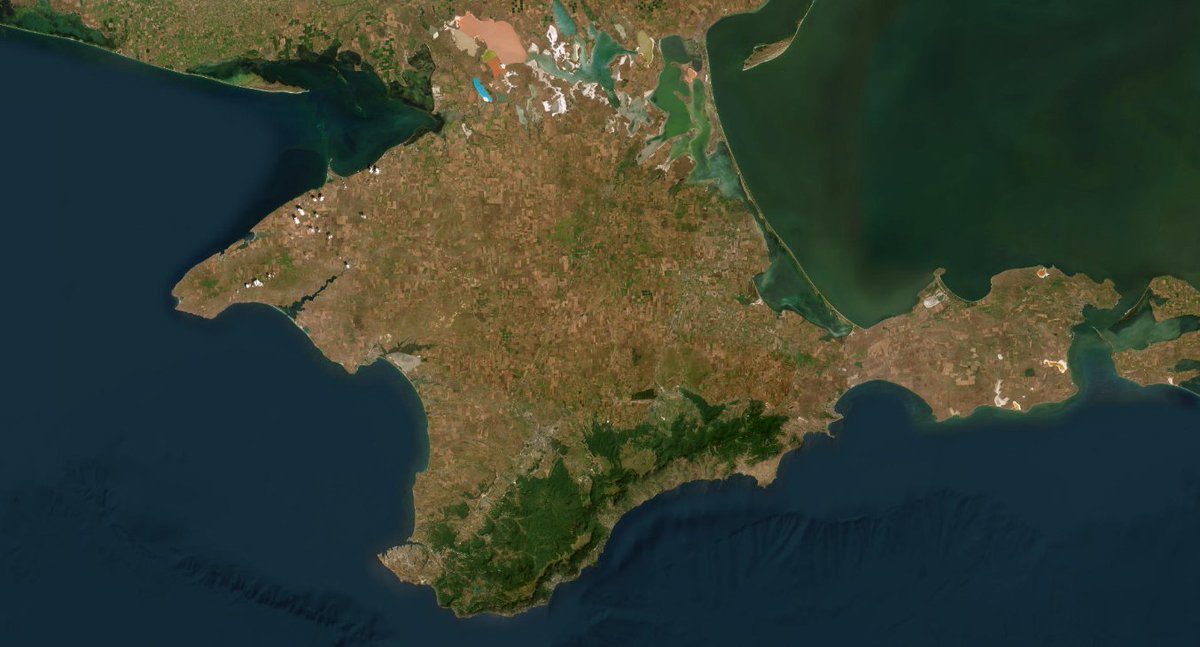
Explosions and heavy gunfire were also reported in Sevastopol, Crimea, around strategic sites such as Kamyshova Bay, Kozacha Bay and Cape Fiolent, where Russian air‑defence and electronic‑warfare units are stationed. The incidents, documented by monitor_the_situation, suggest heightened intra‑theater contestation and possible sabotage activities targeting Russian defensive installations.
Operational Context and Sources
The coordinated nature of the 10 November attacks indicates a Russian intent to apply pressure on multiple fronts simultaneously—urban centres, critical infrastructure, and maritime logistics—while testing the resilience of Ukrainian air‑defence networks. Ukrainian counter‑operations, including the strike on the Morozov Plant and the neutralisation of the Donetsk drone facility, demonstrate a reciprocal escalation and a willingness to target Russian strategic assets beyond the front lines.
All events are sourced from open‑source Telegram channels that are regularly monitored by conflict‑analysis teams: monitor_the_situation, CIG_telegram, and intelslava. These channels provide real‑time verification of weapon types, casualty figures and geographic coordinates, forming the basis of this briefing.