Ukrainian military officials announced on 9 November that Russian forces suffered approximately 2,980 casualties during a series of infantry assaults near Dobropillia in Donetsk Oblast and Orikhiv in Zaporizhzhia Oblast. The claim, posted on the monitoring channel monitor_the_situation, represents the most severe single‑day loss reported for Russian troops since the conflict intensified in early 2022. While the figure remains unverified by independent observers, it underscores a marked escalation in ground combat intensity across eastern Ukraine.
Russian Infantry Assaults and Reported Casualties
The Ukrainian statement described coordinated infantry attacks launched from multiple directions, employing small‑arms fire, mortars, and close‑quarter engagements. According to the report, the combined effect of these assaults resulted in 2,980 Russian personnel killed, wounded, captured, or otherwise rendered combat‑ineffective on 8 November. The Ukrainian side emphasized that the operations were part of a broader counter‑offensive aimed at disrupting Russian supply lines and command structures in the Donetsk and Zaporizhzhia axes.
"Our forces have inflicted unprecedented losses on the occupier, degrading his ability to sustain offensive operations in the south‑eastern sector," a Ukrainian military spokesperson said, as cited by monitor_the_situation.
Russian military channels have not provided a response, and no third‑party verification has been released as of the time of writing. Nonetheless, the claim aligns with a pattern of intensified ground engagements reported throughout the week, suggesting a possible shift from static trench warfare to more dynamic, localized offensives.
Intensified Airstrikes and UAV Campaigns
Concurrent with the ground assaults, Russian air assets conducted a series of high‑intensity strikes across Ukraine. Notable incidents include:
- Komyshuvakha, Kharkiv Oblast: Police identified 30 of the 55 bodies recovered after an airstrike on 9 November, indicating a substantial civilian presence in the targeted area. The strike was reported by monitor_the_situation and remains under investigation for compliance with international humanitarian law.
- Druzhkivka, Donetsk Oblast: Russian Aerospace Forces deployed FAB‑250 and FAB‑500 guided bombs equipped with UMPK kits against two UAV launch sites in Kolodezne and Druzhkivka. The operation, detailed by intelslava, demonstrates continued Russian use of precision‑guided munitions to suppress Ukrainian aerial reconnaissance capabilities.
- Zaporozhye: A Geran‑4 drone struck the State Security Service (SBU) Directorate building, as reported by intelslava. The attack highlights the proliferation of Russian‑supplied loitering munitions capable of targeting high‑value administrative structures.
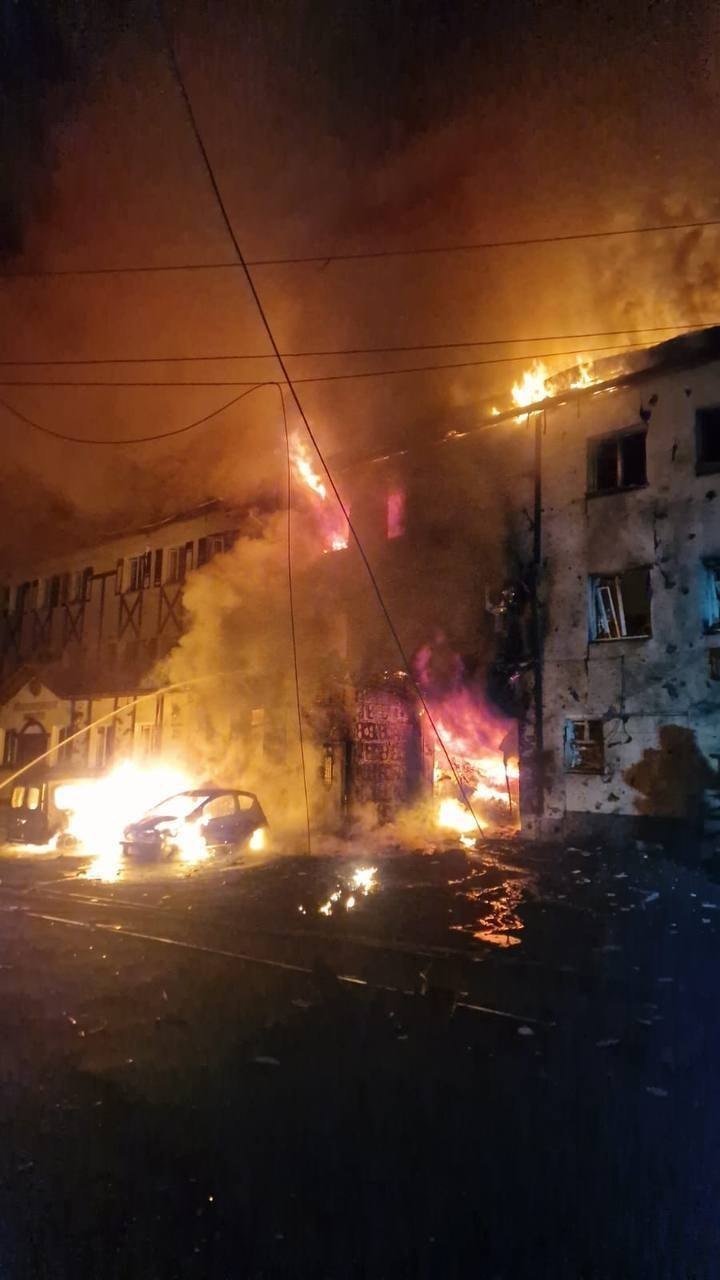
- Kremenchuk, Poltava Oblast: A Geran‑5 jet‑powered drone hit the Pantagruel hotel and restaurant complex, causing structural damage and at least one fatality, according to intelslava. The incident underscores the expanding geographic scope of Russian UAV operations beyond frontline zones.
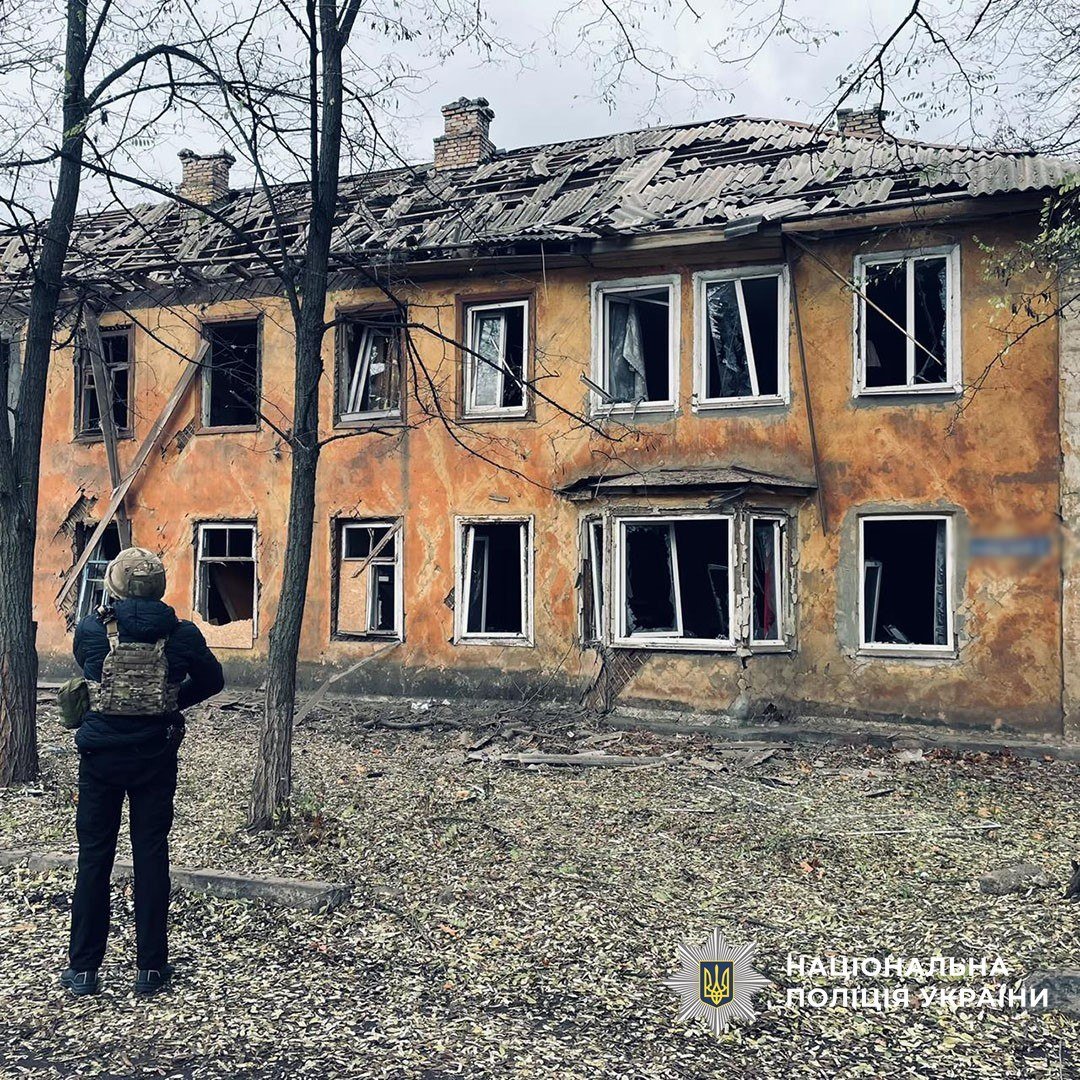
- Donetsk Oblast: UAV and air‑dropped bomb attacks on 9 November killed five civilians and injured twelve, raising the weekend civilian death toll to 16. The attacks were documented by monitor_the_situation and illustrate the persistent threat of low‑altitude munitions to populated areas.
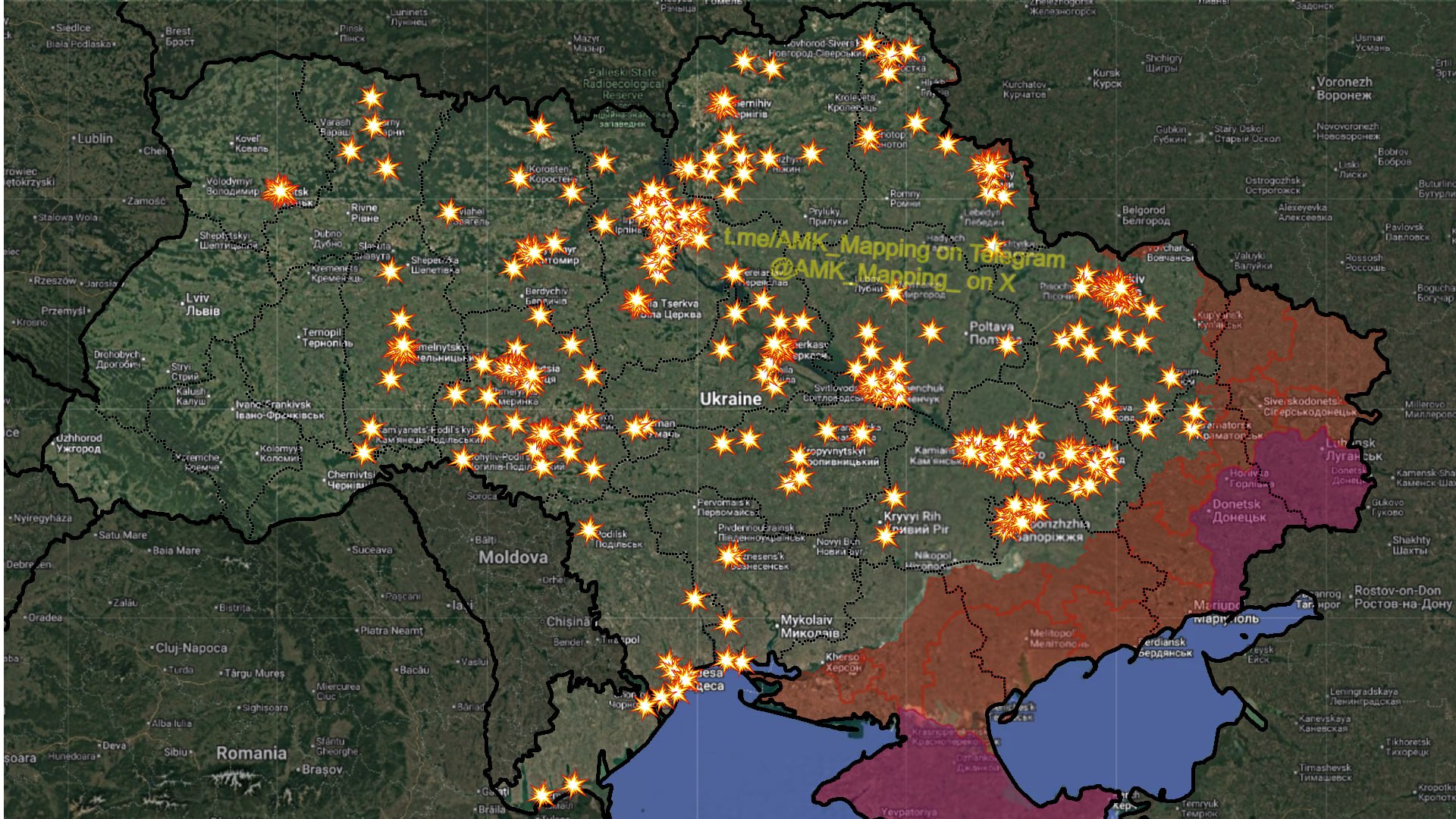
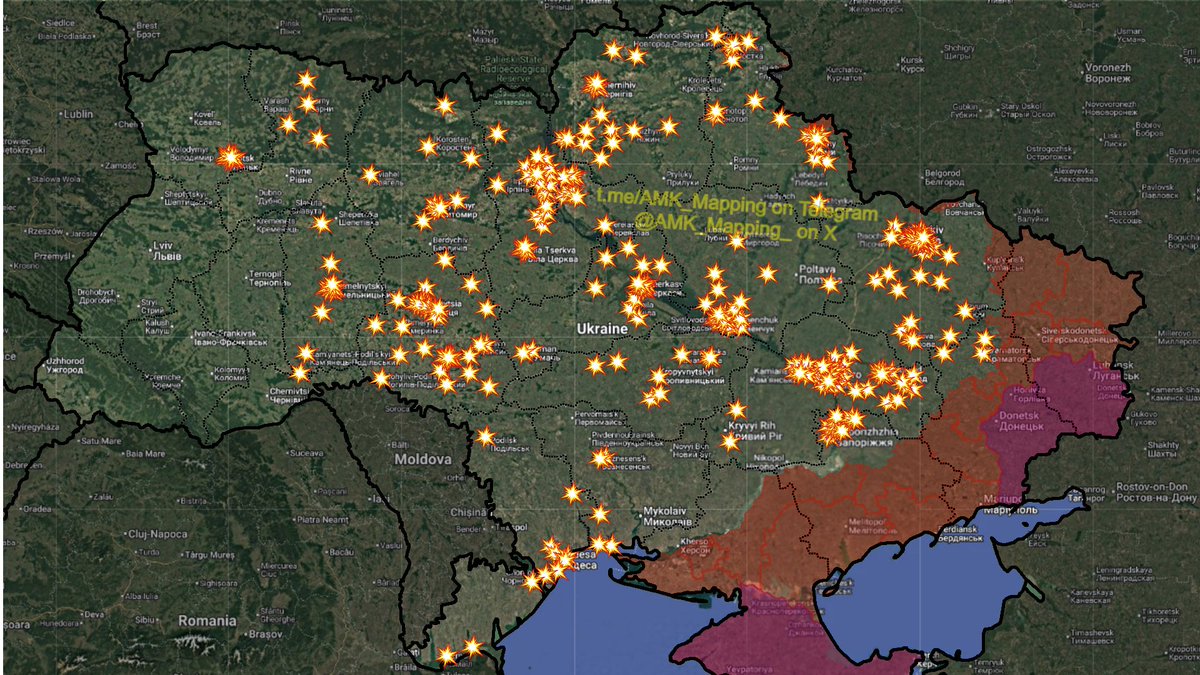
In addition, Russian forces launched over 1,000 Geran drones and S8000 missiles over a 72‑hour window, striking 279 locations across Ukraine, with the heaviest concentration in Kharkiv, Dnipropetrovsk, Kyiv, and Vinnytsia oblasts. This sustained aerial campaign, reported by monitor_the_situation, reflects a strategic emphasis on saturation attacks designed to overwhelm air‑defence systems.
Targeting of Energy and Civilian Infrastructure
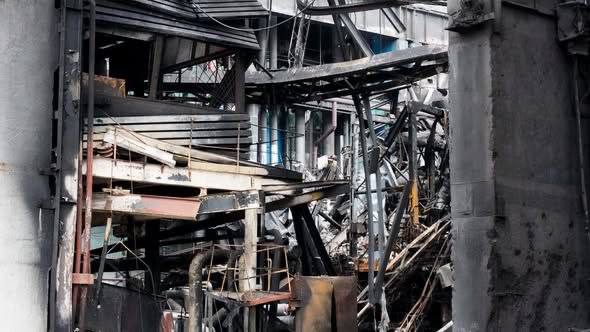
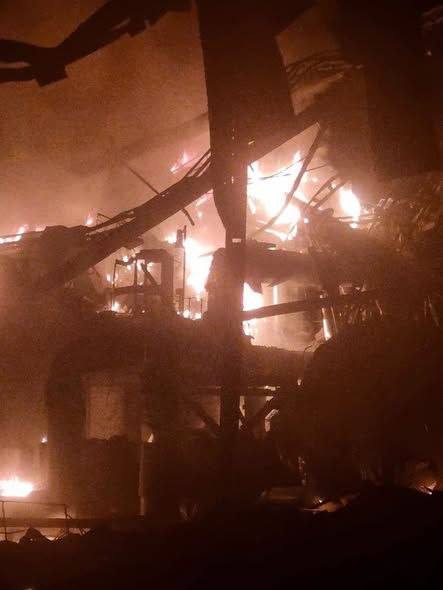
Energy infrastructure continued to be a focal point of kinetic activity. Russian artillery shelled the Trypilska Thermal Power Plant in Trypillia, Kyiv Oblast, causing “extremely serious” damage, as confirmed by the plant operator Centrenergo and reported by intelslava. The strike disrupted power generation for a significant portion of the surrounding region.
Ukrainian officials also noted a shift in Russian energy attacks on Kyiv, moving from high‑voltage transmission nodes to distribution stations and relay protection equipment. This tactical adjustment, detailed by intelslava, has resulted in cascading shutdowns of neighboring substations, amplifying the impact on civilian electricity supply.
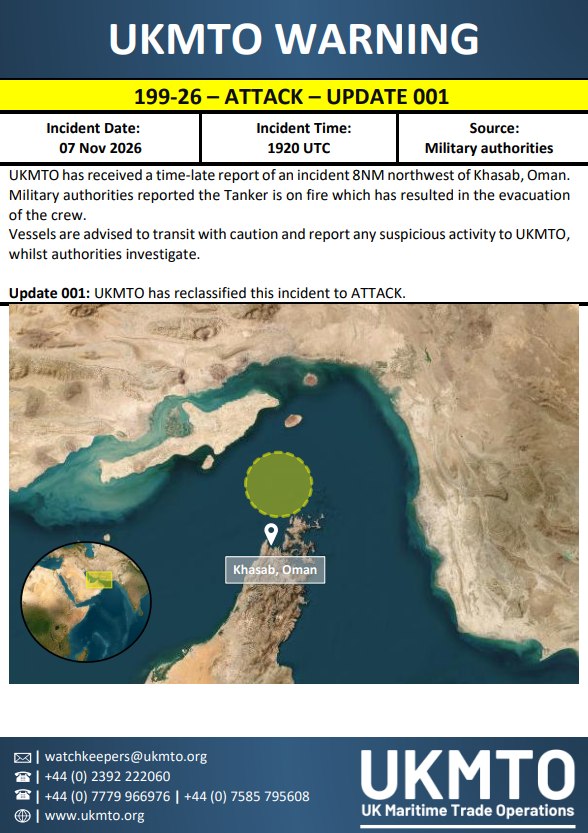
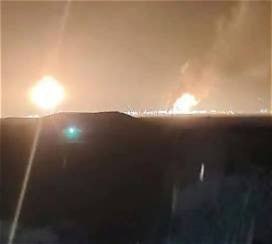
Other notable incidents include a drone strike on the Khor Mor gas field in Iraqi Kurdistan, which, while outside Ukraine, illustrates the broader regional use of UAVs to target energy assets, potentially informing Russian operational doctrine.
Humanitarian Consequences and Civilian Toll
The cumulative effect of these kinetic events has been a rising civilian casualty count. The Komyshuvakha airstrike alone accounted for at least 55 bodies recovered, while UAV‑borne bombs in Donetsk Oblast added five civilian deaths. Power outages resulting from attacks on substations and the Trypilska plant have left thousands without electricity, complicating medical care and heating during the approaching winter.
Humanitarian agencies have warned that the intensified targeting of civilian infrastructure may trigger broader displacement flows, as residents seek safety and basic services in less‑affected oblasts. The United Nations Office for the Coordination of Humanitarian Affairs (OCHA) has not yet released updated displacement figures for Ukraine on 9 November, but the trend mirrors previous weeks where infrastructure attacks precipitated internal migration.
Operational Assessment
From an operational perspective, the reported Russian casualty figure, if accurate, could signal a degradation of Russian manpower reserves in the eastern theater. However, the lack of independent verification necessitates caution in drawing definitive conclusions. Simultaneously, Russia’s extensive UAV and missile campaign demonstrates a continued reliance on stand‑off weapons to achieve attrition and psychological effects, particularly in regions where ground forces face stiff resistance.
Ukrainian forces appear to be leveraging combined arms tactics—coordinated infantry assaults supported by artillery and limited air‑defence engagements—to inflict disproportionate losses on Russian units. The integration of intelligence from UAV launch site strikes suggests an effort to blunt Russian aerial reconnaissance, potentially reducing the effectiveness of subsequent air raids.
Overall, the kinetic landscape in Ukraine on 9 November reflects a dual escalation: intensified ground combat in the Donetsk‑Zaporizhzhia corridor and a broadening of aerial and UAV attacks targeting both military and civilian infrastructure across multiple oblasts. The interplay of these dynamics will likely shape the conflict’s trajectory in the coming weeks, with implications for civilian safety, energy security, and the operational capacity of both belligerents.