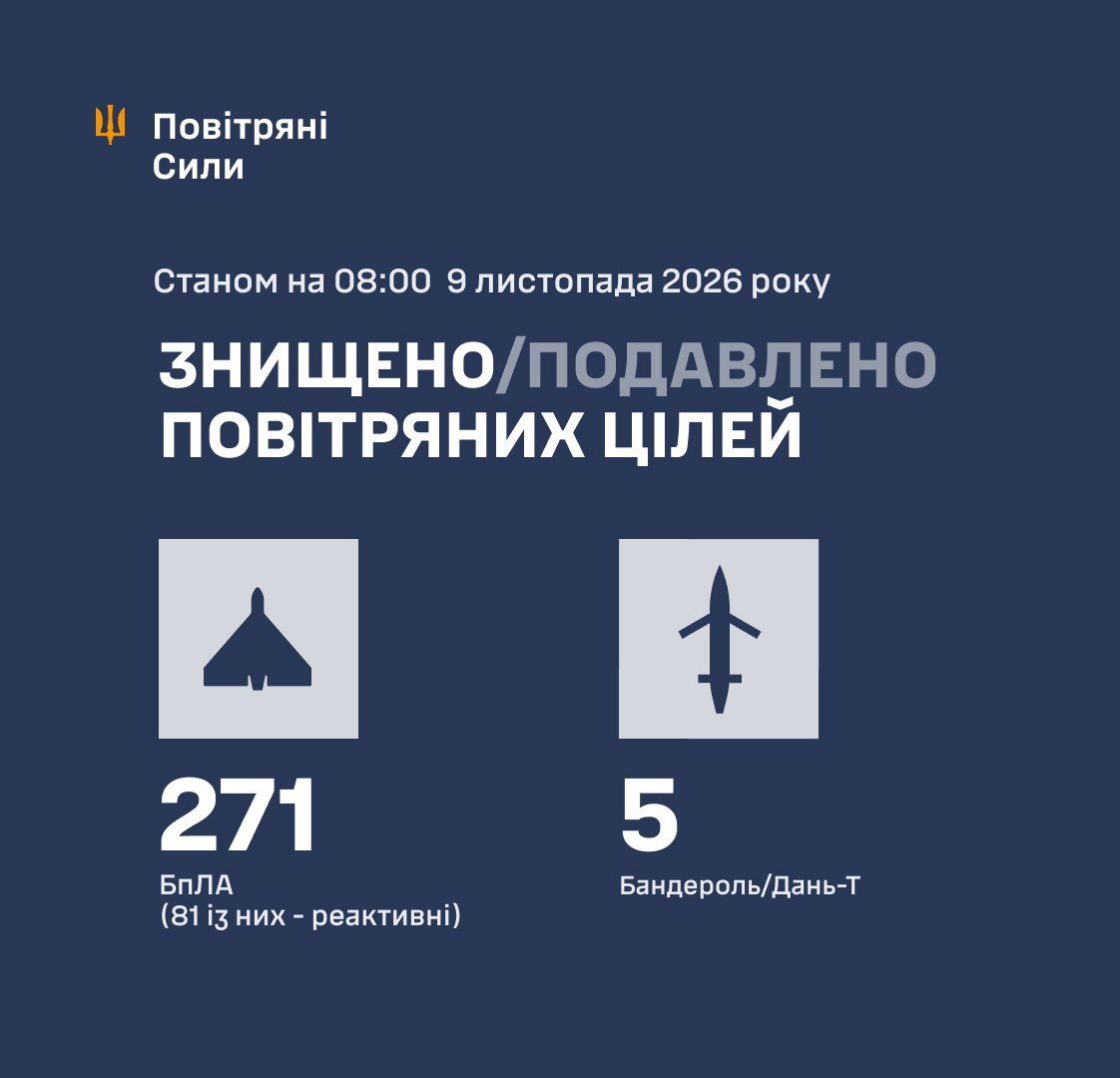
In the early hours of 9 November 2026, Russian forces launched a coordinated aerial offensive comprising 317 weapons, including 271 unmanned aerial systems (UAS) and five cruise missiles, targeting locations across Ukraine. The Ukrainian Air Force reported that the majority of the drones and all five missiles were either shot down or electronically suppressed, with confirmed impacts at 31 sites and debris fields at nine additional locations. The operation, documented by the monitoring channel monitor_the_situation and amplified by the @NOELreports feed, represents the most extensive single‑day UAV sortie recorded in the current conflict cycle.
🔴 **Russia Launches 317 Aerial Weapons at Ukraine** – Ukraine's Air Force says 271 drones and five missiles were downed or suppressed, with impacts at 31 sites and debris at nine others. (https://t.me/monitor_the_situation/42053)
Loitering Munition Operations
Concurrent with the massed drone barrage, Russian Lancet loitering‑munition units attached to the Center Group of Forces conducted targeted strikes against Ukrainian Armed Forces positions. According to the intelligence outlet intelslava, Lancet operators engaged multiple ground targets, including the destruction of two Ukrainian military trucks equipped with Hornet and FP‑1/FP‑2 strike drones. The video evidence released by the same source confirms the precision impact of the loitering munitions, underscoring the continued reliance on autonomous strike platforms to degrade Ukrainian mobility and air‑defense assets.
Naval and Infrastructure Targets
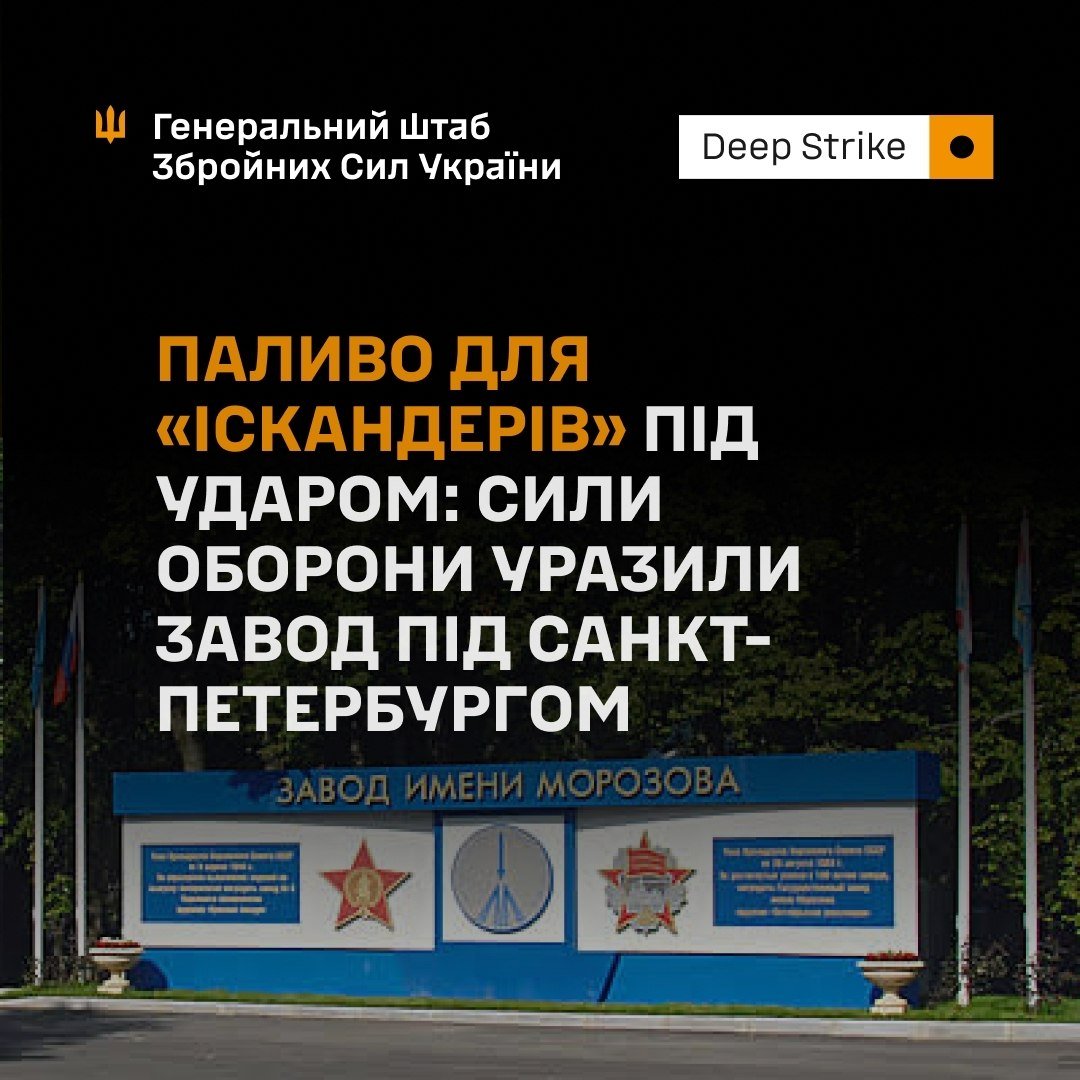
Russia also claimed successful attacks on Ukrainian critical infrastructure and maritime logistics. The same monitoring channel reported that Russian forces struck two power substations and three cargo vessels alleged to be carrying military supplies. While independent verification remains pending, the statements illustrate a broader strategy to disrupt energy distribution and supply chains. In retaliation, Ukraine’s General Staff announced a precision strike on the Morozov missile plant near St. Petersburg, damaging three workshops that produce solid‑fuel charges for Iskander‑M ballistic missiles. Photographic evidence posted on monitor_the_situation shows smoke and structural damage, indicating a direct strike on Russia’s missile‑production capability.
Special Operations and Ground Movements
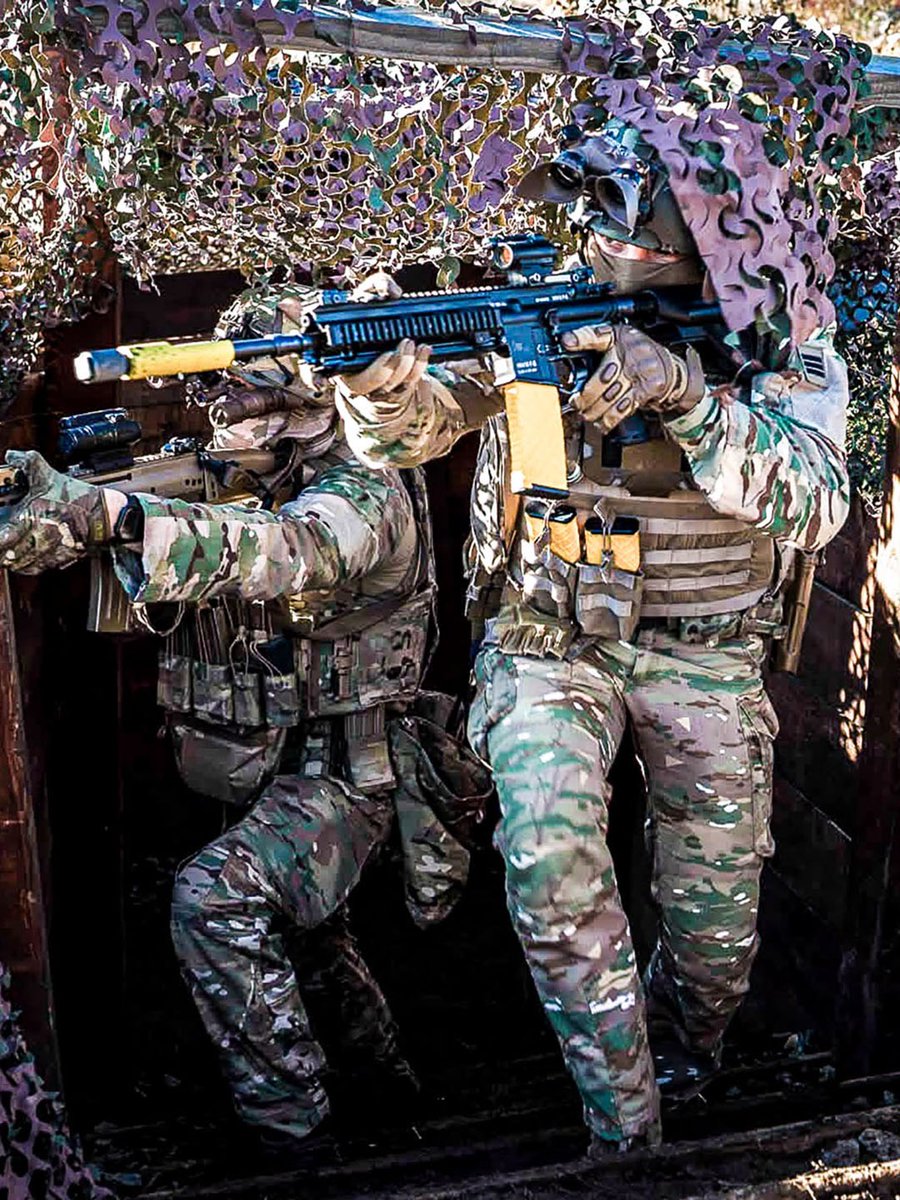
On the ground, Ukrainian naval special forces from the 73rd Naval Special Operations Center executed a cross‑border raid inside Russian territory, reportedly killing four Russian soldiers and wounding nine. The operation, captured on video, involved mining routes and targeting drone crews, reflecting an escalation in covert kinetic actions beyond the front lines. Simultaneously, Russian forces deployed dummy fire teams and mannequin checkpoints along Ukrainian highways, a deceptive measure aimed at confusing AI‑enabled reconnaissance drones. In the broader regional context, NATO conducted a joint exercise in Romania involving approximately 2,300 troops from France, Belgium, Luxembourg, North Macedonia and the host nation, focusing on rapid response to threats on the alliance’s eastern flank. Additionally, Syrian authorities confirmed the deployment of troops to Saudi Arabia to support operations against Houthi forces, expanding the geographic scope of kinetic engagements.
Strategic Assessment
The coordinated use of high‑volume UAV sorties, loitering munitions, and targeted special‑operations raids indicates a multi‑layered Russian approach to pressure Ukrainian defenses while probing the effectiveness of allied counter‑UAV systems. Ukraine’s ability to intercept the majority of the aerial payloads demonstrates a resilient air‑defense posture, yet the reported impacts on civilian infrastructure and the strike on the Morozov plant suggest that both sides are willing to accept collateral damage to achieve strategic objectives. NATO’s exercise in Romania reinforces collective deterrence, but the simultaneous Syrian troop movement to Saudi Arabia highlights the risk of kinetic spill‑over into adjacent theaters. Continued monitoring of UAV deployment patterns, electronic warfare capabilities, and cross‑border special operations will be essential for assessing escalation trajectories in the coming weeks.