On the morning of 9 November 2026, Israel announced the approval of an initial deployment of 250 foreign troops to the Gaza Strip, marking a significant escalation in the conflict and a coordination step with the United States as it prepares a multinational force for the enclave. The move, reported by the Jerusalem Post, signals a shift from a primarily Israeli‑led operation to a broader coalition framework, potentially altering the strategic calculus on the ground.
Foreign Troop Deployment to Gaza
The deployment plan, confirmed by Israeli officials, allows foreign military officers—accompanied by U.S. troops—to operate alongside Israeli forces inside Gaza. While no combat weapons have been assigned to the foreign contingent at this stage, their presence is intended to facilitate intelligence sharing, logistical support, and coordination of future joint operations. Israel and the United States are the only nations explicitly identified in the arrangement, underscoring the bilateral nature of the effort.
"Israel approves initial 250 foreign troops for Gaza as US prepares multinational force," Jerusalem Post, 9 November 2026, https://www.jpost.com/israel-news/article-914289
The announcement follows weeks of diplomatic negotiations in Washington, where the U.S. has been urging regional partners to contribute personnel to a proposed multinational stabilization force. Analysts note that the limited size of the initial contingent suggests a cautious approach, allowing both sides to assess operational integration before any larger scale commitment.
Infiltration Attempt in Zababdeh
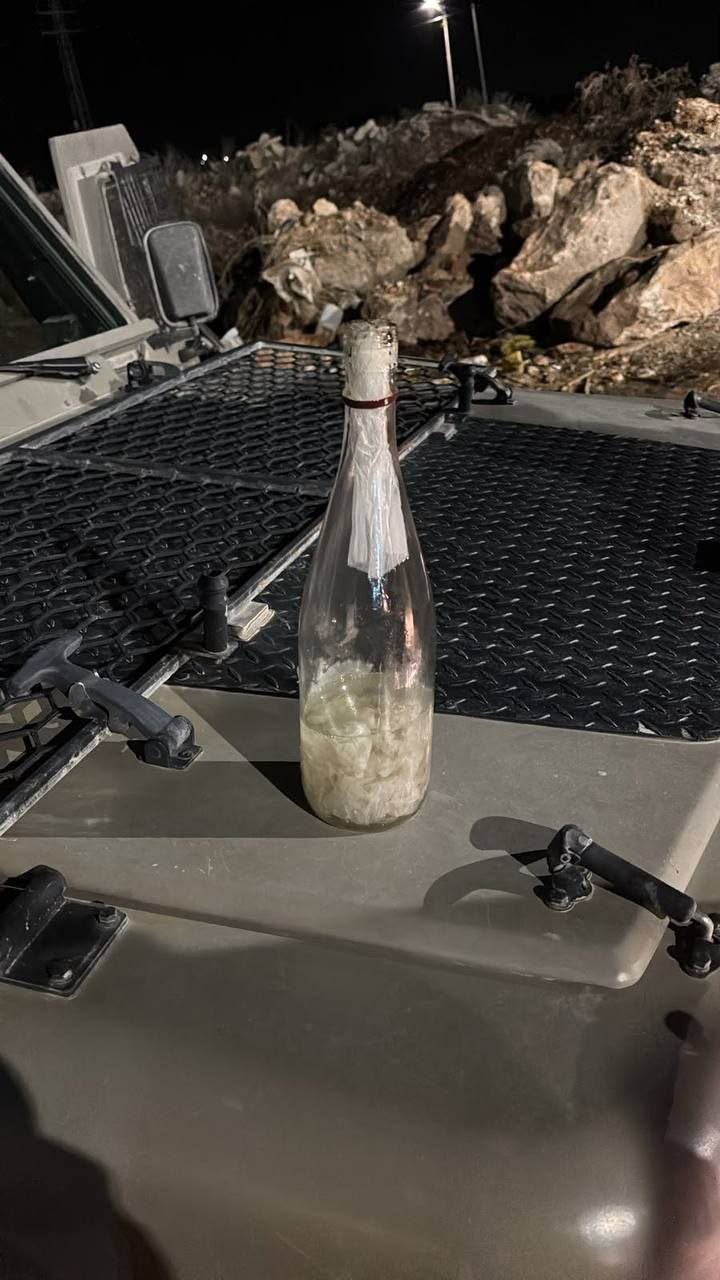
In a separate security incident on the same day, the Israel Defense Forces (IDF) reported the neutralization of a terrorist attempting to launch a Molotov cocktail attack in the Zababdeh area of the Menashe Brigade, located in Israel’s Northern District. According to an IDF spokesperson, the suspect was identified during a routine patrol, raised a Molotov cocktail, and was immediately engaged with live fire, resulting in a confirmed hit.
"During an operational activity of IDF forces tonight (Sunday) in the Zababdeh area of the Menashe Brigade, the forces identified a terrorist who was holding a Molotov cocktail and intended to throw it at the forces and attack them. The forces responded with fire to eliminate the threat, a hit was identified," IDF statement, https://t.me/idkunim_il/65433
The incident highlights the continued threat of low‑tech attacks within Israel’s borders, even as the focus of military resources remains on Gaza. The Menashe Brigade, part of the Northern Command, has increased patrols in response to a rise in incendiary devices aimed at both civilian and military targets.
Nationwide Police and Border Force Raids
Concurrently, Israel’s internal security apparatus conducted a coordinated dawn raid involving approximately 500 officers from the Israel Police, Border Police, and elite special units. The operation, orchestrated by the coastal YAMR unit and the investigative branch Lahav 433, targeted multiple locations across the country and resulted in the arrest of dozens of suspects linked to extremist activities.
"Cross-district arrest operation: 500 police officers, Border Police fighters and special units moved at dawn to targets across the country and arrested dozens of suspects, after a prolonged covert investigation by the coastal YAMR unit and Lahav 433," IDF internal security report, https://t.me/idkunim_il/65432
The raids underscore a broader security strategy that pairs external military pressure in Gaza with intensified domestic counter‑terrorism measures. Authorities have not disclosed the exact charges or affiliations of the arrested individuals, but the involvement of Lahav 433—a unit known for probing organized crime and terrorism—suggests a focus on dismantling networks that could support attacks against Israeli civilians or security forces.
Strategic Implications
The simultaneous execution of these three operations illustrates a multi‑layered approach by Israeli authorities: expanding coalition involvement in Gaza while tightening internal security to preempt spill‑over threats. The foreign troop deployment may provide Israel with additional intelligence and logistical capabilities, potentially accelerating the pace of ground operations in Gaza. At the same time, the rapid response to the Molotov attack and the large‑scale police sweep demonstrate a zero‑tolerance posture toward any form of insurgent activity within Israel’s recognized borders.
Observers note that the integration of foreign officers into Gaza operations could complicate command structures, requiring clear rules of engagement and robust coordination mechanisms. Moreover, the domestic raids may serve both as a deterrent and as a signal to external actors that Israel remains vigilant against any attempts to exploit the Gaza conflict for broader destabilization.
Overall, the events of 9 November 2026 reflect an intensified Israeli security posture that blends external military escalation with heightened internal policing, aiming to contain the conflict’s geographic spread while safeguarding national security.