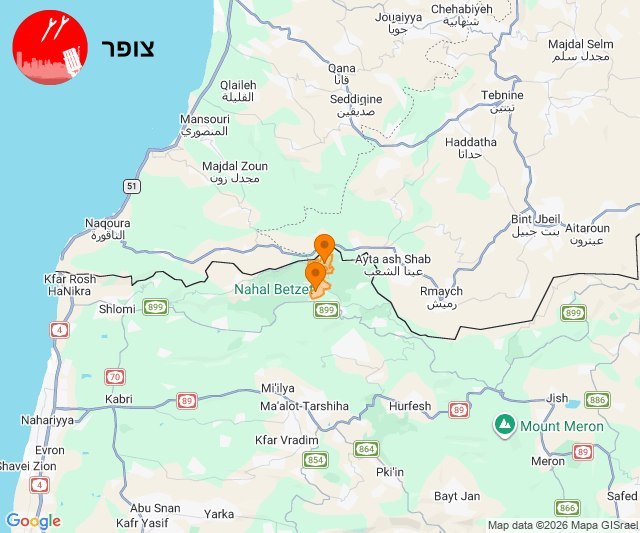
On 8 November 2026, Israel’s northern airspace experienced a coordinated wave of hostile unmanned aerial vehicle (UAV) activity that prompted immediate air‑raid alerts and heightened military readiness. The first public notice, posted at 04:34:36 UTC by the Telegram channel monitor_the_situation, warned residents of northern Israel to expect incoming drones, though no casualties or material damage were reported at the time of writing.
Air‑Raid Alerts in Northern Israel
The alert, accompanied by a photograph of the alert system activation, indicated that the Israeli Home Front Command had raised the threat level for the region surrounding the border with Lebanon. While the source did not specify the exact launch points, the timing aligns with a broader pattern of UAV incursions reported earlier in the day. No official statements from the Israel Defense Forces (IDF) had been released by the time of this briefing, and the lack of confirmed impact suggests that either the drones were intercepted, aborted, or failed to reach their targets.
“Air‑raid alerts triggered by reported incoming drones in northern Israel; no impact details yet.” – monitor_the_situation, 04:34:36 UTC
Given the proximity of the alerts to the Israeli‑Lebanese cease‑fire line, the event is being monitored for potential escalation involving non‑state actors operating from Lebanese territory, a scenario that has recurred in previous years.
Additional UAV Sightings Reported by RocketAlert
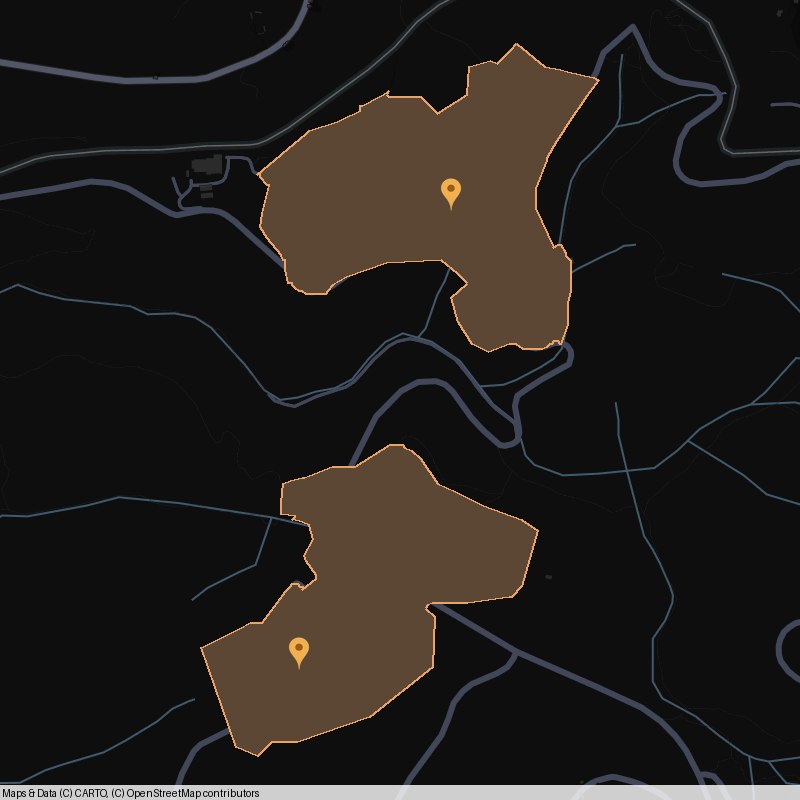
At 04:10:14 UTC, the Telegram channel RocketAlert posted a separate hostile UAV alert referencing a “Confrontation Line” between the settlements of Zarit and Shomera. The message, which included a single photograph, did not provide casualty figures or confirm whether the drones were engaged, but it reinforced the perception of a coordinated aerial threat along Israel’s northern frontier.
Hostile UAV alert 2026-11-08 06:10:11: Confrontation Line: Zarit, Shomera – RocketAlert.live
The lack of precise coordinates and the use of the term “Confrontation Line” suggest that the drones may have been intended to probe Israeli air defenses or to conduct surveillance over contested border zones.
Iranian Air Force Intercepts Enemy UAV
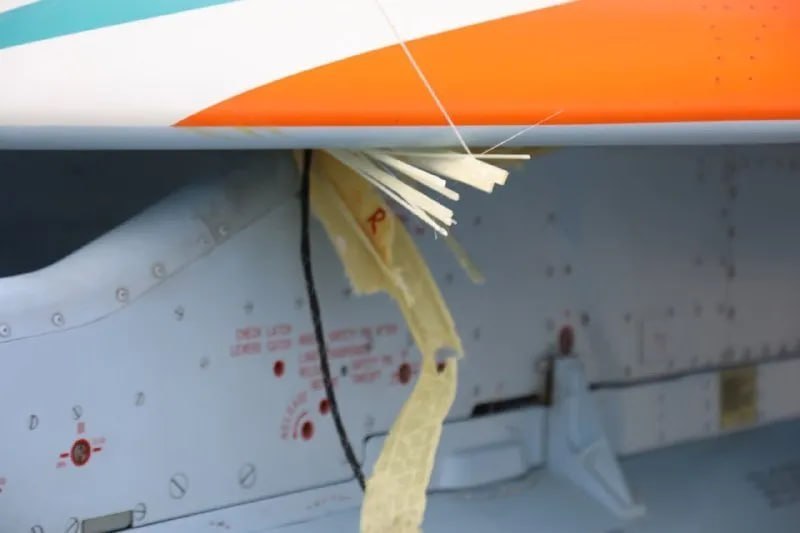
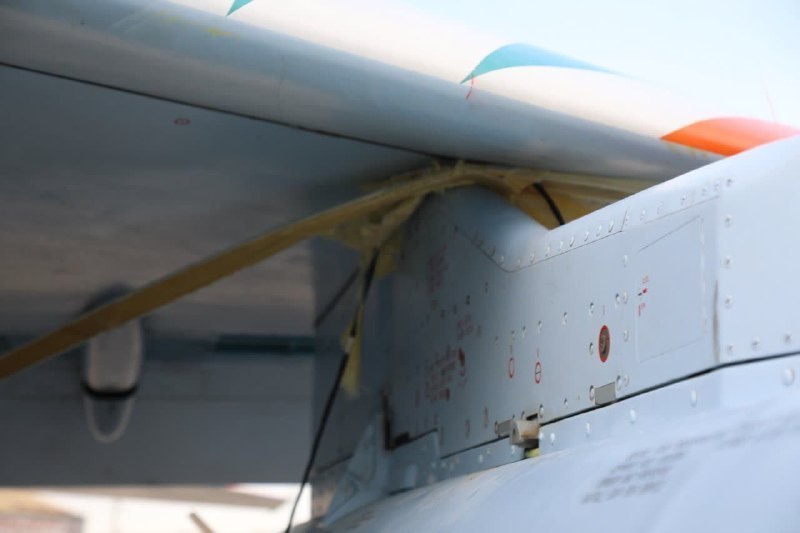
In a separate development unrelated to the Israeli alerts, the Iranian Air Force reported a rare aerial ramming incident on 01:57:58 UTC. According to the Telegram channel intelslava, an Iranian Yak‑130 advanced jet trainer attempted to neutralize an enemy UAV using a missile. The missile failed to strike due to the UAV’s counter‑measures, prompting the pilot to execute a deliberate collision that destroyed the UAV.
🇮🇷🇺🇸⚡️ — Iranian media have published an interesting account of an incident that reportedly took place in the spring of this year, during the repelling of US and Israeli attacks. According to the report, an Iranian Air Force Yak‑130 advanced jet trainer rammed and destroyed an enemy UAV.
The incident underscores the increasing willingness of state actors to employ unconventional tactics when conventional missile engagements prove ineffective. While the exact identity of the hostile UAV remains undisclosed, the report links the event to broader “US and Israeli attacks,” suggesting a possible retaliatory or defensive operation by an adversarial platform.
Operational Context and Weapon Systems
All three incidents involve small, low‑observable UAVs capable of rapid ingress and egress. The Israeli alerts did not specify the UAV models, but regional intelligence indicates a prevalence of commercially available quad‑copter platforms modified with improvised explosive payloads. In contrast, the Iranian engagement involved a Yak‑130 trainer equipped with an air‑to‑air missile, highlighting the use of legacy aircraft in a counter‑UAV role.
The Iranian ramming maneuver demonstrates a tactical adaptation when missile guidance is compromised. Such a maneuver carries significant risk to the pilot and aircraft, indicating a high priority placed on neutralizing the UAV threat.
Regional Airspace Security Implications
The clustering of hostile UAV reports within a two‑hour window points to a possible coordinated campaign aimed at testing air‑defence readiness across multiple fronts. For Israel, the immediate concern remains the protection of civilian populations in the north, where densely populated communities sit within range of short‑range UAV attacks.
For Iran, the incident reflects an expanding threat environment where hostile UAVs may be employed by adversarial states or proxy groups to conduct reconnaissance or limited strikes. The decision to employ a ramming tactic may influence future doctrine, potentially prompting the development of dedicated counter‑UAV aircraft or automated interception systems.
Strategic Outlook
While no casualties have been reported from the November 8 incidents, the rapid succession of alerts underscores the need for continuous monitoring of UAV activity in the Eastern Mediterranean and Levantine theatres. Both Israel and Iran appear to be adapting existing platforms—civilian drones and military trainers—to address emerging aerial threats.
Analysts recommend that regional security agencies maintain heightened vigilance, share real‑time intelligence on UAV flight paths, and consider integrating dedicated counter‑UAV assets such as directed‑energy weapons or specialized interceptor drones to reduce reliance on high‑risk maneuvers like aerial ramming.