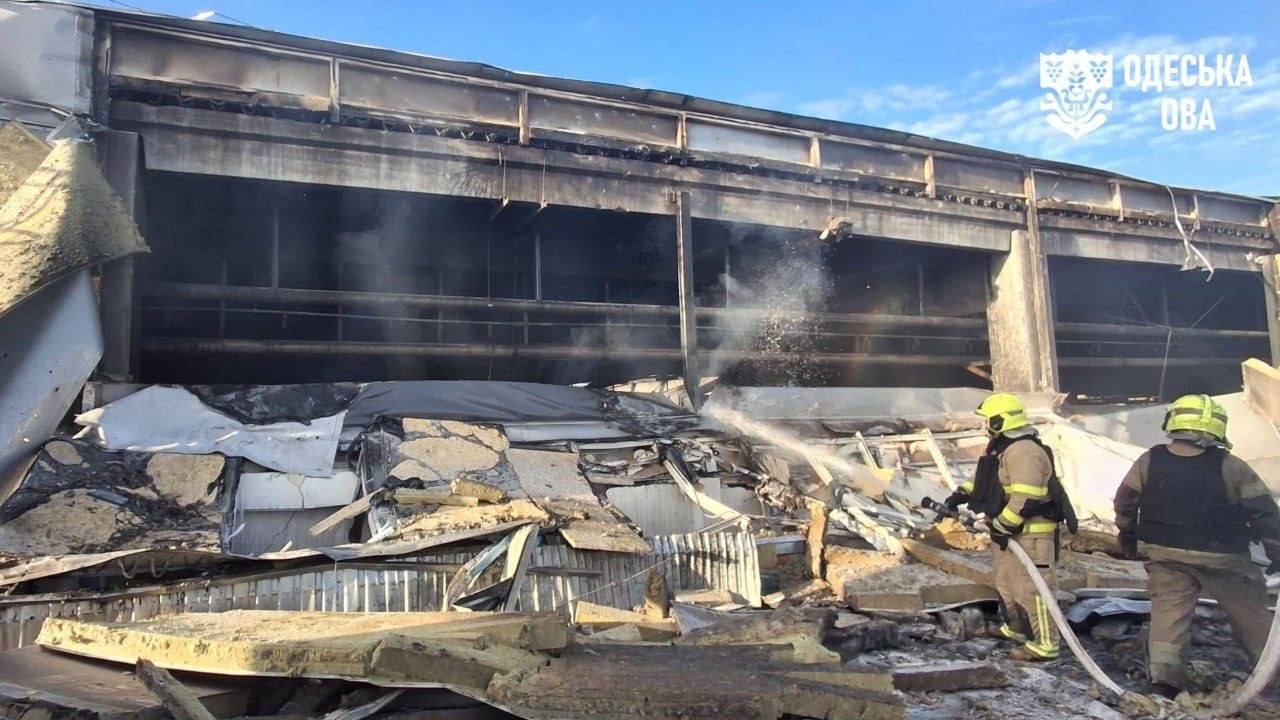
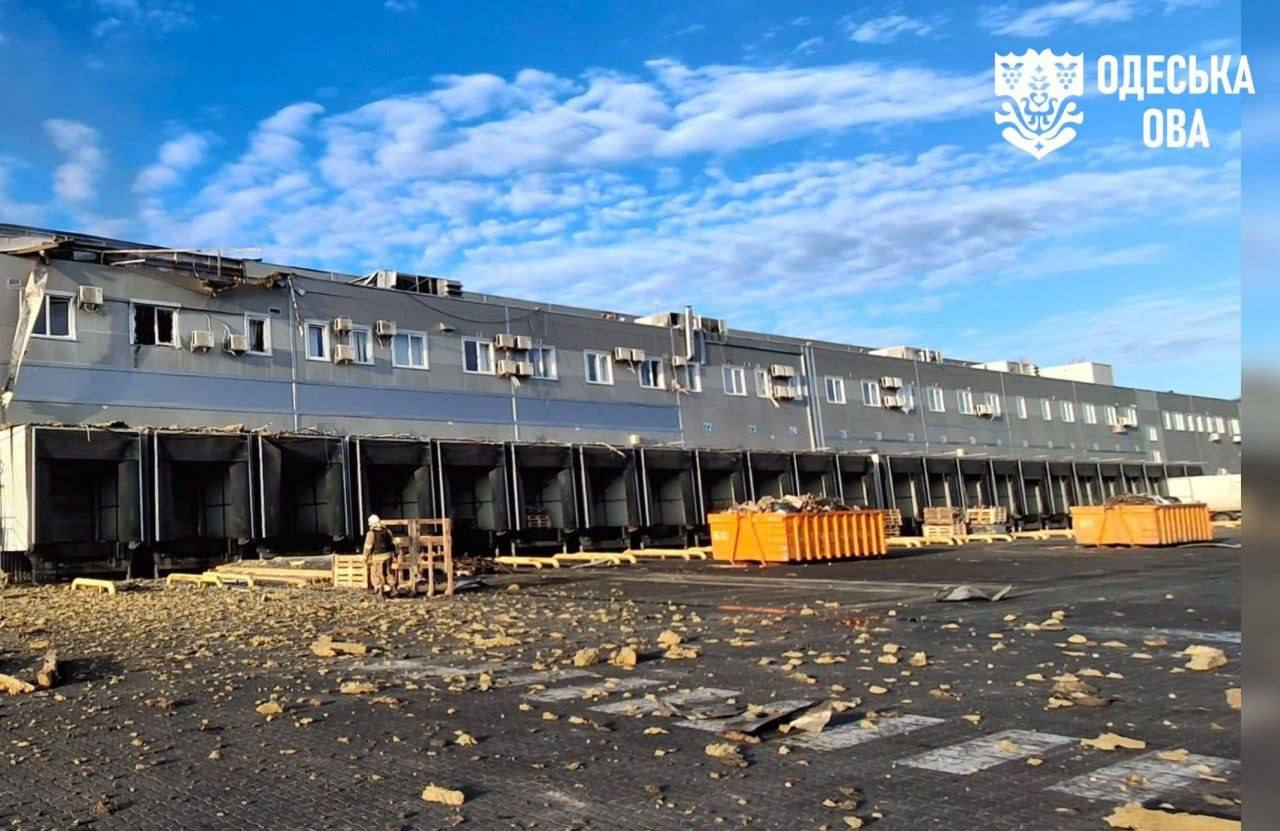
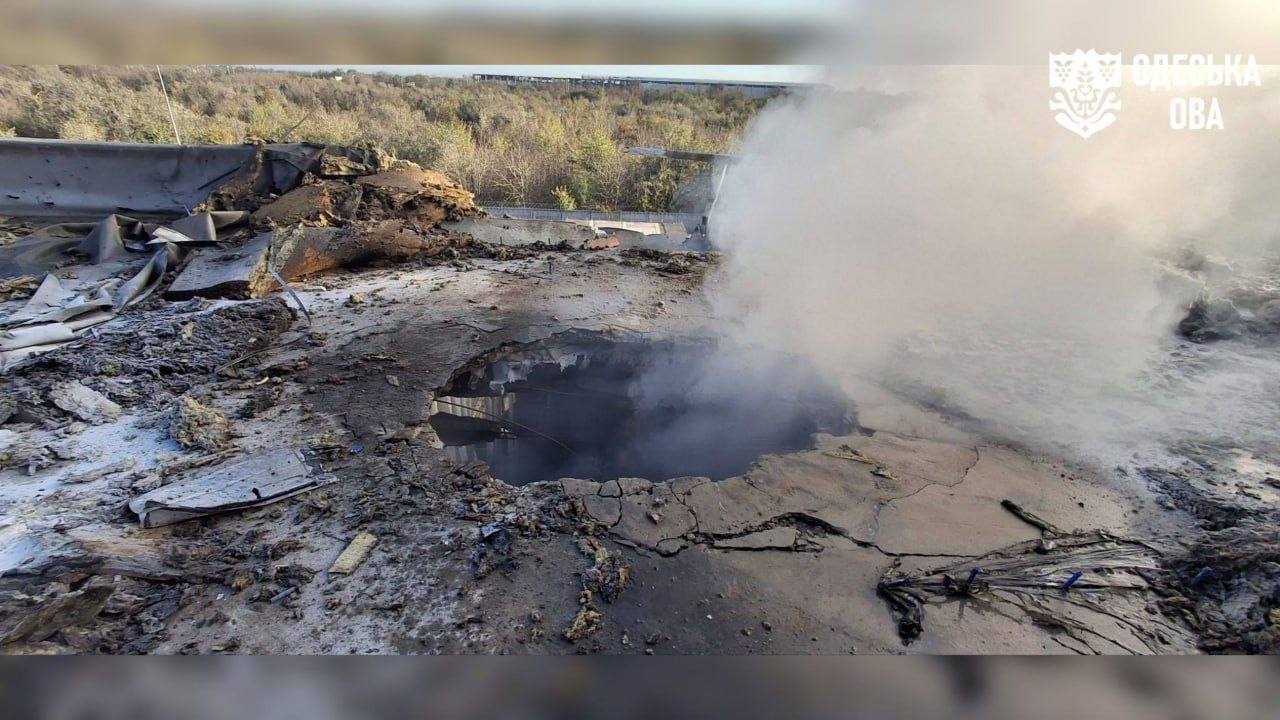
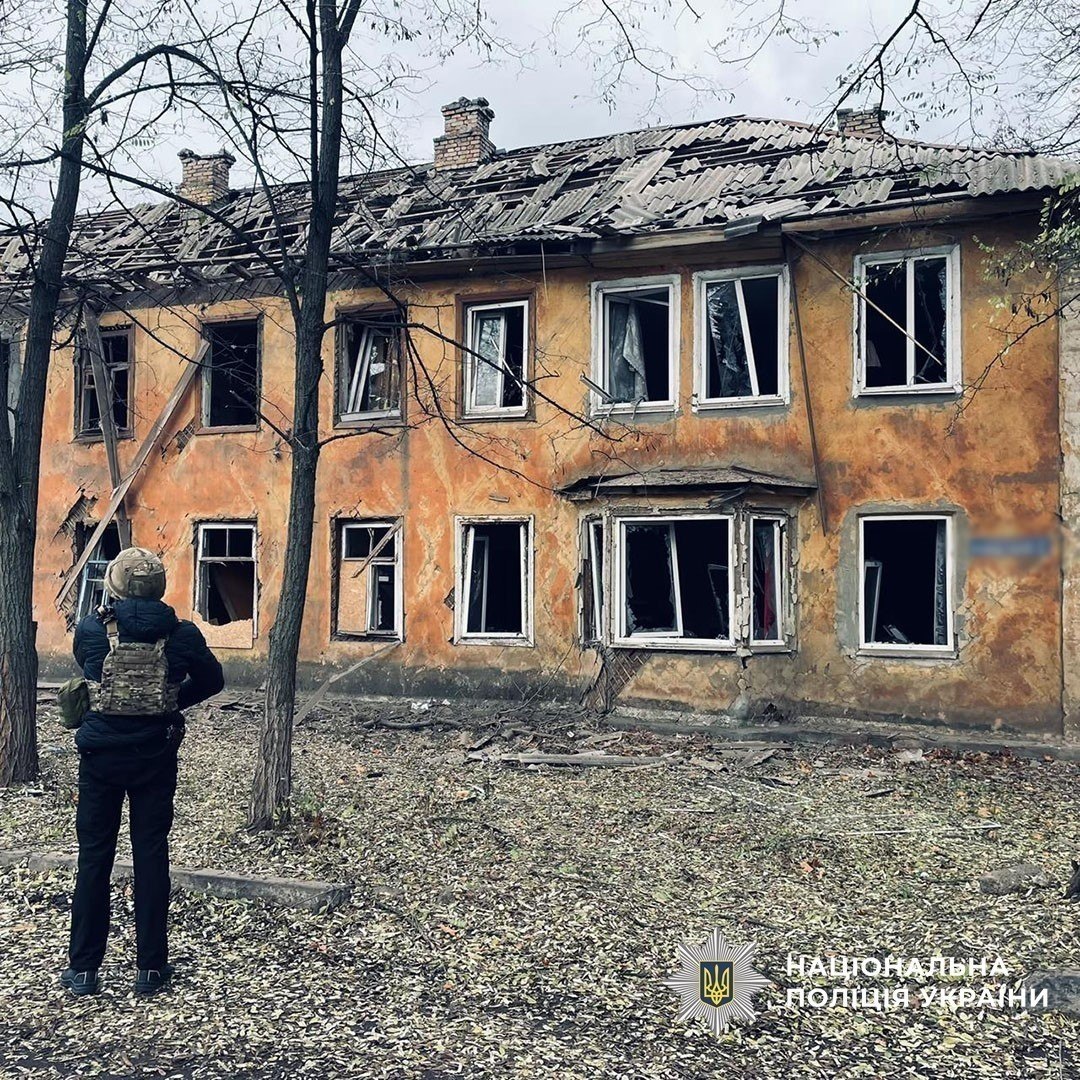
On 11 November 2026, Russian forces launched an extensive overnight offensive that combined 164 unmanned aerial systems (UAS) with three Kh‑59/69 cruise missiles, targeting a wide array of Ukrainian military and civilian infrastructure. Ukrainian air defenses reported intercepting 137 drones, but impacts were recorded at 23 sites, with debris found at six additional locations. The coordinated strike marks one of the most intensive kinetic operations in the current phase of the conflict, underscoring Russia’s emphasis on saturating Ukraine’s air defenses while inflicting strategic damage.
Scale and Composition of the Attack
The assault, detailed by the Ukraine Air Force on its official Telegram channel, employed a mix of loitering munitions and conventional drones, supplemented by three long‑range Kh‑59/69 missiles.
"Ukraine’s Air Force reports an overnight Russian attack with 164 drones and three Kh‑59/69 missiles. Air defenses downed or suppressed 137 drones; impacts were recorded at 23 sites, with debris at six more,"the statement read, linking to the original source monitor_the_situation. While casualty figures from the barrage remain unconfirmed, the breadth of the attack disrupted power supplies, damaged transport infrastructure, and strained emergency response capacities across multiple oblasts.
Infrastructure Under Fire
Concurrent with the aerial onslaught, Russian forces intensified strikes on Ukraine’s energy grid. In Dnipropetrovsk Oblast, Russian missiles and guided bombs destroyed key substations, cutting electricity to over 850,000 residents across Dnipropetrovsk and Kharkiv regions Al Jazeera. President Volodymyr Zelensky confirmed that more than 600,000 customers in Dnipropetrovsk alone were left without power, prompting emergency restoration measures and the declaration of free public electricity for affected households monitor_the_situation.
These power outages compounded the impact of the drone barrage, as many of the intercepted drones were aimed at substations and transmission lines, a tactic designed to exacerbate civilian hardship and hinder military logistics.
Ballistic Missile Strike on Kyiv’s Northern Bridge
In a separate high‑profile kinetic event, Russian forces fired RM‑48U ballistic missiles at Kyiv’s Northern Bridge, penetrating the roadway and raising concerns about the bridge’s operational status. Video evidence posted by intelslava showed the missile’s impact, though the extent of structural damage remained under assessment. The attack mirrors a previous strike on the Southern (Pivdennyi) Bridge, indicating a systematic effort to disrupt Kyiv’s critical transport arteries.
Naval and Maritime Targets in the Black Sea
Russian naval units continued targeting Ukrainian maritime assets. At the port of Chornomorsk, a container ship carrying dual‑use cargo for the Ukrainian army was struck, alongside a dry cargo vessel southwest of Odessa reportedly loaded with weapons and military supplies intelslava. The attacks underscore Russia’s strategy of interdicting supply lines that sustain Ukrainian defensive operations.
UAV and Drone Operations on the Ground
Hostile unmanned systems were employed across several fronts. An FPV drone hit the town of Komyshuvakha in Donetsk Oblast while rescue teams were searching for victims of an earlier strike that had killed 55 civilians monitor_the_situation. In Kramatorsk, a separate drone attack resulted in five fatalities and five injuries, while a drone in Khmelnytskyi damaged dozens of homes and three apartment blocks monitor_the_situation. These incidents illustrate the persistent threat posed by low‑altitude UAVs to both civilian populations and infrastructure.
Zaporizhzhia Nuclear Plant Power Loss
Compounding the kinetic pressure on Ukraine’s energy sector, the Zaporizhzhia Nuclear Power Plant lost its external power supply after the Ferosplavna transmission line was automatically cut due to damage, according to the Russian‑installed plant management monitor_the_situation. While the plant remained operational on internal generators, the loss of external power raises concerns about grid stability and nuclear safety in a contested zone.
Territorial Shifts and Ground Movements
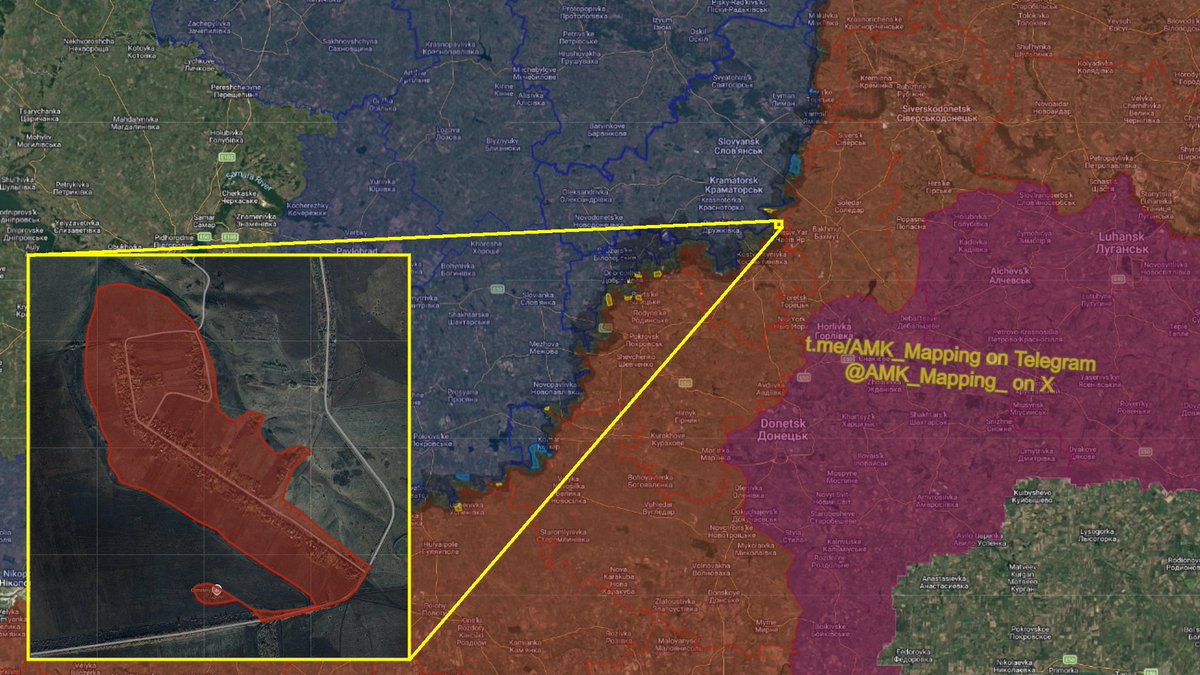
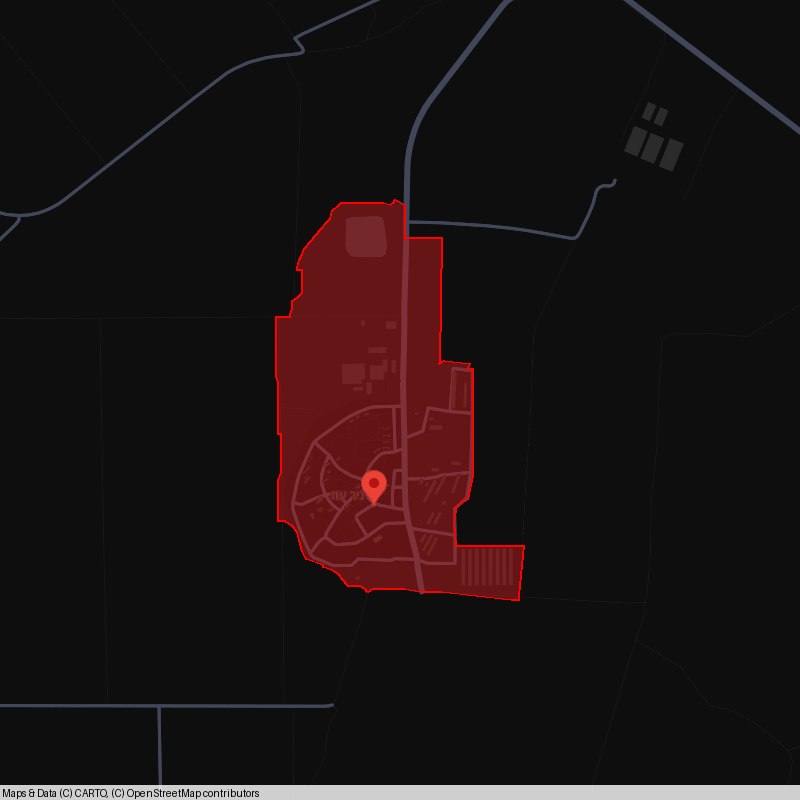
On the ground, Russian forces captured the village of Maiske in Donetsk Oblast, expanding their control in the Kramatorsk direction after more than a year of fighting monitor_the_situation. The capture, though modest in scale, reflects ongoing attritional battles along the front lines.
Ukrainian Counter‑Operations
Ukraine responded with targeted drone strikes on Russian command posts. The Ukrainian General Staff reported hits on four Russian drone command sites in Berdyansk, Oleshky, Bilytske and Aleksandrovskoye, including a Rubikon drone unit base monitor_the_situation. Additionally, Ukrainian forces destroyed a food warehouse used by the Ukrainian Armed Forces in Odesa, highlighting the vulnerability of logistical hubs to Russian artillery and aerial attacks intelslava.
Assessment
The coordinated use of large‑scale drone swarms, ballistic missiles, and targeted strikes on energy and transport infrastructure demonstrates a multi‑dimensional Russian approach aimed at degrading Ukraine’s operational capacity while imposing civilian hardship. Ukraine’s air defense network, though effective in intercepting the majority of drones, faces saturation risks that could erode its protective envelope over time. The continued targeting of power grids and critical bridges suggests an intent to isolate regions, hamper mobility, and strain emergency services.
While Ukraine maintains the ability to conduct retaliatory strikes, the cumulative effect of these kinetic events is a heightened humanitarian impact, with hundreds of thousands without electricity and significant disruptions to civilian movement. Monitoring of power restoration efforts, bridge repair status, and the resilience of Ukraine’s air defense will be essential in evaluating the conflict’s trajectory in the coming weeks.