On 7 November 2026, Ukraine experienced a series of coordinated kinetic strikes that escalated the conflict’s intensity, most notably a Russian drone assault on Zaporizhzhia that killed 50 civilians and a multi‑missile, drone barrage that crippled Kyiv’s Severny Bridge and energy grid.
Zaporizhzhia: Deadliest Single Attack of the Day
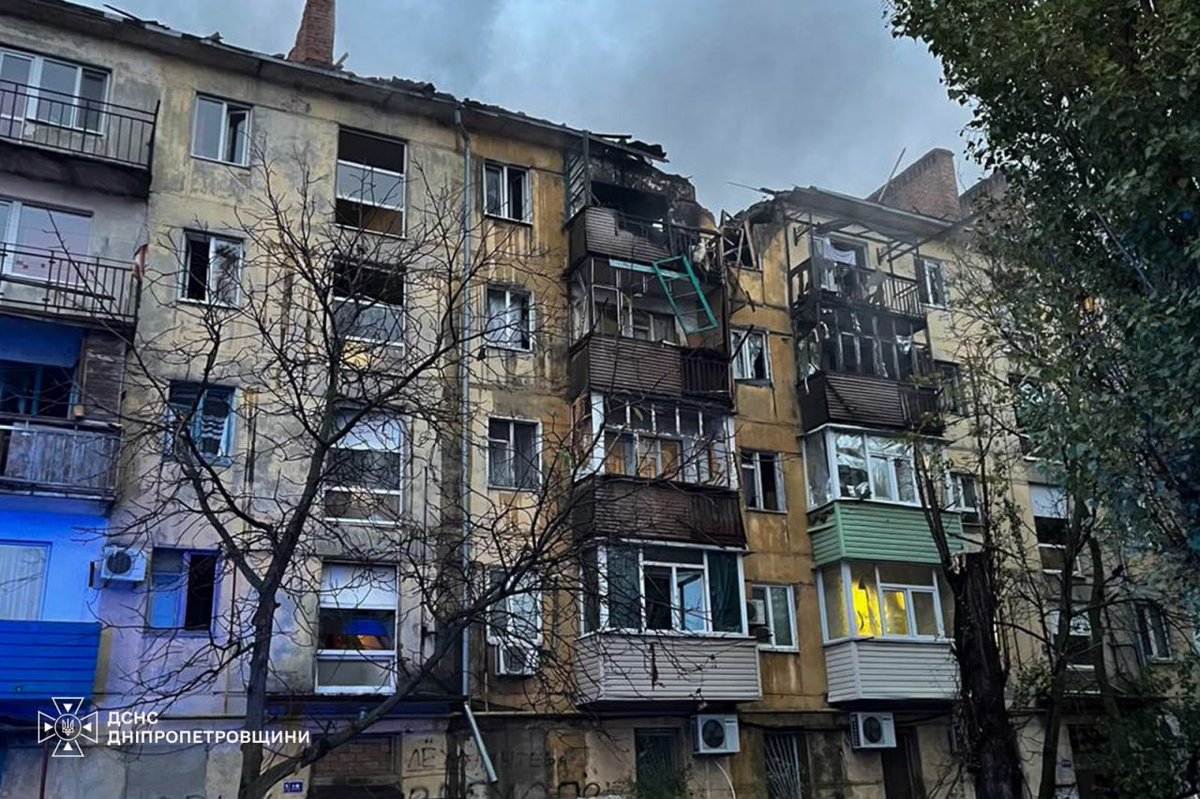
A hostile UAV swarm struck the industrial city of Zaporizhzhia at 13:24 UTC, according to Al Jazeera. The drones, reportedly launched from Russian‑controlled territory, detonated over residential districts, causing 50 fatalities and numerous injuries. Local officials described the scene as “unthinkable,” with emergency services overwhelmed by the scale of the blast.
“They started bombing us with drones,” a resident told Al Jazeera, underscoring the suddenness of the attack.
The incident marks the highest single‑event casualty count recorded in Ukraine for 2026, highlighting the growing lethality of unmanned systems in the war.
Kyiv Under Fire: Severny Bridge and Energy Infrastructure
In the early hours of the same day, a coordinated missile and drone strike targeted Kyiv’s strategic Severny (North) Bridge. The assault, reported by the CIG_telegram channel, employed a mix of Iskander‑M, Zircon, KN‑23, S‑400 missiles, Shahed‑type and jet‑powered drones, as well as Gerbera and Parodiya decoys. The bridge’s road surface, trolleybus contact line, and an overhead power line were severely damaged, forcing a complete closure to traffic in both directions.
Six civilians sustained injuries, and the strike precipitated immediate power and water disruptions across Kyiv and surrounding regions. The Kyiv Independent and Ukrinform confirmed that water pressure in the capital dropped to critical levels, while the Kyivvodokanal reported extensive damage to the municipal water supply network.
Later, at 14:00 UTC, additional missile strikes hit Kyiv’s energy infrastructure, injuring five more people. The attacks targeted substations that feed electricity to the city and to nuclear power plants in the Kyiv, Vinnytsia, Zhytomyr, Rivne, Kharkiv, and Dnipro oblasts. According to a video released by monitor_the_situation, the strikes damaged transformers and disrupted power transmission, compounding the city’s utility crises.
“The goal is to push Ukraine into a blackout before the trilateral talks in Abu Dhabi,” President Zelenskyy said, referencing the timing of the attacks.
Wider Ukrainian Counter‑Operations
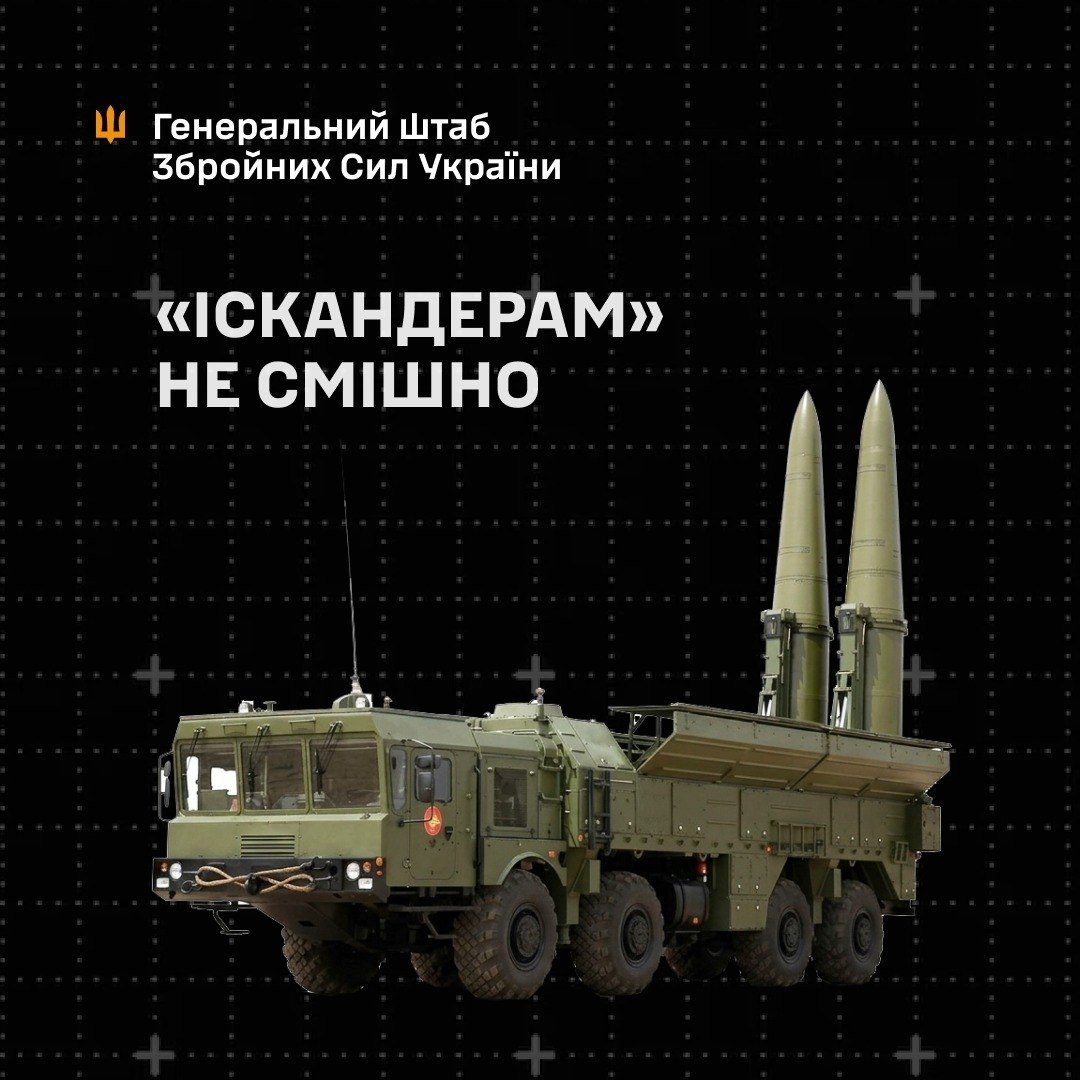
Amid the Russian offensive, Ukrainian forces conducted several kinetic operations of their own. At 12:20 UTC, the Ukrainian General Staff announced strikes on two Iskander missile launchers and a Pantsir‑S1 air‑defence system in Russia’s Bryansk region. The same operation hit logistics depots in the Luhansk oblast and a drone‑operator site in Zaporizhzhia, demonstrating Ukraine’s capacity to project force across the front line.
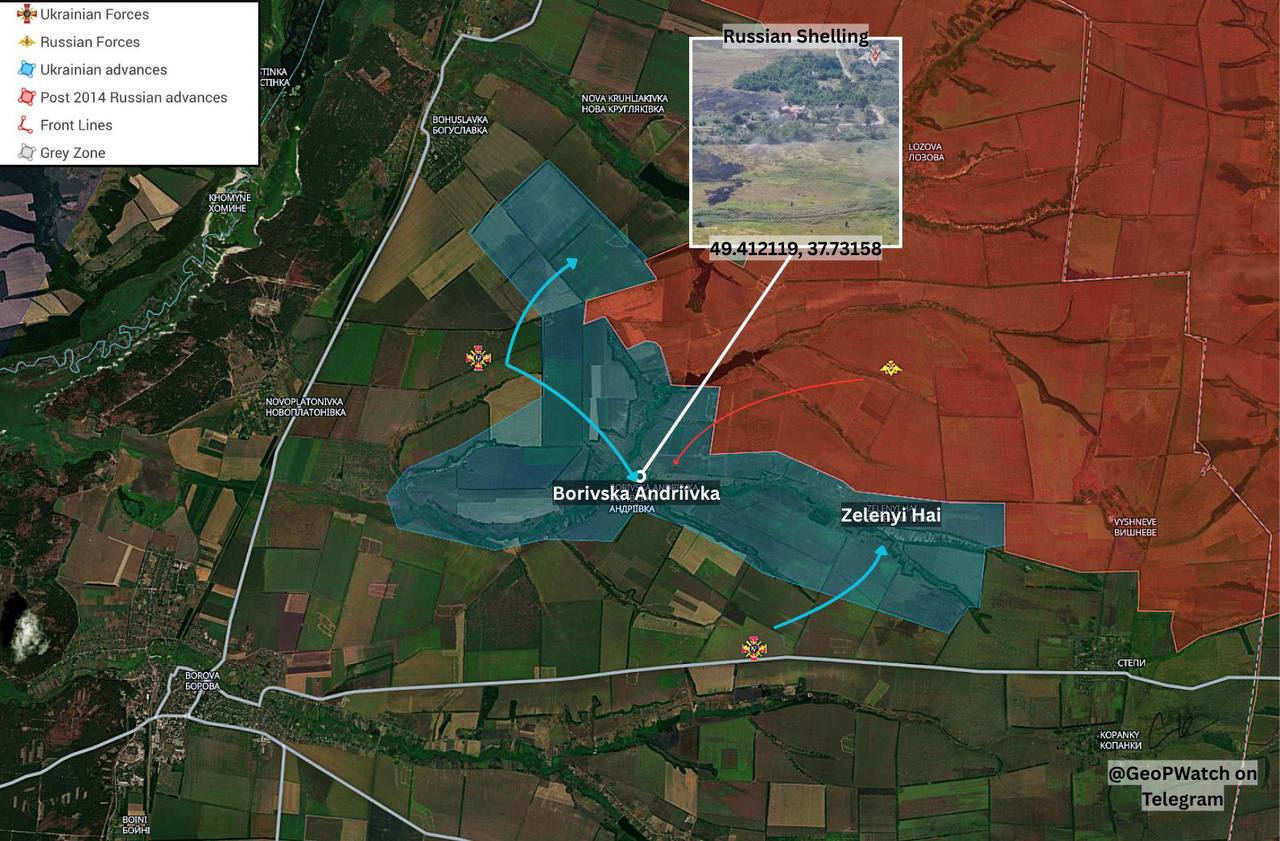
In the north‑eastern sector, Ukrainian troops advanced near Borova in Kharkiv Oblast, recapturing the villages of Borivska Andriivka and Zelenyi Hai, as reported by GeoPWatch. The maneuver, while limited in scale, reflects ongoing Ukrainian counter‑offensives aimed at reclaiming territory in the Donbas region.
Further south, Ukrainian artillery struck two Russian‑occupied ammunition depots near Melitopol and Khliborobne in Zaporizhzhia Oblast, according to monitor_the_situation. The hits were confirmed by the Ukrainian General Staff and were described as “significant” in degrading Russian logistical capabilities.
Collateral Damage and Civilian Impact
The cumulative effect of the day’s kinetic actions was a sharp deterioration in civilian safety and essential services. In Zaporizhzhia, the drone attack transformed a previously “refuge” city into a high‑risk zone. In Kyiv, the combined bridge and energy strikes left thousands without reliable water, heating, or electricity, exacerbating winter preparedness concerns.
Casualty figures for the day, based on verified reports, total at least 57 civilian deaths (50 in Zaporizhzhia, 7 in Kyiv and surrounding areas) and over 30 injuries. Infrastructure losses include the Severny Bridge, multiple high‑voltage substations, water‑distribution lines, and several residential blocks damaged by blast effects.
Strategic Context
The timing of the attacks coincides with upcoming trilateral talks between Russia, Ukraine, and the United States in Abu Dhabi, scheduled for the following week. Analysts cited by Kyiv Independent suggest that the intensified kinetic campaign aims to pressure Ukraine ahead of diplomatic negotiations, while also testing the resilience of Ukrainian air‑defence systems.
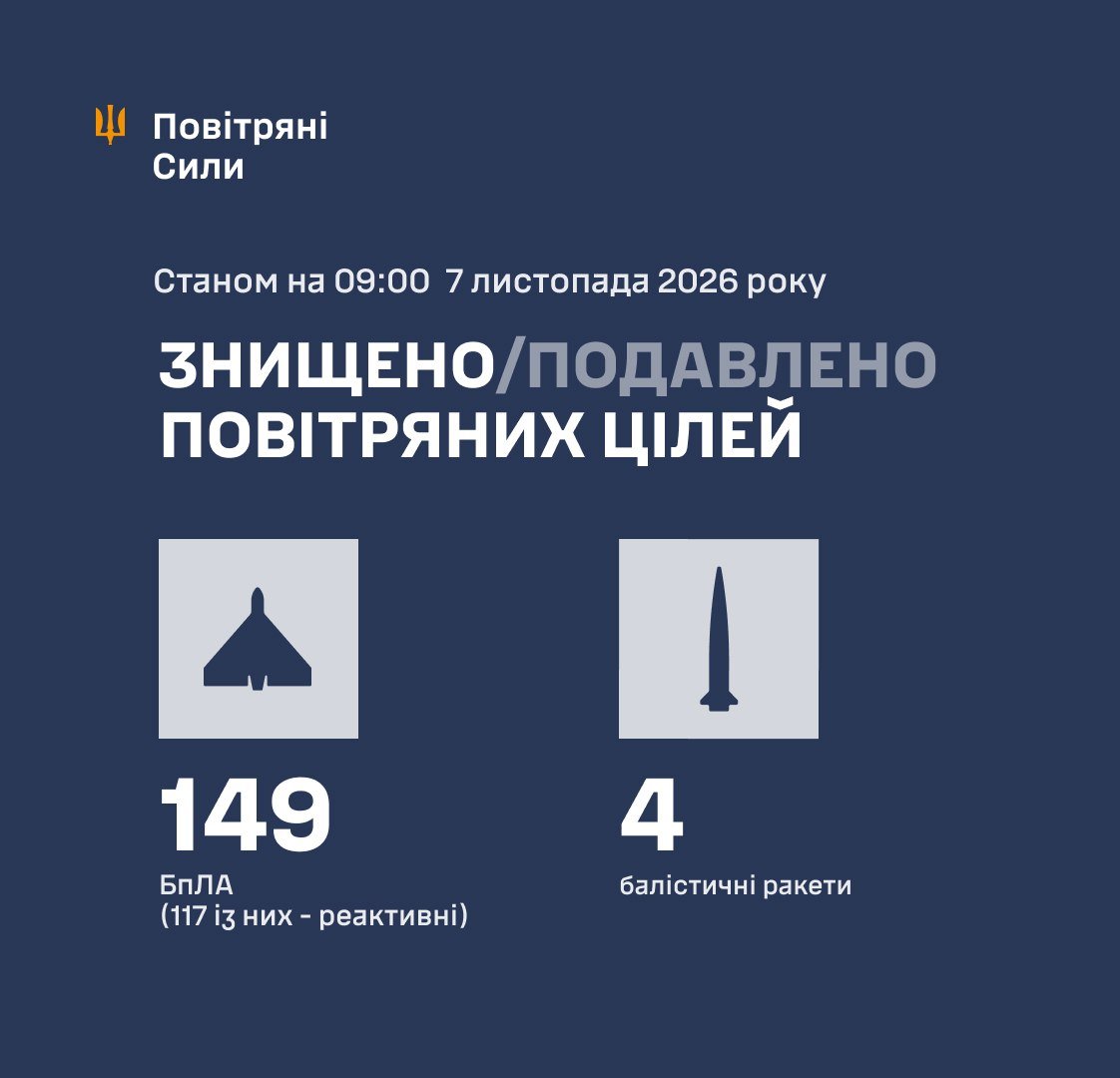
Russia’s use of a diversified weapons mix—ranging from hypersonic Zircon missiles to low‑cost Shahed drones—demonstrates a layered approach intended to overwhelm detection and interception capabilities. Conversely, Ukraine’s successful downing of 149 out of 172 drones and interception of four missiles during the overnight Kyiv‑region attack, as reported by monitor_the_situation, indicates a robust, albeit strained, air‑defence posture.
International Reporting and Verification
All events cited are corroborated by multiple open‑source channels, including Al Jazeera, CIG_telegram, monitor_the_situation, Kyiv Independent, and Ukrinform. Photographic and video evidence accompanying the reports have been archived by the respective outlets, providing visual verification of bridge damage, power‑line destruction, and the aftermath of the Zaporizhzhia drone strike.