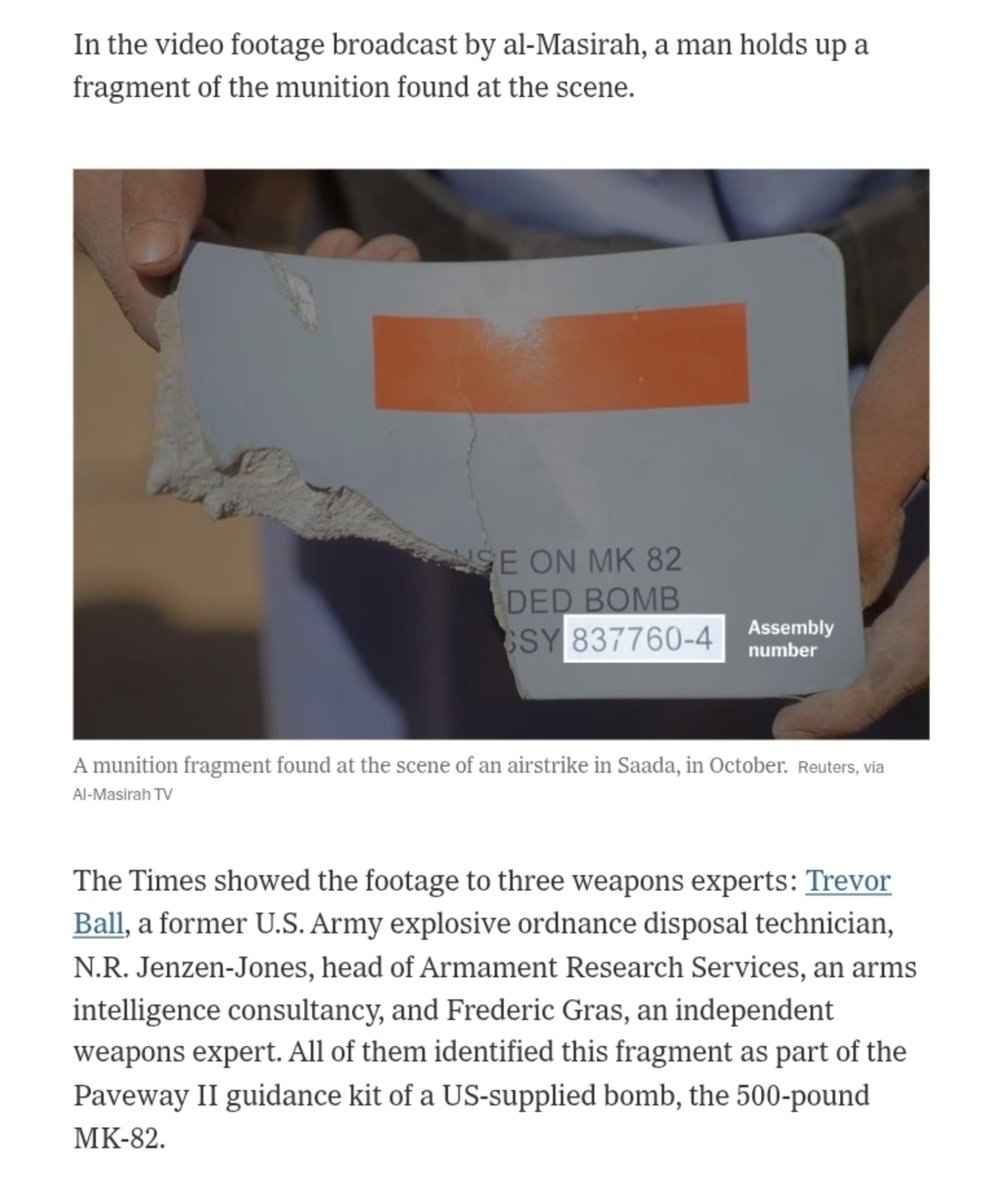
On November 6, 2026, a Saudi airstrike in Saada, Yemen, marked the most lethal single incident of the day, killing nine civilians—including five children—and wounding sixteen others. The strike employed a U.S.-supplied Mk‑82 general‑purpose bomb fitted with a Paveway II laser‑guidance kit, according to the monitoring channel monitor_the_situation (source).
🟠 **Saudi Strike Kills Nine in Yemen's Saada**
The target was identified as the Al‑Qahm family residence, underscoring the continued use of precision‑guided munitions in densely populated areas. The casualty profile—children comprising more than half of the fatalities—highlights the humanitarian toll of the Saudi‑backed coalition’s aerial campaign.
Saudi Airstrikes in Saada and Taizz
Later that afternoon, Saudi forces conducted a second high‑impact strike on a market in Taizz Governorate. While exact casualty figures remain unverified, reports from monitor_the_situation describe “dozens” of civilians killed and injured (source). The market, a hub for food and essential goods, was reportedly hit with unguided munitions, reflecting a pattern of indiscriminate targeting that exacerbates food insecurity across Yemen’s central highlands.
Ansarullah Drone and ATGM Operations
Parallel to the coalition’s air campaign, Yemen’s Houthi‑aligned Ansarullah movement intensified its use of unmanned aerial systems and anti‑tank guided missiles (ATGMs). On November 6, the group released video footage of FPV (first‑person view) drone strikes against forces of the Saudi‑backed Presidential Leadership Council (PLC). The drones, operated by Ansarullah’s media wing, were described as “precision strikes” against PLC armored columns in southern battle zones (source).
In a separate operation, Ansarullah captured the strategic Kahbub Mountains, deploying 9M133 Dehlavieh and 9M113 Konkurs ATGMs against the Southern Giants Brigade, a militia loyal to the PLC and supported by Saudi Arabia. The engagement, documented by GeoPWatch, showed the missiles disabling multiple armored fighting vehicles and facilitating the seizure of the high ground (source). The use of Russian‑origin ATGMs illustrates the deepening external supply chains that sustain Yemen’s proxy warfare.
Rapid Support Forces Advance in Sudan
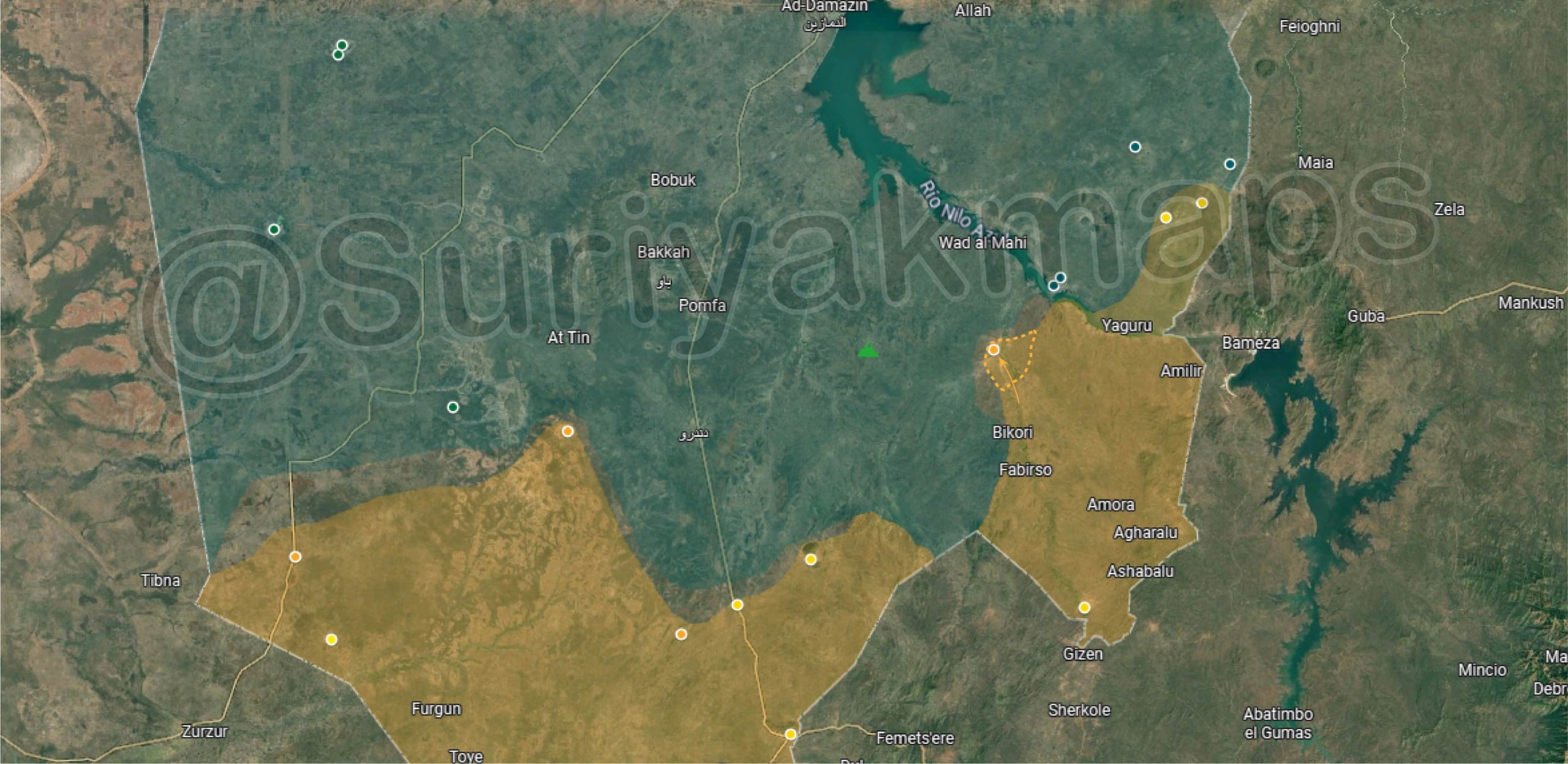
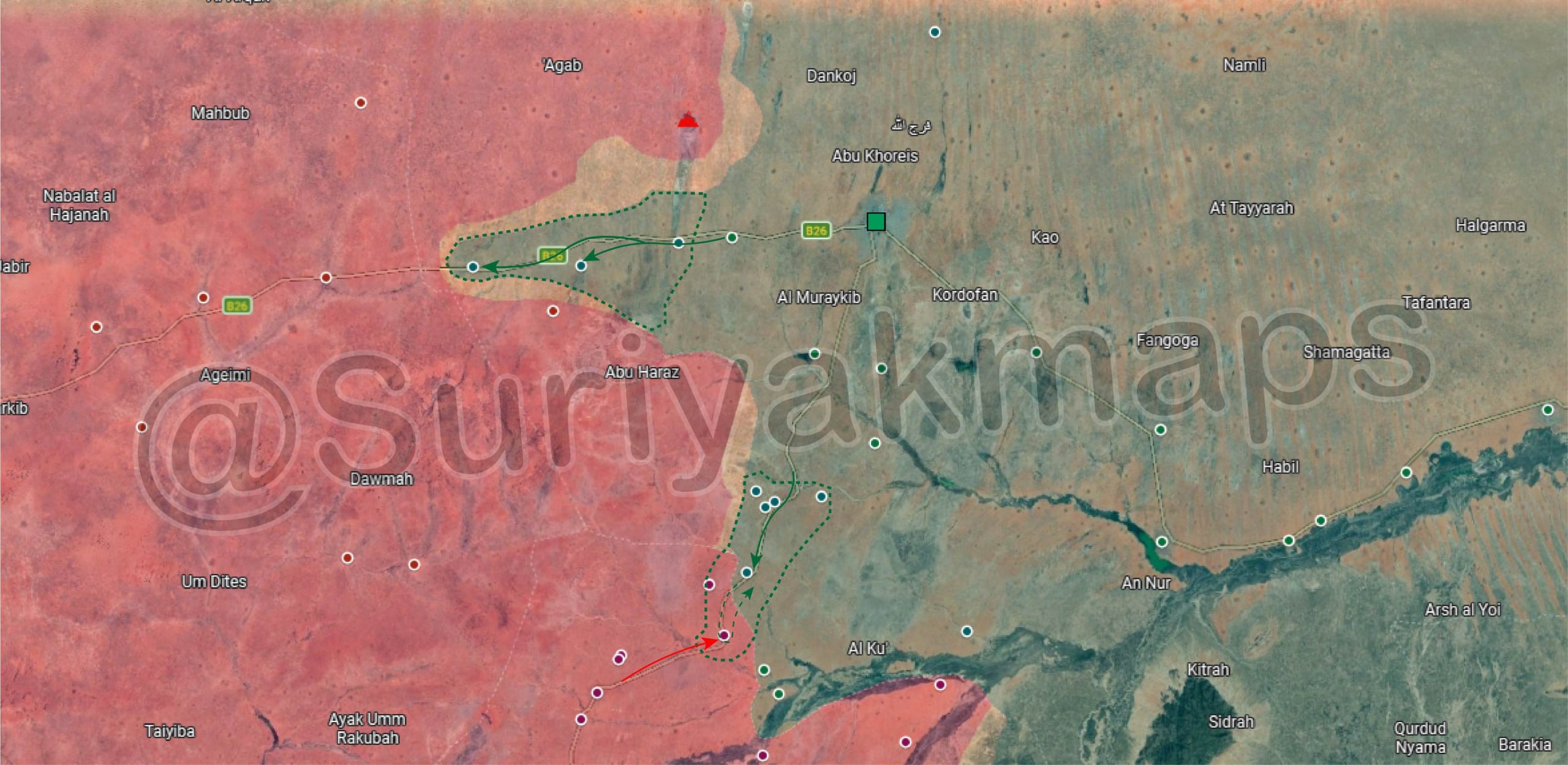
While Yemen’s conflict escalated, the Rapid Support Forces (RSF) in Sudan launched a renewed offensive on the Blue Nile front, retaking the town of Al Bukuri on November 6. The RSF’s maneuver, reported by CIG_telegram, underscores the fluidity of frontlines in Sudan’s civil war and raises concerns about spillover effects into neighboring Yemen, where Saudi Arabia maintains a vested interest (source).
Implications for Regional Stability
The convergence of high‑intensity airstrikes, sophisticated drone warfare, and ground offensives across Yemen and Sudan signals a broader escalation of proxy conflicts in the Horn of Africa and the Arabian Peninsula. Saudi Arabia’s reliance on U.S.‑supplied precision munitions, combined with the Houthis’ expanding drone and ATGM capabilities, creates a lethal feedback loop that complicates cease‑fire negotiations and humanitarian access.
Humanitarian agencies, including the United Nations Office for the Coordination of Humanitarian Affairs (OCHA), have warned that the cumulative civilian death toll in Yemen could surpass 400 000 this year if current trends persist. The targeting of markets and residential compounds, as seen in Saada and Taizz, directly undermines food distribution networks already strained by years of blockade.
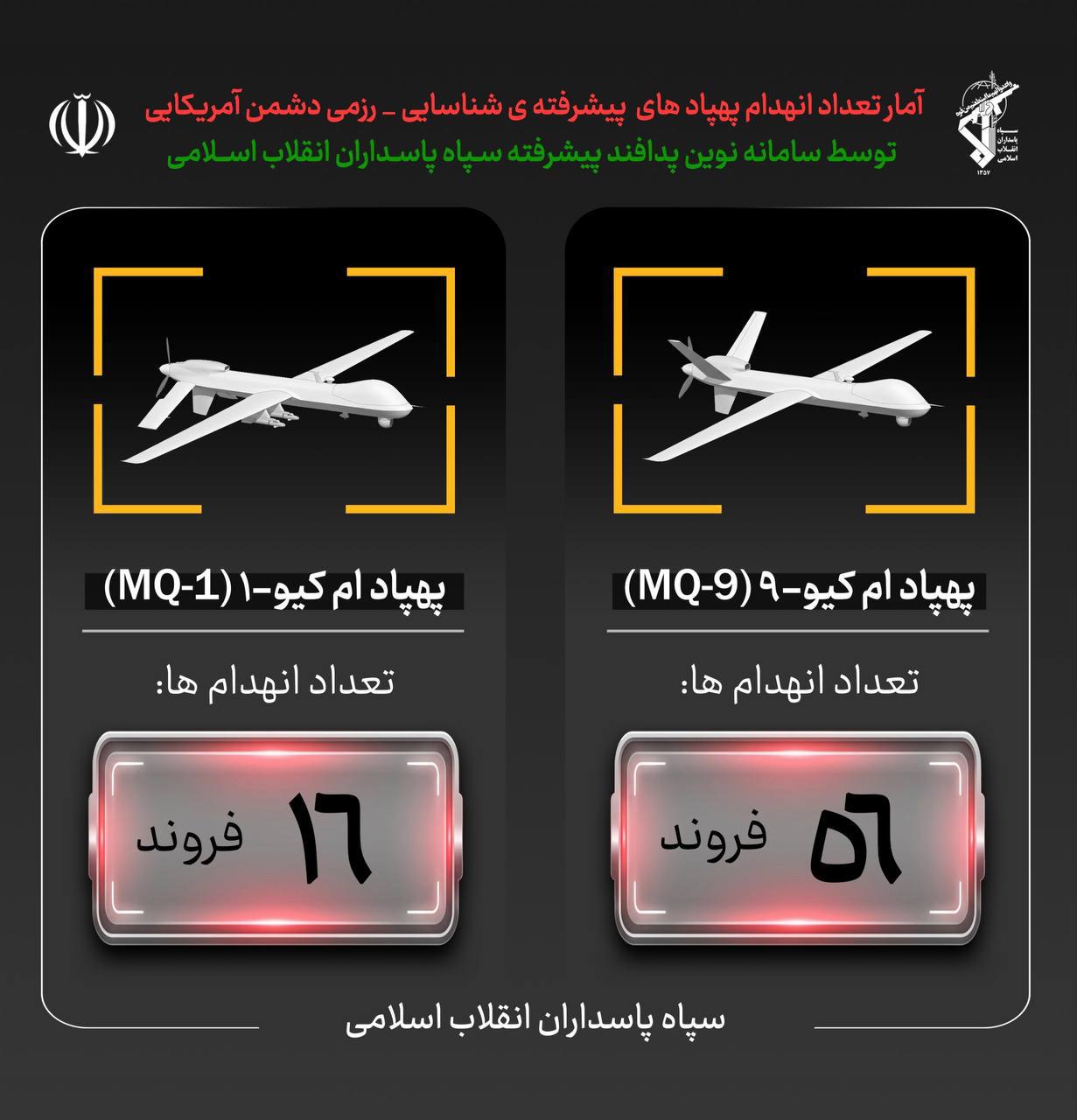
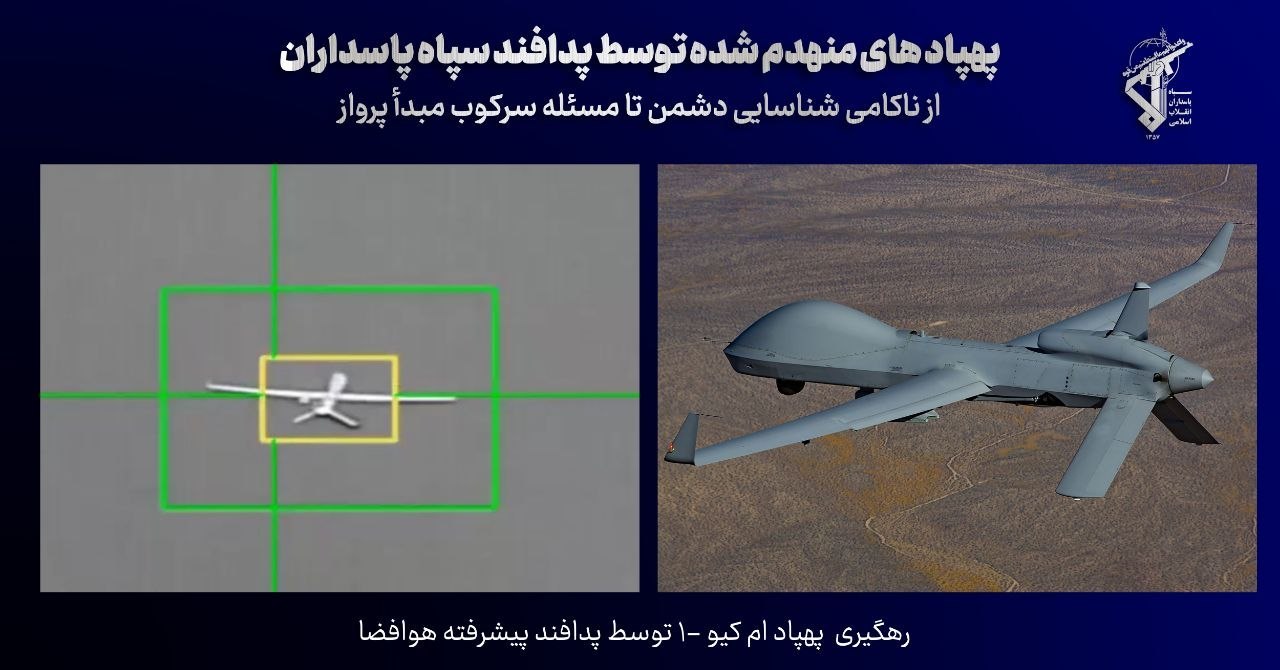
From a strategic perspective, the RSF’s gains in Sudan may embolden other non‑state actors to pursue territorial advances, leveraging the same supply channels that feed Yemen’s drone war. Iran’s reported interceptions of U.S. MQ‑9 Reaper and MQ‑1 Grey Eagle drones—while not directly linked to Yemen—demonstrate the heightened aerial contestation that could affect future Saudi‑U.S. coordination in the region (source).
Overall, the events of November 6 illustrate a multi‑front escalation where conventional airpower, asymmetric drone tactics, and ground offensives intersect, raising the risk of broader regional destabilization.