On 5 November 2026, a confidential United Nations report obtained by the New York Times revealed a complex logistics chain that moved Colombian mercenaries to Sudan to fight alongside the Rapid Support Forces (RSF). The report, cited by the monitoring channel monitor_the_situation, states that an Emirati security company coordinated the transport of the fighters through Libya and Somalia before delivering them to the conflict zone in Sudan. The RSF, accused of genocide in the Darfur region, has reportedly integrated these foreign combatants into its ranks, raising concerns about the internationalization of the Sudanese civil war.
“The United Nations has documented a clear pattern of recruitment, financing, and movement of Colombian mercenaries facilitated by an Emirati security firm, with transit points in Libya and Somalia before arrival in Sudan,” the report reads.
The involvement of the United Arab Emirates, Colombia, Libya, Somalia, and Sudan underscores a multi‑state dimension to the conflict. While the report does not provide casualty figures directly linked to the mercenaries, the RSF’s ongoing operations have resulted in significant civilian harm, as documented by multiple human‑rights organizations. The United Nations’ findings are corroborated by investigative outlets such as Worldsource24, which have previously reported on the RSF’s reliance on foreign fighters.
Russian Pantsir‑S1M System Spotted on Belarusian Chassis
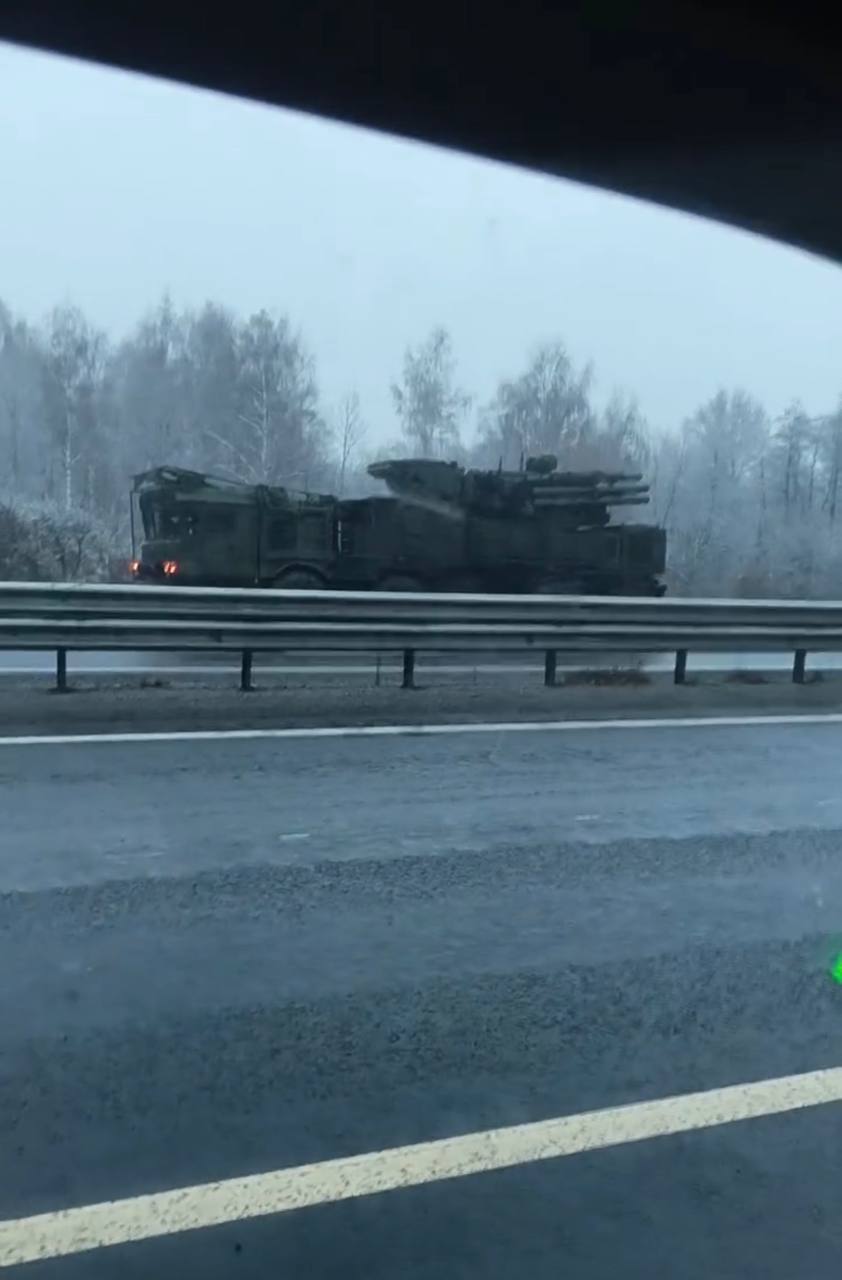
In a separate development, the open‑source intelligence channel intelslava posted a photograph on 5 November 2026 at 11:56 UTC showing a Russian Pantsir‑S1M air‑defence system mounted on a Belarusian MZKT‑7930‑312 chassis traveling on a public road. The Pantsir‑S1M combines surface‑to‑air missiles with rapid‑fire guns, offering a mobile short‑range air‑defence capability. The choice of a Belarusian chassis reflects ongoing concerns about the stability of the system when mounted on heavier KamAZ platforms, which have a higher centre of gravity and have previously overturned during maneuvering.
The sighting, captured in a single photo, provides visual confirmation of the continued deployment of advanced Russian air‑defence assets beyond the Russian Federation’s borders. Although no combat engagement was reported, the presence of the system on a public thoroughfare suggests either a transit to a forward operating area or a demonstration of logistical capability within the region. No casualties or direct engagements were associated with this movement.
Ukraine Claims High Success Rate Against Russian Drone Swarm
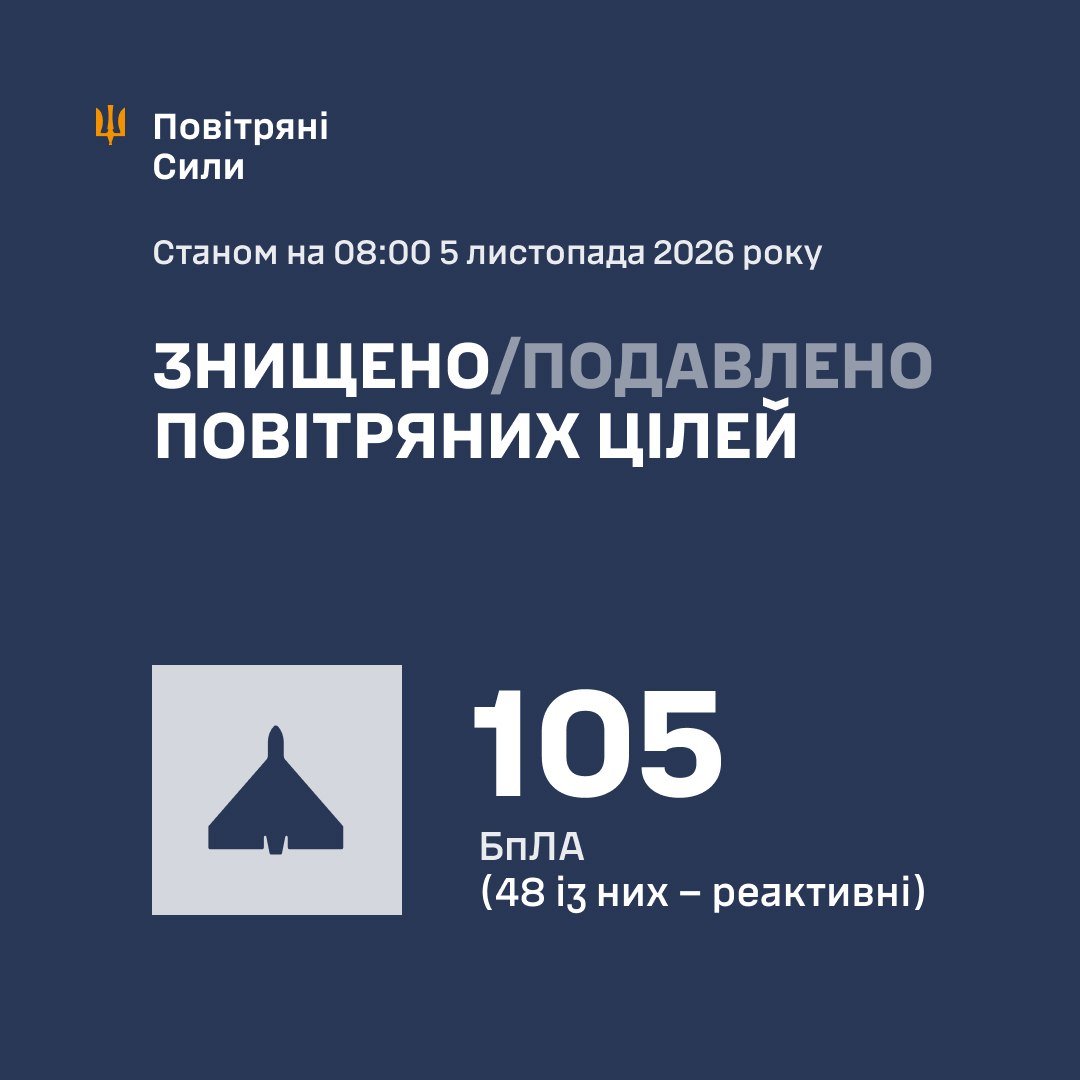
Earlier on 5 November 2026, at 08:03 UTC, the channel monitor_the_situation reported that Ukrainian forces downed or suppressed 105 of 128 Russian unmanned aerial vehicles (UAVs) launched overnight. The Russian sortie also included two Kh‑35 anti‑ship missiles. Impacts were recorded at 18 locations across Ukrainian territory, with debris falling in nine additional sites. Ukrainian air‑defence units, employing a mix of surface‑to‑air missiles and electronic warfare systems, reportedly intercepted the majority of the drones within minutes of launch.
While the exact locations of the impacts remain classified, the high interception rate demonstrates the effectiveness of Ukraine’s layered air‑defence architecture. No civilian casualties were reported in the immediate aftermath, though the presence of falling debris in populated areas underscores the persistent risk to non‑combatants during such large‑scale drone attacks.
These three events, though geographically disparate, illustrate the evolving kinetic landscape of contemporary conflicts. The UN‑documented recruitment pipeline highlights the role of private security firms in facilitating foreign fighter flows, the Pantsir‑S1M sighting reflects ongoing modernization and mobility of Russian air‑defence assets, and Ukraine’s successful drone defence underscores the increasing reliance on unmanned systems in high‑intensity warfare.