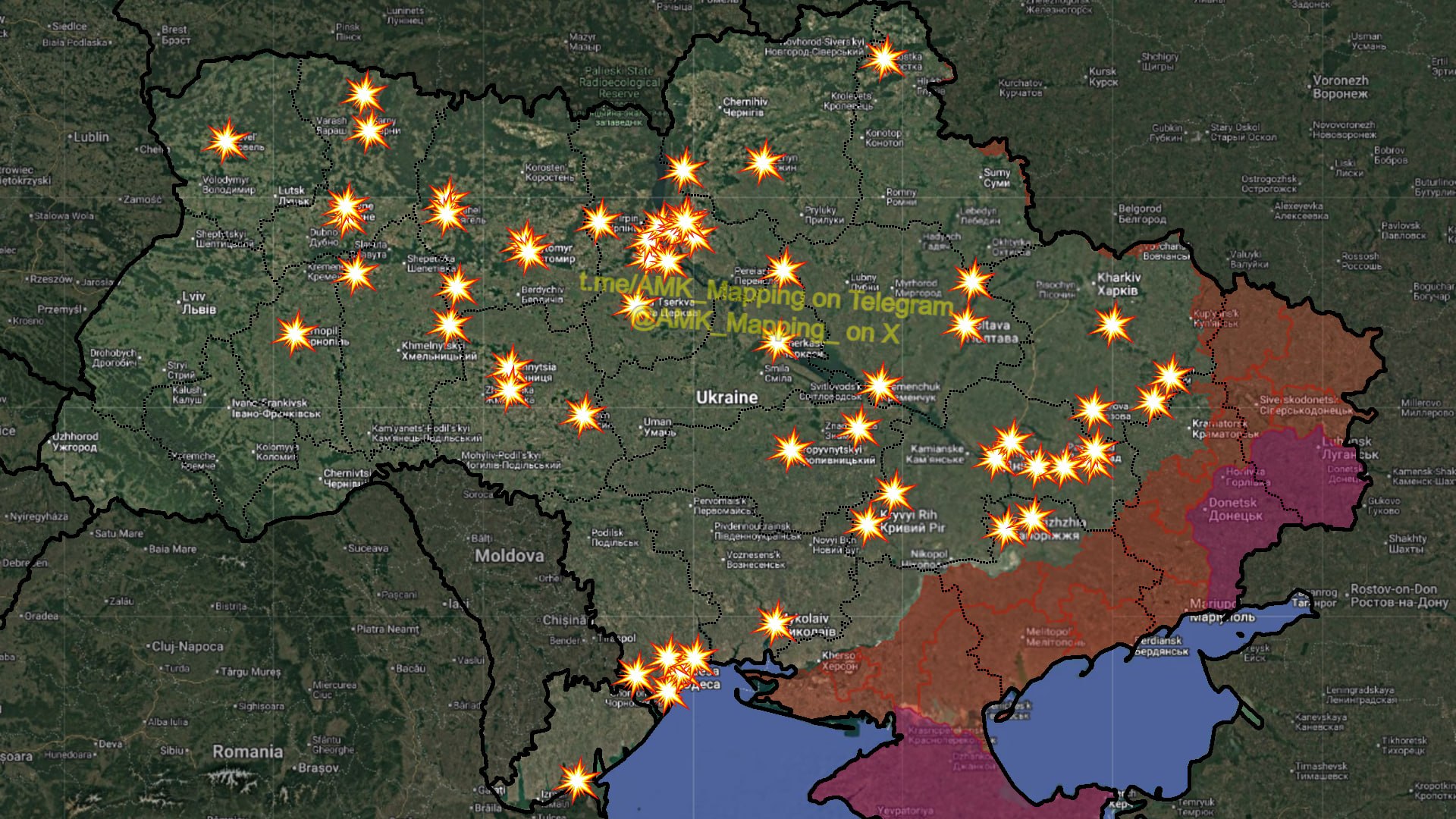
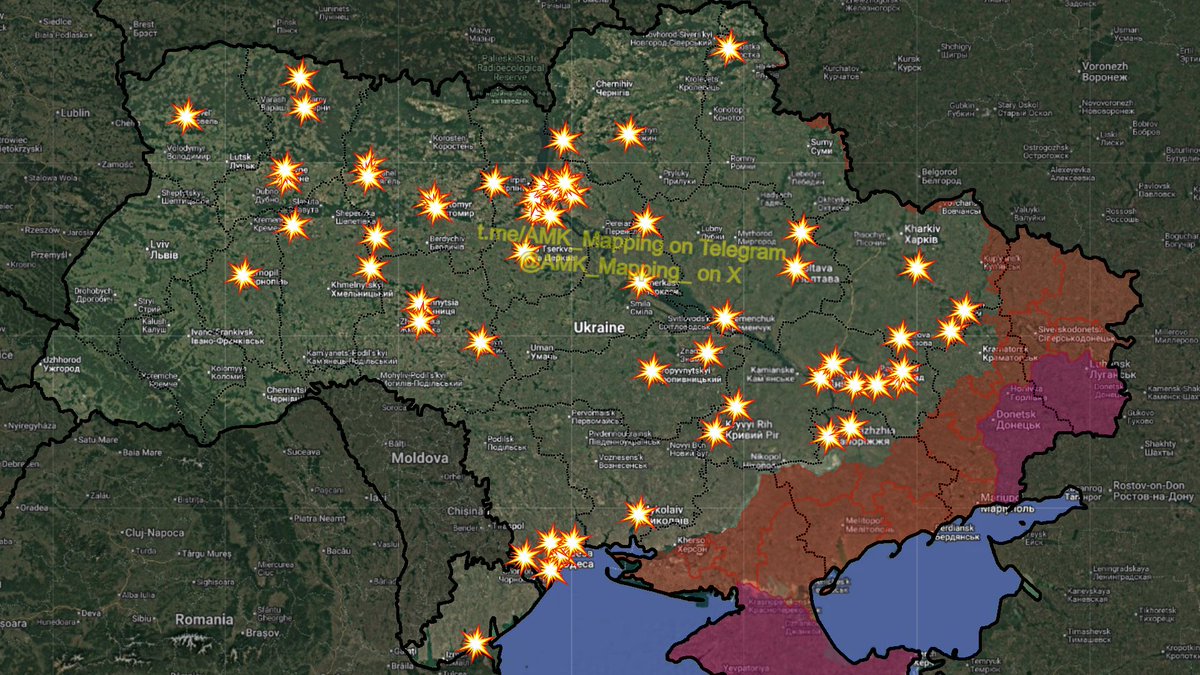
On 4 November 2026, the Russian Federation launched a coordinated kinetic campaign that deployed more than 400 Geran‑2, Gerbera, Geran‑4/5 drones and S8000 Banderol cruise missiles against Ukraine’s power grid and associated infrastructure. The attack targeted the Kyiv metropolitan area, Dnipro, Kharkiv, Odesa ports and numerous railway nodes, marking the most extensive aerial‑kinetic operation recorded this year.
Scale of the Attack
The operation unfolded in two overlapping waves. The first wave, reported by monitor_the_situation at 06:45 UTC, involved "over 400 drones and cruise missiles" striking the Kyiv region, Dnipro, Kharkiv and Odesa ports. A second wave, documented by the CIG_telegram channel at 10:09 UTC, described a "large‑scale 24‑hour attack" using the same mix of Geran‑type drones and S8000 missiles, extending the strike envelope to railway and port facilities across several oblasts.
"Over the last 24 hours since yesterday's massive Russian combined missile attack on Ukrainian energy infrastructure, Russia has been carrying out another large‑scale attack on Ukraine's power grid using over 400 Geran‑2/Gerbera drones, Geran‑4/5 jet‑drones, and S8000 Banderol cruise missiles," – CIG_telegram, https://t.me/CIG_telegram/86681
Geographic Distribution of Targets
The strikes were not confined to a single front. In addition to the capital region, the following oblasts reported direct hits:
- Kyiv: Repeated Geran‑4/5 jet‑drone impacts on the Kyivska 750 kV substation knocked out power across eastern Kyiv (monitor_the_situation, 06:01 UTC).
- Kharkiv: Russian Aerospace Forces deployed a FAB‑3000 guided bomb on a crossing near Oskil and four OFAB‑250‑270 bombs on a deployment site in Preobrazhenka, Zaporizhzhia (intelslava, 14:11 UTC).
- Volyn: A Geran‑5 drone struck an unspecified target, confirming the penetration of Russian UAVs into north‑western Ukraine (intelslava, 15:26 UTC).
- Odesa, Kirovohrad, Zhytomyr, Ternopil, Volyn, Rivne: Energy infrastructure attacks killed six civilians and injured 50 (monitor_the_situation, 12:12 UTC).
Casualties and Infrastructure Damage
Combined civilian casualties from the energy‑focused strikes total at least six deaths and 50 injuries, as reported by the Ukrainian Ministry of Energy and corroborated by on‑the‑ground footage. The attacks also forced nuclear power plants to reduce generation, prompting emergency power cuts in Kyiv and Kharkiv and scheduled blackouts across six regions (monitor_the_situation, 13:09 UTC).
Beyond human loss, the kinetic strikes damaged critical transmission lines, substation transformers, railway bridges and port loading facilities, disrupting both civilian electricity supply and military logistics.
Operational Context and Russian Tactics
The deployment of Geran‑type drones reflects a shift toward low‑cost, high‑volume UAVs capable of saturating air‑defence systems. The inclusion of S8000 Banderol cruise missiles, a long‑range precision weapon, indicates a dual‑layered approach: drones to overwhelm and missiles to strike hardened targets. The use of a FAB‑3000 guided bomb, one of the largest conventional aerial munitions in the Russian arsenal, underscores an intent to inflict decisive damage on strategic crossing points.
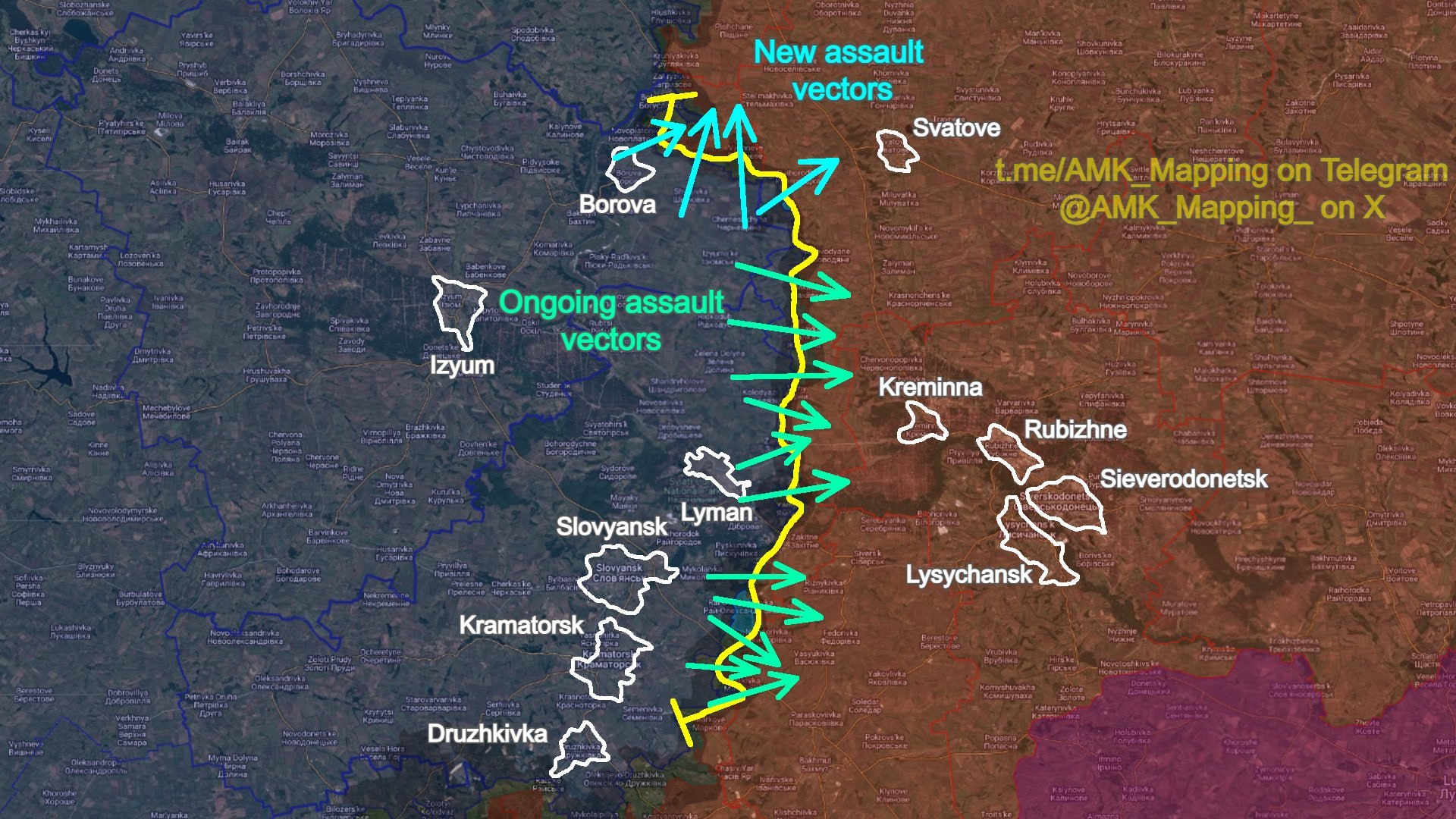
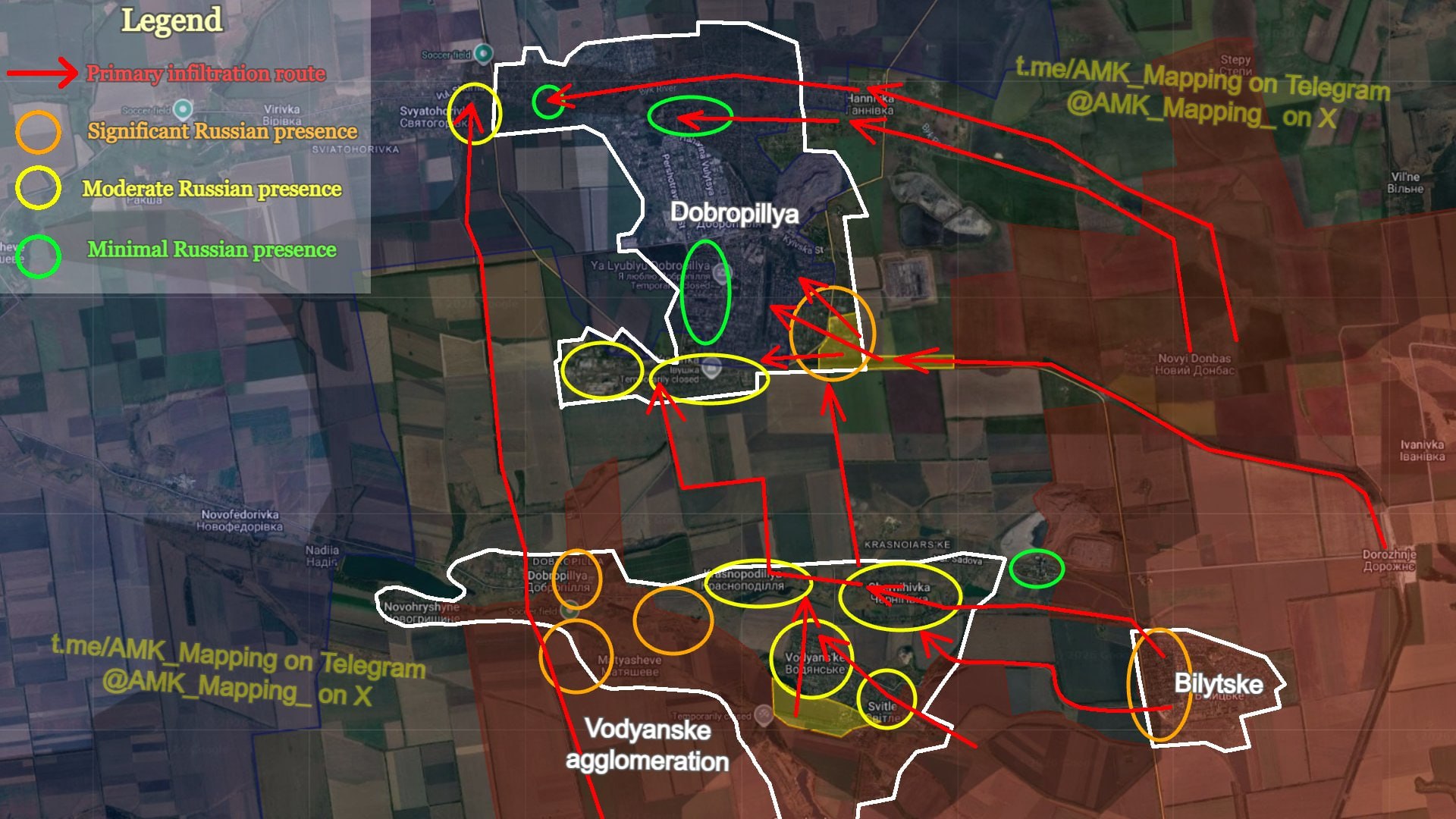
Russian forces coordinated the kinetic barrage with simultaneous ground offensives, notably advancing eastward in Dobropolye and opening a new 135 km front in the Borovaya direction (CIG_telegram, 15:42 UTC). This synchronisation suggests a broader strategy to exploit the temporary paralysis of Ukrainian logistics caused by the power outages.
Ukrainian Response and Countermeasures
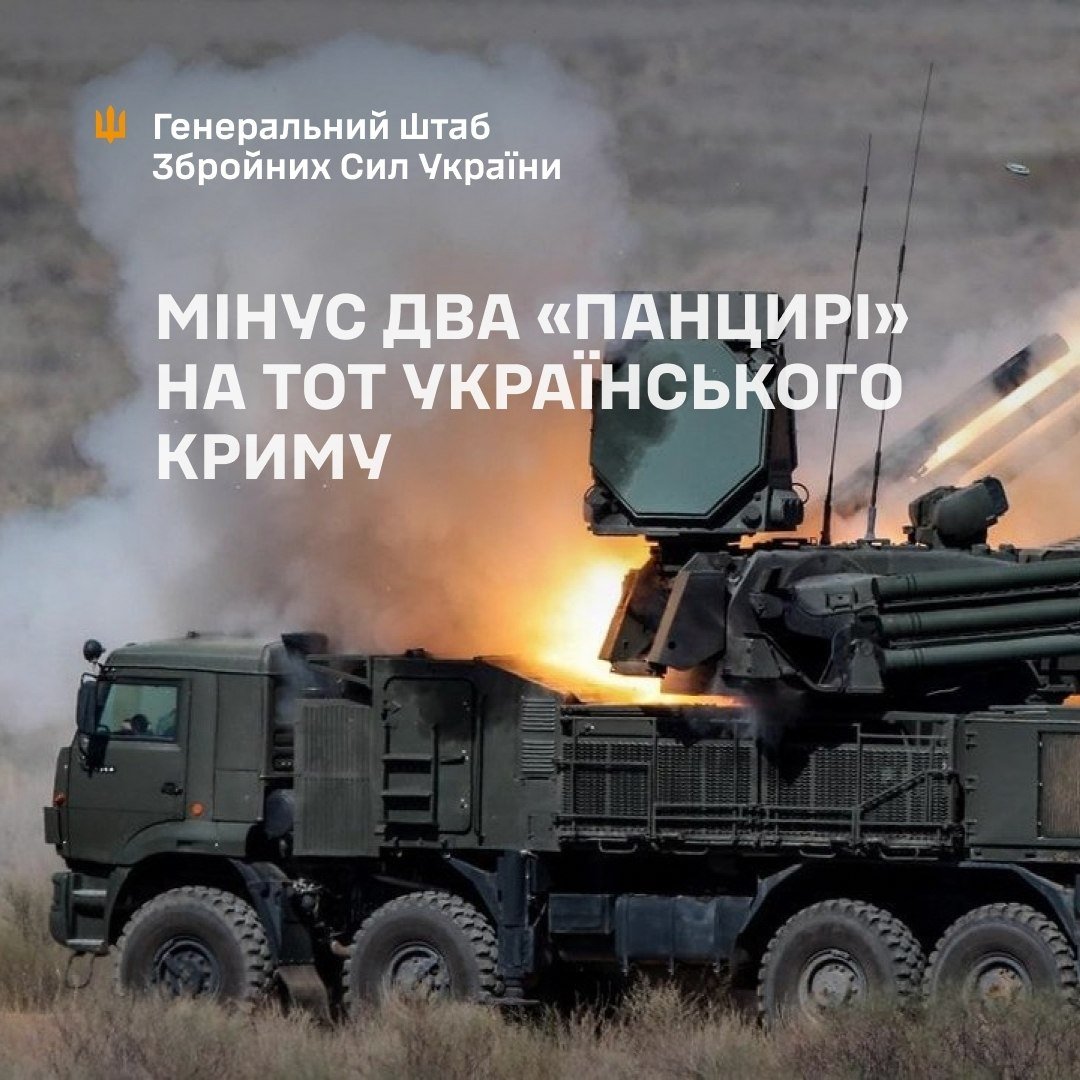
Ukrainian air‑defence units reported intercepting multiple Geran‑type drones, though the sheer volume limited overall effectiveness. The Ukrainian General Staff announced successful strikes on two Russian Pantsir air‑defence systems in occupied Crimea, as well as a firing group, drone command post and supply depot elsewhere (monitor_the_situation, 12:39 UTC), indicating a reciprocal kinetic posture.
In the energy sector, operators activated reserve generation capacity and rerouted power from unaffected substations to mitigate civilian impact. The Ministry of Energy emphasized the need for accelerated restoration of damaged infrastructure and highlighted the vulnerability of centralized grid nodes.
Implications for the Conflict
The November 4 kinetic campaign demonstrates Russia’s capacity to conduct high‑intensity, multi‑domain attacks that strain Ukrainian defensive resources. The targeting of energy and transport nodes aims to erode civilian morale, disrupt military supply chains, and create operational windows for ground advances.
For Ukraine, the events reinforce the urgency of diversifying energy sources, enhancing UAV detection capabilities, and integrating rapid repair teams for critical infrastructure. Continued international support for air‑defence systems and grid resilience will be pivotal in limiting the strategic impact of future Russian kinetic operations.