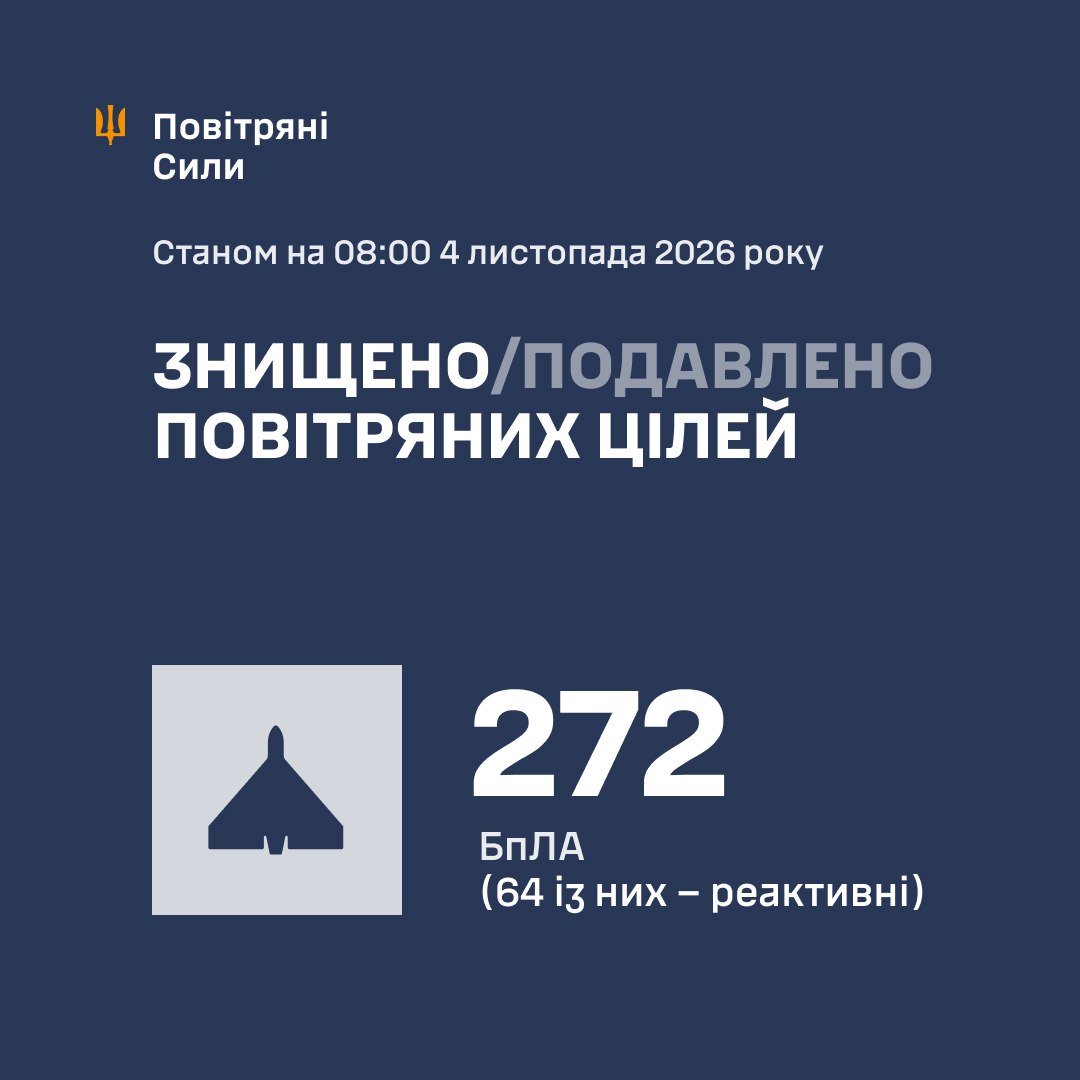
In a coordinated aerial operation on the night of 3‑4 November 2026, Russian forces launched a swarm of 310 unmanned aerial vehicles (UAVs) against targets across Ukraine. The launch included 81 Shahed kamikaze drones supplied by Iran. Ukrainian air defenses reported shooting down or suppressing 272 of the aircraft by 08:00 UTC, with the remaining drones striking 19 locations and debris falling in an additional 15 sites. No civilian casualties were confirmed in the immediate aftermath.
"310 drones launched overnight, including 81 Shaheds; 272 downed or suppressed by 08:00. Strikes hit 19 locations, debris fell at 15 others." – Monitor the Situation, 2026‑11‑04, https://t.me/monitor_the_situation/41173
Ukrainian Counter‑UAV Successes
Ukrainian drone units continued to target Russian military assets. At 15:54 UTC, a squad from the 21st Separate Unmanned Systems Regiment, known as the MURAMASA unit, successfully engaged a Russian Buk‑M3 medium‑range air‑defence system operating within Ukrainian territory. The strike was captured on video and confirmed by the monitoring channel. No personnel casualties were reported, but the loss of a Buk‑M3 reduces Russia’s layered air‑defence capability in the sector.
"Ukrainian Drones Strike Russian Buk‑M3 Air Defense System" – Monitor the Situation, 2026‑11‑04, https://t.me/monitor_the_situation/41261
Earlier in the day, at 07:00 UTC, Ukrainian drones attacked the Slavneft‑YANOS oil refinery in Yaroslavl, Russia. Multiple fires erupted at the complex, one of the nation’s largest refining facilities. The incident was reported by the NOELreports channel and corroborated by visual media. While the extent of operational disruption remains unclear, the strike demonstrates Ukraine’s ability to project UAV power beyond its borders.
"Ukrainian Drones Strike Yaroslavl Oil Refinery" – Monitor the Situation, 2026‑11‑04, https://t.me/monitor_the_situation/41168
Isolated Drone Incidents
Two additional UAV events were recorded on 4 November with limited tactical impact. At 14:11 UTC, a Russian Geran‑5 jet‑powered attack drone crashed in an open field in Ukraine. Ukrainian fishermen filmed the incident; the drone exploded on impact, but no injuries or material damage were reported.
"Russian Geran‑5 Drone Crashes in Ukrainian Field" – Monitor the Situation, 2026‑11‑04, https://t.me/monitor_the_situation/41245
These incidents, while isolated, illustrate the continued use of expendable attack drones by both sides in the conflict, often resulting in minimal direct harm but contributing to the overall kinetic pressure.
Analysis
The scale of the Russian drone swarm underscores a strategic shift toward massed UAV attacks to overwhelm Ukrainian air‑defence networks. The high interception rate—272 of 310 drones—indicates that Ukraine’s integrated air‑defence system, comprising Patriot, SAMP/T, and indigenous platforms, remains effective against large‑volume UAV assaults. However, the fact that 38 drones penetrated defenses and struck 19 locations reveals persistent gaps, particularly in low‑altitude, low‑speed target detection.
Ukrainian UAV operations demonstrate a dual focus: degrading Russian air‑defence assets within Ukraine and extending strike capability into Russian territory. The successful neutralisation of a Buk‑M3 system removes a critical radar‑guided layer, potentially exposing Russian ground forces to further aerial threats. Simultaneously, the attack on the Yaroslavl refinery signals an intent to disrupt Russian energy logistics, a pattern observed in previous cross‑border UAV operations.
Both sides continue to employ commercially available or lightly modified platforms—such as the Geran‑5, a repurposed commercial drone, and the Shahed series—highlighting the low cost and high availability of UAV technology in modern warfare. The reliance on video verification from open‑source channels like Telegram reinforces the importance of open‑source intelligence (OSINT) in tracking kinetic events in real time.
Overall, the events of 4 November illustrate an escalating UAV contest where massed attacks are met with increasingly sophisticated defensive measures, while targeted strikes aim to erode high‑value enemy capabilities. The balance of attrition will likely depend on the ability of each side to sustain UAV production, improve detection algorithms, and integrate rapid response assets.