The Islamic Revolutionary Guard Corps (IRGC) announced on 4 November 2026 that four oil tankers were destroyed by naval mines in the Strait of Hormuz, a critical chokepoint for global oil shipments. The statement, relayed by JPost, indicated that the vessels remained ablaze and that two additional ships were seized by Iranian forces. No casualty figures were released, but the incident marks a significant escalation in kinetic activity within Iranian territorial waters.
"Four oil tankers destroyed by naval mines, still ablaze; two other vessels seized," IRGC spokesperson said, as reported by JPost.
Naval Mine Deployment and Immediate Impact
The IRGC attributed the mine deployment to its own defensive measures, though the source of the mines was not disclosed. The affected tankers were transiting the narrowest segment of the Strait, where the waterway narrows to approximately 60 kilometers. The loss of four tankers, each estimated to carry between 200,000 and 300,000 barrels of crude, represents a material setback for commercial shipping and underscores the strategic leverage Iran seeks over maritime traffic.
While the IRGC did not specify the national flags of the destroyed vessels, the incident follows a pattern of Iranian assertions of control over the Strait, a waterway that sees roughly 20% of the world’s petroleum passing daily. The destruction of the tankers was reported without accompanying aerial or naval engagement, suggesting that the mines were pre‑positioned and triggered by the vessels’ passage.
Ballistic Missile Launch from Shiraz
Earlier in the day, at 12:33 UTC, an OSINT alert from the channel monitor_the_situation documented a ballistic missile launch originating from Shiraz in Fars Province. The alert, posted on Telegram (https://t.me/monitor_the_situation/41223), provided no details on the missile type, target, or impact assessment. No casualties or damage were reported, and Iranian state media have not issued a comment. The launch, occurring within Iranian territory, adds a kinetic dimension to the broader pattern of military activity on 4 November.
UAV Interceptions Over Qeshm Island and the Strait
Iranian forces reported a series of unmanned aerial vehicle (UAV) interceptions on 4 November, highlighting an intensified air defense posture. At 14:42 UTC, the IRGC claimed to have shot down two U.S. drones—an MQ‑9A Reaper and an MQ‑1C Gray Eagle—over Qeshm Island, Hormozgan Province. The claim was posted by intelslava (https://t.me/intelslava/97502) and cites the IRGC’s air defense network as the source of the engagement.
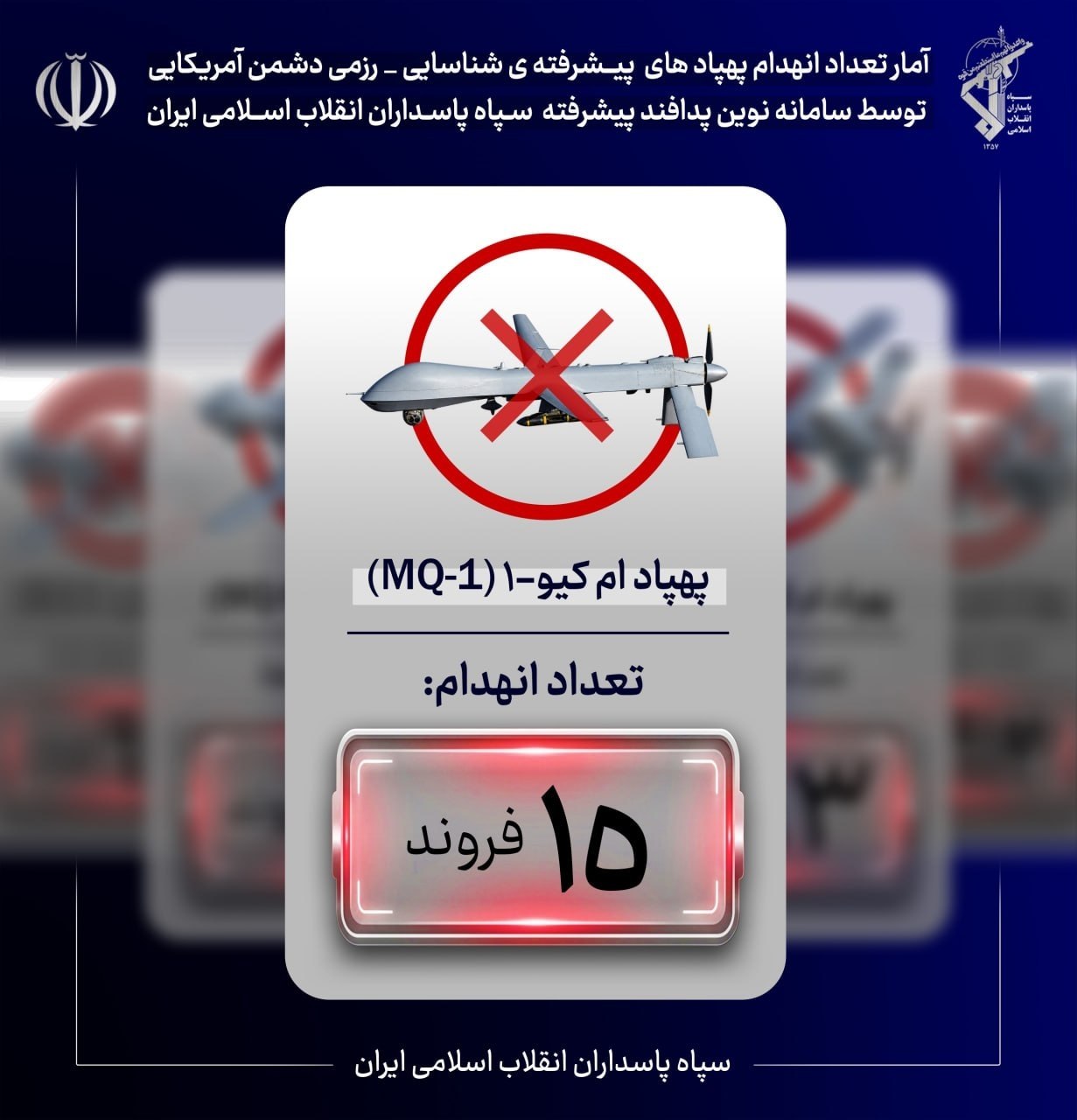
Earlier, at 14:12 UTC, GeoPWatch reported the downing of an additional U.S. Air Force MQ‑1 drone over the same island, describing it as the 15th such interception by Iranian forces (https://t.me/GeoPWatch/41338). The cumulative tally of UAV interceptions underscores a sustained campaign by the IRGC to contest U.S. reconnaissance and strike platforms operating near Iranian airspace.
In the Strait of Hormuz, multiple UAV interceptions were also reported. At 12:39 UTC, monitor_the_situation posted that an Iranian unit shot down a U.S. MQ‑9 drone, claiming a total of 56 destroyed UAVs valued at $1.79 billion (https://t.me/monitor_the_situation/41226). A separate report from GeoPWatch at 09:59 UTC corroborated the interception of a USAF MQ‑9 over the Strait (https://t.me/GeoPWatch/41327). These statements, while lacking independent verification, indicate a pattern of Iranian air defense engagements against high‑value U.S. UAV assets.
Chinese‑Owned VLCC Hit in the Strait
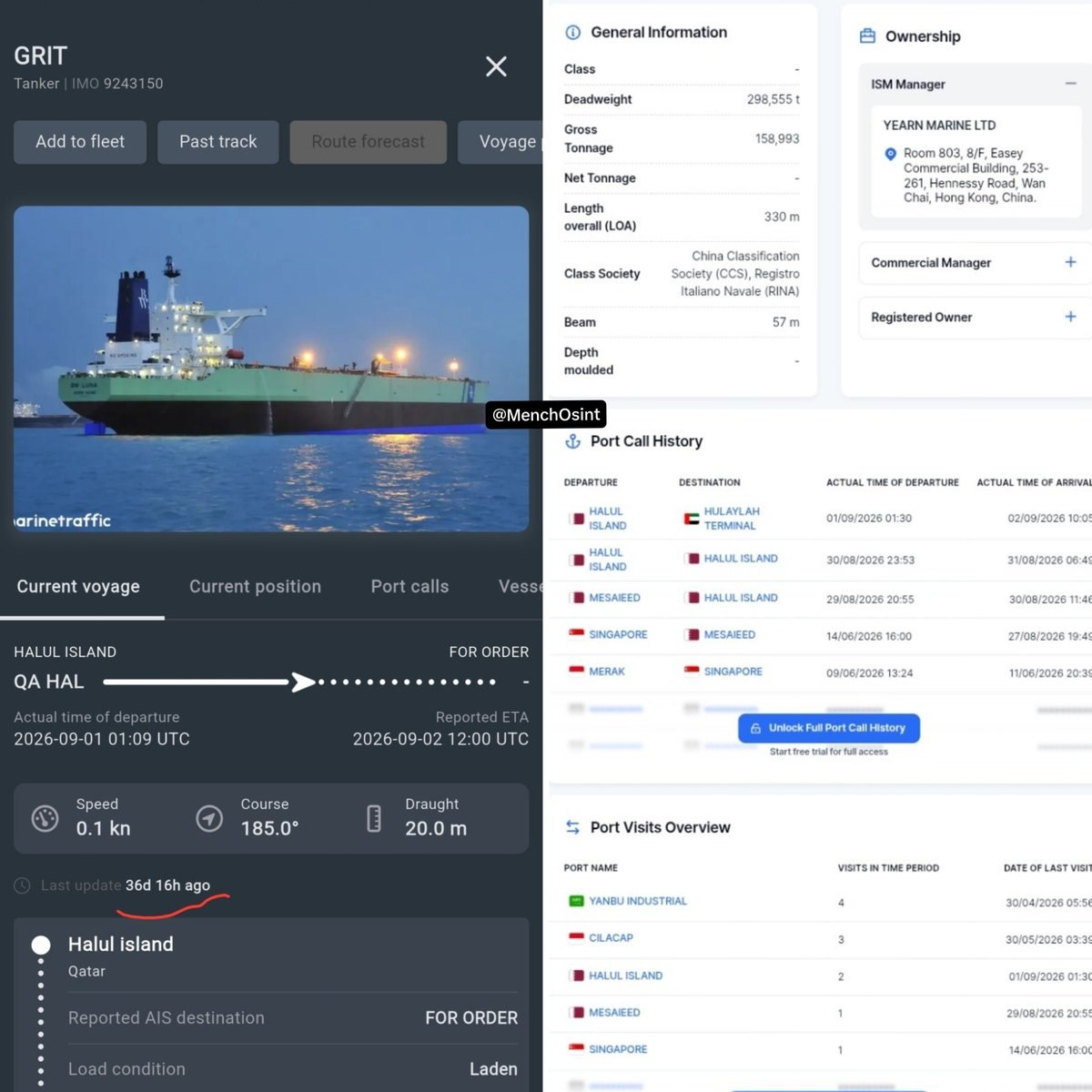
At 11:38 UTC, the same Telegram channel (monitor_the_situation) reported that a Chinese‑owned very large crude carrier (VLCC) named “GRIT” was struck while transiting the Strait of Hormuz. The vessel’s Automatic Identification System (AIS) had been disabled for over a month, complicating tracking efforts. No details on the weapon used or the extent of damage were provided, and the incident did not result in reported casualties. The hit on a Chinese‑flagged asset introduces a potential diplomatic dimension to the maritime confrontations.
Analysis of Kinetic Trends
The clustering of high‑impact events—naval mines, ballistic missile launch, and multiple UAV interceptions—within a single 24‑hour period suggests a coordinated escalation by Iranian forces. The use of naval mines aligns with asymmetric maritime tactics that can deny or disrupt commercial shipping without direct confrontation. Simultaneously, the aggressive air defense posture against U.S. UAVs reflects Tehran’s intent to signal capability and resolve in protecting its airspace.
From a strategic perspective, the IRGC’s claims serve multiple audiences: domestically, they reinforce narratives of defending national sovereignty; regionally, they convey deterrence to neighboring states and external powers; internationally, they aim to extract concessions or negotiate from a position of heightened leverage over critical energy routes.
Implications for Regional Security
Stakeholders in the global oil market should monitor the Strait of Hormuz for further disruptions, as the presence of mines and the risk of additional vessel seizures could prompt rerouting of tankers, increasing shipping costs and insurance premiums. The reported UAV interceptions may also affect U.S. intelligence‑gathering operations, potentially prompting adjustments in flight paths or the deployment of alternative platforms.
Diplomatic channels are likely to be activated to address the safety of commercial navigation, especially given the involvement of a Chinese‑owned vessel. China’s response, whether through diplomatic protest or naval escort missions, could influence the broader geopolitical calculus.
Conclusion
On 4 November 2026, Iran’s IRGC demonstrated a multi‑domain kinetic capability, employing naval mines, launching a ballistic missile, and intercepting multiple U.S. UAVs. While casualty figures remain unreported, the material losses—four destroyed oil tankers and a damaged VLCC—underscore the tangible impact on maritime commerce. Continued observation of IRGC communications and independent verification of these events will be essential for assessing the trajectory of Iran’s kinetic operations and their implications for regional stability.