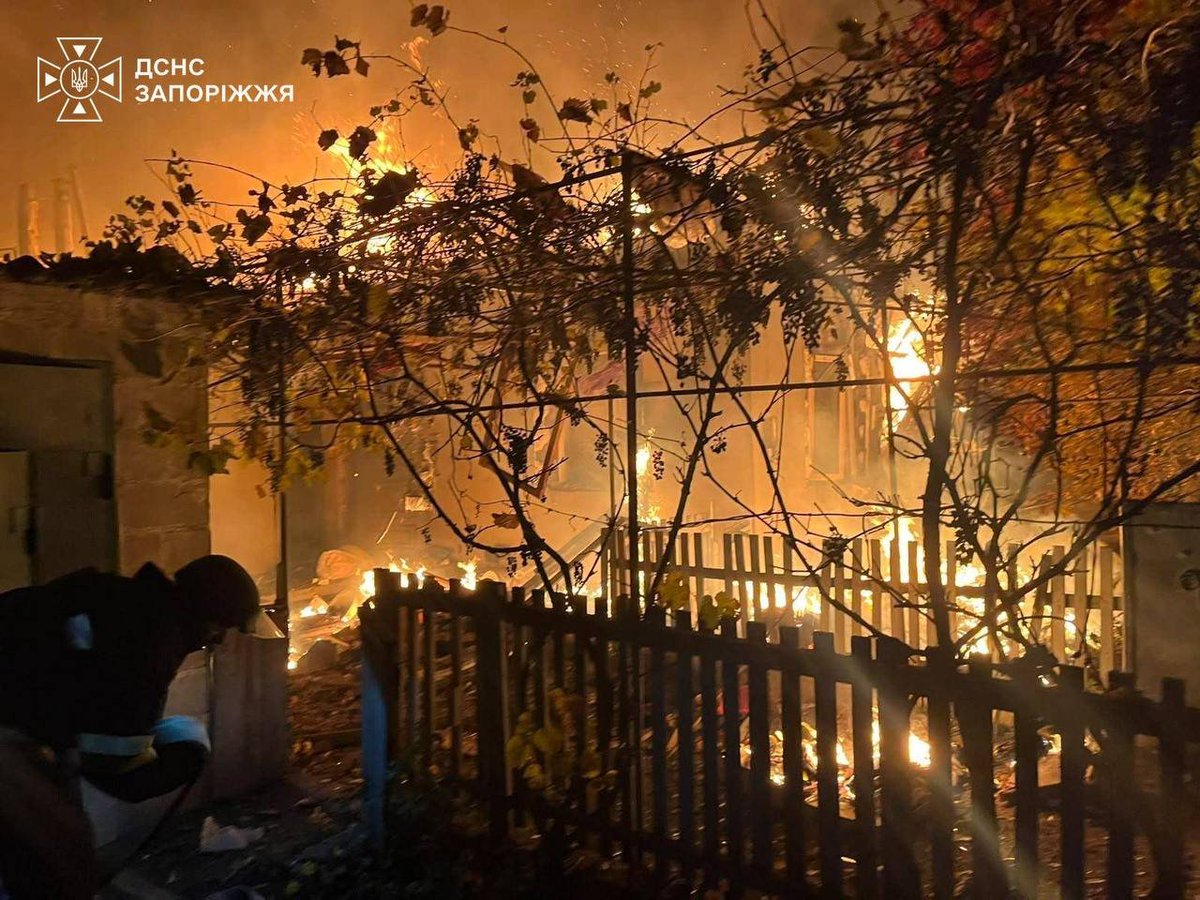
In the early hours of 3 November 2026, Russian forces launched a coordinated rocket and drone offensive that struck civilian and strategic targets across Ukraine, resulting in the deadliest single‑day casualty toll since the start of the year. The most lethal strike hit a hospital in Dnipro, killing 38 people and wounding 158, while simultaneous attacks on Kharkiv’s medical facilities and multiple power plants inflicted additional deaths, injuries, and widespread power outages.
"Russian missile and drone attacks on Dnipro hospitals killed 38 people and injured 158 across Ukraine," reported the Telegram channel monitor_the_situation (https://t.me/monitor_the_situation/40876).
Massive Overnight Strike on Kharkiv and Surrounding Regions
At approximately 08:25 UTC, Russia deployed an estimated 289 drones, 17 ballistic missiles and 59 cruise missiles against Ukraine’s energy network, a hospital in Kharkiv and the settlement of Komyshuvakha. The Kharkiv hospital attack left 73 civilians injured, and the blast in Komyshuvakha killed 29 people, many of whom remain trapped under rubble. The scale of the sortie, described by monitor_the_situation as a "massive overnight strike," underscores a shift toward high‑intensity kinetic operations targeting both civilian infrastructure and population centers.
"Zelensky reports 289 drones, 17 ballistic and 59 cruise missiles targeting energy infrastructure across multiple regions," the same source noted (https://t.me/monitor_the_situation/40844).
Additional Attacks on Dnipro and Energy Infrastructure
Later in the day, at 12:38 UTC, Russian forces fired a mixed salvo of ballistic missiles, cruise missiles and drones that again struck Dnipro, this time damaging residential districts and additional medical facilities. According to Al Jazeera, the follow‑up attack killed two civilians and injured 20 others, further straining the city’s already overburdened health services.
"Russian strikes on Dnipro kill two, injure 20 others," Al Jazeera reported (https://www.aljazeera.com/video/newsfeed/2026/11/3/russian-strikes-on-dnipro-kill-two-injure-20-others?traffic_source=rss).
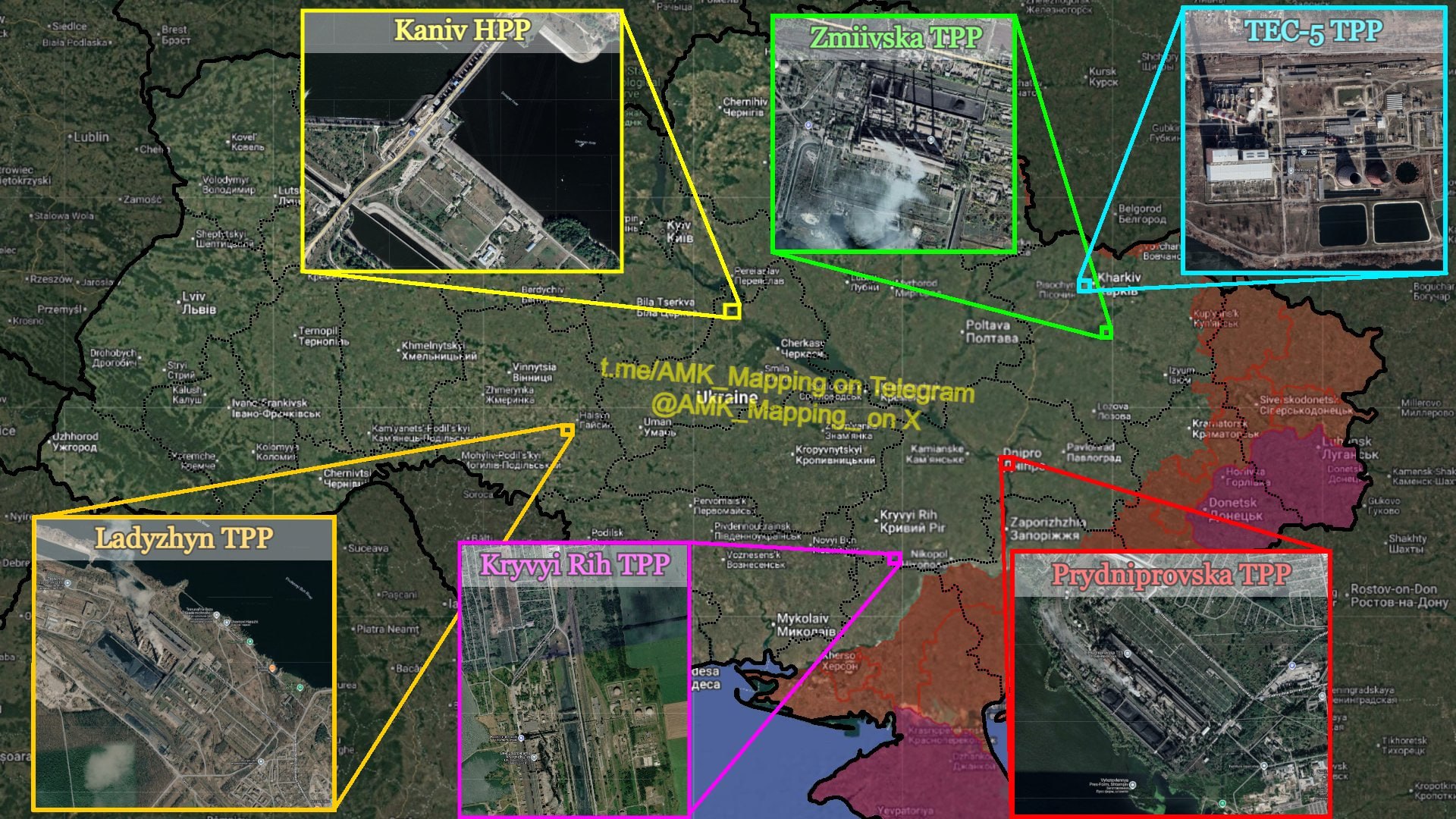
Concurrent with the Dnipro assaults, a series of precision strikes hit power generation sites in central and eastern Ukraine. At 06:32 UTC, eight Kh‑101 cruise missiles launched from a Tu‑160 bomber struck the Prydniprovsky Thermal Power Plant in Dnipropetrovsk Oblast, temporarily halting output and prompting emergency grid management measures.
"Eight Russian Kh‑101 cruise missiles struck the Prydniprovsky Thermal Power Plant," monitor_the_situation documented (https://t.me/monitor_the_situation/40823).
At 08:20 UTC, the CIG_telegram channel detailed a broader campaign against six power facilities using a mix of Iskander‑M ballistic missiles, KAB glide‑bombs, Kn‑23 ballistic missiles, Zircon hypersonic cruise missiles and up to 70 Kh‑101 cruise missiles slated for further deployment within two hours. The targeted installations included the Kanev Hydroelectric Power Plant, Zmiyovskaya Thermal Power Plant, and the TEC‑5 Thermal Power Plant in Kharkiv City.
"Russian missiles struck six Ukrainian power plants with Iskander‑M, KAB, Kn‑23 and Zircon weapons," CIG_telegram reported (https://t.me/CIG_telegram/86470).
Naval Threats in the Black Sea
While aerial and missile attacks dominated the Ukrainian theater, the Black Sea remained a contested arena. Al Jazeera reported renewed Russian and Ukrainian strikes on commercial shipping lanes, threatening the export of grain from Ukrainian ports. The escalation raises the risk of further disruptions to global food supplies, already strained by previous years of conflict‑related export bottlenecks.
"Renewed Russian and Ukrainian attacks on Black Sea shipping threaten grain exports and worsen global food insecurity," Al Jazeera noted (https://www.aljazeera.com/news/2026/11/3/disruptions-of-black-sea-grain-exports-spike-global-prices?traffic_source=rss).
Other Regional Incidents
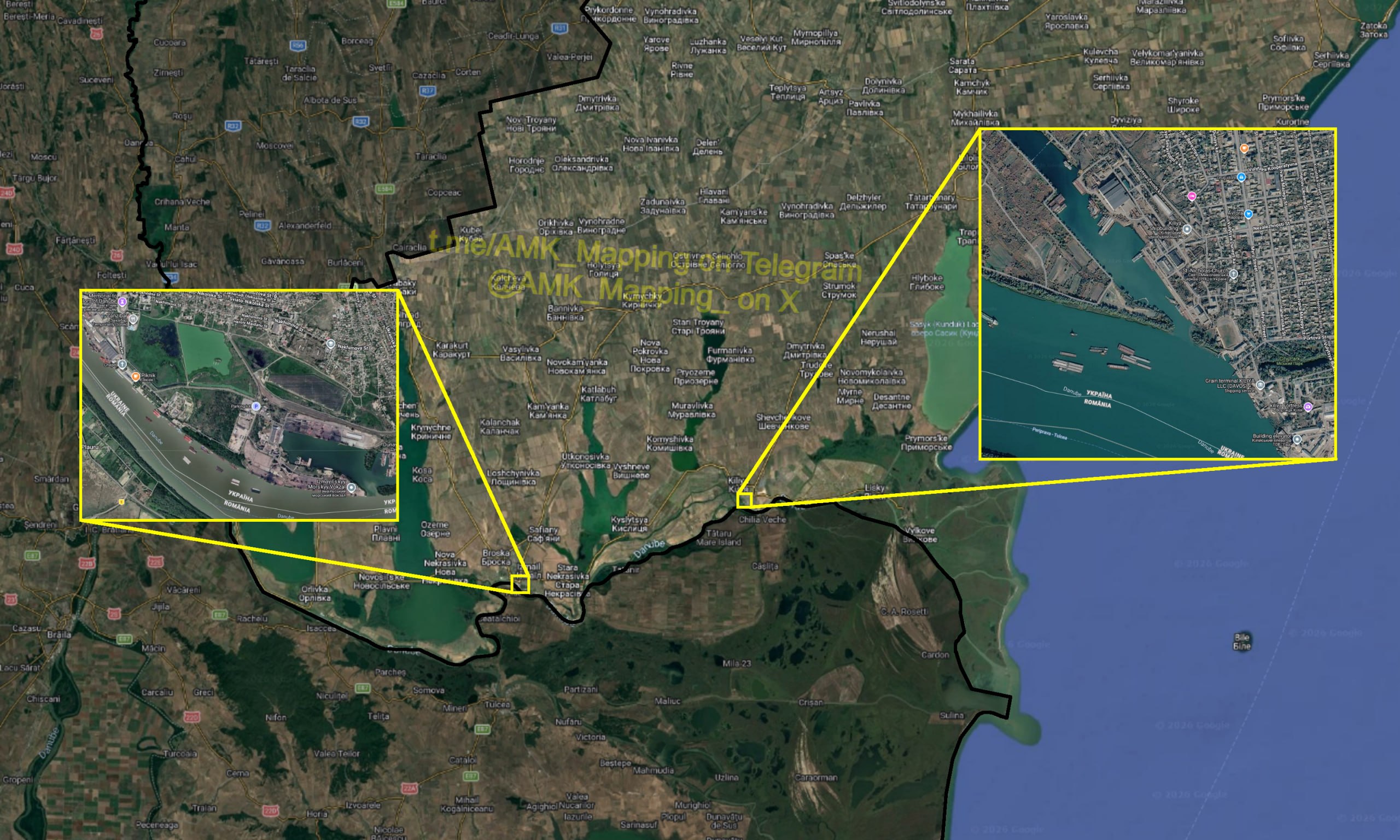
Beyond Ukraine, several kinetic events unfolded elsewhere on 3 November. In Sudan’s Blue Nile State, Rapid Support Forces and allied SPLM‑N fighters captured the town of Sali, indicating continued volatility in the region. Meanwhile, a separate drone‑driven attack on the Vylkove and Izmail ports in Odesa Oblast involved at least 17 Geran‑2 drones, supplemented by glide‑bombs and cruise missiles that damaged the strategic Zatoka Bridge.
"Russia launched drone attacks on the Vylkove and Izmail ports and earlier struck the Zatoka Bridge with glide‑bombs and cruise missiles," CIG_telegram reported (https://t.me/CIG_telegram/86471).
In a non‑Ukrainian context, a UN report released in September 2026 documented 1,004 cases of conflict‑related sexual violence against Ukrainian prisoners of war, attributing 89 % of the abuse to Russian authorities. While not a kinetic event, the report underscores the broader humanitarian impact of the ongoing hostilities.
"UN report documents 1,004 cases of conflict‑related sexual violence against Ukrainian POWs," monitor_the_situation summarized (https://t.me/monitor_the_situation/40826).
Collectively, these incidents illustrate a marked intensification of kinetic operations by Russian forces, employing a diversified arsenal that includes conventional ballistic missiles, hypersonic cruise missiles, and unmanned aerial systems. The targeting of civilian hospitals and critical energy infrastructure not only raises immediate humanitarian concerns but also threatens Ukraine’s long‑term resilience and the stability of regional supply chains.