On the morning of 3 November 2026, Israeli forces killed four Palestinians in the Gaza Strip, with a fifth victim later succumbing to wounds, marking the latest lethal incident since the United Nations‑backed ceasefire took effect in October 2025. The deaths were reported by Al Jazeera, which confirmed the casualties occurred during an Israeli operation in an undisclosed part of the enclave. The incident brings the total Palestinian death toll in Gaza since the ceasefire to nearly 1,600, underscoring the fragility of the truce and the continued risk to civilian populations.
Location and casualties: The fatalities were recorded at 05:02 GMT in the Gaza Strip, a densely populated area where the majority of the population lives under blockade conditions. The victims were identified as civilians, and the fifth individual, initially wounded, died later in a medical facility. No specific weapons were cited in the report, indicating that the deaths may have resulted from small‑arms fire or indirect fire, but the exact cause remains unverified.
The Al Jazeera article, titled “Israeli forces kill four in Gaza as fifth Palestinian dies of wounds,” provides the primary source for this event (Al Jazeera, 3 Nov 2026). The report emphasizes that the incident occurred despite the ceasefire, which was brokered by the United States and intended to halt hostilities following the intense conflict of 2025.
Israeli forces kill four in Gaza as fifth Palestinian dies of wounds
Analysts note that the timing of the attack—just weeks after the ceasefire’s implementation—raises questions about the rules of engagement adhered to by Israeli units operating in Gaza. While the Israeli Defense Forces (IDF) have not released an official statement, the pattern of sporadic strikes aligns with previous post‑ceasefire incidents where targeted operations against perceived militant infrastructure have inadvertently resulted in civilian casualties.
Hebron Raid and Arrest of Al Jazeera Correspondent
At 03:53 GMT, Israeli soldiers conducted a raid on a residential property in Hebron, West Bank, arresting Al Jazeera correspondent Montaser Nassar. The operation, documented by Al Jazeera’s own video feed, showed soldiers blindfolding, handcuffing, and removing Nassar from his home. The journalist’s detention was reported without any accompanying charges, and the raid was described as part of a broader security sweep in the area.
The source for this event is Al Jazeera’s video newsfeed (Al Jazeera, 3 Nov 2026). The organization highlighted concerns about press freedom, noting that the correspondent had been covering settlement activity and Israeli‑Palestinian tensions in the region. No weapons were reported as being used during the arrest, and the incident appears to be a ground‑movement operation conducted by the Israeli military.
Israeli soldiers blindfolded, handcuffed and arrested Al Jazeera correspondent Montaser Nassar during a raid on his home
International observers have repeatedly warned that the detention of journalists can impede transparent reporting from conflict zones. The arrest of Nassar adds to a series of recent incidents where media personnel have faced restrictions, raising further scrutiny of Israeli military practices in the occupied West Bank.
Yemen: Pro‑Government Forces Secure Al Awat
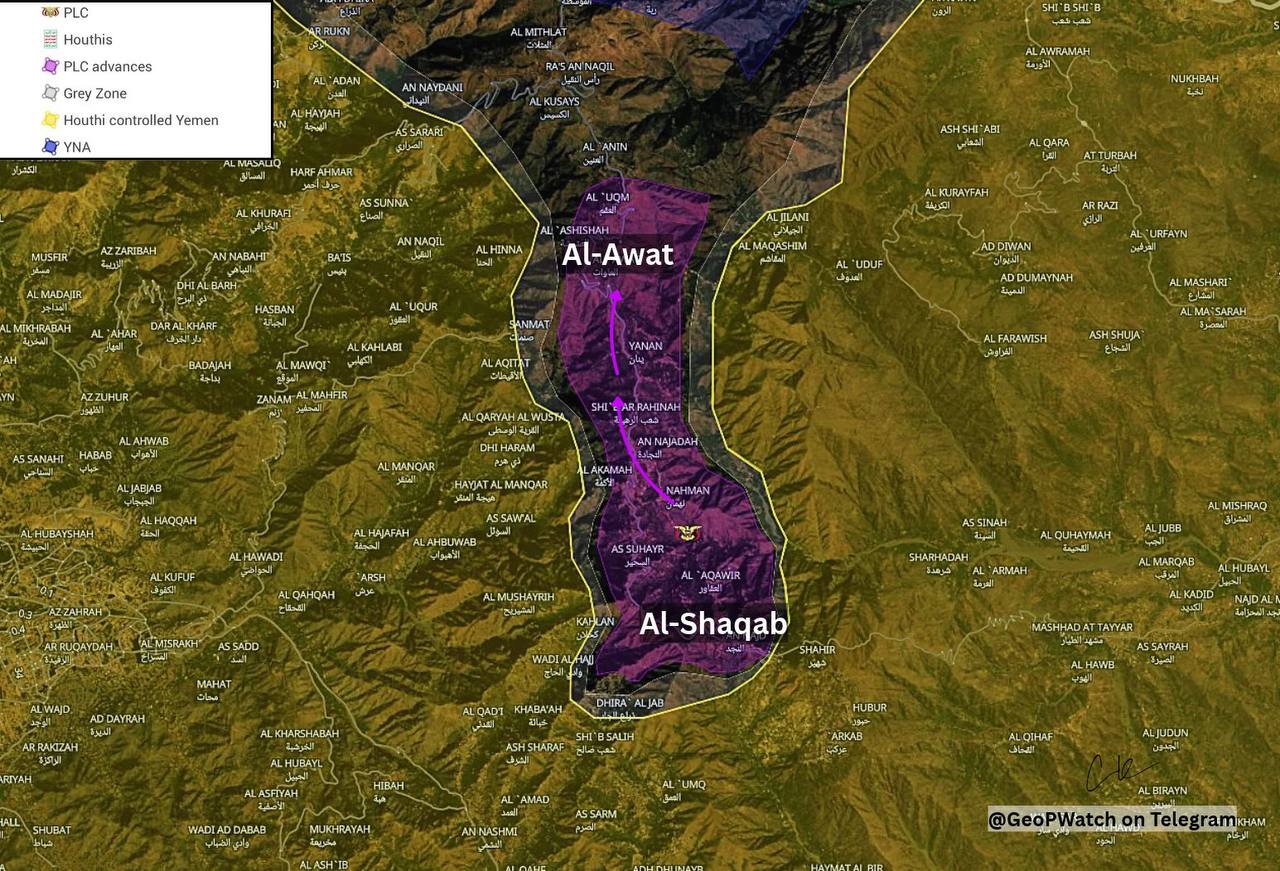
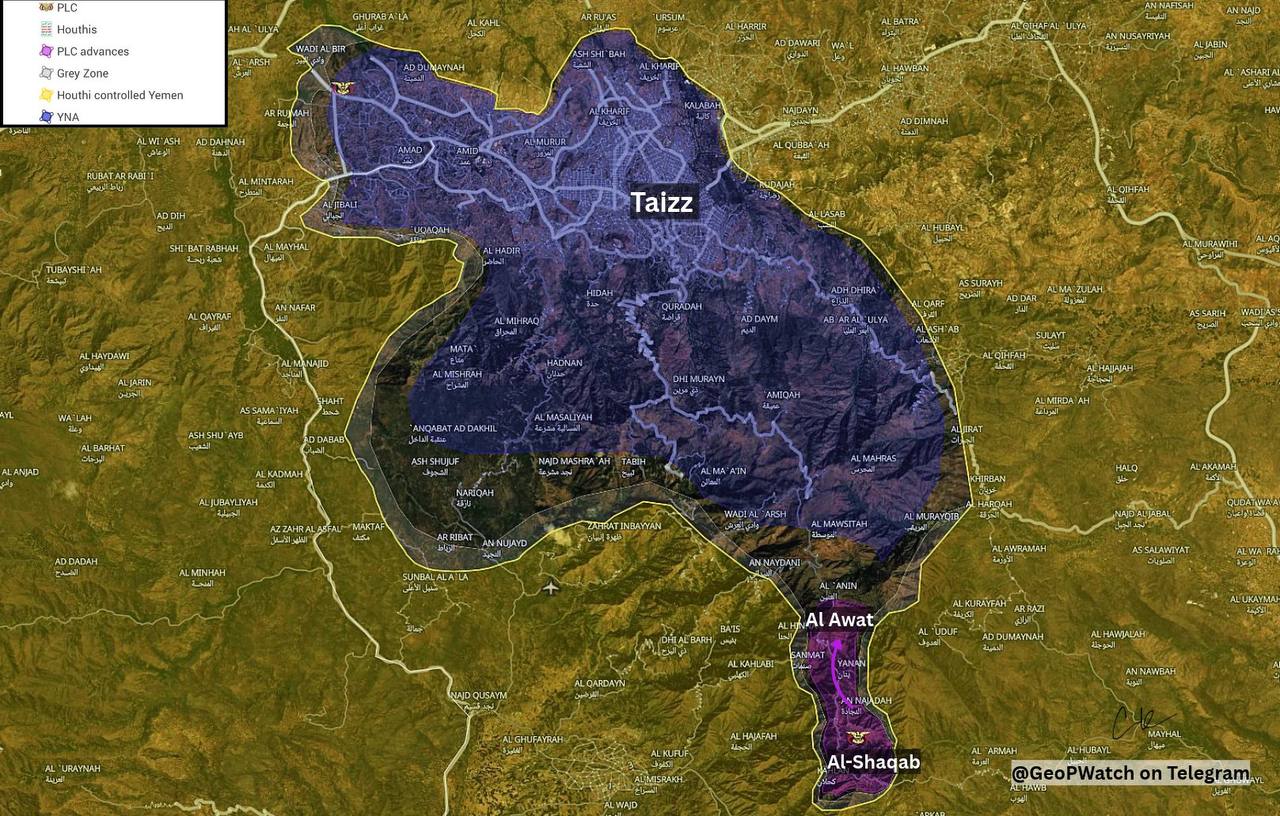
In a separate theater of conflict, pro‑government forces in Yemen’s Al‑Shaqab area reported a strategic victory on 3 November 2026. After weeks of intense fighting, the Popular Committee (PLC) and allied tribal militias repelled attacks by the Ansarullah movement, recapturing the town of Al Awat in Lahij Governorate and re‑establishing control over a critical supply route that connects the pocket to the broader front.
The operation, detailed by GeoPWatch (GeoPWatch, 3 Nov 2026), involved coordinated ground movements without the reported use of heavy weaponry. The recapture transforms Al Awat into a bridgehead, enabling pro‑government forces to consolidate logistics and project power deeper into contested territories. The PLC’s statement emphasized that the victory “turns the pocket into a bridgehead,” signaling a potential shift in the balance of power in southern Yemen.
While casualty figures were not disclosed, the absence of reported heavy weapons suggests that the engagement may have been limited to small‑arms exchanges and tactical maneuvers. The involvement of Saudi‑backed forces underscores the broader regional dimension of Yemen’s civil war, where external actors continue to influence the conflict’s trajectory.
These three events, occurring within a span of six hours, illustrate the multi‑layered nature of Middle Eastern conflicts in 2026. In Gaza, the persistence of civilian casualties despite a formal ceasefire highlights the challenges of enforcing humanitarian norms in densely populated urban environments. In the West Bank, the arrest of a prominent journalist underscores ongoing tensions surrounding freedom of the press and the militarized enforcement of security measures. Meanwhile, in Yemen, the recapture of Al Awat demonstrates the fluidity of frontlines and the importance of territorial control for supply chain stability in protracted civil wars.
Collectively, the incidents reinforce the need for sustained diplomatic engagement, robust monitoring mechanisms, and clear accountability frameworks to mitigate civilian harm and uphold international law across the region.