On 2 November 2026, Sudan lodged formal complaints with the United Nations accusing Ethiopia of conducting a sustained hostile UAV campaign that has killed or wounded 484 civilians since February. The allegations, reported by Al Jazeera, represent the most severe kinetic event recorded on this date and underscore the escalating use of armed drones in intra‑regional conflicts.
"One‑way drone attacks have killed or wounded 484 civilians since February, Khartoum says." – Al Jazeera, 2 Nov 2026
The Sudanese government claims that Ethiopian‑operated drones have repeatedly struck civilian areas, targeting infrastructure and residential zones. While the exact flight paths remain undisclosed, the cumulative casualty figure of 484 places the campaign among the deadliest drone‑related offensives in recent African history. The United Nations has been asked to investigate potential violations of international humanitarian law, and the complaints may trigger a diplomatic response at the UN Security Council.
Broader Regional Kinetic Activity
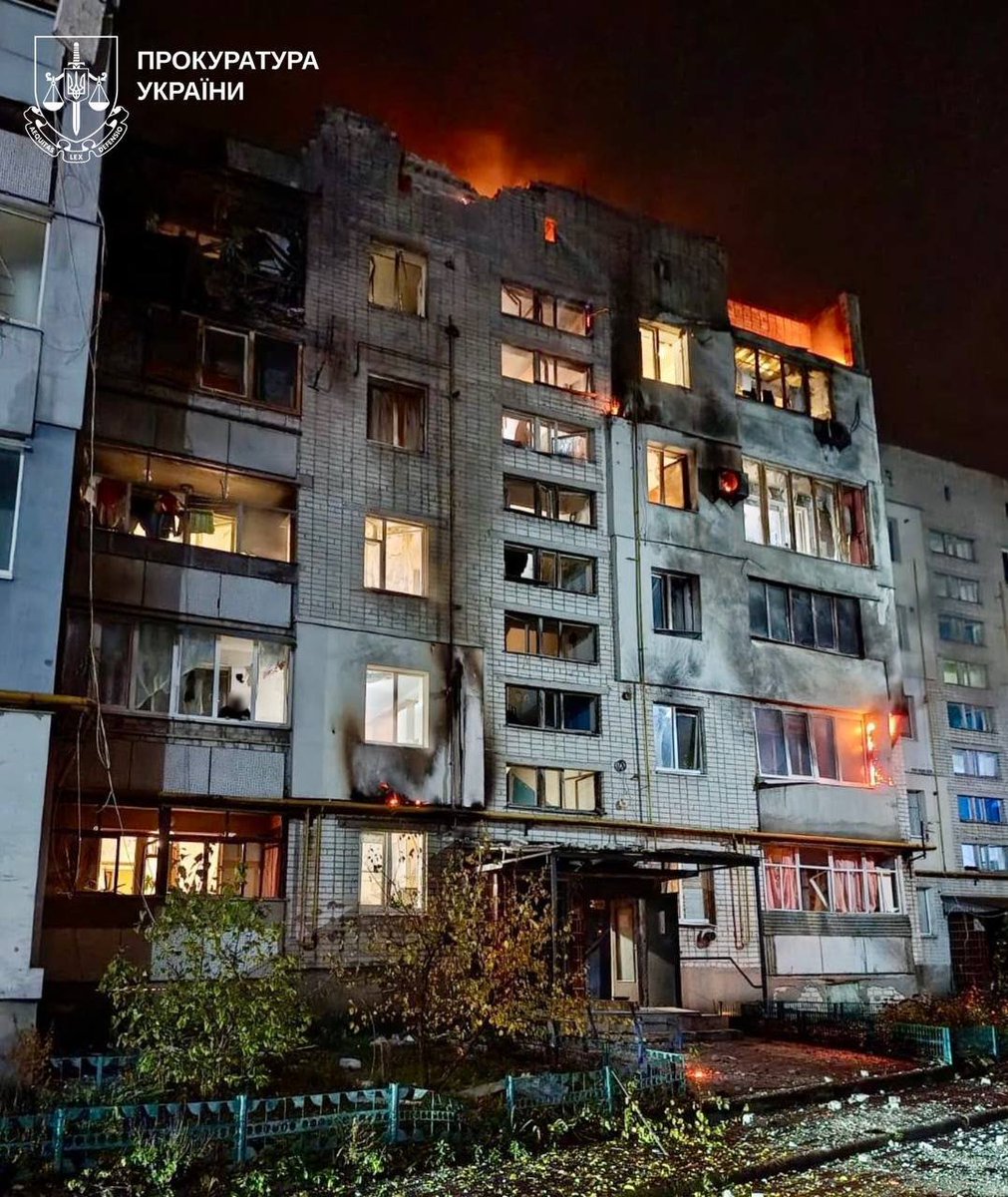
Parallel to the Sudan‑Ethiopia dispute, Ukraine experienced a wave of weekend attacks that resulted in at least 19 civilian deaths and 161 injuries. According to the CIT volunteer network, the strikes involved a combination of unmanned aerial vehicles (UAVs), conventional airstrikes, and artillery shelling across multiple oblasts between 30 October and 1 November. The attacks illustrate the continued intensity of the Russian‑Ukrainian war, where mixed‑method kinetic operations remain a hallmark of the conflict.
🟡 **Weekend Strikes Kill 19 Civilians Across Ukraine** – CIT, 2 Nov 2026
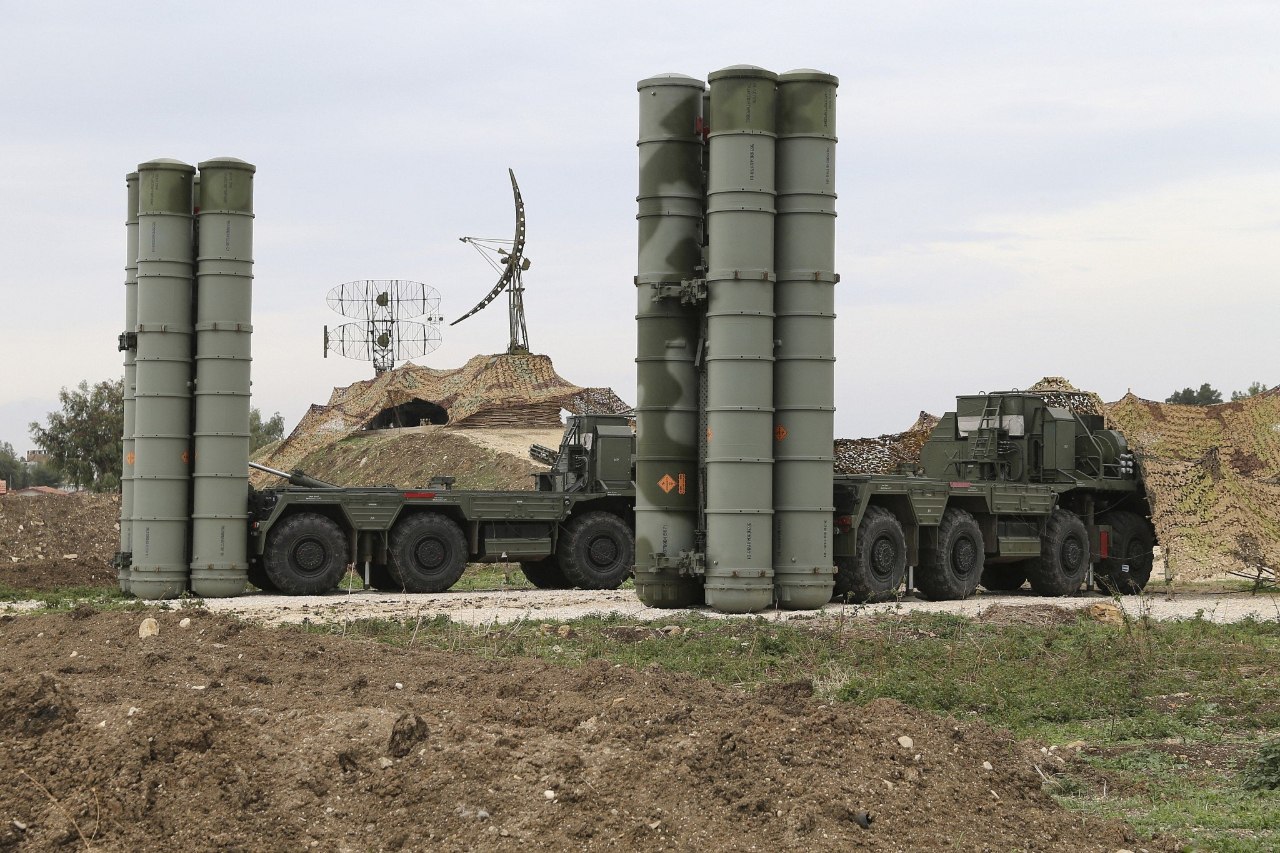
In a separate development, the Russian Ministry of Defence reported the interception of 212 Ukrainian UAVs overnight across a wide swath of Russian territory, including the Bryansk, Belgorod, Kursk, Kaluga, Tula, Voronezh, Pskov, Oryol, Lipetsk, Saratov, Samara, Ryazan, Tambov, Rostov regions, the Moscow region, Krasnodar Krai, the Republic of Crimea, and over the Black and Azov seas. The large‑scale air‑defence effort, detailed by intelslava, highlights the high volume of UAV incursions and the extensive deployment of Russian surface‑to‑air systems.
"The Russian Ministry of Defense reported that air defense systems intercepted and destroyed 212 Ukrainian UAVs overnight..." – intelslava, 2 Nov 2026
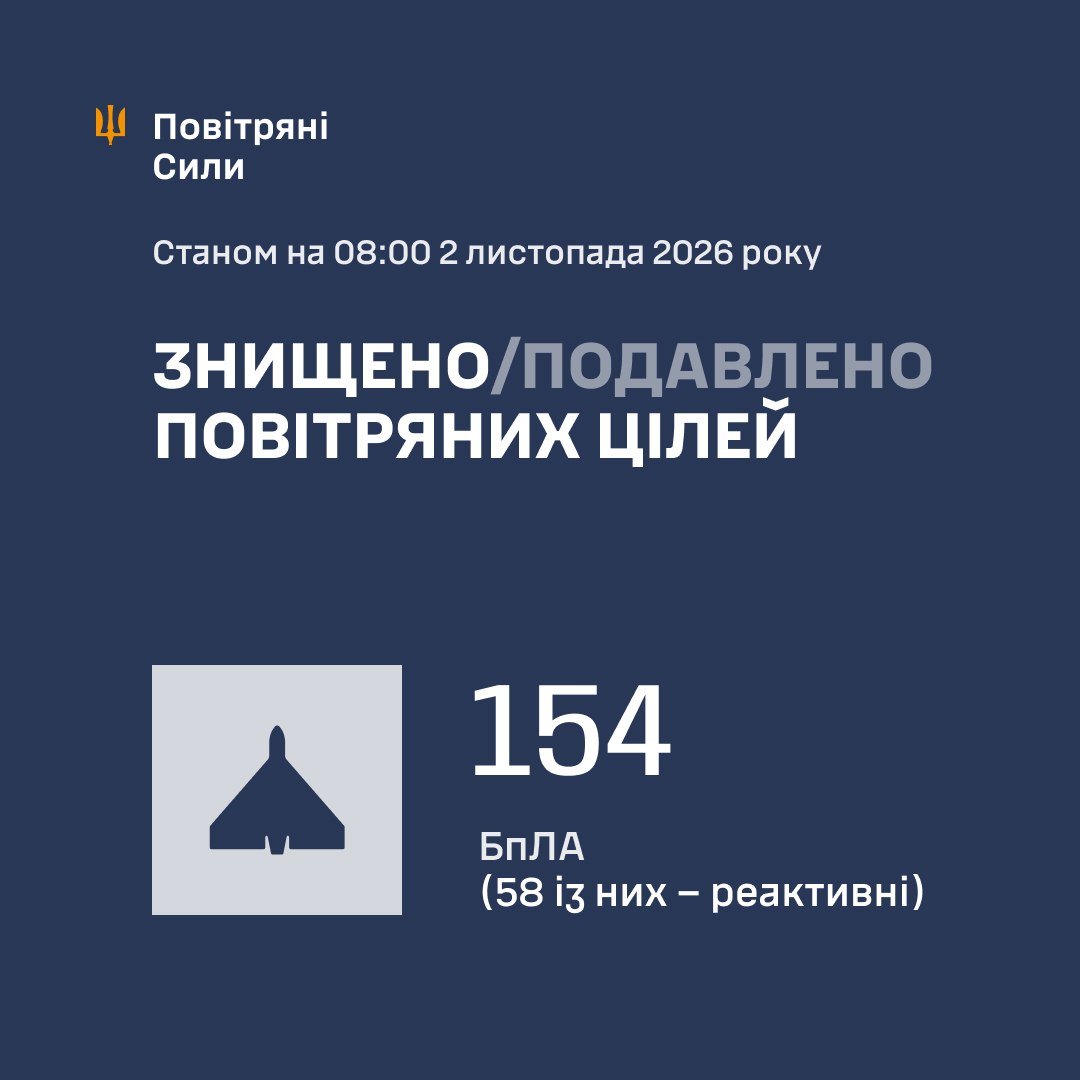
Russia also launched two major drone swarms against Ukraine on the same day. The first, at 08:03:43, involved 433 drones, including 64 Shahed kamikaze variants. Ukrainian air‑defence forces shot down or suppressed 371 of the aircraft, with 16 confirmed impacts. A second swarm, reported at 08:11:29, comprised 193 drones, of which 75 were Shahed models; Ukrainian defenses neutralised the majority, recording impacts at 26 locations and noting that six or more drones remained airborne.
🟠 **Russia Launches 433 Drones at Ukraine Overnight** – monitor_the_situation, 2 Nov 2026
These coordinated drone offensives demonstrate Russia’s reliance on massed UAV attacks to overwhelm Ukrainian air‑defence networks, a tactic that has become increasingly prevalent since the conflict’s escalation in 2022. The high interception rates, however, indicate that Ukrainian systems retain a robust capacity to mitigate large‑scale aerial threats.
Naval and Ground Incidents
In the maritime domain, the Royal Navy intercepted the Russian intelligence vessel Viktor Leonov near Scotland while it monitored NATO exercises. British helicopters tracked and forced the ship to alter its course, according to a report from monitor_the_situation. The incident underscores the heightened vigilance of NATO forces in the North Atlantic and the ongoing information‑gathering activities of Russian naval assets.
"British helicopters tracked the Russian intelligence ship Viktor Leonov as it monitored NATO military exercises off the coast of Scotland." – monitor_the_situation, 2 Nov 2026
On the Korean Peninsula, a landmine explosion near the Military Demarcation Line claimed the life of a South Korean sergeant and wounded three other soldiers. The incident, reported by the Jerusalem Post, reflects the persistent volatility along the de‑facto border between North and South Korea, where both sides maintain extensive minefields and conduct regular patrols.
"A South Korean sergeant was killed and three soldiers wounded by landmine explosions near the Military Demarcation Line." – JPost, 2 Nov 2026
In the Middle East, the Israeli Defence Forces announced the elimination of four Hamas militants responsible for recent terrorist attacks. The operation, conveyed via the idkunim_il channel, involved targeted strikes but did not result in civilian casualties.
"We eliminated four Hamas militants who carried out terrorist acts." – IDF, 2 Nov 2026
Finally, Sudan’s internal security situation remains volatile. Drone attacks continued to target the nation’s power grid, disrupting electricity supplies and prompting reports of defections from the Rapid Support Forces (RSF). The Sudanese army attributed the attacks to hostile UAVs, though the originating state was not explicitly identified in the source material.
"Drone attacks extend campaign targeting Sudan’s power system, prompting new RSF defections." – Al Jazeera, 2 Nov 2026
Collectively, these events illustrate a global pattern of kinetic engagements that rely heavily on unmanned systems, both aerial and ground‑based. The proliferation of drones across multiple theatres—Africa, Eastern Europe, the Middle East, and East Asia—highlights a shift toward high‑frequency, low‑cost strike capabilities that can inflict significant civilian harm while complicating attribution and response mechanisms.