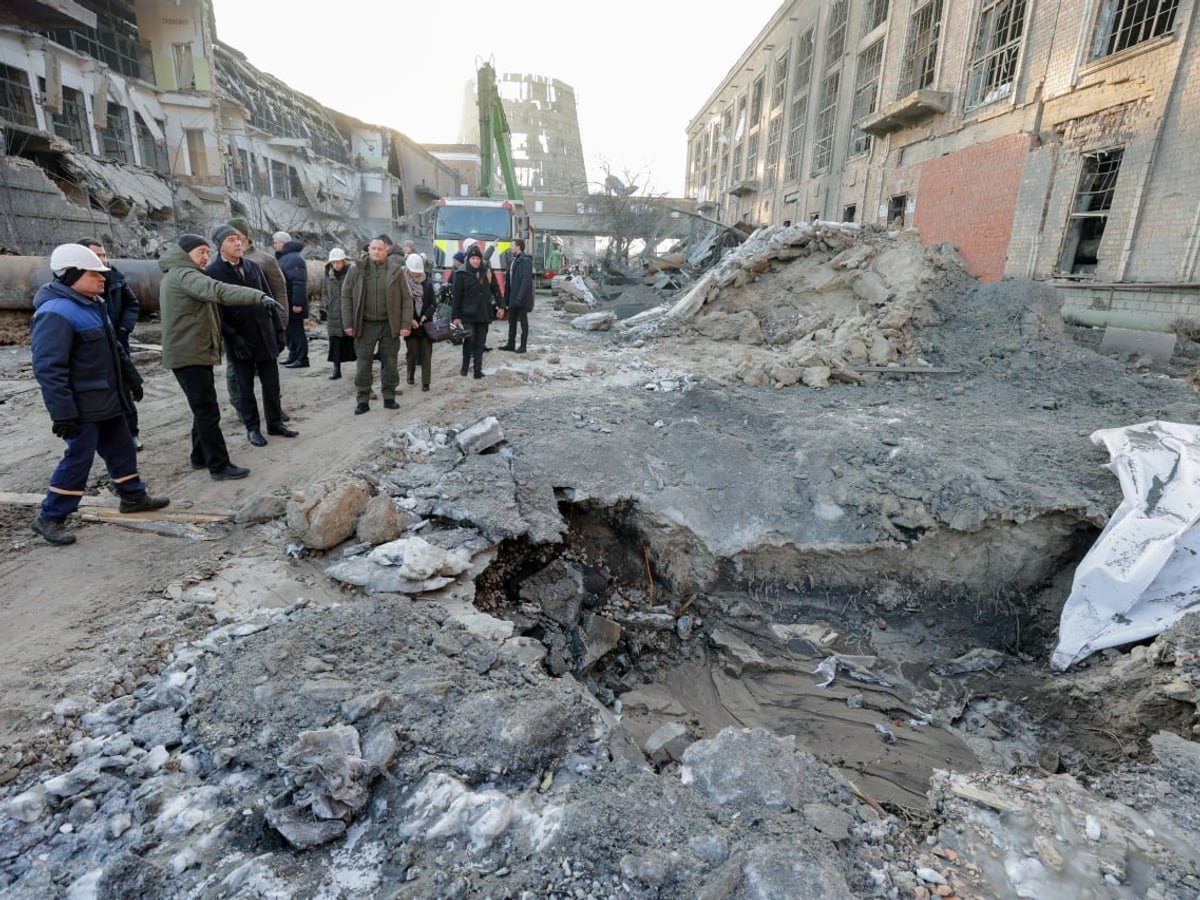
On 2 November 2026, the most lethal single incident recorded in Ukraine was a Russian artillery barrage in Zaporizhzhia Oblast that killed eighteen civilians, according to the Telegram channel monitor_the_situation (source). The shelling, part of a broader pattern of kinetic operations, underscores the escalating intensity of Russian firepower in the southeast.
Shelling in Zaporizhzhia Oblast
At 17:49 UTC, Russian forces employed conventional artillery against populated areas of Zaporizhzhia Oblast. The strike resulted in eighteen fatalities and numerous injuries, prompting a statement from Ukrainian President Volodymyr Zelensky that condemned the attack as a violation of international humanitarian law. The weapons used were standard artillery shells, and the operation was attributed to the Russian Armed Forces in coordination with the Ukrainian Government response apparatus.
"Russian shelling in southeastern Ukraine's Zaporizhzhia region killed 18 people," monitor_the_situation, 2 Nov 2026.
48‑Hour Geran Drone Swarm Attack
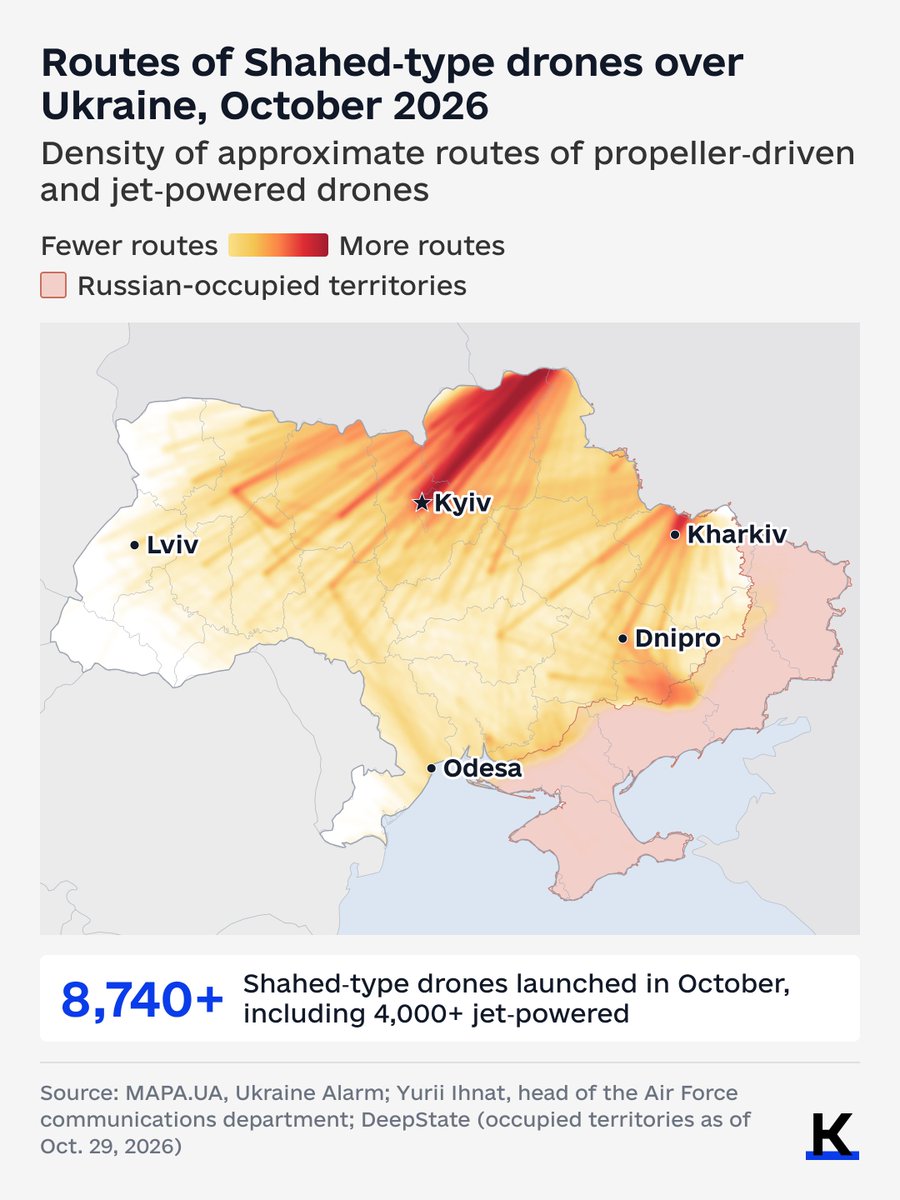
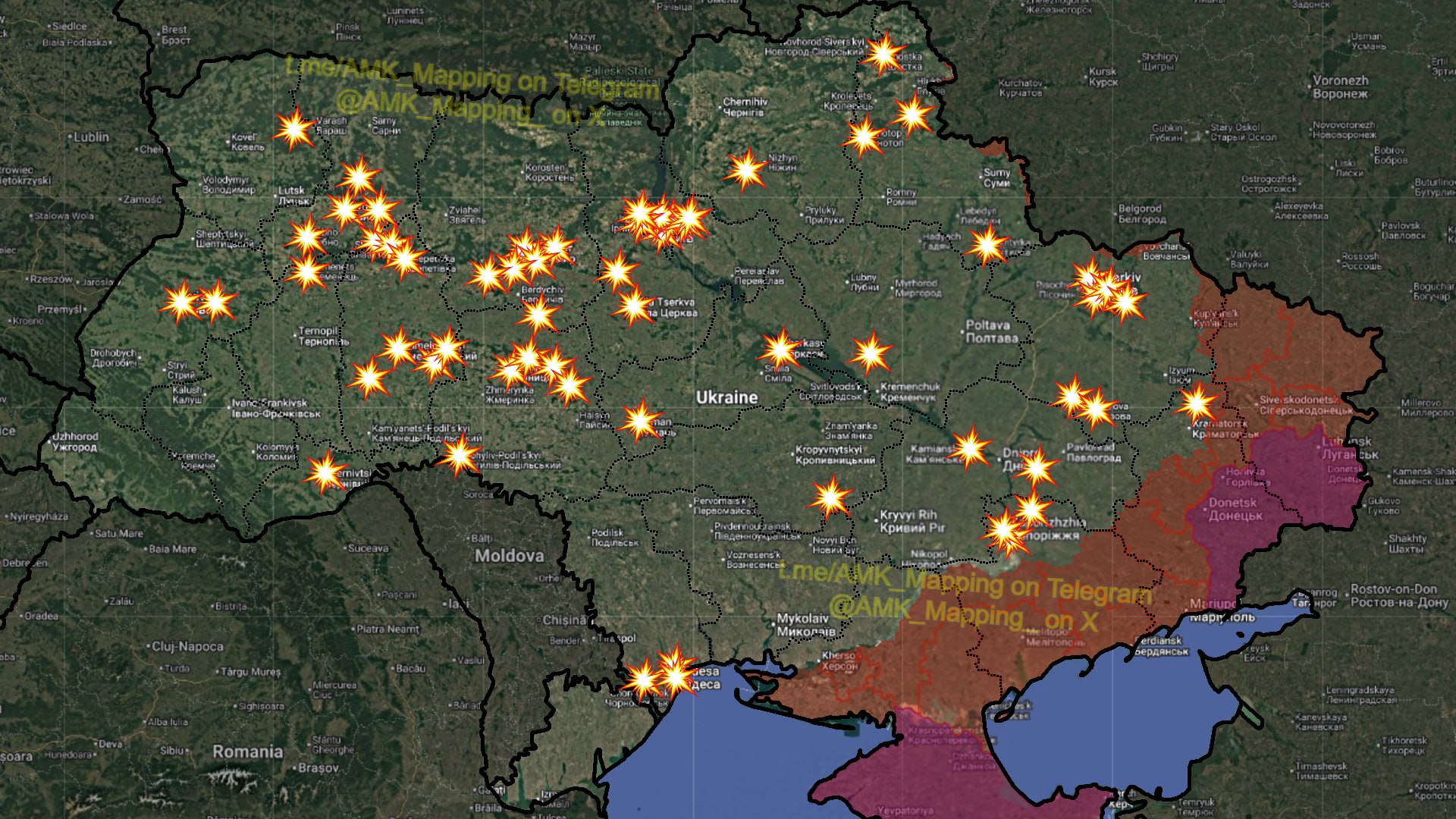
Earlier in the day, a massive drone offensive was launched from Russian territory, employing more than 1,400 Geran‑4/5 jet‑drones and Geran‑2 loitering munitions. The swarm, reported by the CIG_telegram channel (source), targeted infrastructure in 22 of Ukraine’s 24 regions, sparing only Kherson Oblast due to a localized cease‑fire. Dozens of cities experienced power outages as the drones struck electrical substations, transmission lines, and ancillary facilities. Ukrainian Air Force officials confirmed that the drones were intercepted in limited numbers, but the sheer volume overwhelmed air‑defence systems.
Key metrics of the operation include approximately 1,000 Geran‑2 drones and 400 Geran‑4/5 jet‑drones. The attack concluded after 48 hours, leaving extensive damage to the national grid and prompting emergency power rationing in several oblasts.
Targeted Strikes on Critical Infrastructure
Concurrent with the drone swarm, Russian forces executed precision rocket strikes on Kyiv’s power generation complex. According to monitor_the_situation (source), the attacks disabled three combined heat and power plants—CHP‑5, CHP‑6, and Darnytsia CHP—significantly reducing the capital’s electricity output. The loss of generation capacity heightens the risk of winter energy shortages, a strategic objective identified in Russian operational planning.
In the southern city of Kherson, a Russian drone struck a civilian hospital on the first day after a localized cease‑fire ended, as reported by the same channel (source). The strike caused structural damage but, fortunately, no casualties were confirmed in the immediate aftermath.
Ukrainian Counter‑UAV Operations
Ukrainian forces responded with their own unmanned systems. The Ronin Unmanned Systems Battalion of the 65th Separate Mechanized Brigade conducted UAV and first‑person‑view (FPV) drone strikes against Russian logistics in Zaporizhzhia Oblast, targeting transport vehicles, antenna arrays, and electronic‑warfare equipment (source). These attacks aimed to disrupt supply lines supporting the artillery barrage that killed the eighteen civilians earlier in the day.
Additional Ukrainian drone activity was recorded in Luhansk, where overnight strikes hit the city and the Luhansk Telephone Company, as detailed by monitor_the_situation (source). The operations demonstrate Ukraine’s expanding use of low‑cost, high‑precision UAVs to contest Russian air superiority and to degrade command‑and‑control nodes.
Ground Combat Dynamics
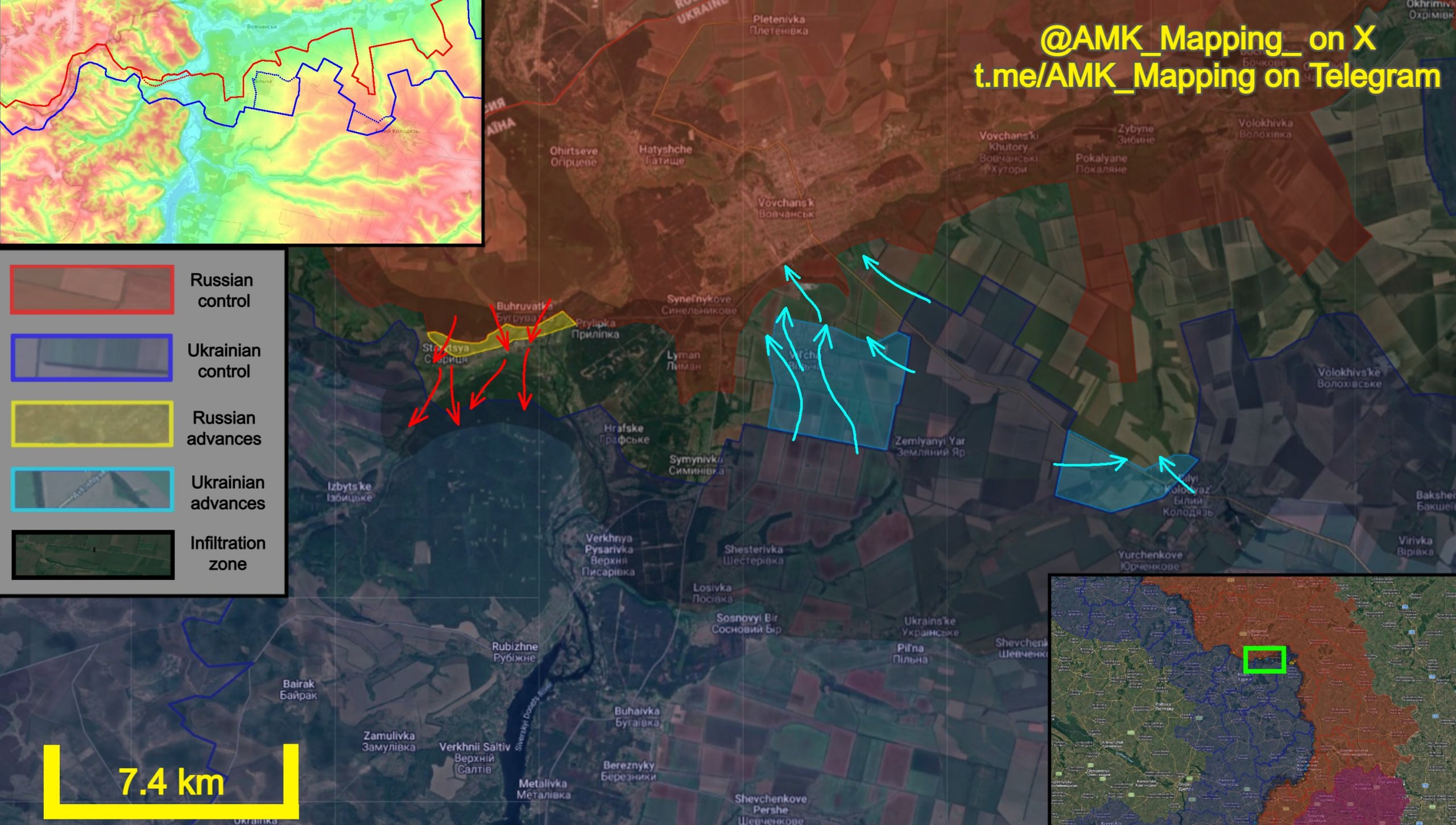
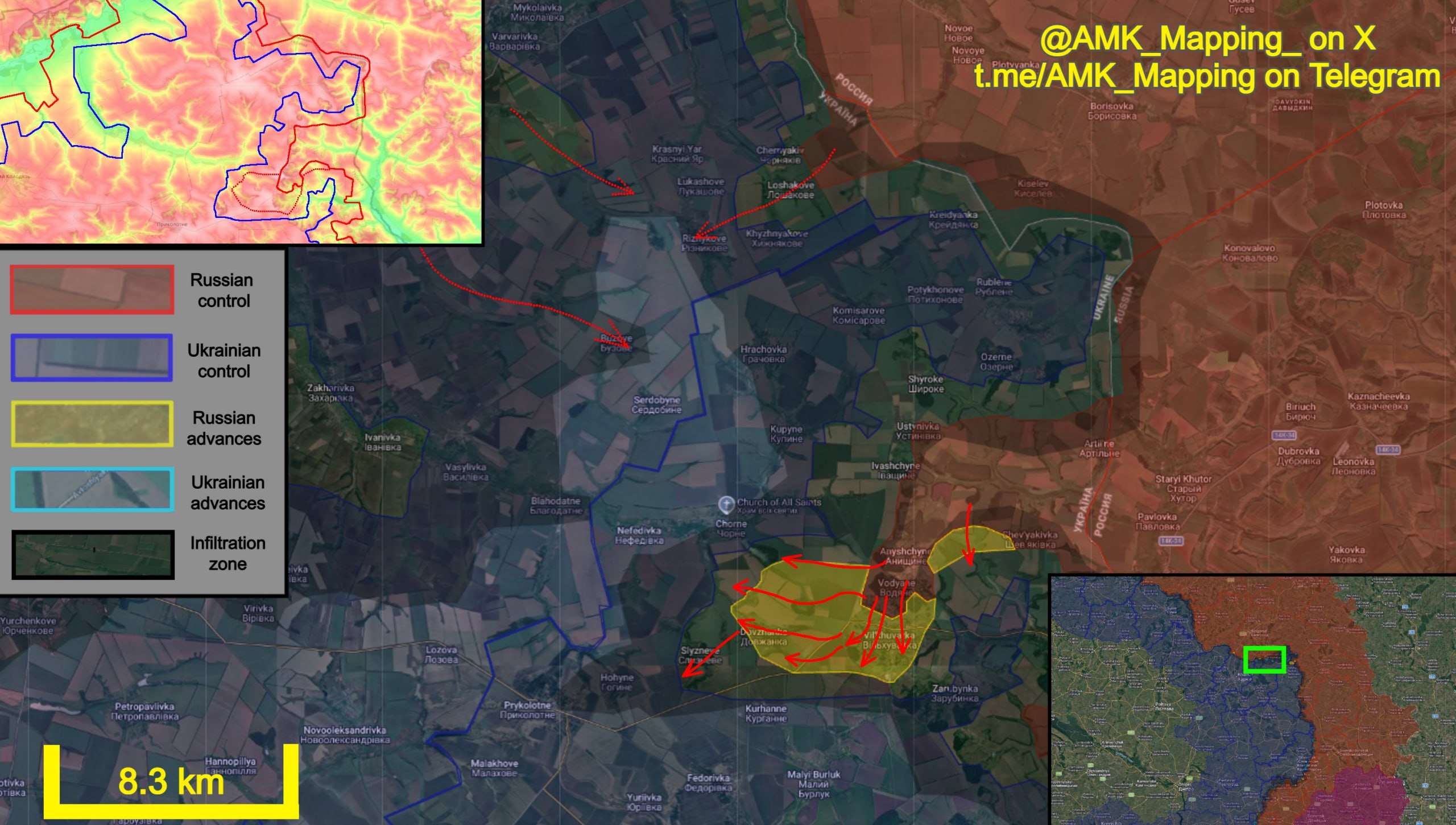
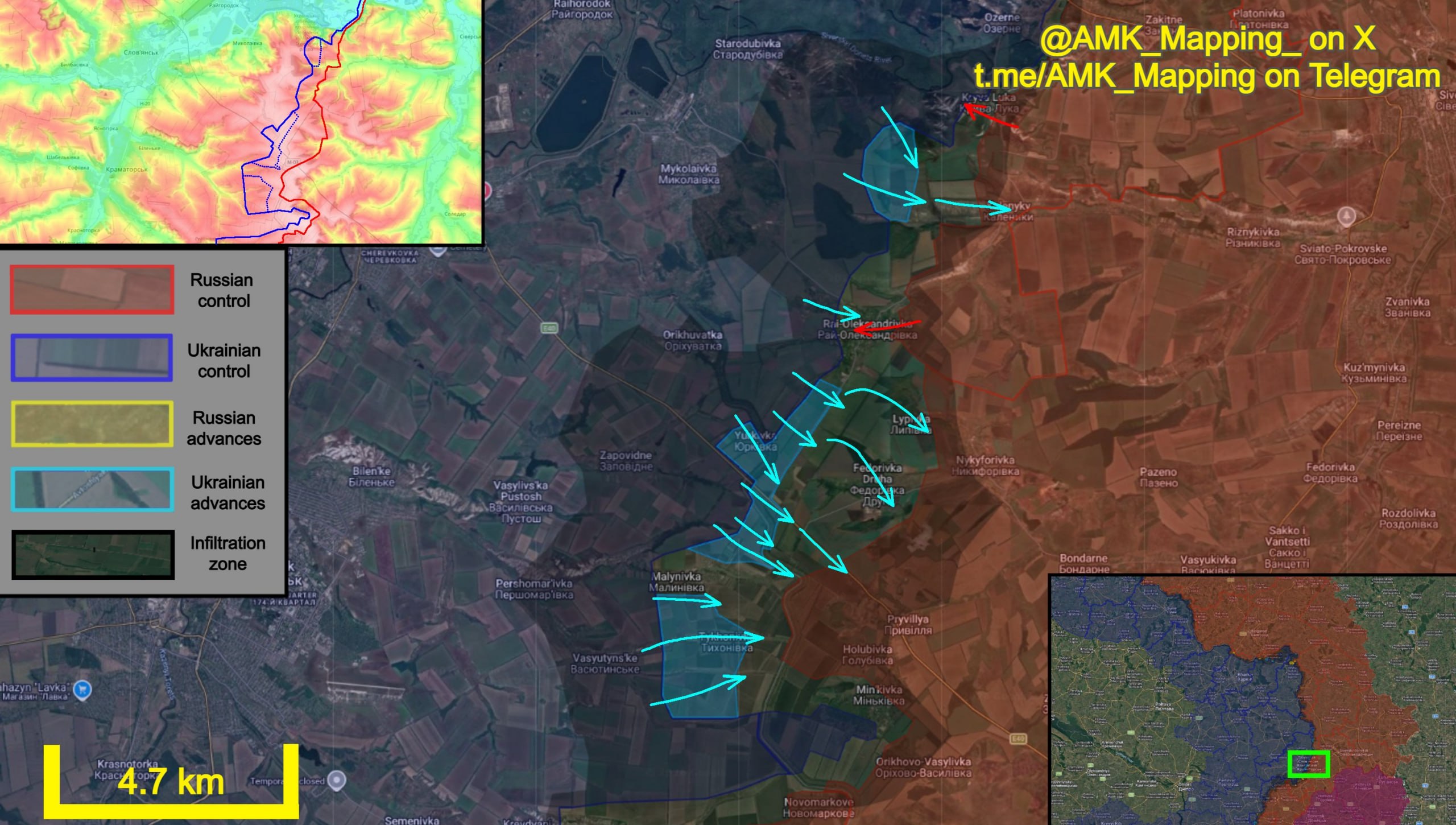
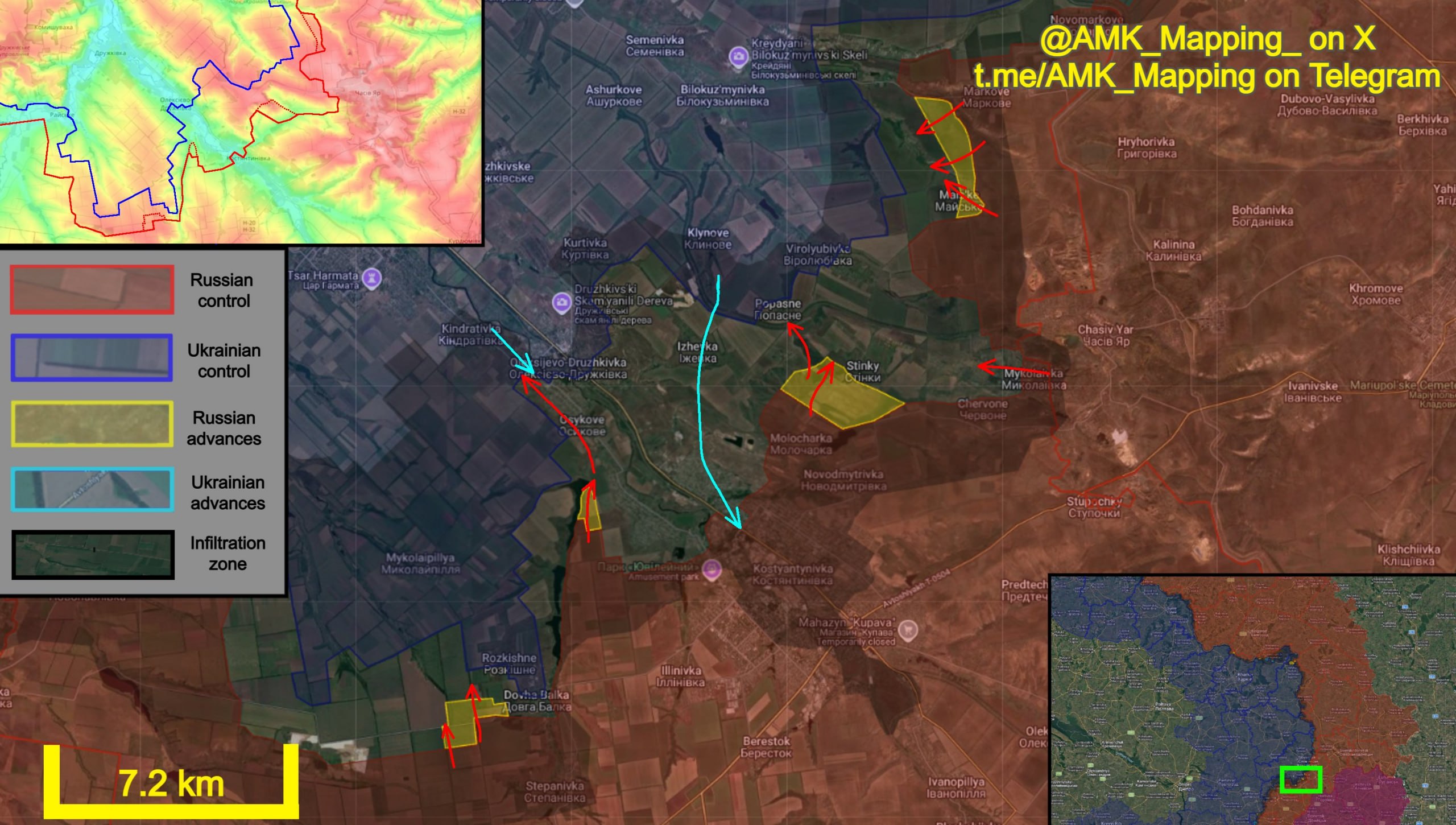
While kinetic air and artillery actions dominated the day, ground movements continued across multiple fronts. In Kharkiv Oblast, Russian forces recaptured positions around Staritsa and advanced toward Izbytske, while Ukrainian units retook Volcha and pushed toward Volchansk, securing the settlement of Bely Kolodez (source). Simultaneously, Russian troops made incremental gains near Vodyanoe, capturing Olkhovatka and Dolzhanka, though much of the salient remains contested.
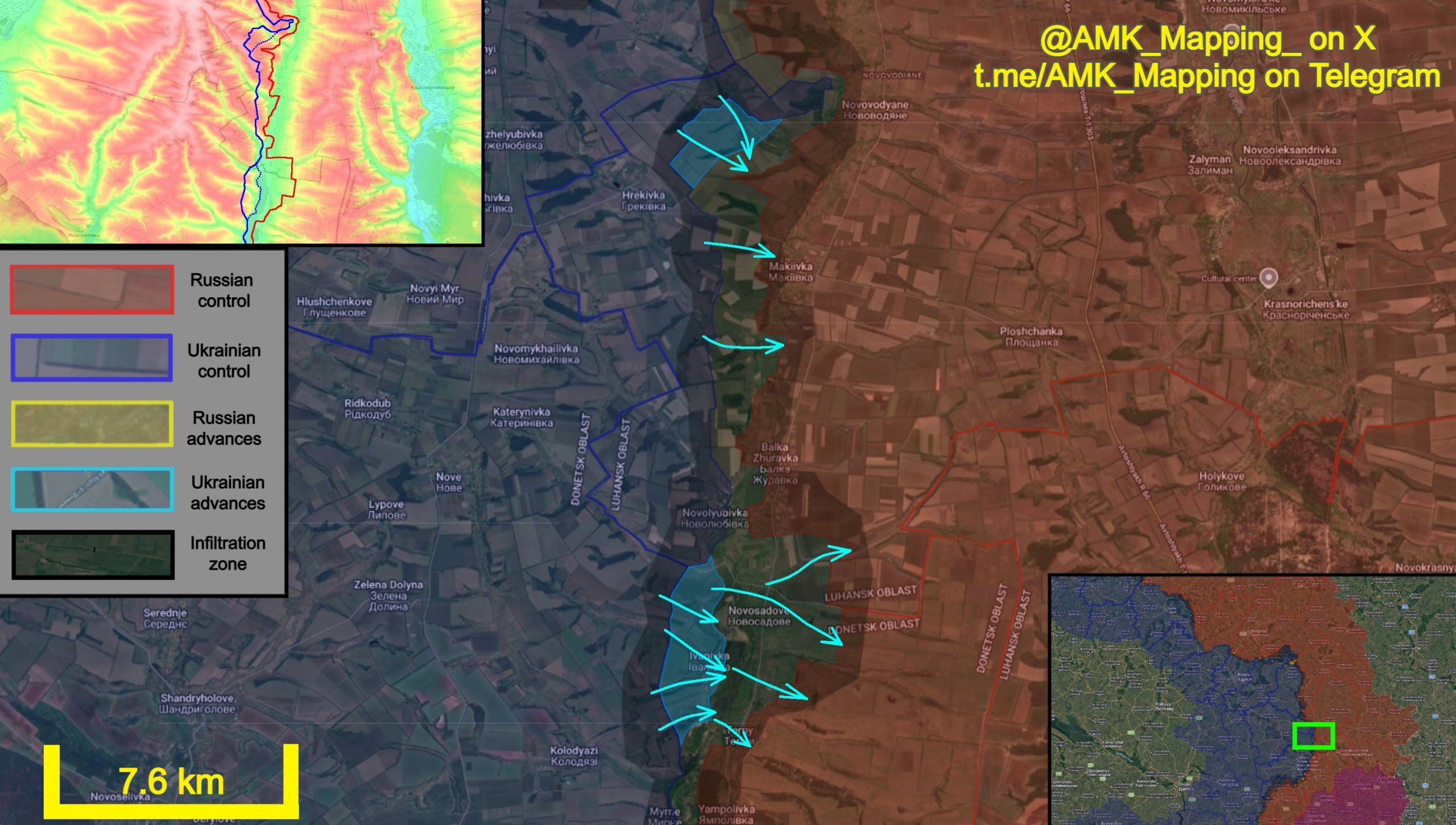
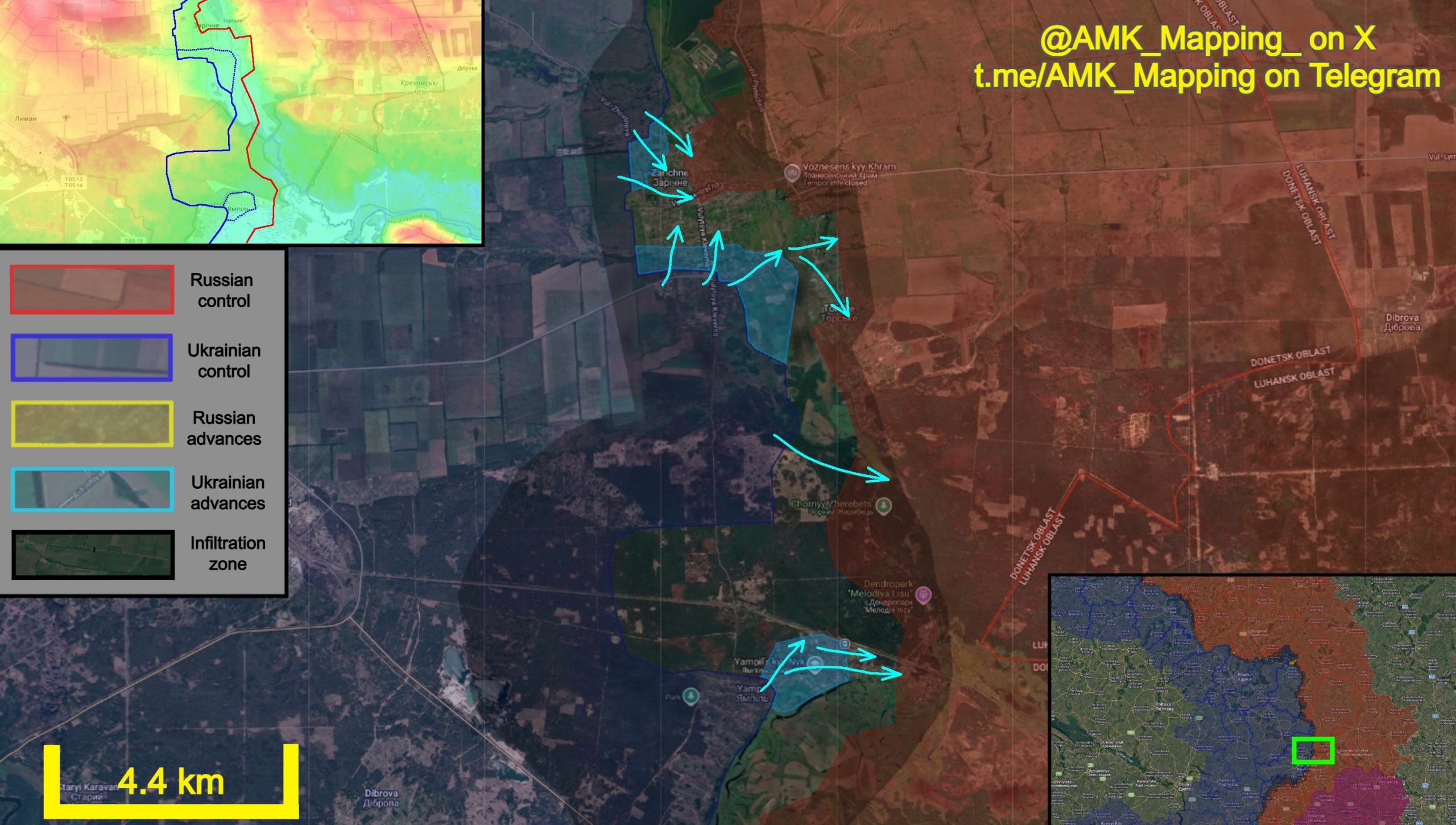
Further north, Ukrainian forces reported advances northeast of Krasny Lyman in Donetsk Oblast, seizing the villages of Ivanovka, Yampol, and Zarechnoe, and conducting limited river‑crossings over the Zherebets River (source). These gains reflect the ongoing counter‑offensive aimed at eroding Russian defensive belts established during the 2022 invasion.
Collectively, the events of 2 Nov 2026 illustrate a multi‑dimensional kinetic environment in Ukraine, where artillery, rockets, drones, and ground forces operate in concert. The high casualty count from the Zaporizhzhia shelling underscores the human cost of sustained artillery campaigns, while the Geran drone swarm highlights a shift toward mass‑scale unmanned attacks designed to cripple critical infrastructure. Ukrainian defensive and offensive UAV operations demonstrate adaptive tactics that seek to offset Russian air‑dominance and logistical advantages.