On 2 November 2026, an Israeli airstrike in the Gaza Strip killed at least three Palestinians and wounded several others, according to health officials in the enclave. The strike, reported by the Telegram channel monitor_the_situation at 08:31:19, marks the latest civilian casualty in a series of operations that have brought the total Palestinian death toll since the ceasefire to 1,580.
Details of the high‑severity strike
The strike’s exact coordinates were not disclosed, but health officials confirmed three civilian deaths and multiple injuries. No military target was identified in the channel’s brief, and the report did not specify the weapon system used. The incident underscores the continued risk to non‑combatants despite the ceasefire announced earlier in the year.
“Israeli strikes killed at least three Palestinians and wounded several others in the Gaza Strip on Monday, according to territory’s health officials.” – monitor_the_situation, https://t.me/monitor_the_situation/40605
Concurrent IDF operations against Hamas militants
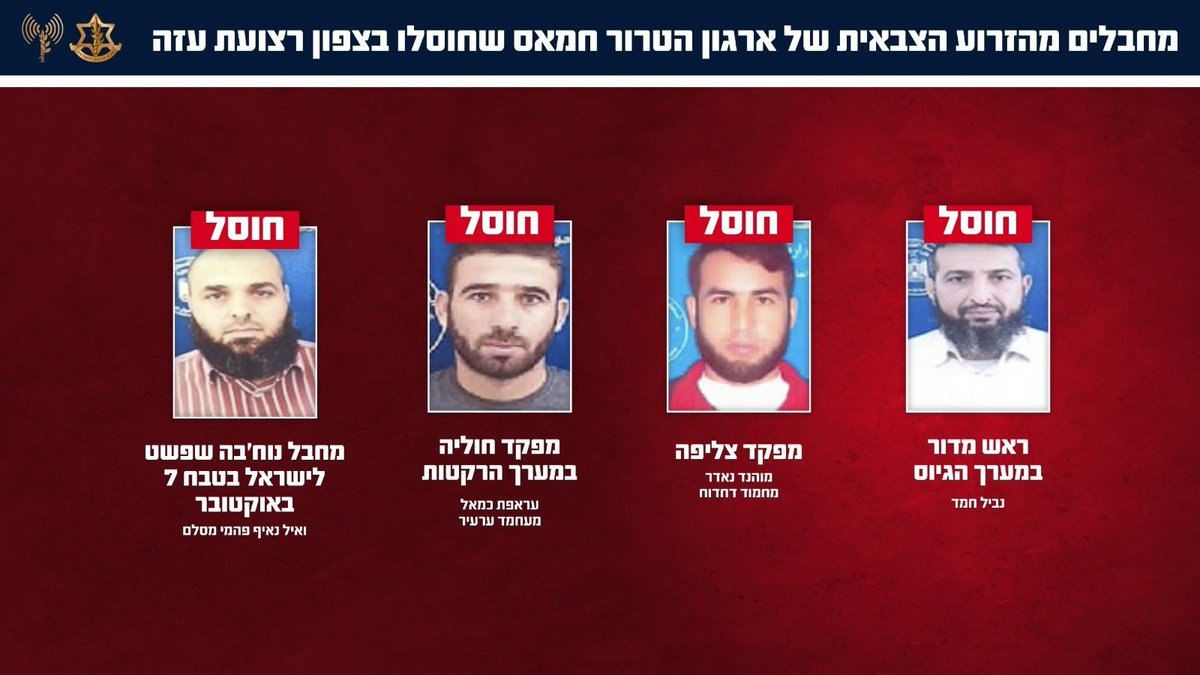
Within the same day, the Israeli Defense Forces (IDF) conducted several targeted airstrikes against Hamas operatives. At 07:28:35, the Israeli Air Force hit three locations in the northern Gaza Strip, killing four Hamas members, including a recruitment department head and a sniper commander. The operation was reported by monitor_the_situation and included a photo of the aftermath.
Later, at 08:42:27, the Israeli Air Force struck three militants in the Zaytoun neighbourhood of Gaza City, as reported by the idkunim_il channel. The brief noted that the targets were “three militants” but did not provide casualty figures beyond the combatants.
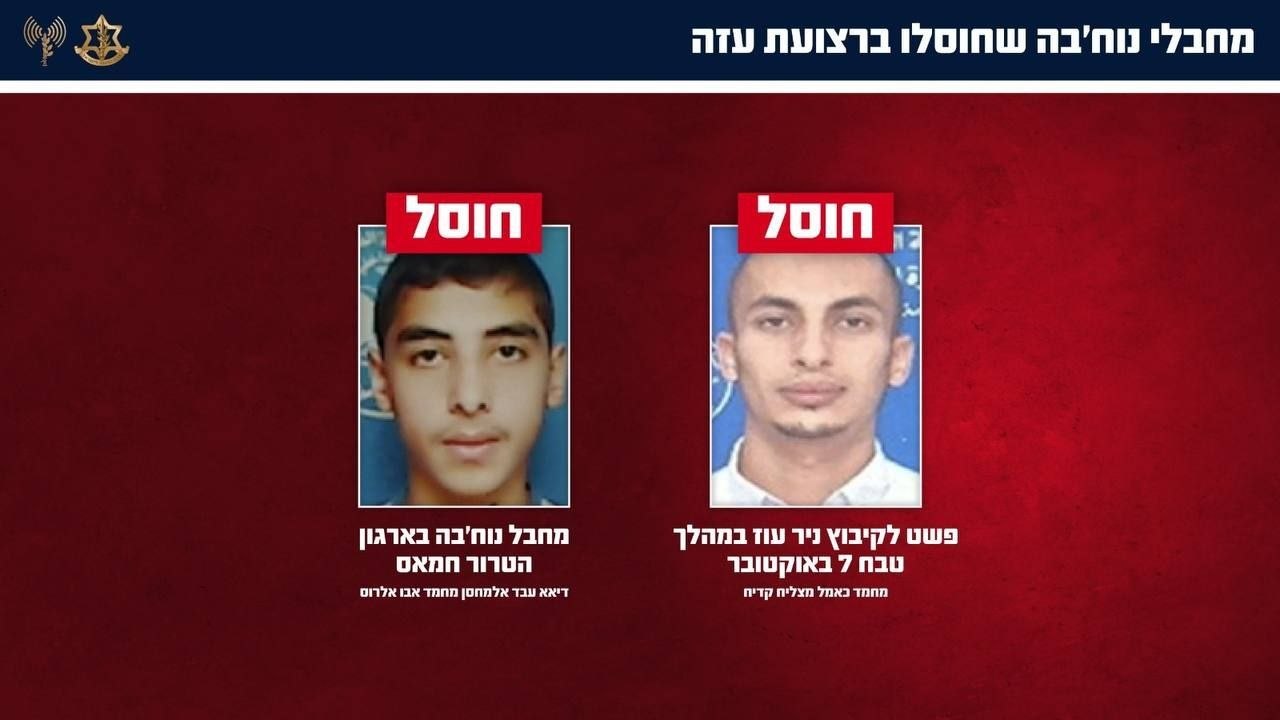
In the southern Gaza Strip, the IDF also announced the elimination of two Nuhba militants, one of whom participated in the October 7 Nir Oz massacre. The claim was posted by idkunim_il at 06:19:48 and accompanied by a photograph of the site.
On the West Bank, the IDF reported the killing of four Hamas terrorists—including two Nukhba members and a sniper commander—during airstrikes across Gaza on 2 November, referencing an earlier operation on 1 November. The JPost article, dated 12:01:14, highlighted that one of the deceased was an infiltrator from Nir Oz.
Ground movements in Hebron
Parallel to the aerial campaign, Israeli ground forces withdrew from Hebron in the West Bank after a week‑and‑a‑half of heightened activity. The monitor_the_situation channel posted at 06:17:17 that the withdrawal allowed displaced families to return home, a claim echoed by the Hebron governor Khaled Dudin. A video accompanying the post showed IDF vehicles leaving the city.
Earlier, at 08:08:28, the idkunim_il channel confirmed that IDF troops had completed their operations and left Hebron, marking the end of the latest round of incursions in the area.
Operational patterns and weaponry
All reported incidents involved airstrikes carried out by the Israeli Air Force or IDF aircraft. No specific weapon systems (e.g., missiles, bombs) were identified in the source material, and the reports did not mention the use of ground artillery or drones. The absence of detailed weapon data limits precise assessment of escalation levels, but the frequency of strikes—six separate air operations within a twelve‑hour window—indicates a sustained kinetic posture.
Humanitarian impact
The civilian death toll from the 08:31:19 strike brings the cumulative Palestinian casualties since the ceasefire to 1,580, according to Gaza health authorities. The reports do not provide numbers for the wounded in that specific incident, but the phrase “several others” suggests additional non‑fatal injuries that will likely strain already limited medical resources.
Targeted killings of Hamas operatives, while reducing the militant leadership, have not halted the broader pattern of violence. The elimination of a recruitment head and a sniper commander may disrupt Hamas operational capacity in the short term, but the continued presence of high‑profile militants in Gaza underscores the resilience of the organization.
Source verification
All events are drawn from open‑source Telegram channels and a mainstream Israeli newspaper. The monitor_the_situation channel is a widely cited source for real‑time conflict updates, while idkunim_il provides localized reporting from within Gaza and the West Bank. The JPost article offers corroborated details on the identities of the Hamas terrorists killed.
Given the reliance on channel‑based reporting, verification remains contingent on cross‑checking with independent observers and humanitarian agencies. No contradictory reports were identified at the time of writing.
Conclusion
The day’s kinetic events illustrate a dual strategy by the Israeli military: sustained aerial pressure on Hamas infrastructure in Gaza combined with a calibrated withdrawal from contested West Bank locales. While the targeted elimination of militants may achieve short‑term tactical objectives, the civilian casualties in Gaza highlight the ongoing humanitarian cost of the conflict.