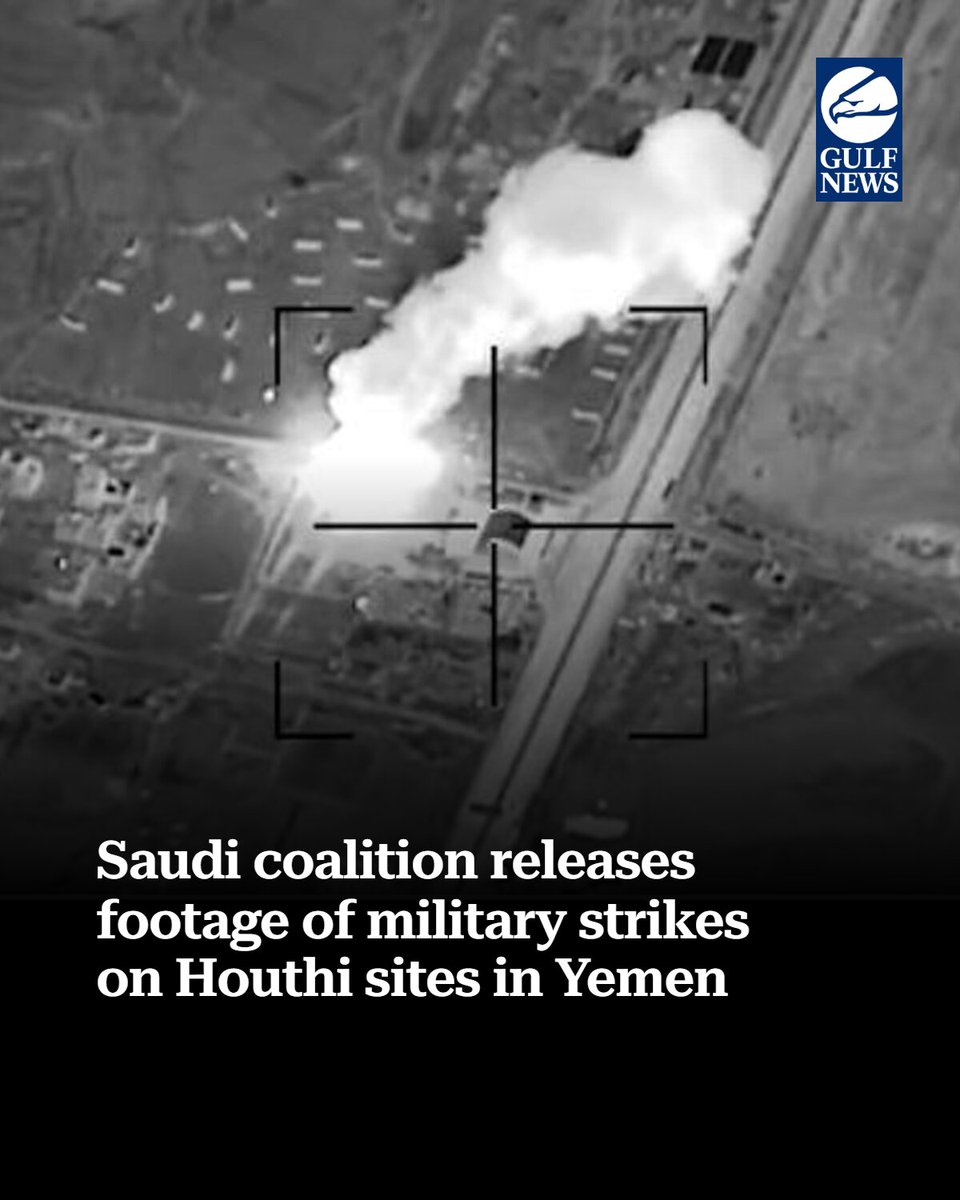
Saudi forces launched two coordinated airstrikes on the commercial hub of Ras Issa port in Hodeidah Governorate at 17:54 GMT on 1 November 2026, marking the most significant kinetic event recorded in Yemen for the day.
Ras Issa Port Airstrikes
The strikes were reported by the monitoring channel GeoPWatch, which cited footage broadcast by Ansarullah's Al‑Masirah TV. According to the source, two separate munitions were released against the port facilities, targeting what the coalition described as “logistical nodes used by Houthi forces.” No casualty figures were released in the immediate aftermath, and the reports did not specify the type of ordnance employed, indicating a likely use of precision‑guided munitions consistent with prior coalition operations. The incident underscores the coalition’s focus on disrupting maritime supply routes that support the Houthi war effort.
"GeoPWatch confirms two airstrikes on Ras Issa port, citing Al‑Masirah TV as the primary source of visual evidence," GeoPWatch, 1 Nov 2026.
Coalition Strikes in Hodeidah and Dhamar
Earlier, at 16:32 GMT, the Saudi‑led coalition released video footage of airstrikes against identified Houthi military installations in both Hodeidah and Dhamar provinces. The footage, posted on the Telegram channel monitor_the_situation, showed aircraft deploying munitions on what appeared to be ammunition depots and command centres. A single photograph accompanying the release depicted smoke rising from a targeted site in Dhamar. As with the Ras Issa operation, casualty numbers were not disclosed, and the coalition did not enumerate the weapon systems used, though the visual signatures suggest the employment of cruise missiles and laser‑guided bombs. The dual‑province focus reflects a broader strategic pattern of applying pressure on Houthi supply chains in the north‑west and central highlands.
"The coalition’s latest footage shows precision strikes on Houthi assets in Hodeidah and Dhamar," monitor_the_situation, 1 Nov 2026.
Yemeni Government Gains in Al Jawf
In a separate kinetic development, Yemeni government forces announced the capture of strategic positions and the seizure of weapons and ammunition depots in Al Jawf Governorate at 10:08 GMT. The report, published by Al Jazeera, described a coordinated counter‑offensive that reclaimed several high‑ground outposts previously held by Houthi militias. While the statement did not provide exact figures for personnel or materiel captured, it emphasized the tactical importance of the reclaimed terrain for securing supply routes toward the northern border with Saudi Arabia. No civilian casualties were reported, and the operation was presented as a “significant step” in the government’s broader campaign to re‑establish control over the northern provinces.
"Yemeni government forces seize strategic positions in al‑Jawf," Al Jazeera, 1 Nov 2026.
Operational Context and Analysis
The three events recorded on 1 November illustrate a synchronized escalation of kinetic activity across multiple fronts in Yemen. The coalition’s airstrikes in Hodeidah and Dhamar, coupled with the targeted assault on Ras Issa port, demonstrate a continued emphasis on degrading Houthi logistical capacity, particularly maritime channels that facilitate the flow of weapons and commercial goods. Simultaneously, the Yemeni government’s ground advance in Al Jawf signals a complementary push to reclaim territory that can serve as a buffer against cross‑border incursions and as a staging ground for further operations.
From an analytical perspective, the timing of the Ras Issa strikes—late in the afternoon—suggests an intent to disrupt any scheduled cargo movements before the port’s nightly shutdown, thereby maximizing economic impact. The lack of publicly released casualty data may reflect either a genuine absence of civilian harm or a strategic decision by the coalition to limit information that could fuel international criticism. The use of precision‑guided weapons, inferred from visual evidence, aligns with the coalition’s stated policy of minimizing collateral damage while achieving decisive strikes on high‑value targets.
The ground operation in Al Jawf, while described in limited detail, indicates a shift from purely defensive posturing to proactive territorial reclamation by government forces. Seizing weapons depots not only deprives Houthi fighters of ammunition but also provides the government with material that can be redistributed to front‑line units. This development may alter the balance of power in the northern theater, potentially prompting the Houthi command to reallocate forces to defend against further incursions.
Implications for the Conflict Trajectory
Collectively, these kinetic events reinforce the multi‑dimensional nature of the Yemen conflict in 2026, where air power, maritime interdiction, and ground offensives operate in concert. The continued focus on Hodeidah—a critical port for humanitarian aid and commercial trade—raises concerns about the humanitarian corridor’s viability, even as the coalition asserts that precision strikes are aimed at military targets. Observers should monitor subsequent reports for any emergence of civilian casualty figures, shifts in Houthi defensive postures, and the government’s ability to sustain momentum in Al Jawf without overextending its logistical lines.
In the short term, the coalition is likely to maintain pressure on Houthi supply nodes, while the Yemeni government may seek to capitalize on its recent gains by advancing toward additional strategic locations in the north‑west. The interplay between aerial interdiction and ground advances will shape the conflict’s operational tempo and could influence diplomatic calculations by regional actors and international mediators.