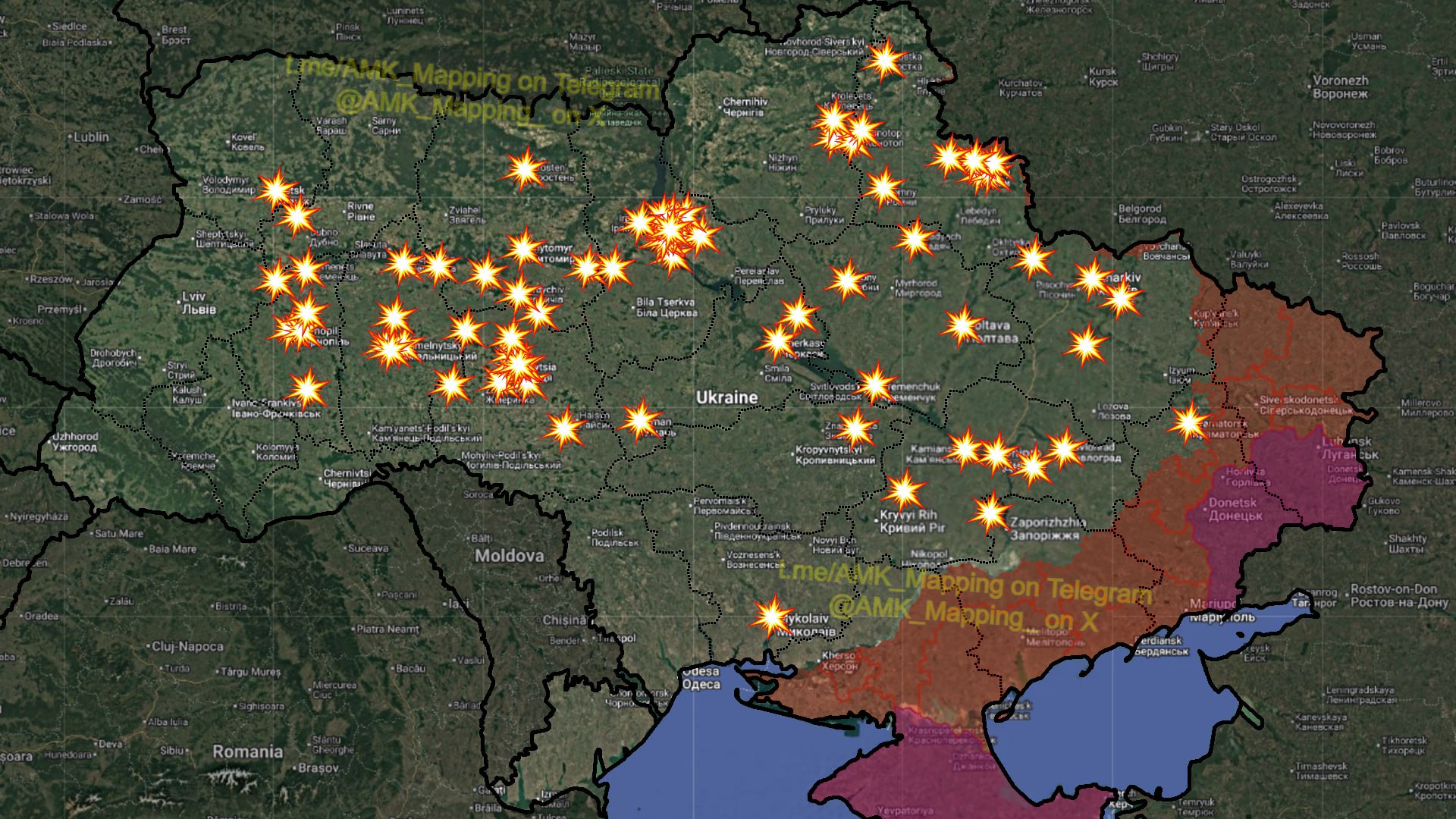
On 1 November 2026, Russian forces escalated kinetic operations in Ukraine with a large‑scale unmanned aerial vehicle (UAV) campaign that targeted critical energy and transport nodes in the western oblasts of Ternopil and Lviv. The attack, reported by the CIG_telegram channel, involved hundreds of Geran‑2 loitering munitions and Geran‑4/5 jet‑drones deployed over a 16‑hour window. Explosions were recorded in multiple locations, including Chortkiv, Smykivtsi, Ternopil City, Kremenets and Pidkamin. No casualty figures were released at the time of reporting, but the strikes disrupted electricity supply and railway operations across the affected districts.
Source: CIG_telegram, https://t.me/CIG_telegram/86400
Key details of the UAV offensive
Weapons used: Geran‑2 loitering munitions and Geran‑4/5 jet‑drones.
Targets: Electrical substations and railway infrastructure in at least five locations.
Organizations involved: Russian military command; Ukrainian civil‑defence and infrastructure operators responded to the attacks.
Geographic focus: Ternopil Oblast (Chortkiv, Smykivtsi, Ternopil City, Kremenets) and Lviv Oblast (Pidkamin).
Source channel: CIG_telegram.
Russian ground advance near Kostyantynivka, Donetsk Oblast
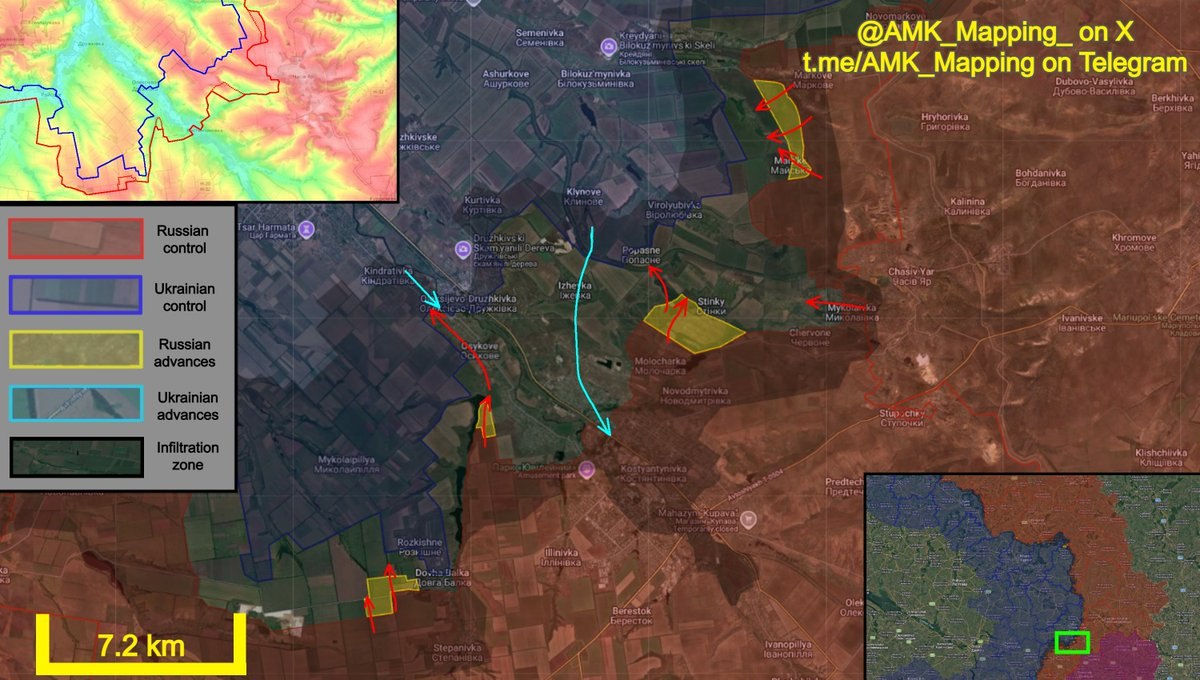
At 08:25 UTC, the monitor_the_situation channel reported that Russian forces made incremental gains on the flanks of Kostyantynivka in Donetsk Oblast. Over the preceding two weeks, Russian units captured most of the village of Maiske and pushed westward of Chasiv Yar, consolidating a modest foothold in the sector. The advance did not involve reported use of heavy weaponry, and casualty numbers were not disclosed.
Source: monitor_the_situation, https://t.me/monitor_the_situation/40458
Ukrainian counter‑offensive near Lyman, Donetsk Oblast
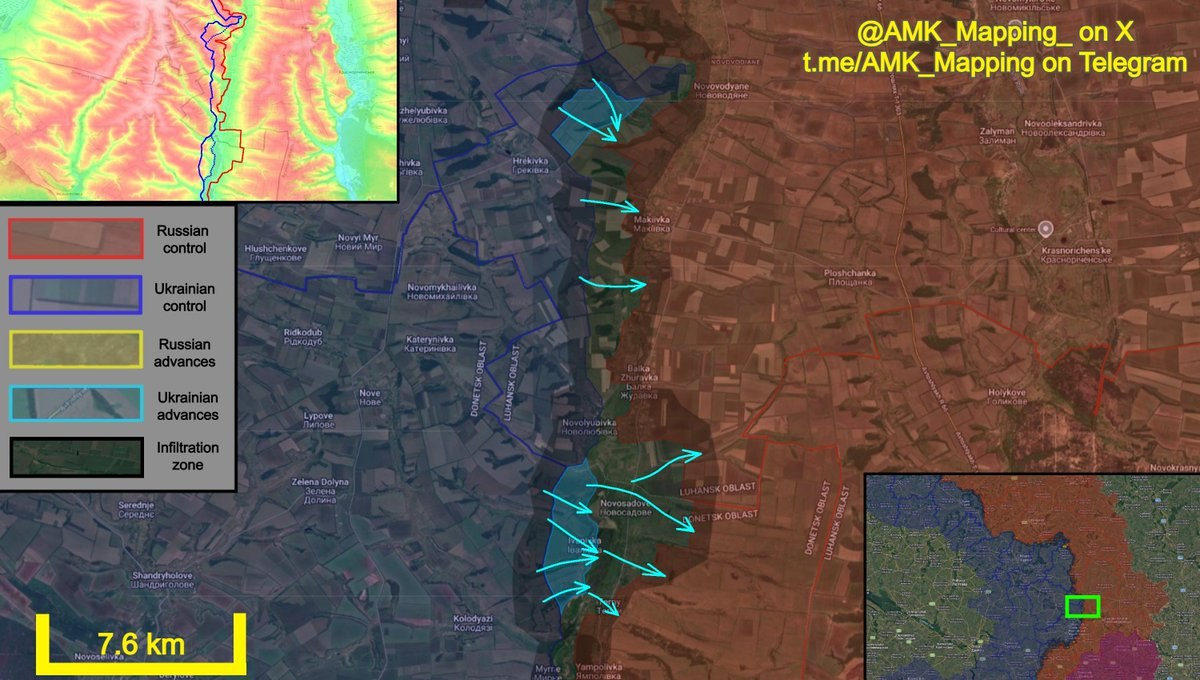
Earlier in the day, at 07:30 UTC, Ukrainian forces reported a successful northeastward push from Lyman, crossing the Zherebets River and seizing the villages of Terny and Novosadove. The operation covered approximately 12.6 km² of territory. No specific weapons systems were cited, and the report did not include casualty figures. The advance was documented by the AMK_Mapping account on X.
Source: monitor_the_situation, https://t.me/monitor_the_situation/40451
Intense fighting around Vovchansk, Kharkiv Oblast
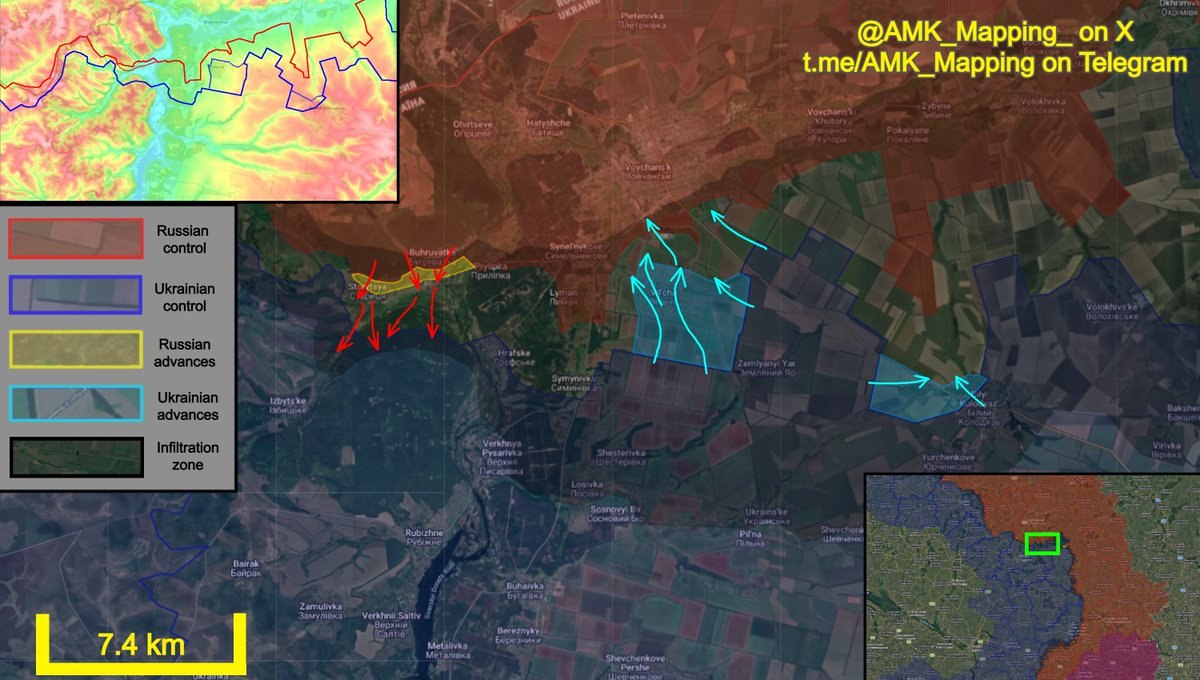
At 06:57 UTC, monitor_the_situation indicated ongoing assault operations near Vovchansk involving both Russian and Ukrainian forces. Russian troops reclaimed positions in the villages of Starytsya, while Ukrainian units retook Vilcha and continued advancing toward Vovchansk itself. The engagements were described as “assault operations” in the Bilyi Kolodyaz and Ternova directions. No artillery or missile systems were explicitly mentioned, and casualty data remained unreported.
Source: monitor_the_situation, https://t.me/monitor_the_situation/40447
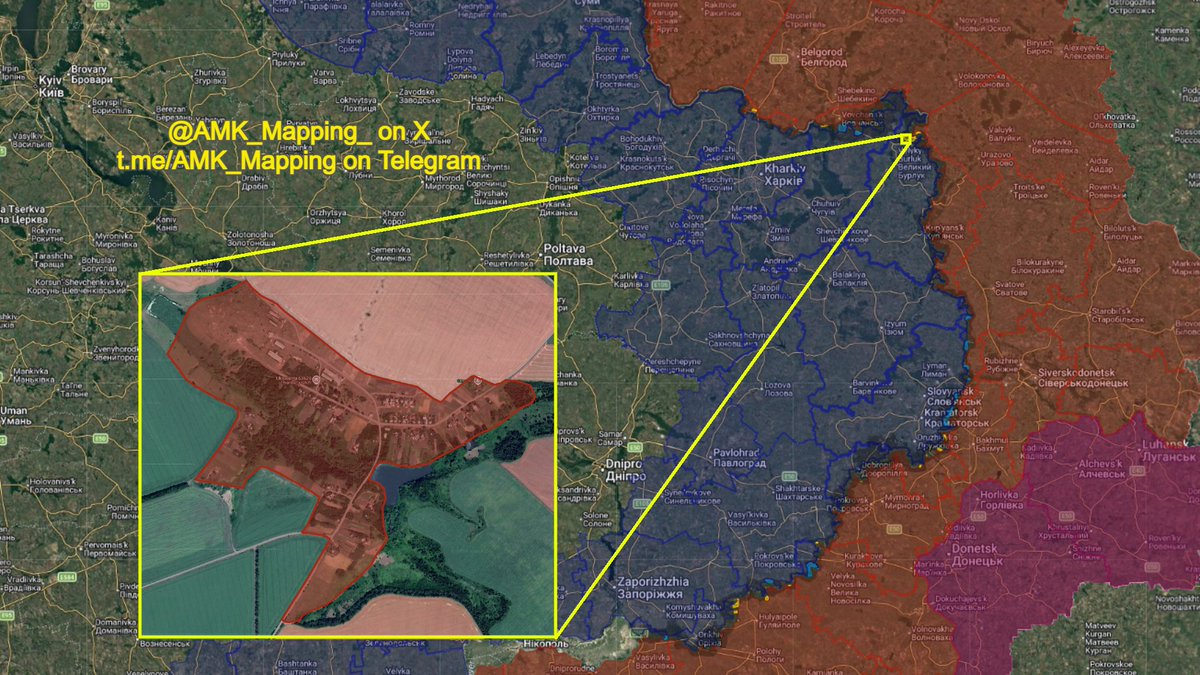
Russian capture of Dovzhanka, Kharkiv Oblast
At 06:30 UTC, Russian forces seized the village of Dovzhanka in the Velykyi Burluk direction of Kharkiv Oblast. The settlement, with a pre‑war population of roughly 193, was taken after a brief engagement. The report, also from monitor_the_situation, did not specify weaponry or casualties.
Source: monitor_the_situation, https://t.me/monitor_the_situation/40444
Collectively, these events illustrate a dual‑track approach by Russian forces: a high‑intensity aerial campaign aimed at degrading Ukraine’s critical infrastructure in the west, coupled with incremental ground advances in the east and north‑east. Ukrainian forces continue to conduct localized counter‑offensives, particularly around Lyman, demonstrating resilience despite the broader pressure from aerial attacks.