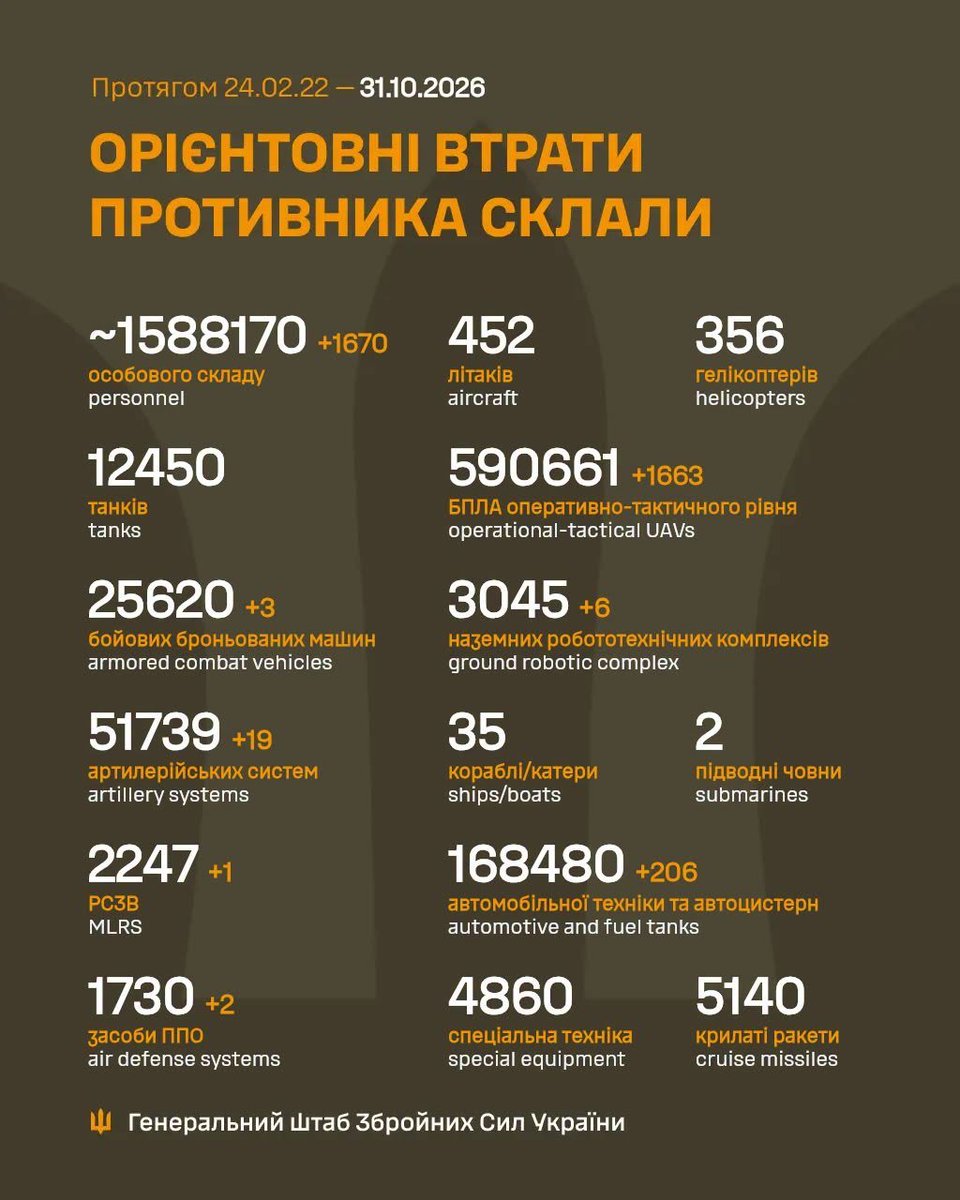
The Ukrainian General Staff released a critical assessment on 31 October 2026, stating that Russian forces suffered 1,670 personnel fatalities and the loss of 1,663 unmanned aerial vehicles (UAVs) in a single day. The report, posted on the Telegram channel monitor_the_situation, underscores a sharp escalation in aerial combat and highlights the growing effectiveness of Ukrainian anti‑air defenses.
🟡 Ukrainian General Staff Reports Russian Losses – 1,670 personnel, 1,663 UAVs lost. Source: https://t.me/monitor_the_situation/40332
Strategic Impact of Russian UAV Attrition
The scale of UAV losses suggests a systemic degradation of Russia’s reconnaissance and strike capabilities. UAVs, particularly Shahed and Geran‑4 platforms, have been central to Russia’s “silent strike” doctrine, providing real‑time targeting data for artillery and missile units. The depletion of over 1,600 drones in one day likely constrains Russian situational awareness across the front lines, forcing a reliance on manned aircraft and ground‑based sensors.
Ukrainian Missile Strikes Target High‑Value Air Assets
President Volodymyr Zelenskyy confirmed two precision missile strikes that destroyed two Russian Su‑34 fighter‑bombers and damaged an Iskander ballistic‑missile launcher. The strikes, reported by monitor_the_situation, demonstrate Ukraine’s capacity to engage high‑value Russian air assets deep within occupied territory.
Zelenskyy confirmed destruction of two Su‑34s and hit on an Iskander launcher. Source: https://t.me/monitor_the_situation/40331
Escalation of Drone Warfare on Both Sides
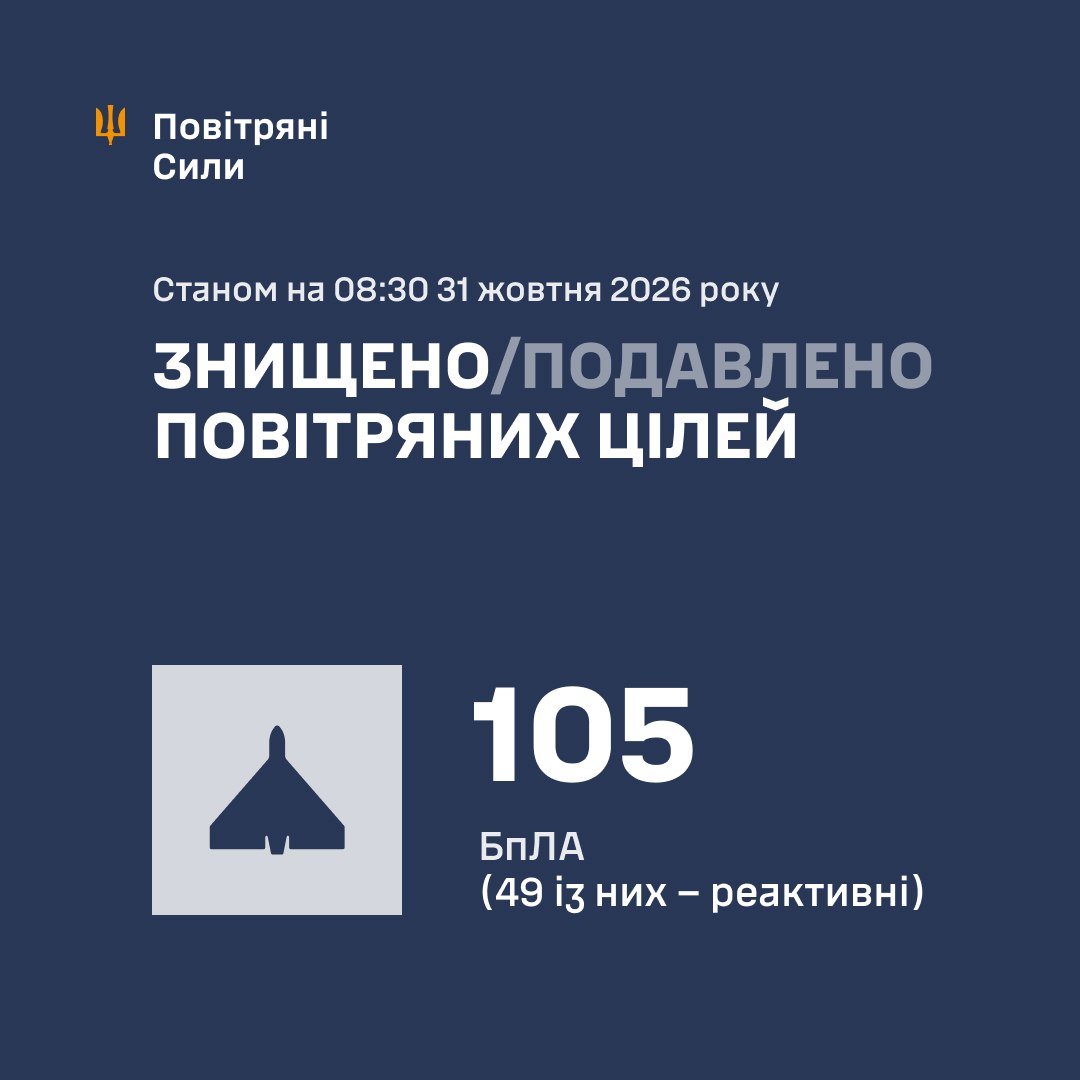
Drone activity intensified across the conflict zone on 31 October. Russia launched a swarm of 134 drones, including 72 Shahed models, against Ukrainian targets overnight. Ukrainian air defenses reported shooting down or suppressing 105 of these drones, with impacts recorded at 20 locations.
Russia Launches 134 Drones at Ukraine Overnight – 105 downed, 20 impact sites. Source: https://t.me/monitor_the_situation/40333
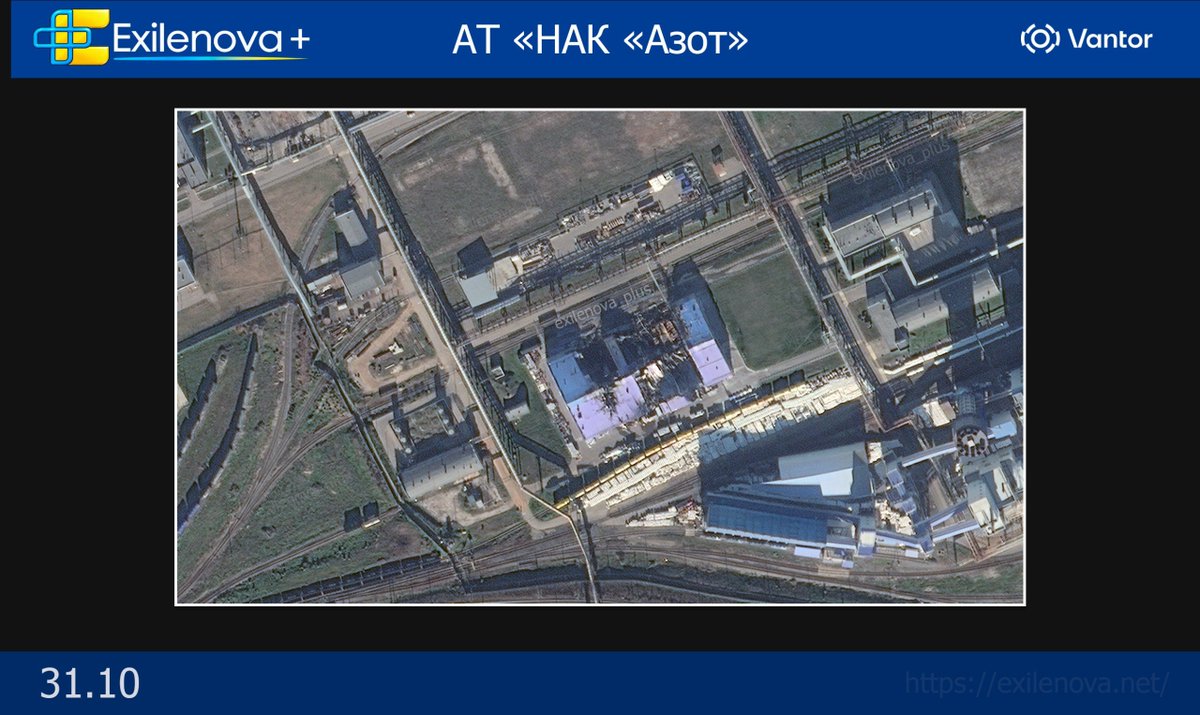
Conversely, Ukrainian forces employed long‑range drones to strike strategic infrastructure inside Russia. On 28 October, Ukrainian drones destroyed a warehouse of ammonium nitrate at the Novomoskovsk Azot chemical plant in Tula Oblast, a target that could have posed a secondary explosive hazard.
Ukrainian long‑range drones destroyed ammonium nitrate warehouse at Novomoskovsk Azot Plant. Source: https://t.me/monitor_the_situation/40351
Additional Ukrainian drone operations on 31 October included:
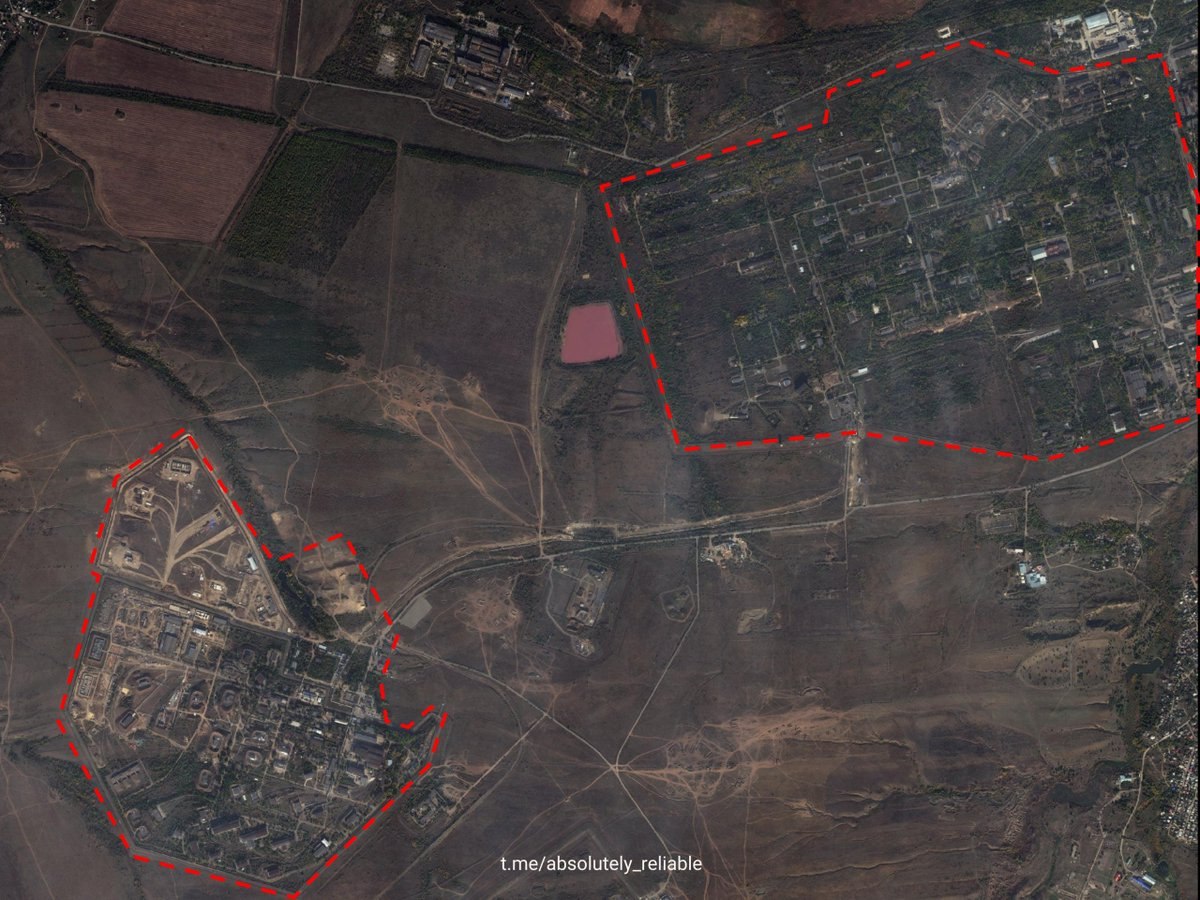
- A strike on the Kamensky rocket‑fuel plant in Kamensk‑Shakhtinsky, Rostov Oblast, using strike drones and Neptune missiles, igniting a warehouse and damaging four production workshops.
Ukraine strikes Russian rocket‑fuel plant with drones and Neptune missiles. Source: https://t.me/monitor_the_situation/40345
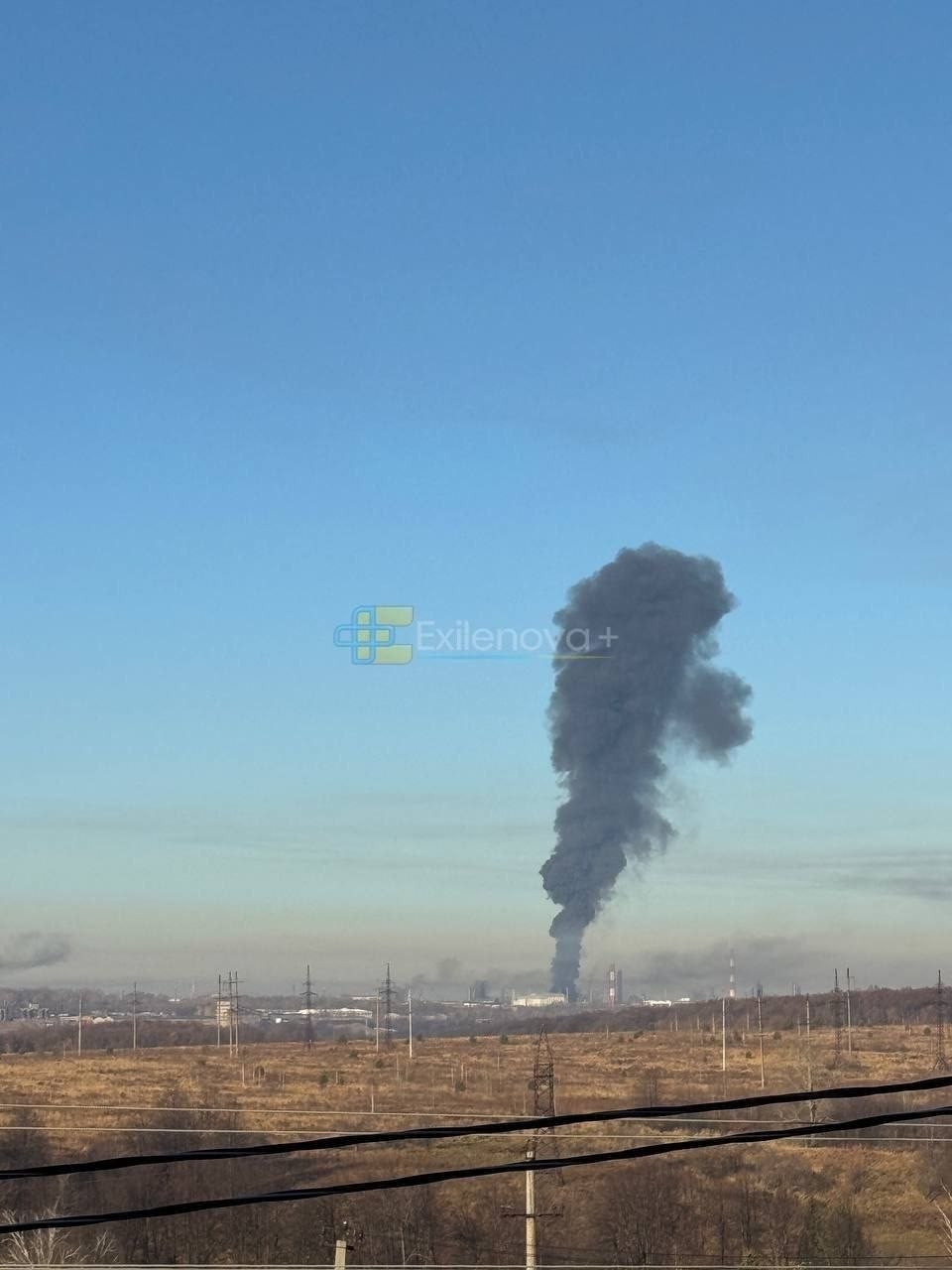
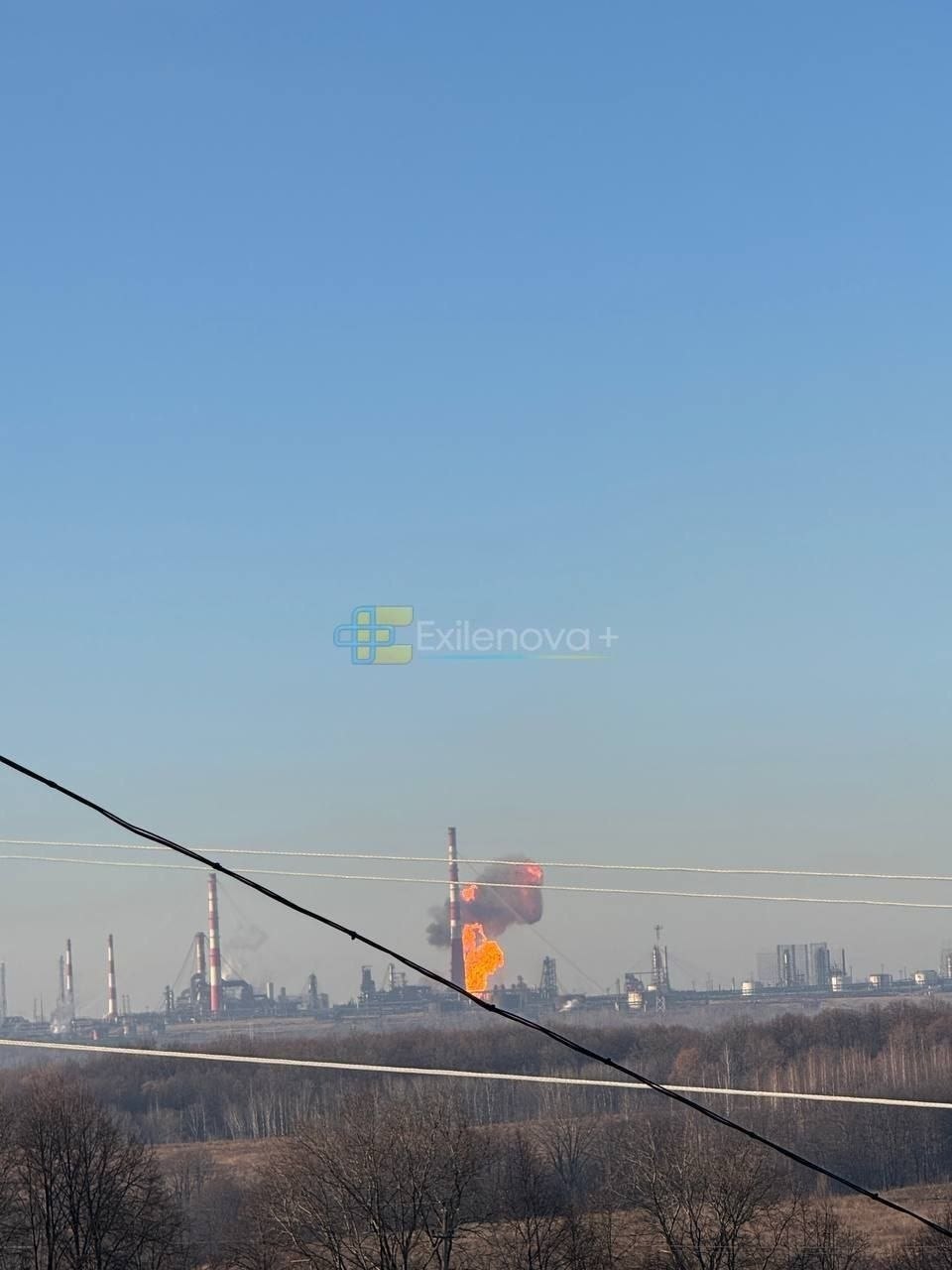
- A reported attack on an oil refinery in Ufa, Bashkortostan, causing a fire and temporary airport closure.
Ukrainian drone hit Ufa refinery, fire reported. Source: https://t.me/intelslava/97274
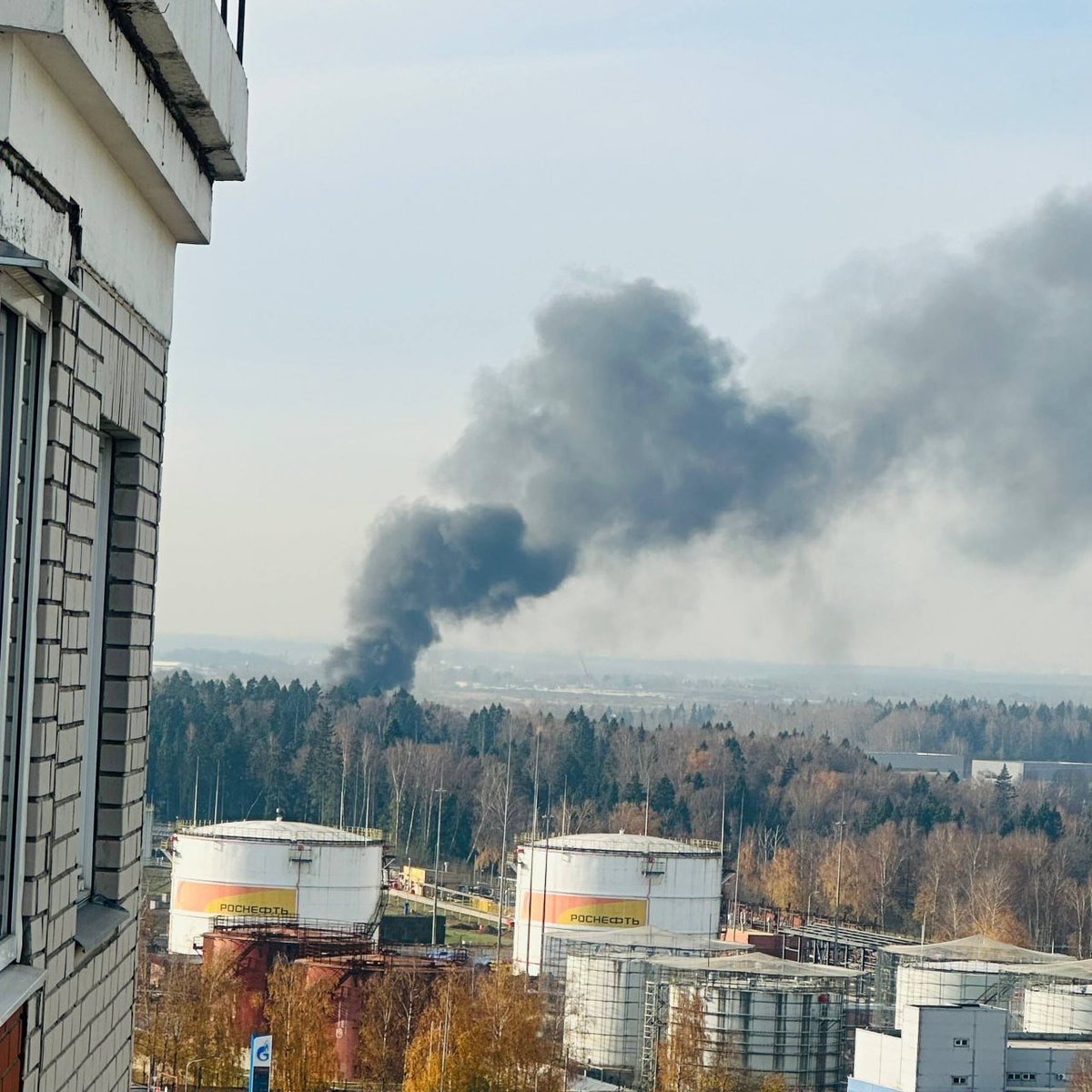
- Disruption of air traffic in Moscow, with airport closures and a fire near Sheremetyevo following an air‑raid warning.
Ukrainian drones disrupt Moscow, fire near Sheremetyevo. Source: https://t.me/monitor_the_situation/40347
Ground‑Level Hostile UAV Incidents
Russian Geran‑4 kamikaze drones, deployed by the 50th Separate Brigade “Varyag,” struck multiple targets in Ukraine’s Kharkiv Oblast, damaging warehouse facilities, a Ukrspeccommunication building, and a locomotive. The same drone type was later observed attacking three Ukrainian locomotives near Zaporizhzhia.
Geran‑4 drones hit Kharkiv warehouses, Ukrspeccommunication building, locomotive. Source: https://t.me/intelslava/97284
Geran‑4 drones attacked three locomotives near Zaporizhzhia. Source: https://t.me/intelslava/97283
In a separate incident, Ukrainian forces shelled the village of Aleskhi in Donetsk Oblast, injuring two civilians, while a Ukrainian drone struck a civilian vehicle, breaching the ceasefire that was set to expire on 1 November.
Ukrainian shelling of Aleskhi injures two civilians; drone hits civilian vehicle. Source: https://t.me/intelslava/97285
Air‑to‑Air and Air‑to‑Ground Interceptions
Ukrainian air assets demonstrated defensive effectiveness when a MiG‑29MU1 fighter engaged a Russian drone, employing an R‑60 missile and its cannon to secure the kill.
Ukrainian MiG‑29MU1 shoots down Russian drone with R‑60 missile and cannon. Source: https://t.me/monitor_the_situation/40352
Assessment of the Day’s Operational Trends
The confluence of high‑profile missile strikes, extensive UAV deployments, and targeted attacks on critical infrastructure indicates a shift toward a more kinetic, technology‑driven phase of the conflict. Both sides are leveraging drones not only for reconnaissance but also for direct kinetic effects, blurring the line between conventional artillery and precision strike capabilities.
Russian UAV attrition, combined with the loss of two Su‑34 platforms, may compel Moscow to recalibrate its aerial doctrine, potentially increasing reliance on manned aircraft and surface‑to‑air missile systems. Meanwhile, Ukraine’s demonstrated ability to project power deep into Russian territory—evidenced by strikes on chemical, fuel, and refinery assets—suggests an expanding operational reach that could strain Russian civil‑military infrastructure.
Continued monitoring of UAV loss rates, missile strike outcomes, and civilian casualty reports will be essential for evaluating the conflict’s trajectory and the potential for escalation or de‑escalation in the coming weeks.