On 31 October 2026 Russian forces escalated their aerial offensive, deploying Geran‑4 jet‑drones and KAB glide‑bombs against critical infrastructure and densely populated areas in Ukraine. The most consequential strike occurred in Zaporizhzhia City, where a Geran‑4 drone hit the Zaporizhzhia‑Live railway station and a salvo of at least eleven KAB glide‑bombs devastated the southern suburbs and the nearby village of Rozumivka. The coordinated attacks underscore a shift toward high‑precision, long‑range munitions aimed at disrupting transport corridors and energy networks.
Zaporizhzhia City: Railway Hub and Southern Suburbs Targeted
Location: Zaporizhzhia City, Zaporizhzhia Oblast, Ukraine
Time: 04:39 UTC
Weapons used: Geran‑4 jet‑drone, KAB glide‑bombs (minimum 11)
Casualties: No confirmed fatalities or injuries reported in open sources; extensive property damage noted.
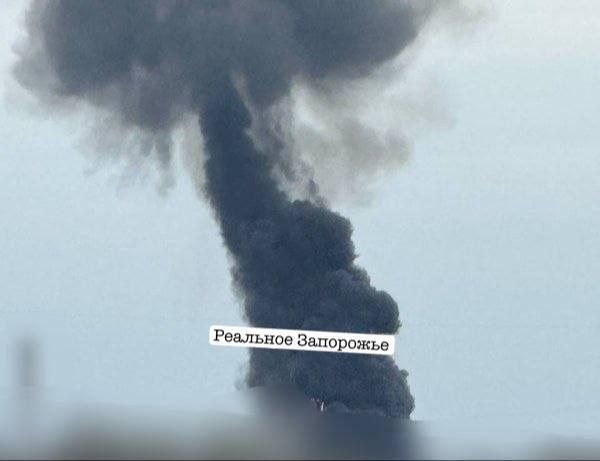
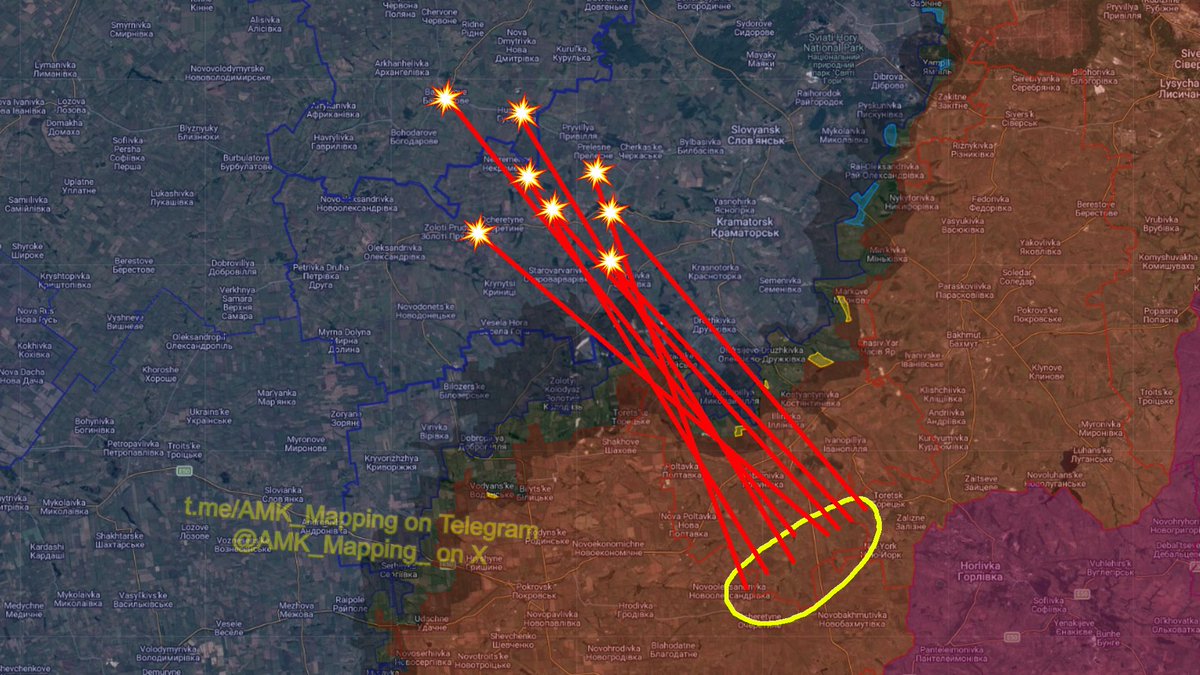
"Russian forces attacked Zaporizhzhia‑Live railway station with a Geran‑4 drone, causing a large fire, and dropped at least 11 KAB glide‑bombs on the southern suburbs and nearby Rozumivka," – Monitor the Situation, 31 Oct 2026.
The railway station, a key node for freight and passenger movement, suffered a fire that disrupted rail traffic for several hours. The glide‑bomb strikes damaged residential blocks, a school complex, and a municipal water treatment facility in Rozumivka, leading to temporary water supply interruptions. The attack was documented by a photo posted on the Monitor the Situation channel (source) and referenced by the @AMK_Mapping_ account.
Kharkiv Oblast: Multi‑District Drone Barrage
Location: Kharkiv City and surrounding settlements (Zlatopil, Merefa, near Chuhuiv), Kharkiv Oblast, Ukraine
Time: 04:30 UTC
Weapons used: Geran‑2 and Geran‑4 drones
Casualties: No confirmed civilian deaths; several injuries reported in Kharkiv City’s Shevchenko district.
"Geran‑2/4 drones struck targets in four districts of Kharkiv City, plus Zlatopil, Merefa, and near Chuhuiv," – Monitor the Situation, 31 Oct 2026.
The drones targeted a mix of logistical depots, a power substation in Merefa, and a residential block in Kharkiv’s Shevchenko district. Video evidence posted on the same channel (source) shows smoke plumes and damaged rooftops. The attacks coincided with a broader pattern of drone use aimed at degrading the region’s electricity distribution network ahead of the winter heating season.
Dnipropetrovsk Oblast: Energy and Railway Infrastructure Under Fire
Location: Dnipro, Kamianske, Pavlohrad, Synelnykove and surrounding towns, Dnipropetrovsk Oblast, Ukraine
Time: 04:20 UTC
Weapons used: Geran‑4 jet‑drones
Casualties: No civilian fatalities reported; power outages affected an estimated 120,000 households.
"Large‑scale overnight attack using Geran‑4 jet‑drones targeted energy and railway infrastructure across Dnipro, Kamianske, Pavlohrad, Synelnykove and other towns," – Monitor the Situation, 31 Oct 2026.
A critical Dnieper River bridge was struck, halting rail traffic and forcing the rerouting of freight trains carrying agricultural exports. Simultaneous strikes on substations in Dnipro and Kamianske caused rolling blackouts that persisted for up to six hours in some districts. Video footage (source) captured the bridge damage and the ensuing emergency response.
Barvinkove (Kharkiv‑Donetsk Border): Su‑34 Glide‑Bomb Deployment
Location: Barvinkove, Kharkiv Oblast, Ukraine (near Donetsk‑Kharkiv border)
Time: 00:38 UTC
Weapons used: KAB glide‑bombs launched from Su‑34 fighter‑jets
Casualties: Two civilian deaths confirmed; five injuries; extensive damage to residential structures.
"Russia Uses Long‑Range Glide‑Bombs on Kharkiv, Donetsk Over two weeks, Russian Su‑34s launched at least 8 groups of KAB glide‑bombs ... striking Barvinkove for the first time," – Monitor the Situation, 31 Oct 2026.
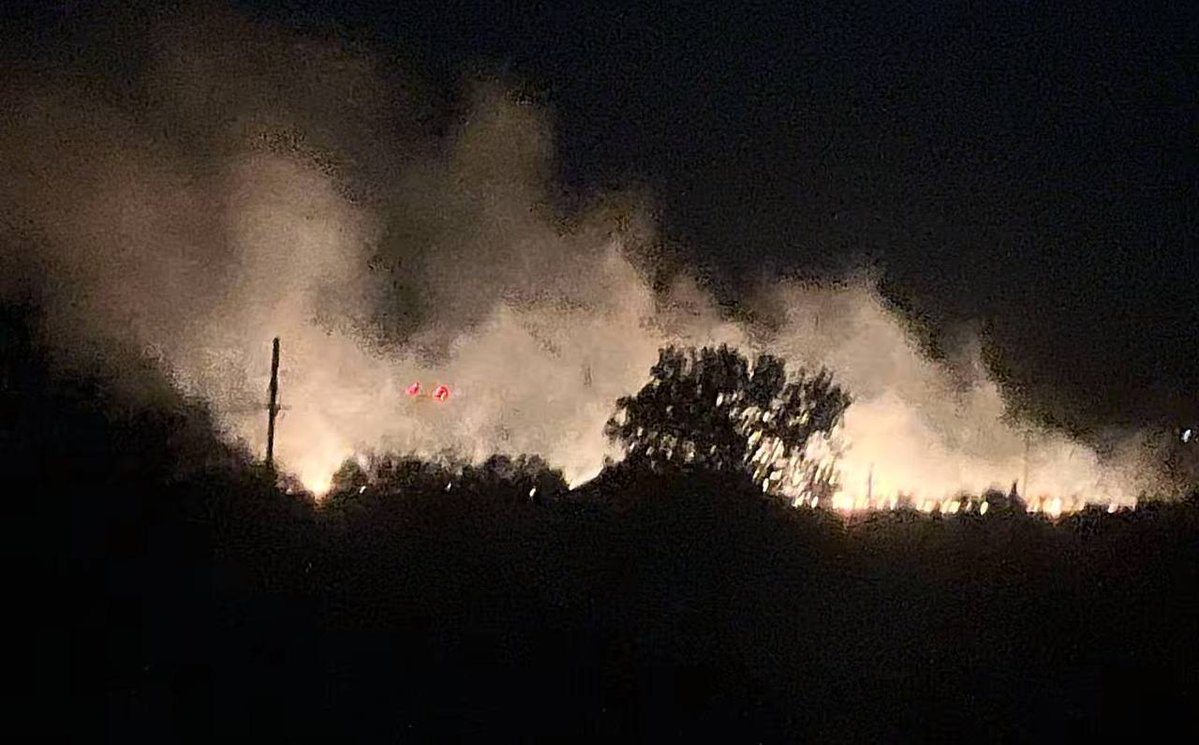
The strike marked the first known use of KAB glide‑bombs in Barvinkove, a town previously spared from direct aerial bombardment. The bombs impacted a multi‑storey apartment block and a local school, prompting an evacuation of over 1,200 residents. The incident was documented with a photograph (source) showing collapsed walls and emergency services on site.
Russian Domestic Drone Alerts: Ufa Airport Holds and Kaliningrad Power Disruptions
Location: Ufa Airport, Republic of Bashkortostan, Russia; Kaliningrad Oblast, Russia
Time: 05:44 UTC
Weapons used: Unidentified drones (reporting only "drone")
Casualties: No injuries reported; flight delays affected approximately 3,200 passengers; power outages impacted 45,000 customers in Kaliningrad.
"Drone alerts in Bashkortostan led to flight restrictions at Ufa Airport and caused explosions and power outages in Kaliningrad Oblast," – Monitor the Situation, 31 Oct 2026.
The Bashkortostan authorities declared a drone threat, grounding take‑offs and landings at Ufa Airport for three hours. Simultaneously, unexplained explosions triggered automatic shutdowns of several substations in Kaliningrad, leading to rolling blackouts. While the incidents occurred within Russian territory, they illustrate the broader diffusion of drone technology and the potential for reciprocal escalation.
Analysis of the Escalation Pattern
The coordinated use of Geran‑4 jet‑drones across multiple oblasts demonstrates a refined operational doctrine that blends low‑cost unmanned systems with high‑precision glide‑bombs. The attacks focus on transport arteries (railway stations, bridges) and energy nodes (substations, power lines), aiming to impair logistical support and civilian resilience ahead of the winter months. The simultaneous deployment of Su‑34‑borne KAB glide‑bombs in Barvinkove indicates that Russia continues to integrate conventional air power with unmanned strike capabilities, expanding the reach of its long‑range munitions.
Casualty figures remain relatively low compared with earlier phases of the conflict, suggesting that Russian forces may be prioritizing infrastructure over mass civilian targeting. However, the destruction of residential buildings in Barvinkove and the fire at the Zaporizhzhia‑Live railway station underscore the inherent risk to non‑combatants when high‑explosive munitions are employed in densely populated zones.
From a strategic perspective, the attacks serve multiple objectives: disrupting Ukraine’s export capacity, degrading energy supply ahead of seasonal demand spikes, and signaling the capability to strike deep within Ukrainian territory with precision weapons. The inclusion of drone alerts within Russian borders further complicates attribution and raises the prospect of retaliatory measures by Ukrainian forces, potentially expanding the drone warfare domain.
Monitoring agencies, including Monitor the Situation and open‑source mapping groups such as @AMK_Mapping_, continue to provide near‑real‑time verification of strike locations and weapon types. Their documentation is essential for assessing compliance with international humanitarian law and for informing diplomatic responses.