On October 30, 2026, Russian unmanned aerial vehicles (UAVs) struck the Dnipro railway station in Dnipropetrovsk Oblast, killing 15 civilians and wounding 14. The attack, reported by the Telegram channel monitor_the_situation, involved two drones that hit the station in the early afternoon (15:40:10 UTC).
"Russian drones hit the railway station in Dnipro with two drones, a day after an attack there killed 15 and wounded 14." – monitor_the_situationVideo footage posted by the same source confirms the impact and the ensuing fire, underscoring the continued vulnerability of critical transport infrastructure in central Ukraine.
Escalation of Aerial Assaults Across Multiple Fronts
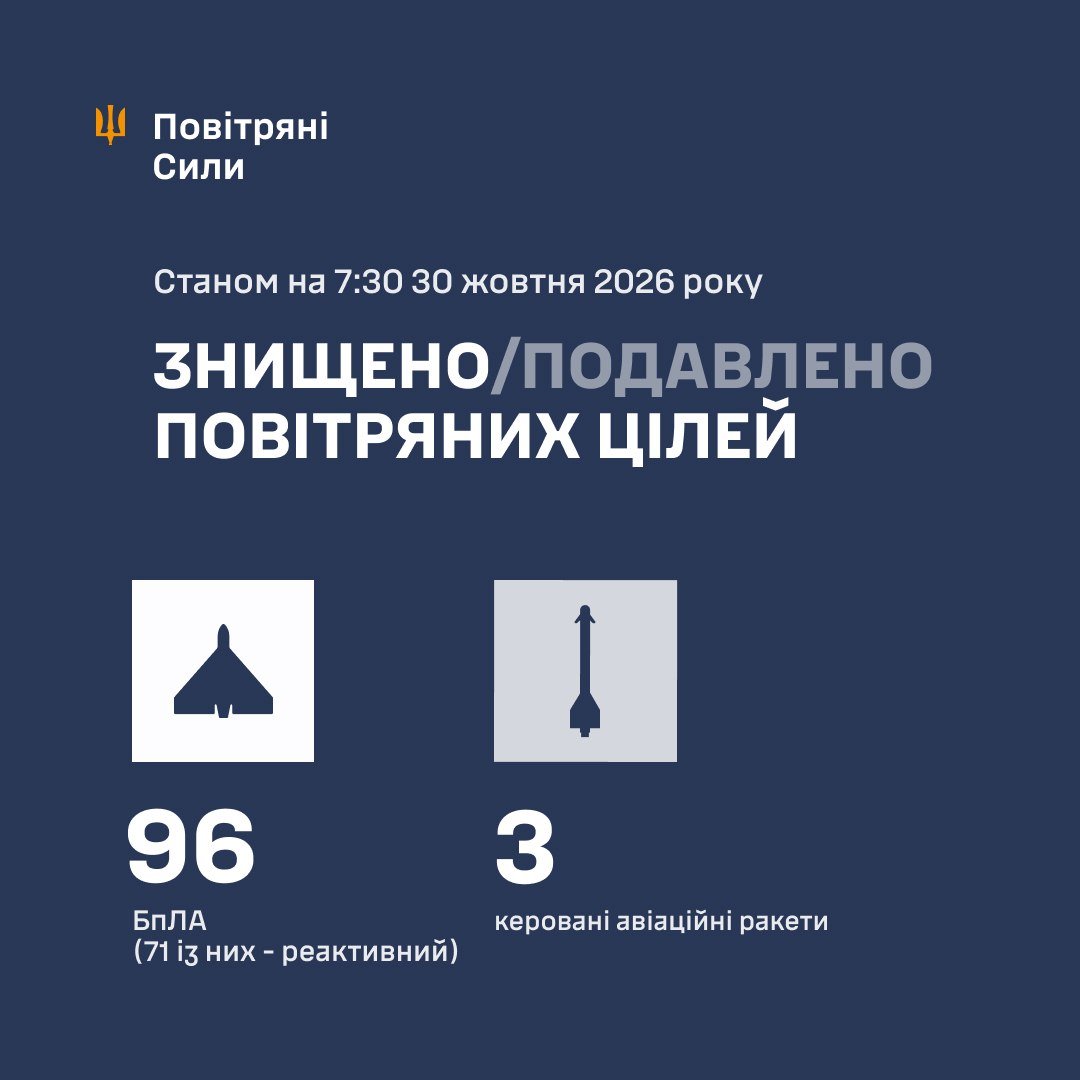
Within hours of the Dnipro strike, Russian forces launched a large‑scale aerial campaign targeting Kyiv, Poltava and Dnipropetrovsk regions. According to monitor_the_situation, the operation employed a mix of Iskander‑M, S‑400, KN‑23 ballistic missiles, four Kh‑59/69 cruise missiles and 113 Shahed‑type drones. Ukrainian air defenses reported intercepting 96 drones and three missiles, but the sheer volume of munitions overwhelmed some sectors, leading to additional civilian casualties and infrastructure damage.
Missile Strikes on Key Urban Centers
In the northern theater, an Iskander‑K cruise missile salvo struck Kremenchuk in Poltava Oblast at 09:31:49 UTC, causing structural damage but no immediate casualty figures were released. Simultaneously, a separate strike on Dnipro at 09:10:39 UTC employed ballistic missiles, guided aerial missiles and Shahed drones, contributing to the overall toll of 27 dead and 128 injured across Ukraine that day, as detailed in the monitor_the_situation briefing.
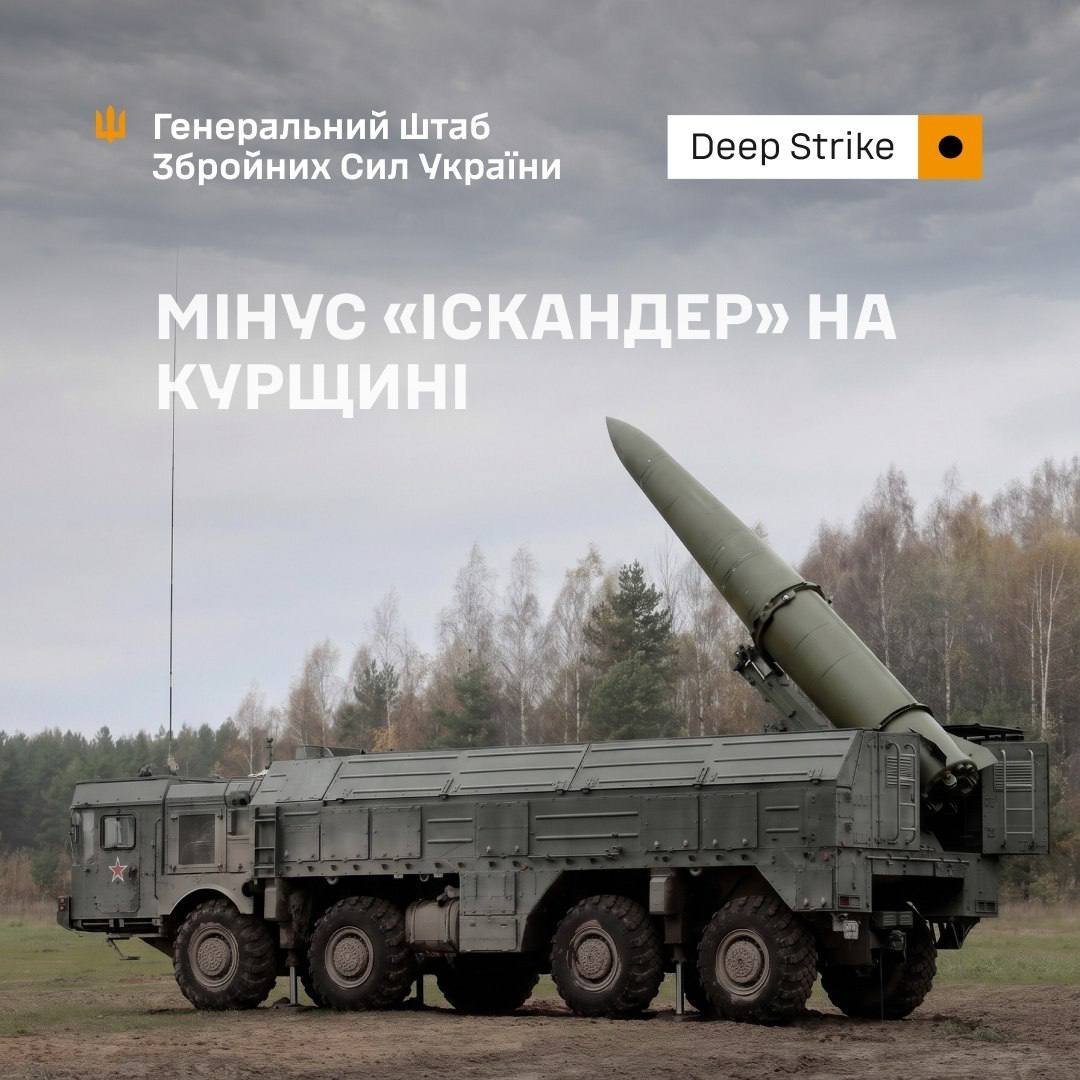
Further south, Ukrainian forces claimed a successful strike on an Iskander‑M launcher near Fatezh in Kursk Oblast, Russia, at 10:23:20 UTC. The Kyiv General Staff reported the destruction of the launcher and the neutralisation of several ammunition, logistics and repair depots in Kursk, Luhansk and Donetsk regions, aiming to degrade Russian missile resupply capabilities.
UAV Activity and Counter‑UAV Operations
Ukrainian drone units continued to engage Russian assets. At 15:23:19 UTC, the SIGNUM Battalion of the 59th Separate Assault Battalion of Unmanned Systems destroyed a fully loaded Russian BM‑21 Grad multiple‑rocket launcher before it could fire, preventing potential casualties in the vicinity. Later, at 17:28:03 UTC, Ukrainian attack drones shot down a Russian Mi‑8 transport helicopter over Luhansk Oblast, marking a tactical loss for Russian air mobility.
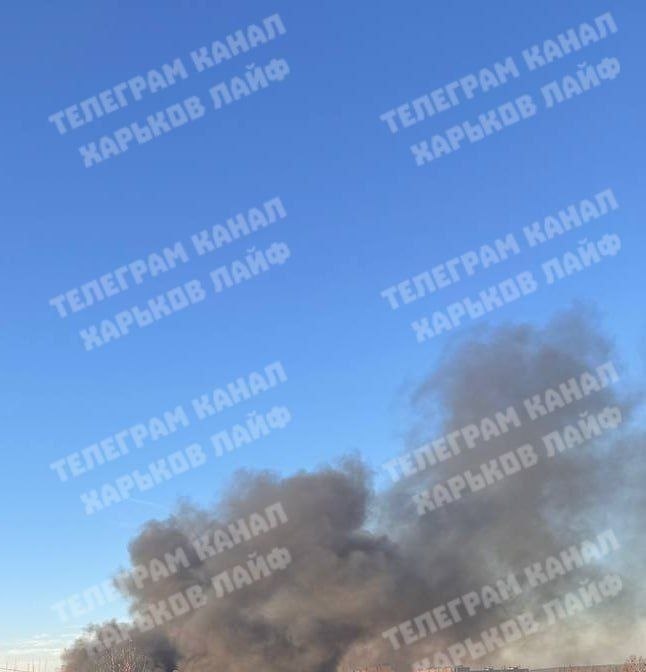
Conversely, Russian UAV activity persisted. A Geran‑4 drone strike ignited a large fire in Kharkiv’s Osnovianskyi District at 06:02:02 UTC, causing material damage but no reported injuries. The same day, Russian forces launched a second consecutive drone attack on the Dnipro railway station, as noted by the channel intelslava (17:16:31 UTC), reinforcing the pattern of targeting transport hubs.
Operational Impact and Civilian Harm
The cumulative effect of these kinetic events is reflected in the civilian casualty figures released by the CIT volunteer network, which documented 29 civilian deaths and 167 injuries—including children—across six Ukrainian regions (Chernihiv, Kharkiv, Donetsk, Dnipropetrovsk, Zaporizhzhia, Kherson) during the 24‑hour period of October 28‑29. While the CIT report does not attribute each casualty to a specific strike, the timing aligns with the intensified aerial campaign on October 30.
Infrastructure damage includes the destruction of railway facilities in Dnipro, fire damage to residential and commercial structures in Kharkiv, and reported damage to power and water utilities in the Kyiv metropolitan area, though precise outage figures remain unverified.
Strategic Assessment
The coordinated use of high‑precision ballistic missiles, cruise missiles and large numbers of Shahed drones indicates a Russian intent to overwhelm Ukrainian air‑defence systems while inflicting maximum disruption on logistics and civilian morale. Ukraine’s defensive response—intercepting the majority of drones and a handful of missiles—demonstrates continued resilience but also highlights the strain on air‑defence assets.
Ukrainian offensive drone operations against Russian logistical nodes, such as the BM‑21 Grad and the Mi‑8 helicopter, suggest a growing proficiency in using unmanned systems for tactical interdiction. These actions aim to erode Russian operational depth and limit the sustainment of missile launches.
Overall, the kinetic tempo on October 30 underscores a shift toward high‑intensity, multi‑domain engagements, with both sides leveraging UAVs and missile technology to achieve strategic objectives while civilian populations bear the brunt of the violence.