On 29 October 2026, Russian forces launched a series of high‑intensity kinetic attacks on Ukraine's northern region, resulting in the deadliest civilian casualties of the day. At approximately 13:14 UTC, two Banderol cruise missiles struck central Chernihiv, killing two 15‑year‑old girls and injuring at least 23 people, including four children, according to Governor Viacheslav Chaus. A second wave of strikes at 13:29 UTC combined cruise missiles and unmanned aerial vehicles (UAVs) that hit both Chernihiv and the industrial city of Kremenchuk. The Chernihiv attack killed two additional civilians, while a drone‑borne strike on an apartment block in Kremenchuk killed three civilians and wounded 15. The coordinated nature of the attacks underscores a renewed emphasis on precision strike capabilities in the Russian arsenal.
"Russian Cruise Missiles Kill 2 Girls in Chernihiv" – monitor_the_situation, 29 Oct 2026, https://t.me/monitor_the_situation/39972
Chernihiv and Kremenchuk: Casualties and Weaponry
The Chernihiv attacks employed Banderol cruise missiles, a variant designed for urban penetration. The missiles detonated in densely populated districts, causing structural collapse and secondary injuries from shrapnel. In Kremenchuk, a Russian drone equipped with a small warhead struck the third floor of a residential building, igniting a fire that hampered emergency response. Combined, the two locations accounted for five civilian deaths and dozens of injuries. Local authorities reported that emergency services faced delayed access due to ongoing air‑raid alerts and debris obstructing streets.
Dnipro Railway Station Drone Strike
At 09:57 UTC, a Russian jet‑powered drone attacked the platform of Dnipro railway station, where train No. 866 was present. Ukrzaliznytsia confirmed multiple fatalities and a number of wounded passengers, though exact figures remain unverified. The drone, likely a Shahed‑136 derivative, struck the platform directly, demonstrating the continued use of low‑cost loitering munitions against transport hubs. The incident occurred despite an active air‑defence alert, highlighting gaps in short‑range interception capabilities.
"A Russian jet‑powered drone hit the platform at Dnipro railway station" – monitor_the_situation, 29 Oct 2026, https://t.me/monitor_the_situation/39940
Ukrainian Counter‑Strikes in Occupied Territories
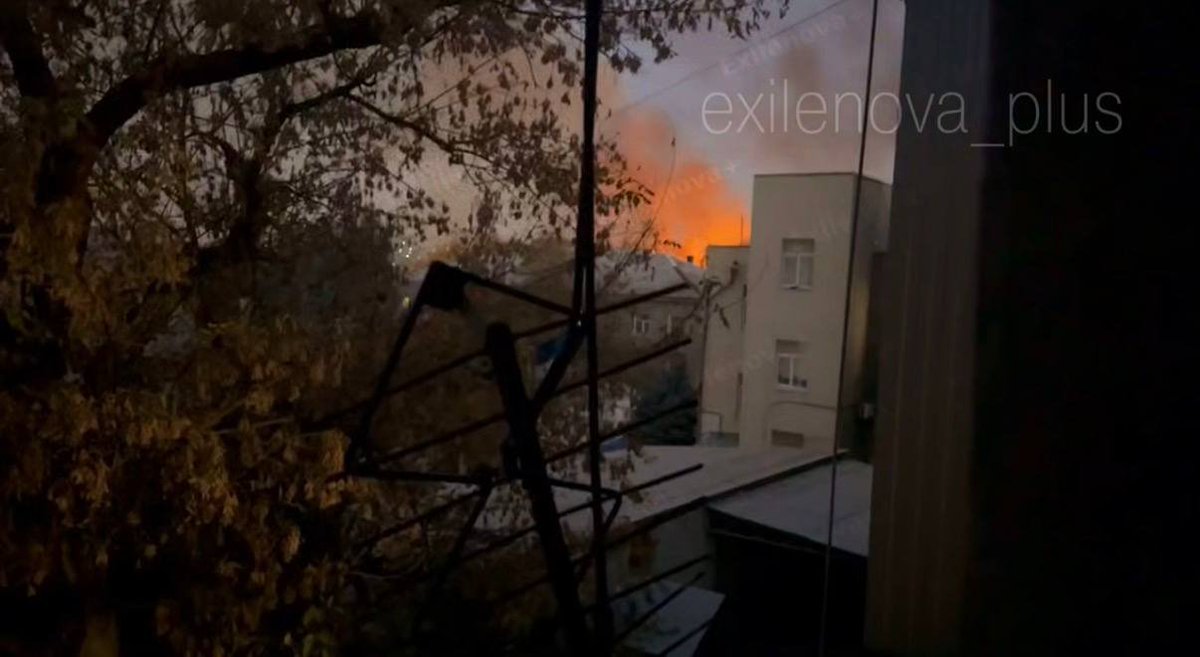
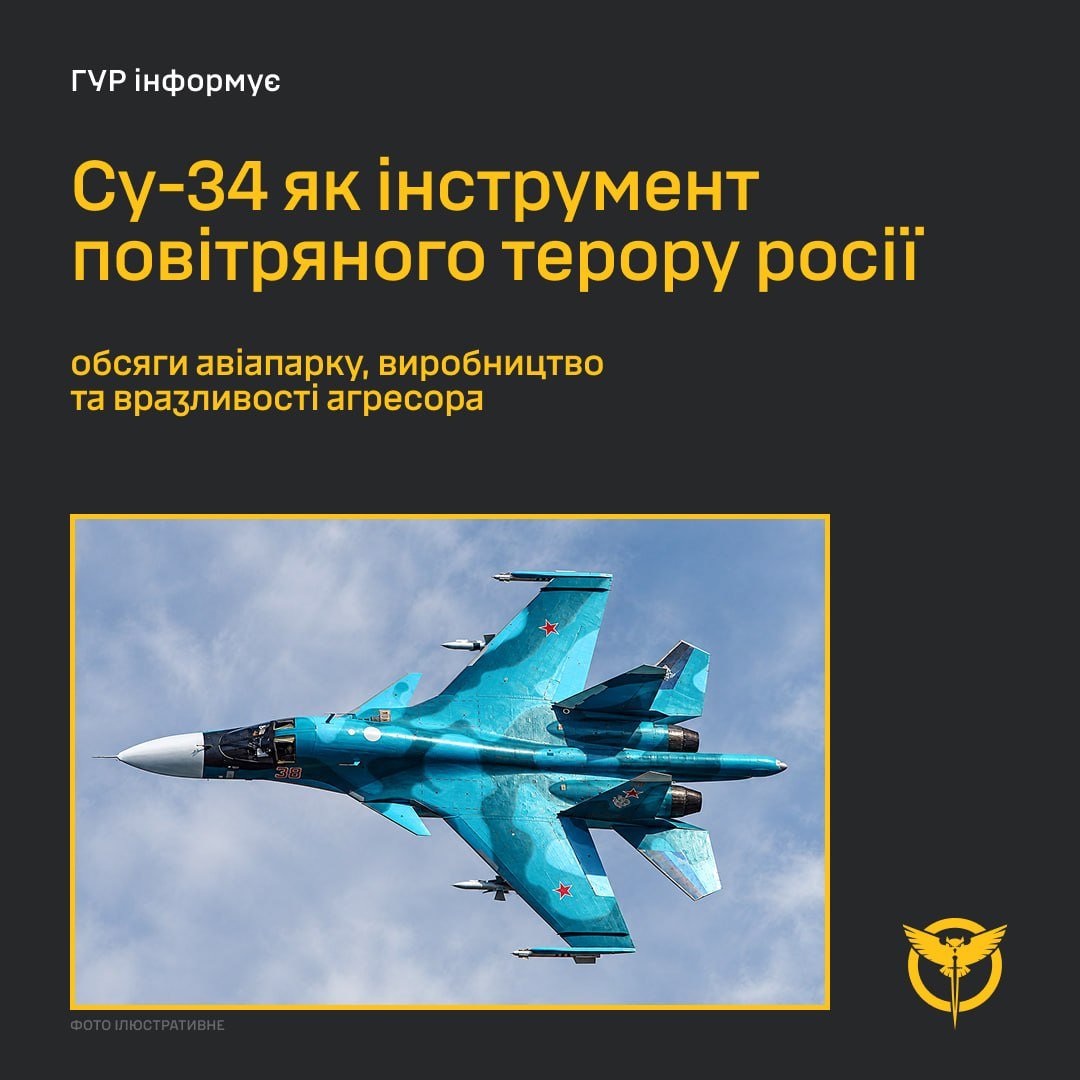
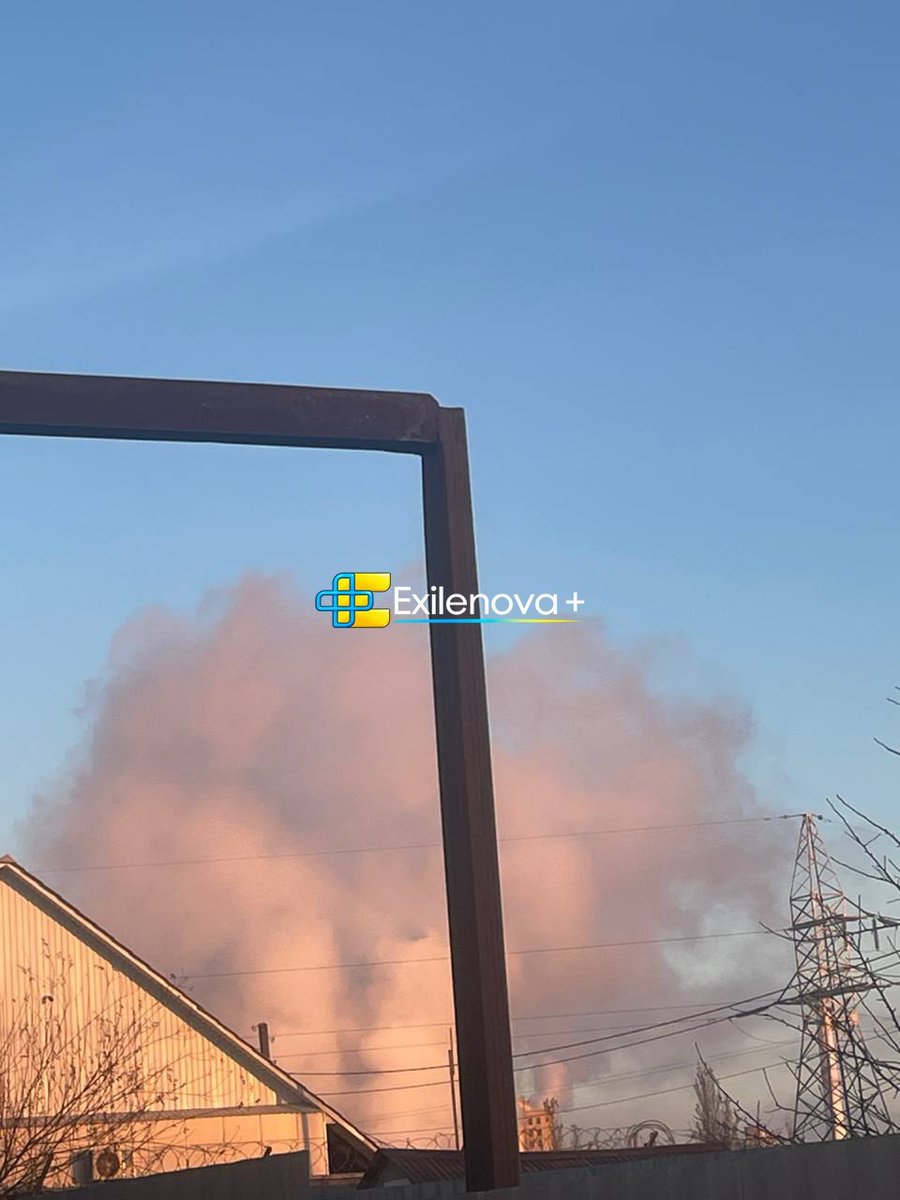
In response to the northern attacks, Ukrainian forces conducted overnight strikes on 28‑29 October targeting occupied infrastructure. At 08:54 UTC, Ukrainian missiles hit the Lugacom data centre in Russian‑controlled Luhansk, disrupting communications for the occupying administration. Simultaneous strikes were reported in Berdyansk, Mariupol, and Melitopol, though casualty figures were not disclosed. Additionally, Ukrainian intelligence (HUR) claimed a successful strike on Marinovka airfield in Volgograd Oblast, potentially destroying two Russian Su‑34 fighter‑jets and raising confirmed Russian losses to 45 aircraft.
"Ukraine's HUR reports strike at Marinovka airfield may have destroyed two Russian Su‑34 jets" – monitor_the_situation, 29 Oct 2026, https://t.me/monitor_the_situation/39989
Air‑Defence Performance Over Kyiv
Ukraine's automated air‑defence turrets, part of the Private Air Defence project, reported shooting down more than 60 Russian drones over Kyiv in the preceding month. While the system has proven effective against low‑altitude UAVs, the Chernihiv and Dnipro incidents illustrate that high‑speed, jet‑powered drones can evade detection until terminal phase, reducing interception windows. The Ministry of Defence emphasized ongoing upgrades to radar integration and rapid‑response missile batteries to address this capability gap.
Additional Kinetic Incidents Across the Front
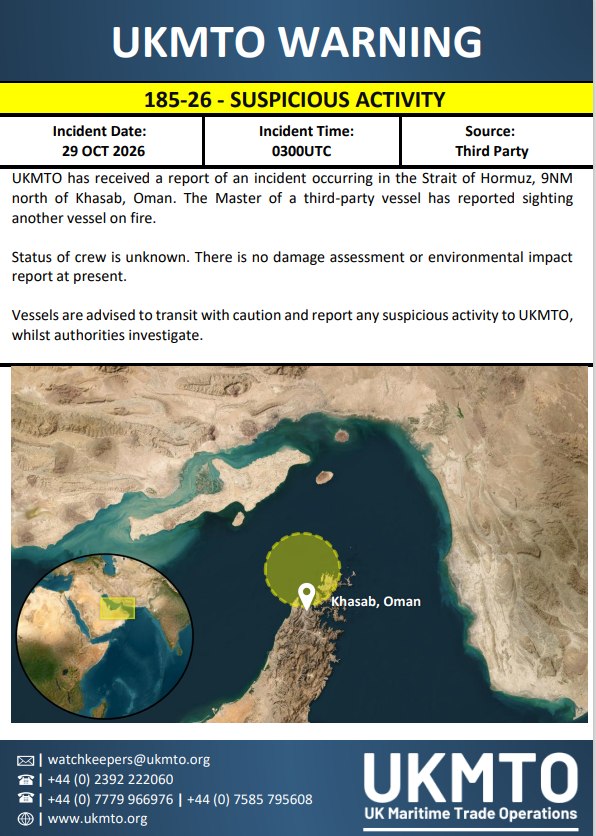
Other notable kinetic events on 29 October included Russian Geran‑4 drones striking four locomotives across Zaporozhye and Dnipropetrovsk oblasts, disrupting rail logistics for both civilian and military freight. In the Black Sea, maritime drones targeted commercial shipping, though these incidents fall outside the Ukrainian theatre. Within Ukraine, no further high‑casualty events were reported, but the pattern of coordinated missile, drone, and rail attacks suggests an escalation in combined‑arms tactics aimed at civilian infrastructure and transport corridors.